(7% discount is applied at checkout)
Cart is empty
Your go-to destination for cutting-edge server products
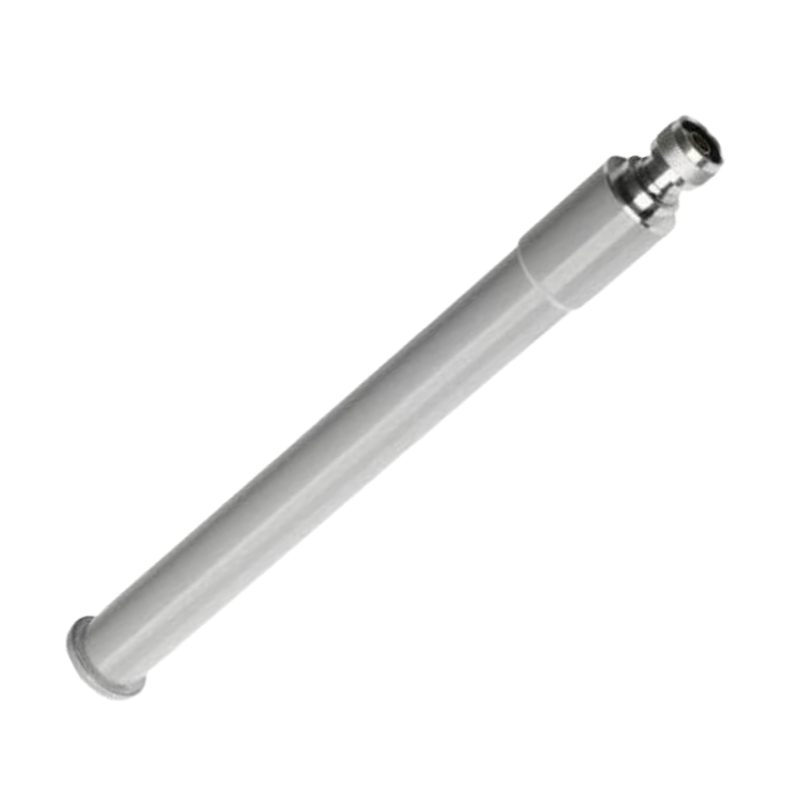


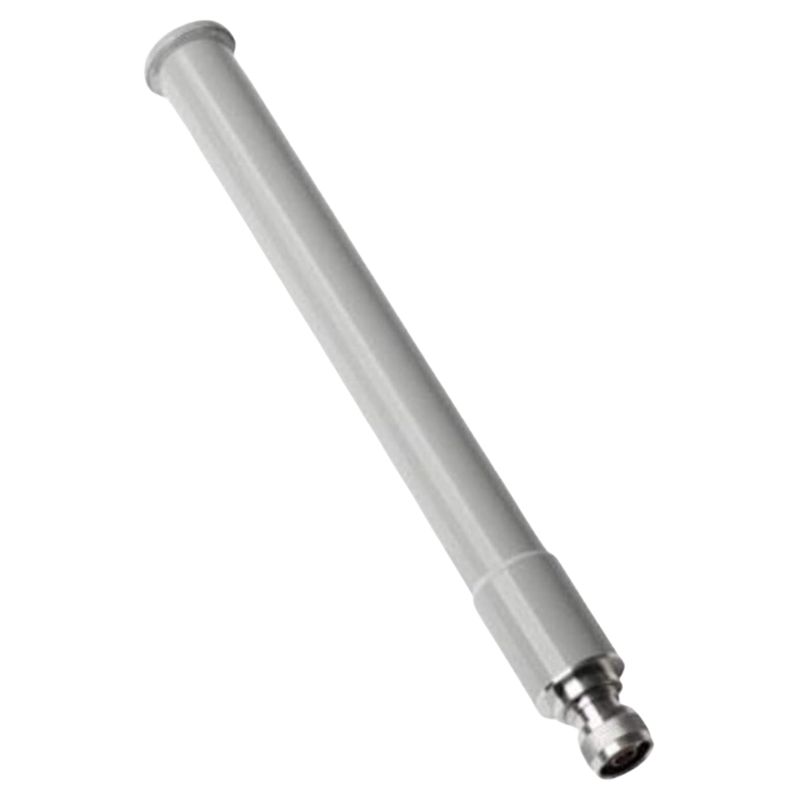
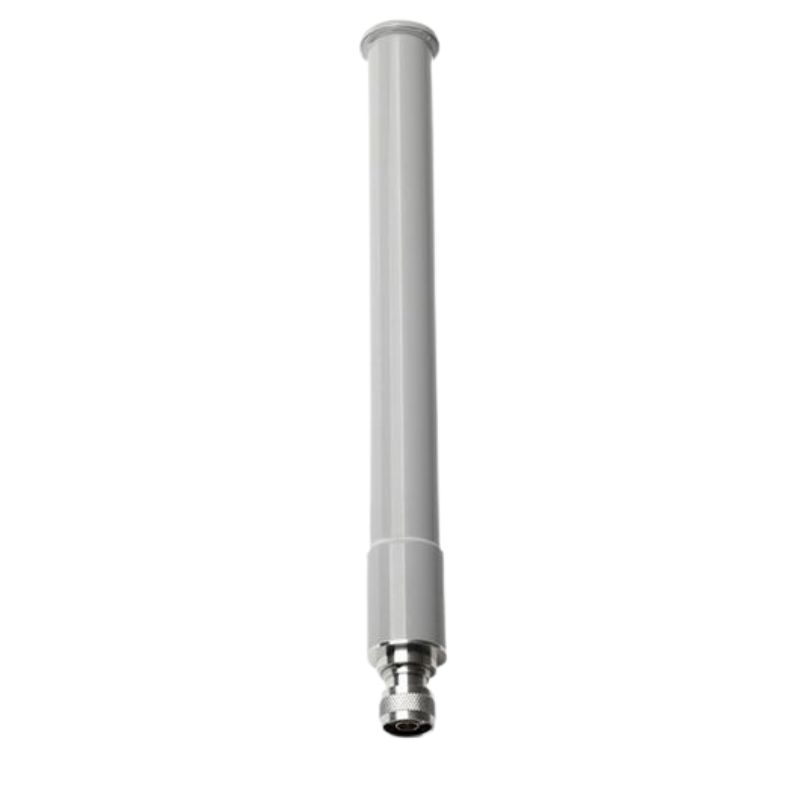
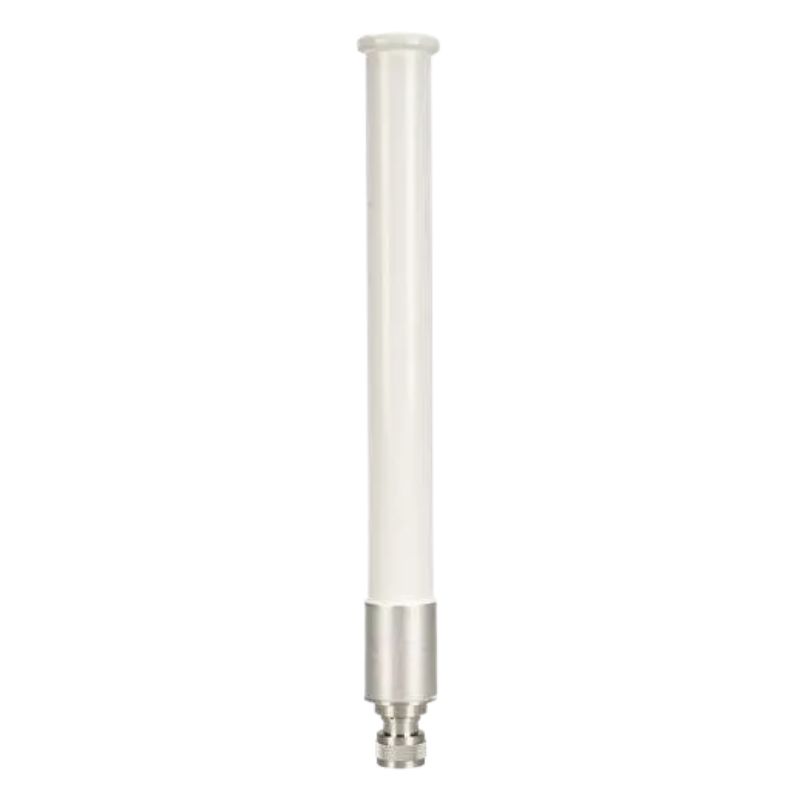
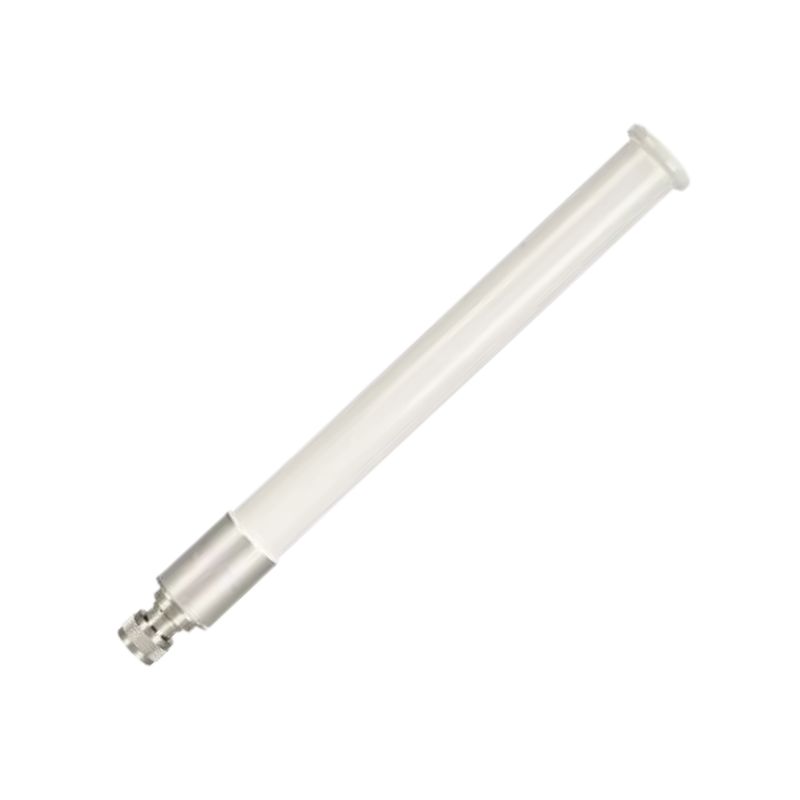
Cisco AIR-ANT2547VNHZ 2.4GHz Dual Band Omni Antenna 7 dBi. Excellent Refurbished with 1 year replacement warranty
The Cisco AIR-ANT2547VNHZ is a high-performance dual-band omnidirectional antenna designed to improve wireless network coverage and signal reliability. Built for enterprise Wi-Fi environments, this Cisco antenna supports both 2.4 GHz and 5 GHz frequency ranges, delivering consistent wireless connectivity for compatible networking equipment.
Built to support dual-band wireless deployments, the Cisco AIR-ANT2547VNHZ antenna operates across both 2.4GHz and 5GHz frequency ranges, allowing network administrators to create flexible wireless infrastructures. The antenna design provides omnidirectional signal coverage, meaning wireless signals are distributed around the access point in a broad horizontal pattern. This makes it suitable for locations where users and wireless devices are spread across multiple directions rather than concentrated in a single area.
The 7 dBi gain rating represents the antenna’s ability to focus radio frequency energy compared with a standard reference antenna. Higher gain antennas can help improve coverage distance and signal strength in appropriate environments by shaping the radiation pattern. The AIR-ANT2547VNHZ is designed to balance coverage enhancement with practical enterprise deployment needs, making it a valuable choice for organizations seeking dependable wireless performance.
Wireless antennas play an important role in the overall performance of Wi-Fi networks. While access points provide the processing and radio capabilities required for wireless communication, antennas influence how those radio signals are transmitted and received. The Cisco AIR-ANT2547VNHZ belongs to a specialized category of external wireless antennas designed for professional networking equipment where coverage, stability, and compatibility are essential.
Dual band antennas have become a standard requirement for modern wireless environments because Wi-Fi networks commonly operate on both 2.4GHz and 5GHz frequencies. The 2.4GHz band provides broader coverage and better penetration through some physical obstacles, while the 5GHz band generally supports higher performance and offers more available channels. By supporting both frequency ranges, this antenna helps wireless networks adapt to different device requirements and usage scenarios.
The omnidirectional antenna category is especially useful in environments where wireless clients move throughout an area. Instead of directing the signal toward a specific point, an omnidirectional antenna creates a surrounding coverage zone. This makes the Cisco AIR-ANT2547VNHZ suitable for open workspaces, classrooms, meeting areas, retail environments, and industrial spaces where users may connect from various positions.
Enterprise wireless networks require consistent connectivity for laptops, smartphones, tablets, IoT devices, scanners, security systems, and specialized equipment. A properly selected antenna can contribute significantly to maintaining stable connections throughout these environments. The Cisco AIR-ANT2547VNHZ 7 dBi antenna is designed to support these requirements by providing an optimized balance between signal reach and coverage distribution.
Network performance depends on many factors including access point placement, building materials, interference levels, client device capabilities, and network configuration. An external antenna such as the AIR-ANT2547VNHZ allows administrators to adjust wireless deployment strategies by selecting antenna characteristics that match the physical environment. This flexibility can improve the effectiveness of wireless installations and reduce coverage gaps.
In large facilities, wireless coverage challenges often occur because of walls, equipment, distance, and changing user locations. A dual-band omnidirectional antenna can help address these challenges by providing a wider signal distribution pattern. When paired with compatible Cisco wireless infrastructure, the antenna becomes part of a complete wireless solution designed for reliable connectivity.
Antenna gain is an important specification when evaluating wireless networking accessories. The 7 dBi gain of the Cisco AIR-ANT2547VNHZ indicates that the antenna is designed to provide stronger directional concentration of radio energy compared with lower-gain antennas. Although higher gain does not automatically mean better performance in every situation, it can improve coverage characteristics when properly matched with the deployment environment.
Higher gain antennas typically create a different radiation pattern by focusing energy more efficiently across certain areas. For enterprise installations, understanding this behavior helps network professionals select antennas that complement the physical layout of a building. The AIR-ANT2547VNHZ is intended for users who require enhanced wireless coverage while maintaining the convenience of an omnidirectional design.
The Cisco AIR-ANT2547VNHZ is engineered as a professional wireless antenna accessory with a focus on compatibility, durability, and practical installation. Its design supports modern wireless networking requirements by combining dual-band operation with a compact and effective antenna structure.
The antenna construction is intended for enterprise use, where equipment must operate consistently over extended periods. Network environments often require hardware that can withstand continuous operation while maintaining reliable communication between wireless devices and network infrastructure. This antenna category is developed to meet those expectations by providing dependable radio frequency performance.
The physical design of an external antenna also allows greater flexibility compared with built-in antenna systems. Administrators can position antennas according to coverage objectives and access point placement. This ability is particularly useful in environments where standard antenna configurations may not provide the desired signal distribution.
One of the defining features of the Cisco AIR-ANT2547VNHZ is its dual band capability. Supporting both 2.4GHz and 5GHz wireless frequencies enables networks to accommodate a wide range of wireless devices. Many older devices rely on 2.4GHz connectivity, while newer high-performance devices often take advantage of 5GHz networks for improved speed and reduced congestion.
The 2.4GHz frequency range has traditionally been used for wireless communication because of its ability to travel farther under many conditions. However, it can experience congestion due to the large number of devices that operate in this spectrum. The 5GHz band provides additional capacity and channels, making it valuable for modern high-density wireless environments.
By providing support for both frequency ranges, this antenna helps organizations create adaptable wireless networks. It supports a mixed device environment where different generations of wireless technology need to coexist. This capability is especially important in businesses, educational institutions, healthcare facilities, and public spaces where users connect with many types of devices.
Omnidirectional antennas are designed to spread wireless signals around the antenna location. This coverage style makes them useful for general-purpose wireless deployments where connectivity is needed in multiple directions. The Cisco AIR-ANT2547VNHZ provides this type of signal distribution, helping create broad wireless access zones.
In comparison with directional antennas that focus energy toward a specific area, omnidirectional antennas are often easier to deploy in environments with unpredictable user movement. For example, offices with open seating arrangements benefit from broad coverage because employees may connect from different positions throughout the workspace.
Warehouses and industrial environments can also benefit from omnidirectional antenna designs because wireless devices may move throughout the facility. Handheld scanners, inventory systems, and mobile equipment often require continuous connectivity as they travel between areas. A suitable antenna solution supports these operational requirements.
The Cisco AIR-ANT2547VNHZ 2.4GHz Dual Band Omni Antenna 7 dBi can be applied across many professional wireless networking scenarios. Its combination of dual-band operation, omnidirectional coverage, and enterprise-focused design makes it suitable for organizations that depend on wireless communication as part of their daily operations.
Corporate offices commonly use wireless networks to support employee devices, conference systems, voice communication, and cloud-based applications. A reliable antenna helps maintain consistent connections throughout office spaces where users expect seamless mobility. The AIR-ANT2547VNHZ can contribute to stronger and more stable wireless coverage when deployed with compatible Cisco access points.
Educational institutions also require extensive wireless connectivity because students, teachers, and staff frequently use wireless devices. Classrooms, libraries, laboratories, and shared spaces often need broad wireless availability. The omnidirectional design helps support users distributed throughout these areas.
Industrial facilities present unique wireless challenges because of large spaces, physical obstacles, machinery, and environmental factors. Wireless devices used in these locations require stable communication to maintain productivity. Antennas designed for enterprise wireless equipment help network teams create more effective coverage strategies.
Retail environments are another important application area. Modern stores rely on wireless systems for point-of-sale equipment, inventory management, customer services, and operational tools. Consistent wireless coverage supports efficient business processes and improves the reliability of connected devices.
Healthcare facilities also depend heavily on wireless networks for communication, equipment monitoring, and administrative systems. Reliable antenna performance contributes to the overall quality of the wireless infrastructure by helping access points communicate effectively with connected devices.
As organizations expand their wireless networks, antenna selection becomes an important consideration. Adding access points alone may not always solve coverage issues if antenna characteristics are not appropriate for the environment. The Cisco AIR-ANT2547VNHZ provides another option for optimizing wireless deployments by offering enhanced antenna performance.
Wireless infrastructure planning involves evaluating coverage areas, device density, interference sources, and application requirements. The right antenna can help network professionals design systems that provide better user experiences and more reliable connectivity.
Proper installation is essential to achieving the best results from any wireless antenna. The Cisco AIR-ANT2547VNHZ should be installed according to compatible hardware requirements and recommended deployment practices. Antenna placement, orientation, and access point positioning can influence overall wireless performance.
Network administrators typically evaluate the physical environment before installing antennas. Factors such as walls, ceilings, furniture, metal structures, and electronic interference sources may affect signal behavior. A well-planned installation helps maximize the advantages of a dual-band omnidirectional antenna.
Wireless optimization is an ongoing process. Organizations may adjust access point locations, antenna configurations, and network settings as user requirements change. The flexibility provided by external antennas supports these adjustments and helps networks adapt over time.
Wireless accessories must be selected carefully to ensure proper compatibility and performance. The Cisco AIR-ANT2547VNHZ is designed for use within Cisco wireless networking environments, where antenna specifications and access point capabilities work together to deliver effective communication.
Using compatible antenna equipment helps maintain expected wireless characteristics and ensures that the network operates according to its intended design. Professional networking deployments often rely on tested combinations of hardware components to achieve predictable results.


 Contact Us
 Information
 Catalog
 Solid State Drives (SSD)
 Network Switches
 Hard Disk Drives
 HBA & Controllers
 PC & Servers
 PC & Server Memory
 CPU & Processors
 Network Routers
 Power Supplies
 Tape Drives & Libraries
 Network Devices
 Computer & Network Cables