(7% discount is applied at checkout)
Cart is empty
Your go-to destination for cutting-edge server products
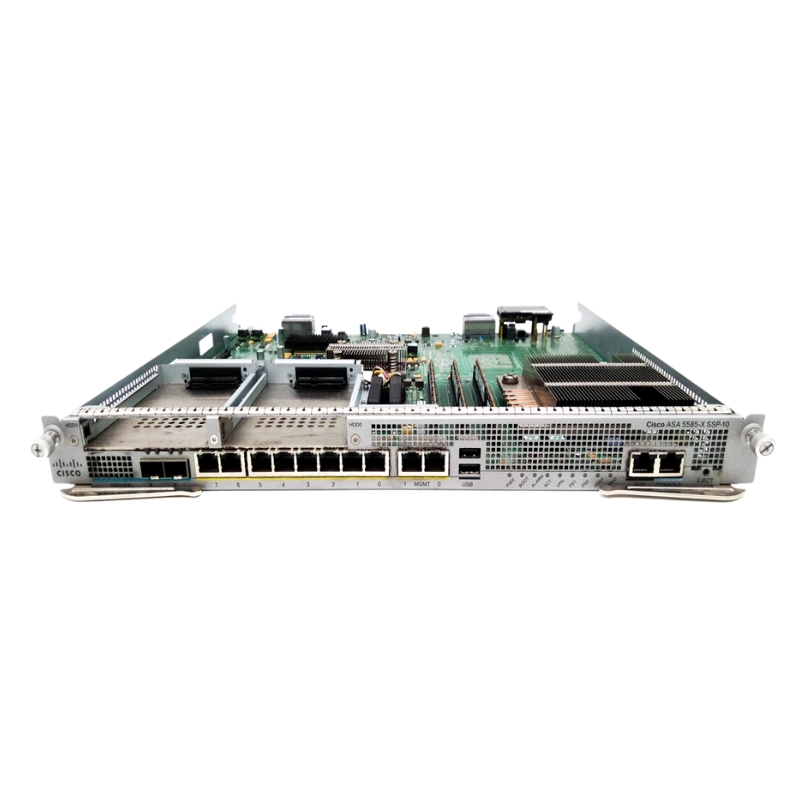


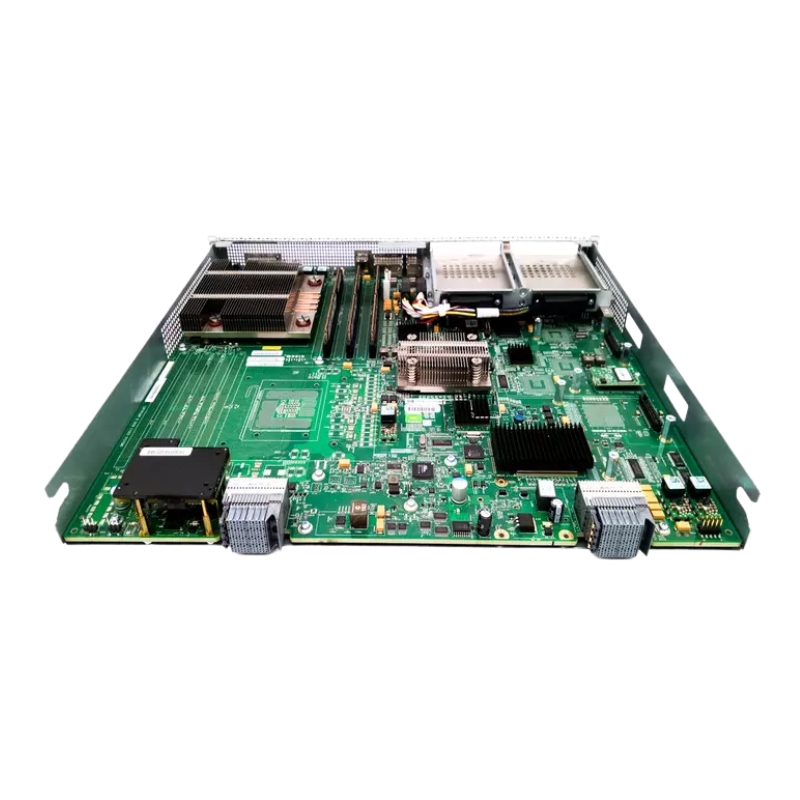
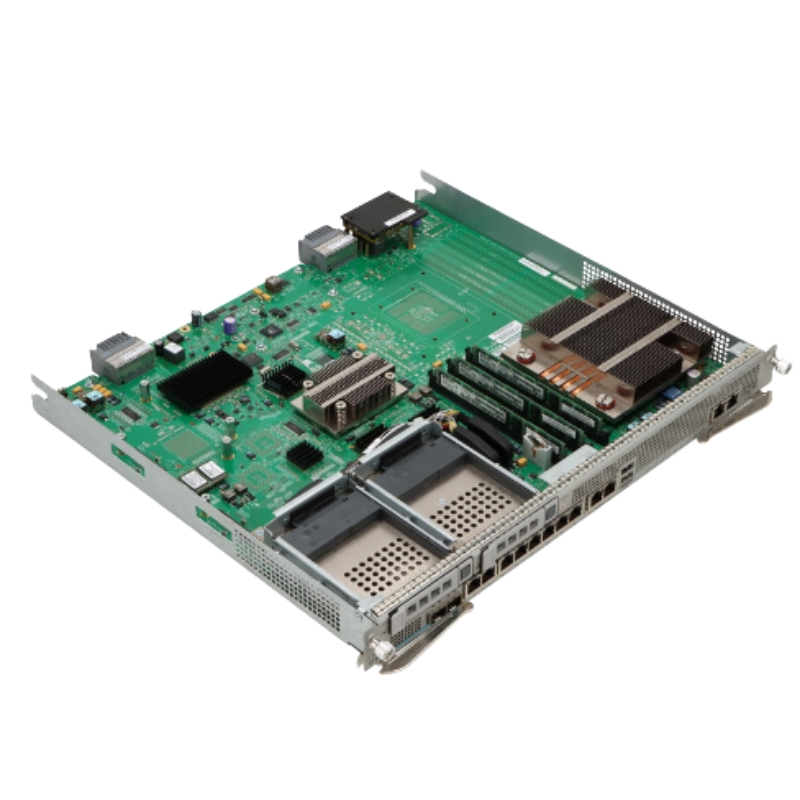
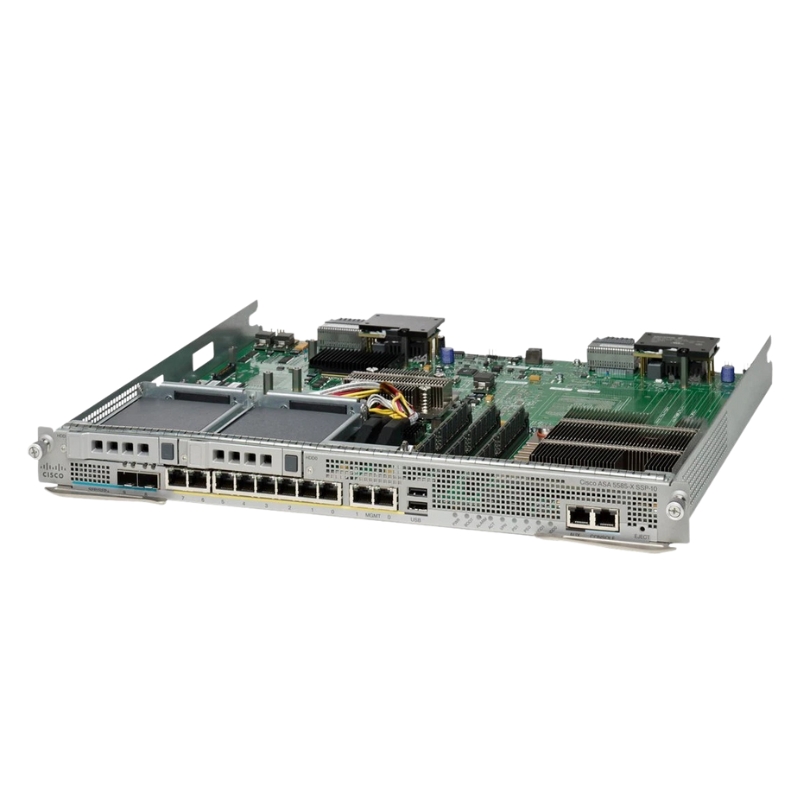
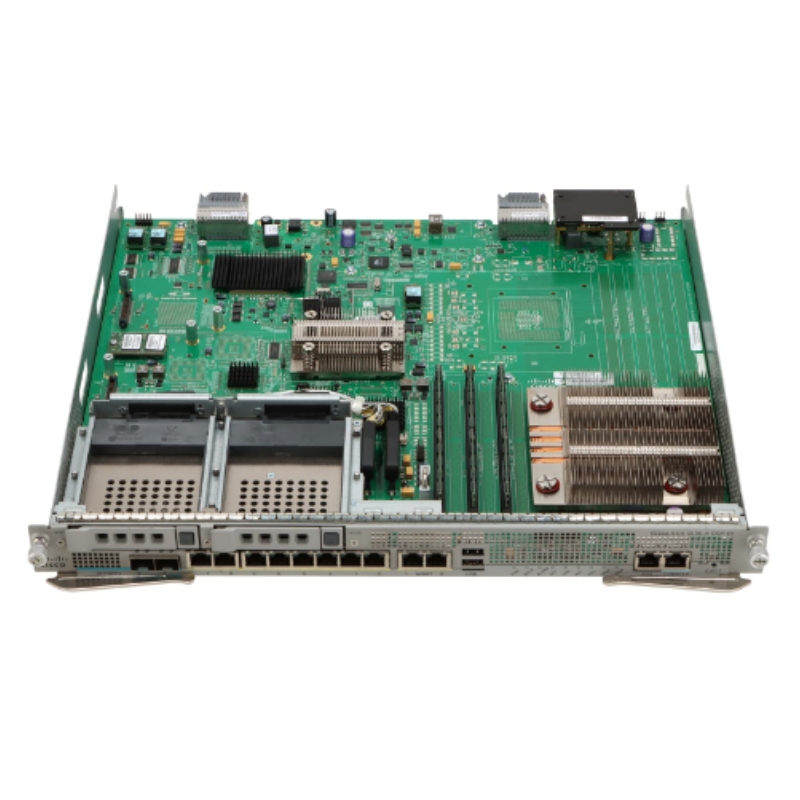
Cisco ASA-SSP-IPS20-K9 SSP-20 Security Services Processor. Excellent Refurbished with 1 year replacement warranty
The Cisco ASA-SSP-IPS20-K9 SSP-20 Security Services Processor is a high-performance security expansion module engineered to strengthen enterprise-level firewall infrastructure with advanced intrusion prevention capabilities. Designed for integration into Cisco’s ASA 5585-X series, this processor delivers enhanced threat detection, optimized traffic handling, and scalable network protection for demanding IT environments. It is built to support organizations requiring robust cybersecurity enforcement, high-speed packet processing, and dependable system resilience in mission-critical deployments.
The Cisco ASA-SSP-IPS20-K9 SSP-20 Security Services Processor represents a specialized hardware module designed to enhance the security capabilities of Cisco Adaptive Security Appliance platforms. It operates as an integrated processing unit that offloads and accelerates advanced threat inspection tasks, allowing the main firewall system to maintain high throughput while simultaneously enforcing deep packet inspection policies. This architecture is particularly valuable in enterprise environments where network traffic volume is consistently high and where security enforcement must remain both fast and highly accurate.
At its core, the SSP-20 module is engineered to support intrusion prevention functions by analyzing network packets in real time. It is tightly integrated with Cisco security appliances, enabling a coordinated approach to traffic filtering, anomaly detection, and policy enforcement. By embedding security intelligence closer to the data path, the processor reduces latency and improves response time when dealing with malicious or suspicious traffic patterns.
The hardware design emphasizes scalability and modularity. Instead of relying solely on software-based inspection, the SSP-20 leverages dedicated processing resources to handle compute-intensive tasks. This approach ensures that even under heavy network loads, the security appliance can maintain consistent performance levels without degrading protection quality.
The internal architecture of the SSP-20 Security Services Processor is built around optimized packet processing engines that are capable of handling multiple inspection workflows simultaneously. These engines are responsible for decoding traffic streams, applying security rules, and forwarding validated packets to their intended destinations. The architecture reduces dependency on general-purpose CPU cycles, freeing system resources for broader firewall and VPN operations.
Memory management within the module is optimized for high-speed packet buffering and session tracking. This allows the processor to maintain context for thousands of simultaneous connections, which is critical in enterprise-scale networks where concurrent sessions can be extremely high. The system is designed to ensure that session continuity is preserved even under peak traffic conditions.
The SSP-20 also incorporates hardware acceleration features that enhance cryptographic processing and pattern matching. These features are essential when dealing with encrypted traffic inspection and signature-based threat detection. By accelerating these operations at the hardware level, the module significantly reduces the computational overhead on the primary firewall system.
One of the defining characteristics of the Cisco ASA-SSP-IPS20-K9 is its integration with intrusion prevention capabilities. The module works in conjunction with Cisco security software to identify and block malicious activity in real time. It analyzes traffic behavior, protocol compliance, and known threat signatures to detect anomalies that may indicate an attack.
The intrusion prevention functionality is designed to operate inline, meaning that traffic is inspected as it flows through the network rather than being analyzed after transmission. This allows the system to block threats before they can reach sensitive internal resources. The SSP-20 ensures that this process occurs with minimal delay, preserving network performance while maintaining strict security enforcement.
The processor supports dynamic updates to threat detection rules, allowing it to adapt to emerging security vulnerabilities. This ensures that the system remains effective against evolving attack techniques, including zero-day exploits and advanced persistent threats. The continuous update mechanism is essential for maintaining long-term security resilience in enterprise environments.
The SSP-20 Security Services Processor performs deep packet inspection by analyzing both packet headers and payload content. This level of inspection allows it to identify hidden threats that may not be detectable through basic filtering methods. It examines application-layer data to ensure that traffic complies with expected behavior patterns.
Unlike traditional firewall systems that rely primarily on port and protocol filtering, the SSP-20 evaluates the context of network sessions. It determines whether traffic behavior aligns with legitimate application use or whether it exhibits characteristics of malicious activity. This contextual analysis significantly enhances detection accuracy.
The processor is capable of handling encrypted traffic inspection workflows, where permitted, by decrypting and analyzing data streams before re-encrypting them for transmission. This ensures that threats hidden within secure channels are not able to bypass network defenses. The ability to inspect encrypted traffic is increasingly important in modern cybersecurity environments.
Enterprise networks require security solutions that do not compromise performance. The SSP-20 module addresses this requirement by distributing processing workloads efficiently across dedicated hardware components. This ensures that high traffic volumes do not result in latency spikes or packet loss.
The processor is optimized for environments with high connection density, such as corporate data centers, service provider infrastructures, and large campus networks. It is capable of maintaining stable throughput even when handling complex security policies and multiple concurrent inspection tasks.
Load balancing mechanisms within the system ensure that processing tasks are distributed evenly. This prevents bottlenecks and allows the firewall system to maintain predictable performance characteristics under varying traffic conditions. The result is a more stable and resilient network security posture.
The Cisco ASA-SSP-IPS20-K9 SSP-20 Security Services Processor is commonly deployed in environments where robust network protection is required alongside high-speed data processing. It is particularly effective in enterprise perimeter security deployments where inbound and outbound traffic must be carefully monitored.
In data center environments, the module supports segmentation and internal traffic monitoring. It helps enforce security policies between different server zones, ensuring that lateral movement of threats is restricted. This is critical in preventing the spread of malware within internal networks.
Service provider networks also benefit from the SSP-20 architecture, as it allows for scalable security enforcement across large numbers of customer connections. The module can handle diverse traffic types while maintaining consistent inspection quality across all sessions.
Security policies within the SSP-20 framework are applied consistently across all inspected traffic. These policies define acceptable communication patterns, authorized applications, and restricted behaviors. The processor enforces these rules in real time as traffic traverses the system.
Policy enforcement is dynamic, allowing administrators to adjust rules based on evolving network requirements. Changes can be propagated without disrupting active sessions, ensuring continuous protection without operational downtime.
The system supports granular control over traffic flows, enabling organizations to define precise security boundaries. This includes application-level filtering, protocol restrictions, and behavior-based controls that enhance overall network governance.
The SSP-20 module is designed to function as part of a broader Cisco security ecosystem. It integrates with firewall management tools, monitoring platforms, and threat intelligence systems to provide a unified security framework. This integration allows for centralized control and visibility across the entire network infrastructure.
Through this ecosystem integration, security events detected by the SSP-20 can be correlated with other network activities. This provides administrators with a comprehensive view of potential threats and enables faster incident response.
The module also supports automated updates and configuration synchronization, ensuring that security policies remain consistent across all connected devices. This reduces administrative overhead and improves operational efficiency.
Reliability is a critical design consideration for the SSP-20 Security Services Processor. The module is built to operate continuously in demanding network environments without interruption. Hardware-level redundancy features help ensure that processing capabilities remain available even in the event of component failures.
The system is engineered to recover gracefully from unexpected conditions, maintaining session integrity and minimizing disruption to network services. This resilience is essential for mission-critical environments where downtime is not acceptable.
Thermal management and power efficiency mechanisms further enhance system stability. The processor is designed to operate within optimal temperature ranges, ensuring consistent performance over extended periods of operation.
The SSP-20 Security Services Processor incorporates advanced threat detection mechanisms that go beyond traditional signature-based approaches. It analyzes traffic behavior patterns to identify anomalies that may indicate sophisticated attacks.
Behavioral analysis allows the system to detect previously unknown threats by identifying deviations from normal network activity. This proactive approach improves protection against emerging cyber threats that have not yet been formally cataloged.
The processor also supports correlation of multiple security indicators, enabling it to identify complex attack sequences that may span multiple network sessions. This enhances its ability to detect coordinated intrusion attempts.
Scalability is a fundamental aspect of the SSP-20 design philosophy. The module is capable of adapting to increasing network demands without requiring significant architectural changes. This makes it suitable for growing organizations that anticipate expanding network traffic volumes.
Future readiness is supported through flexible firmware and software update mechanisms. These updates allow the system to evolve alongside emerging security standards and networking technologies, ensuring long-term relevance in dynamic IT environments.
The modular nature of the processor also supports integration with newer security technologies, allowing organizations to extend their infrastructure without replacing existing hardware components.
Operational efficiency is enhanced through the SSP-20’s ability to offload intensive processing tasks from the main firewall system. This division of labor allows the overall security infrastructure to function more effectively, with each component focusing on its specialized role.
By reducing computational strain on general-purpose processors, the module helps extend the lifespan of existing hardware while improving overall system responsiveness. This results in a more cost-effective security deployment strategy.
The efficiency gains also translate into improved user experience, as legitimate traffic experiences fewer delays and disruptions during inspection processes.


 Contact Us
 Information
 Catalog
 Solid State Drives (SSD)
 Network Switches
 Hard Disk Drives
 HBA & Controllers
 PC & Servers
 PC & Server Memory
 CPU & Processors
 Network Routers
 Power Supplies
 Tape Drives & Libraries
 Network Devices
 Computer & Network Cables