(7% discount is applied at checkout)
Cart is empty
Your go-to destination for cutting-edge server products
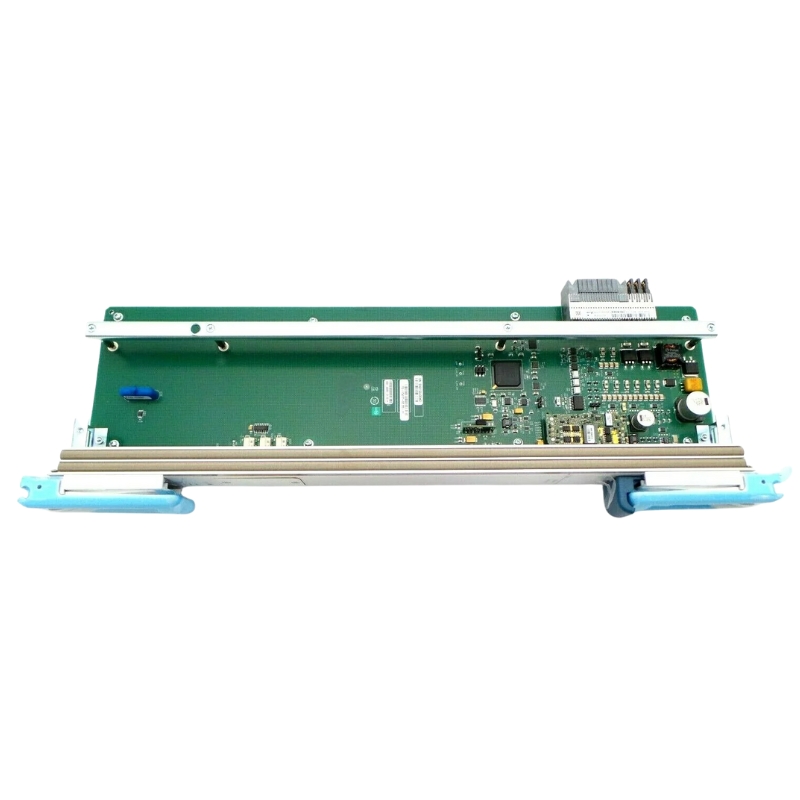


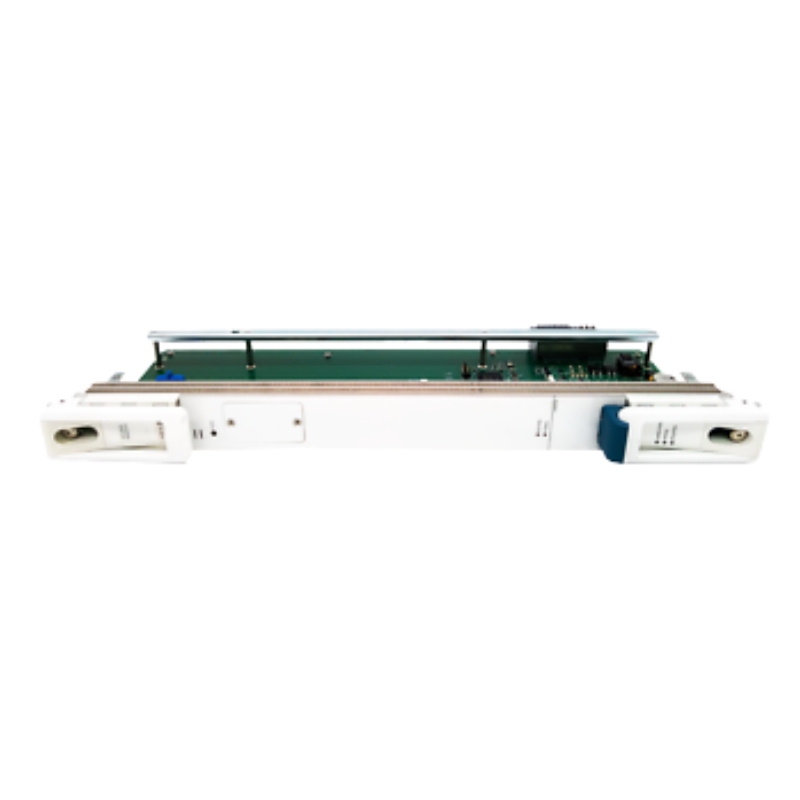
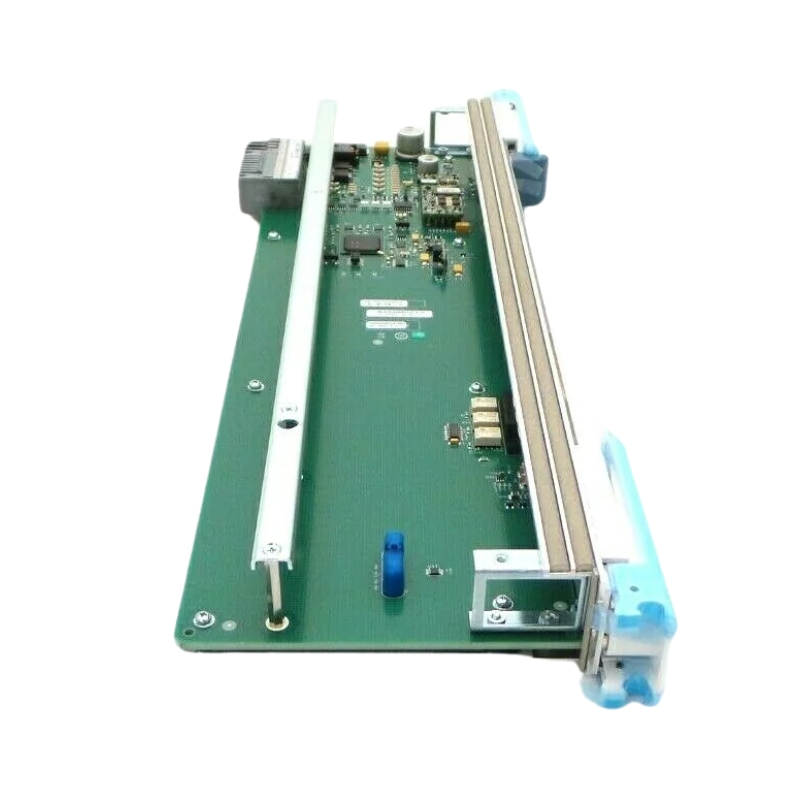
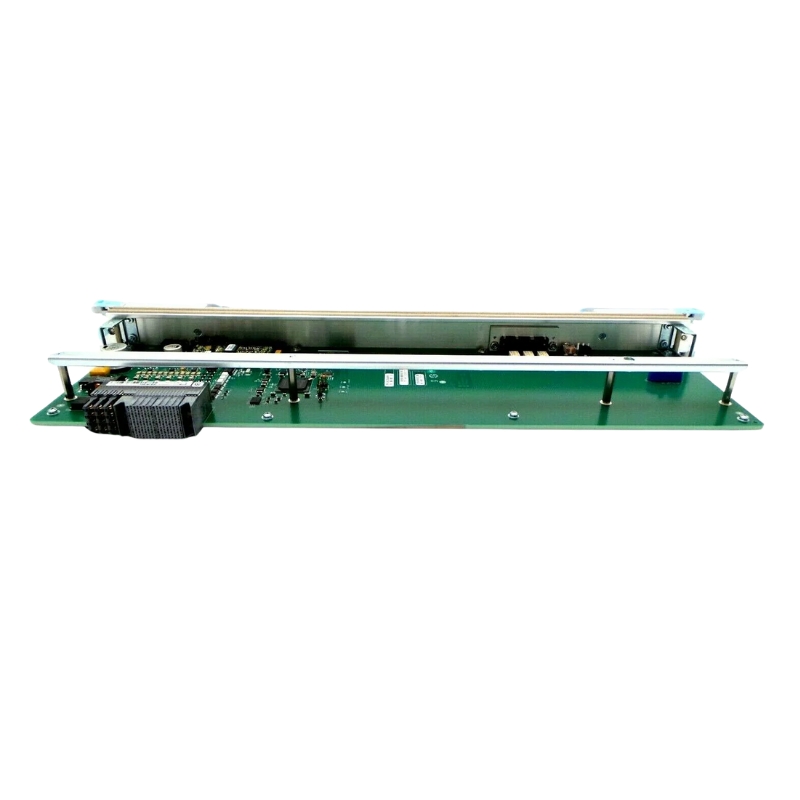
Cisco ASR55-UDPC2-K9 ASR5500 Universal Data Processing Card. Excellent Refurbished with 1 year replacement warranty
The Cisco ASR55-UDPC2-K9 ASR5500 Universal Data Processing Card is a high-performance carrier-class networking component engineered to accelerate intelligent traffic handling, optimize data throughput, and enhance packet processing efficiency within advanced telecom infrastructures. Designed for scalable network environments, this module supports seamless high-volume data management, enabling service providers to maintain stable performance under heavy workload conditions while ensuring reliable and secure data routing across core network systems.
The Cisco ASR55-UDPC2-K9 ASR5500 Universal Data Processing Card represents a high capacity processing component engineered for advanced service provider network environments that require deep packet inspection, subscriber aware processing, high throughput data handling, and adaptive traffic intelligence within next generation mobile and fixed line infrastructures. As part of the broader ecosystem developed by Cisco, this universal processing module integrates seamlessly into ASR 5500 series platforms to enhance control plane efficiency, user plane acceleration, and service orchestration capabilities across complex telecom deployments.
This category of hardware is designed to meet the evolving requirements of mobile core networks, broadband aggregation systems, cloud based telecom infrastructure, and converged IP service environments. The UDPC architecture focuses on distributed processing, allowing network operators to offload computationally intensive tasks from central routing engines and distribute them across specialized processing cards optimized for parallel execution and deterministic throughput.
The ASR5500 Universal Data Processing Card is built around a scalable packet processing framework capable of handling large volumes of concurrent sessions with minimal latency variation. The architecture is optimized for both small packet and large flow environments, ensuring consistent performance across voice, video, and data traffic types. The processing subsystem is designed to manage millions of simultaneous flows while maintaining session awareness and service classification accuracy.
This capability is particularly important in modern telecommunications environments where traffic is no longer homogeneous. Applications such as real time communications, streaming media, mobile broadband, and machine to machine communication require intelligent handling at the packet level. The UDPC provides a hardware accelerated environment that reduces dependency on general purpose processing and ensures consistent service delivery even under peak network load conditions.
The distributed processing model implemented in the UDPC architecture allows workload balancing across multiple hardware elements within the ASR 5500 chassis. Each processing card operates as an autonomous compute node responsible for handling specific subsets of traffic flows. This design increases scalability while improving fault isolation and operational resilience.
Network operators benefit from a modular scaling approach where additional processing capacity can be introduced without redesigning the core network architecture. This model supports incremental growth aligned with subscriber expansion, traffic surges, and service diversification strategies.
Deep packet inspection capabilities form a critical component of the ASR55-UDPC2-K9 functionality. The system is capable of analyzing packet payloads beyond basic header information, enabling identification of application types, service categories, and behavioral traffic patterns. This level of visibility is essential for modern service provider networks that require granular control over traffic engineering and policy enforcement.
The UDPC enables classification of encrypted and non encrypted traffic flows using behavioral signatures and metadata correlation techniques. This allows operators to apply service policies based on application behavior rather than relying solely on port based identification methods, which are increasingly ineffective in modern encrypted environments.
Application awareness is a core requirement for intelligent network operation. The UDPC enables real time classification of application flows and supports dynamic policy enforcement based on service type, subscriber profile, and network conditions. This ensures consistent quality of experience across diverse application categories including streaming services, enterprise communication tools, gaming traffic, and IoT data streams.
Policy enforcement mechanisms operate at line rate, ensuring that traffic shaping, prioritization, and routing decisions do not introduce additional latency. This is critical for latency sensitive applications where performance degradation directly impacts user experience and service reliability.
The ASR5500 Universal Data Processing Card is widely deployed within mobile packet core environments where it supports critical functions such as gateway processing, session management, and subscriber mobility handling. Mobile networks require highly optimized packet processing systems capable of managing dynamic session states and rapid handover events between network nodes.
The UDPC supports scalable mobile broadband infrastructure by enabling efficient handling of GPRS, LTE, and evolving 5G core workloads. It ensures that subscriber sessions remain stable even during high mobility scenarios and network transitions.
Session management is a fundamental requirement in mobile core architecture. The UDPC maintains detailed session state information for each active subscriber connection. This allows seamless continuity of service even as subscribers move between access points, base stations, or geographic regions.
State awareness enables accurate tracking of data usage, policy application, and service quality parameters. This contributes to improved billing accuracy, enhanced customer experience, and more efficient network resource allocation.
Modern telecommunications infrastructure is increasingly transitioning toward cloud native and virtualized architectures. The ASR55-UDPC2-K9 supports this transformation by providing adaptable processing capabilities that align with containerized network functions and virtualized network services.
The integration of hardware accelerated processing with software defined networking principles allows operators to deploy flexible service architectures that can scale dynamically based on demand. This hybrid approach combines the performance benefits of specialized hardware with the agility of cloud based deployment models.
The UDPC plays a significant role in supporting virtualized network function environments by offloading compute intensive packet processing tasks from virtual machines and software instances. This ensures that virtualized services can maintain performance levels comparable to dedicated hardware deployments.
This synergy between hardware acceleration and virtualization enables telecom operators to reduce operational costs while maintaining high service quality standards. It also simplifies service orchestration and lifecycle management across distributed infrastructure environments.
Carrier grade environments demand extremely high levels of availability and fault tolerance. The ASR5500 UDPC architecture incorporates redundancy mechanisms that ensure continuous operation even in the event of hardware or software anomalies. Multiple processing cards can operate in parallel, allowing seamless failover and load redistribution.
This redundancy model is essential for maintaining uninterrupted service delivery in critical communication networks. Service providers rely on consistent uptime to support voice services, emergency communications, enterprise connectivity, and large scale data transmission systems.
Fault isolation capabilities within the UDPC framework ensure that localized failures do not propagate across the entire system. Each processing module operates independently, allowing the system to isolate issues and maintain operational continuity across unaffected components.
Recovery mechanisms are designed to reallocate workloads dynamically, restoring full processing capacity without requiring manual intervention. This reduces downtime and enhances overall system resilience in production environments.
Traffic management is a critical function within high density network environments. The ASR55-UDPC2-K9 enables granular control over bandwidth allocation, traffic prioritization, and congestion handling. This ensures optimal utilization of available network resources while maintaining consistent quality of experience for end users.
Quality control mechanisms operate at multiple layers of the network stack, allowing operators to enforce service level agreements across diverse application types and subscriber categories. This ensures fairness in resource allocation while supporting premium service tiers where required.
Network congestion can significantly impact service quality if not managed effectively. The UDPC incorporates intelligent load optimization techniques that redistribute traffic flows based on real time network conditions. This ensures that critical services maintain priority access to network resources during periods of high demand.
Load optimization strategies help prevent packet loss, reduce latency variation, and maintain stable throughput across all active sessions.
Security is an integral component of modern network infrastructure. The ASR5500 UDPC supports advanced security processing capabilities that help identify and mitigate potential threats within network traffic flows. These capabilities include anomaly detection, protocol validation, and behavioral analysis.
Security processing is integrated directly into the packet handling pipeline, ensuring that threat detection occurs in real time without introducing processing delays. This enables proactive mitigation strategies that protect both network infrastructure and end user data.
With increasing adoption of encrypted communication protocols, visibility into network traffic has become more challenging. The UDPC addresses this challenge by utilizing metadata analysis and behavioral profiling to identify potential security risks within encrypted flows without compromising data integrity.
This approach enables service providers to maintain security oversight while respecting privacy and encryption standards required by modern communication protocols.
The ASR5500 Universal Data Processing Card is widely used across service provider networks where high throughput, session awareness, and service intelligence are required. Its flexibility allows deployment across mobile core networks, broadband aggregation points, and edge processing environments.
Service providers rely on this technology to deliver scalable connectivity solutions to millions of subscribers while maintaining consistent service quality and operational efficiency.
In broadband aggregation environments, the UDPC supports efficient traffic consolidation from multiple access networks. It enables service providers to manage large volumes of subscriber traffic while maintaining visibility and control over individual session behavior.
This supports high speed internet services, enterprise connectivity solutions, and managed network offerings delivered across diverse geographic regions.
The ongoing evolution of mobile networks toward advanced architectures requires adaptable processing infrastructure. The UDPC supports this evolution by enabling compatibility with emerging network standards, increased data rates, and more complex service models.
It provides the foundation for scalable mobile network expansion while supporting next generation communication technologies and service innovations.
The ASR55-UDPC2-K9 ASR5500 Universal Data Processing Card is designed to support future network architectures that demand high scalability, intelligent traffic handling, and adaptive service delivery models. Its modular and programmable architecture ensures compatibility with evolving communication standards and emerging service requirements.
This makes it a critical component in long term infrastructure planning for service providers seeking to maintain competitive advantage in rapidly evolving telecommunications environments.


 Contact Us
 Information
 Catalog
 Solid State Drives (SSD)
 Network Switches
 Hard Disk Drives
 HBA & Controllers
 PC & Servers
 PC & Server Memory
 CPU & Processors
 Network Routers
 Power Supplies
 Tape Drives & Libraries
 Network Devices
 Computer & Network Cables