(7% discount is applied at checkout)
Cart is empty
Your go-to destination for cutting-edge server products
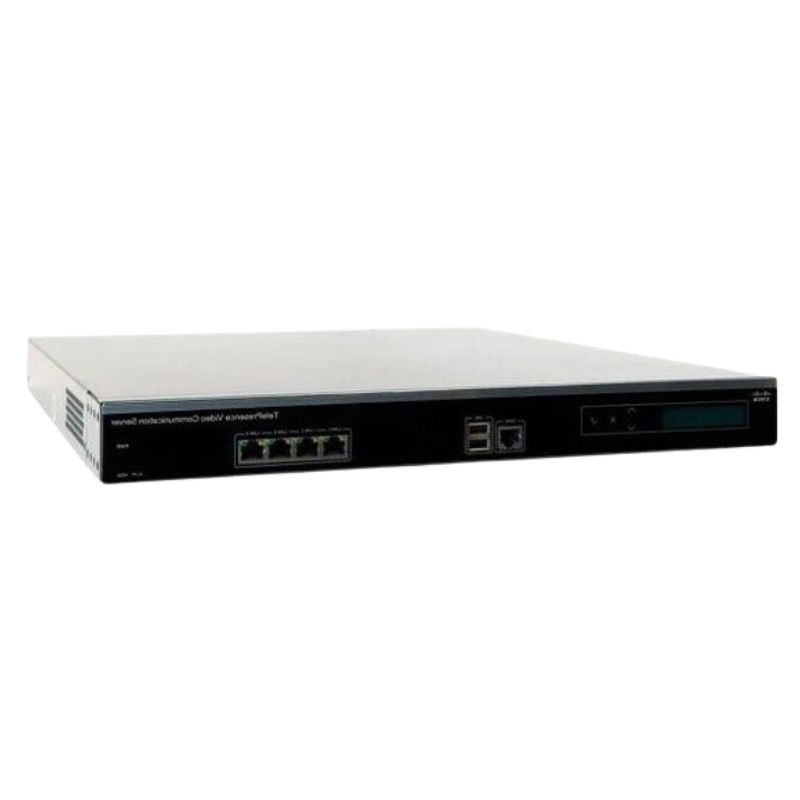


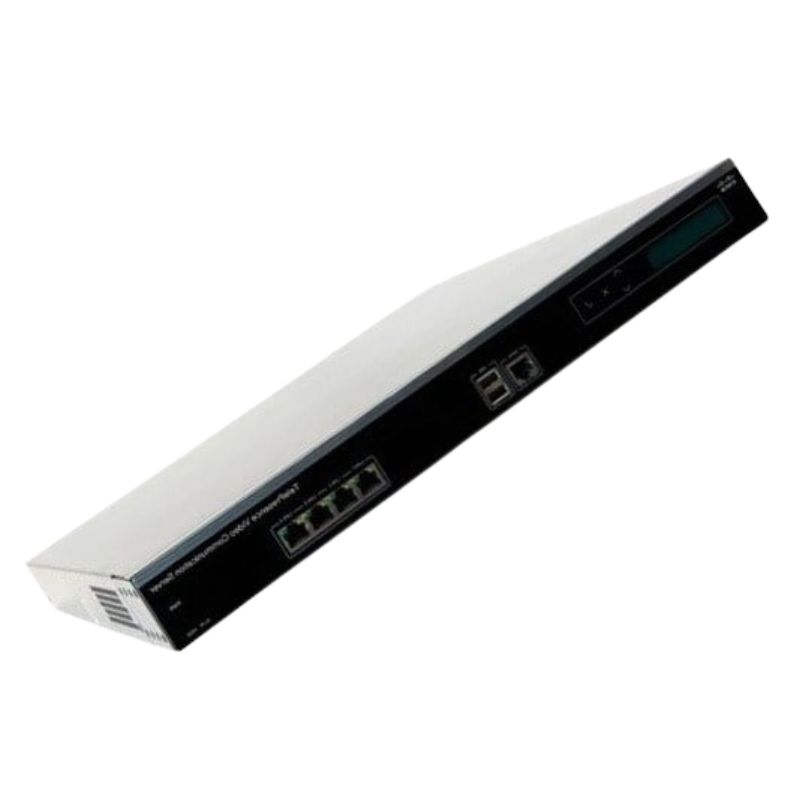
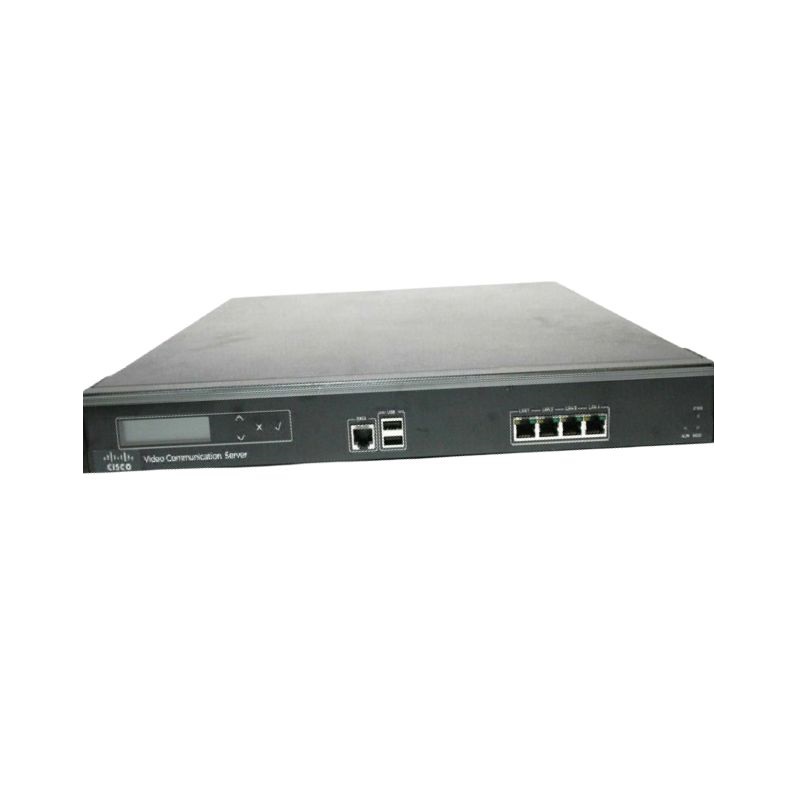
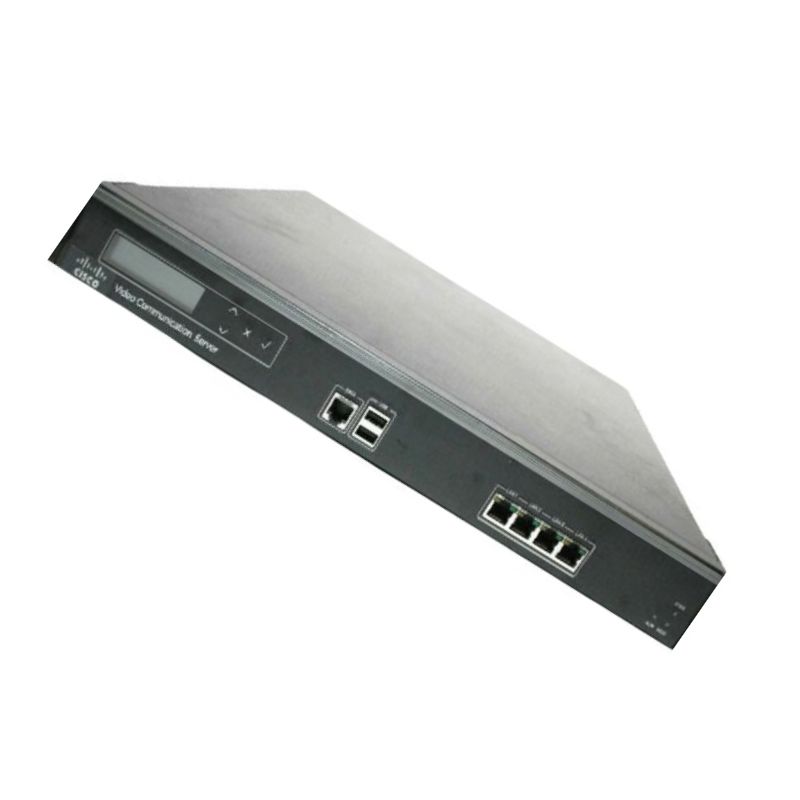
Cisco EXPWY-E-BDL-K9 Expressway-E Appliance Gigabit Ethernet. Excellent Refurbished with 1 year replacement warranty
The EXPWY-E-BDL-K9 Cisco Expressway-E Gigabit Ethernet Security Appliance belongs to a highly specialized class of enterprise-grade network edge solutions designed to enable secure external communication for collaboration environments. this appliance is engineered to act as a secure traversal point for real-time communications such as voice, video, and messaging across organizational boundaries.
Positioned at the edge of corporate networks, the Expressway-E plays a critical role in enabling secure connectivity between internal collaboration infrastructure and external endpoints over the internet. It is widely used in conjunction with Expressway-C systems to provide firewall traversal, secure remote access, and business-to-business communication capabilities without requiring VPN-based connectivity for every session.
The architecture of the EXPWY-E-BDL-K9 is centered on delivering secure, scalable, and high-performance communication traversal. Unlike traditional security appliances that focus solely on packet filtering or intrusion prevention, this device is purpose-built for real-time communication protocols such as SIP (Session Initiation Protocol) and H.323.
The Expressway-E operates in a demilitarized zone (DMZ) environment, forming a hardened boundary between internal collaboration systems and external networks. Its security model emphasizes controlled session initiation, encrypted media relay, and strict authentication policies to ensure that only validated communication sessions are allowed to traverse into protected environments.
One of the defining architectural strengths of the Expressway-E platform is its strict separation of internal and external signaling paths. Internal systems, typically managed by Expressway-C, handle enterprise authentication and service discovery, while the Expressway-E handles inbound and outbound traversal traffic from external users, partners, and remote endpoints.
The EXPWY-E-BDL-K9 is equipped with Gigabit Ethernet interfaces that enable high-throughput handling of multimedia traffic. This is essential in modern enterprise environments where high-definition video conferencing, real-time collaboration tools, and cloud-based communication platforms demand low latency and consistent bandwidth.
The appliance is optimized to handle encrypted media streams efficiently, minimizing jitter and packet loss. Through hardware-assisted processing and software-level optimization, it ensures that video conferencing sessions maintain quality even under variable network conditions.
In large-scale deployments, multiple Expressway-E nodes can be deployed in a clustered architecture to distribute load and enhance redundancy. This ensures consistent performance for enterprises supporting thousands of concurrent remote connections.
One of the primary functions of the EXPWY-E-BDL-K9 Cisco Expressway-E is to facilitate seamless firewall traversal without compromising security. Traditional communication systems often struggle with NAT (Network Address Translation) and firewall restrictions, which can block inbound connections and disrupt real-time communication services.
The Expressway-E is designed to intelligently handle SIP and H.323 signaling protocols, enabling secure traversal through firewalls without requiring open inbound ports for internal systems. This significantly reduces the attack surface while maintaining full communication functionality.
The system uses traversal zones to define communication boundaries and enforce strict policy control over incoming and outgoing sessions. Administrators can configure rules that determine which external domains, endpoints, or services are permitted to establish connections.
The EXPWY-E-BDL-K9 plays a crucial role in enabling Mobile and Remote Access (MRA), allowing users to securely connect to enterprise collaboration services from outside the corporate network without requiring a VPN client.
Remote users can access services such as instant messaging, voice calls, video conferencing, and directory services through encrypted channels. The Expressway-E ensures that authentication requests are securely relayed to internal systems while maintaining strict session isolation.
The platform supports a wide range of endpoints including IP phones, desktop video conferencing systems, mobile devices, and soft clients. This flexibility ensures that organizations can adopt a unified communication strategy across diverse hardware and software ecosystems.
Another major function of the Cisco Expressway-E appliance is enabling secure B2B communications between separate organizations. This is particularly important for enterprises that collaborate frequently with partners, suppliers, and external stakeholders.
The Expressway-E supports federated communication models that allow organizations to establish secure trust relationships. These relationships enable seamless video conferencing and messaging without requiring full network integration.
Administrators can define domain-based routing policies that determine how external communication requests are handled. This ensures that only trusted domains can initiate or receive communication sessions through the system.
Security is a foundational component of the EXPWY-E-BDL-K9 Cisco Expressway-E. The appliance incorporates multiple layers of encryption and authentication to ensure that all communication is protected against interception, tampering, and unauthorized access.
Transport Layer Security (TLS) is used extensively to encrypt signaling traffic between endpoints and the Expressway-E. This ensures that call setup, authentication, and session management processes remain confidential and secure.
In addition to signaling encryption, the platform supports encrypted media streams using secure RTP (SRTP). This guarantees that audio and video data cannot be intercepted or decoded by unauthorized parties during transmission.
The system integrates with enterprise identity providers to validate user credentials before allowing access to communication services. Multi-layer authentication policies can be enforced to further strengthen security.
Enterprise environments require continuous availability of communication services, and the EXPWY-E-BDL-K9 is designed with redundancy and failover mechanisms to support uninterrupted operation.
Multiple Expressway-E appliances can be deployed in a clustered configuration, allowing load balancing and automatic failover in case of hardware or network failures.
Organizations with global operations can deploy geographically distributed Expressway-E nodes to ensure that users are always routed to the nearest available instance, reducing latency and improving reliability.
The Cisco Expressway-E is deeply integrated into broader unified communications infrastructures, working in tandem with call control systems, conferencing platforms, and directory services.
It integrates seamlessly with call control systems to manage session routing, call admission control, and endpoint registration across internal and external networks.
The appliance supports integration with enterprise directory services, enabling user authentication, contact lookup, and policy enforcement based on organizational roles.
To ensure optimal performance, the Expressway-E employs advanced traffic engineering techniques that prioritize real-time communication traffic over less time-sensitive data.
QoS policies ensure that voice and video traffic receive priority handling across congested networks, reducing latency and improving user experience.
The system dynamically adjusts bandwidth allocation based on network conditions, ensuring stable communication even under fluctuating internet performance.
The EXPWY-E-BDL-K9 Cisco Expressway-E is deployed across a wide range of enterprise scenarios, from multinational corporations to government agencies and educational institutions.
With the rise of hybrid work environments, the Expressway-E enables secure access to enterprise communication tools from remote locations without compromising network security.
Organizations operating across multiple regions rely on Expressway-E to facilitate seamless communication between geographically distributed teams and external partners.
Enterprises use the platform to power customer engagement solutions such as video-based support, remote troubleshooting, and virtual consultations.
Managing the EXPWY-E-BDL-K9 involves configuring traversal zones, security policies, DNS settings, and certificate management to ensure secure and efficient operation.
Administrators are responsible for managing SSL/TLS certificates to ensure secure communication channels remain valid and trusted across all endpoints.
As enterprise communication continues to evolve toward cloud-based and hybrid architectures, the Cisco Expressway-E platform remains a foundational component for secure edge connectivity. Its ability to bridge on-premises systems with external networks ensures long-term relevance in modern IT infrastructures.


 Contact Us
 Information
 Catalog
 Solid State Drives (SSD)
 Network Switches
 Hard Disk Drives
 HBA & Controllers
 PC & Servers
 PC & Server Memory
 CPU & Processors
 Network Routers
 Power Supplies
 Tape Drives & Libraries
 Network Devices
 Computer & Network Cables