(7% discount is applied at checkout)
Cart is empty
Your go-to destination for cutting-edge server products
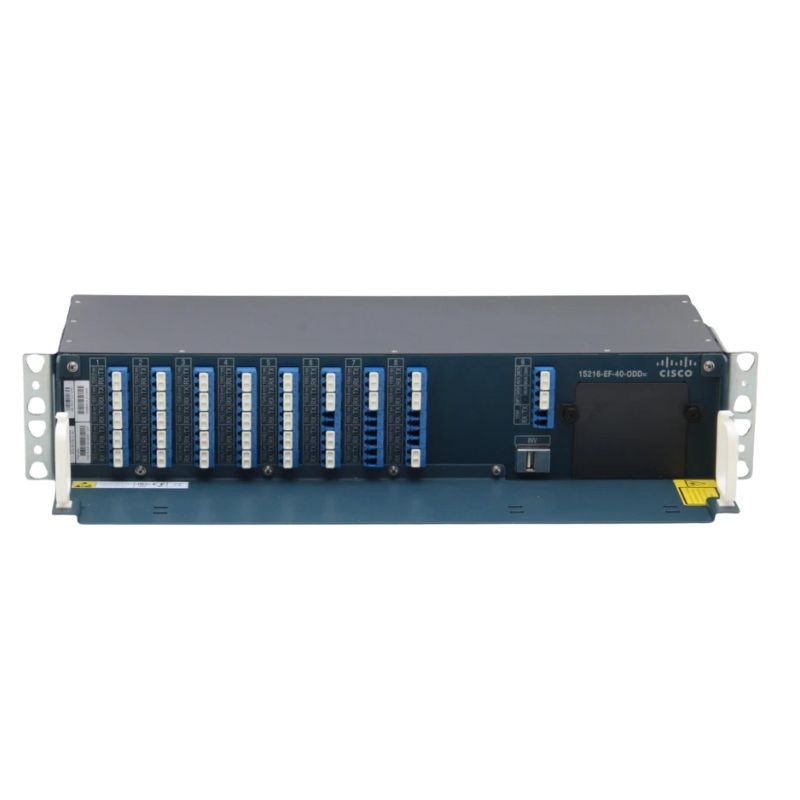


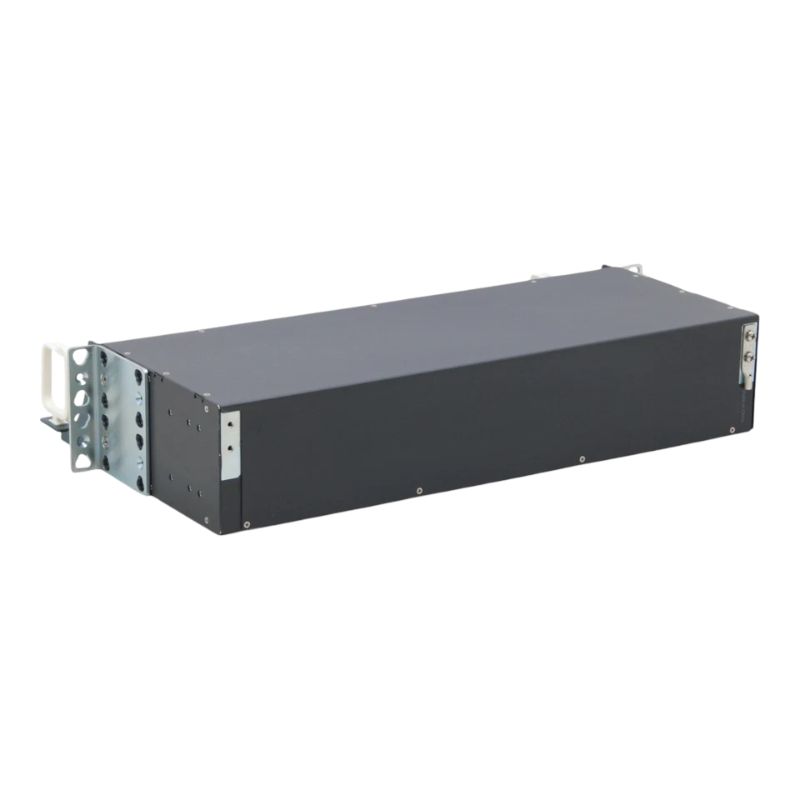
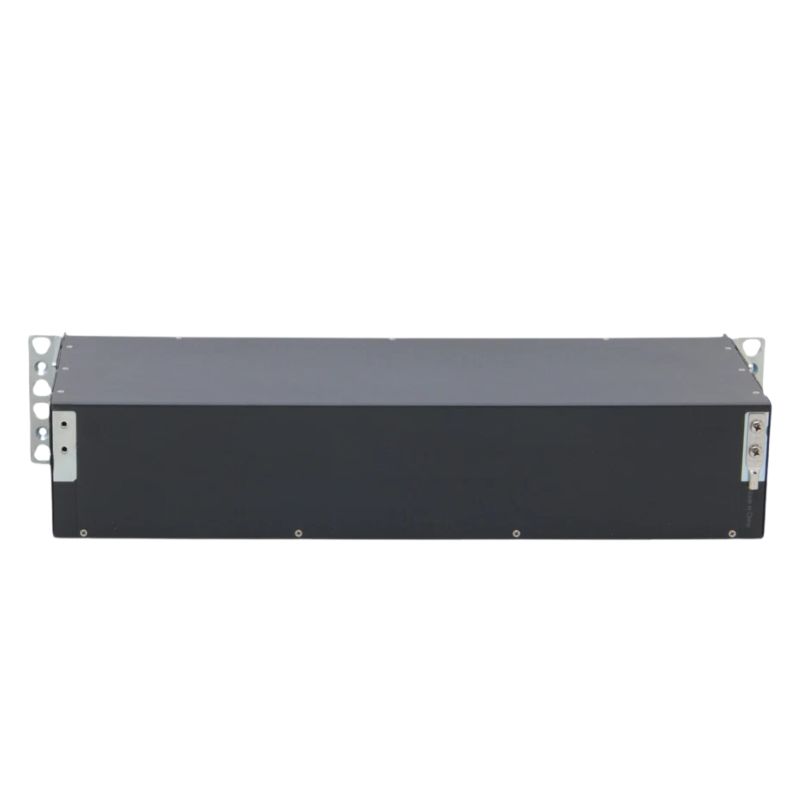
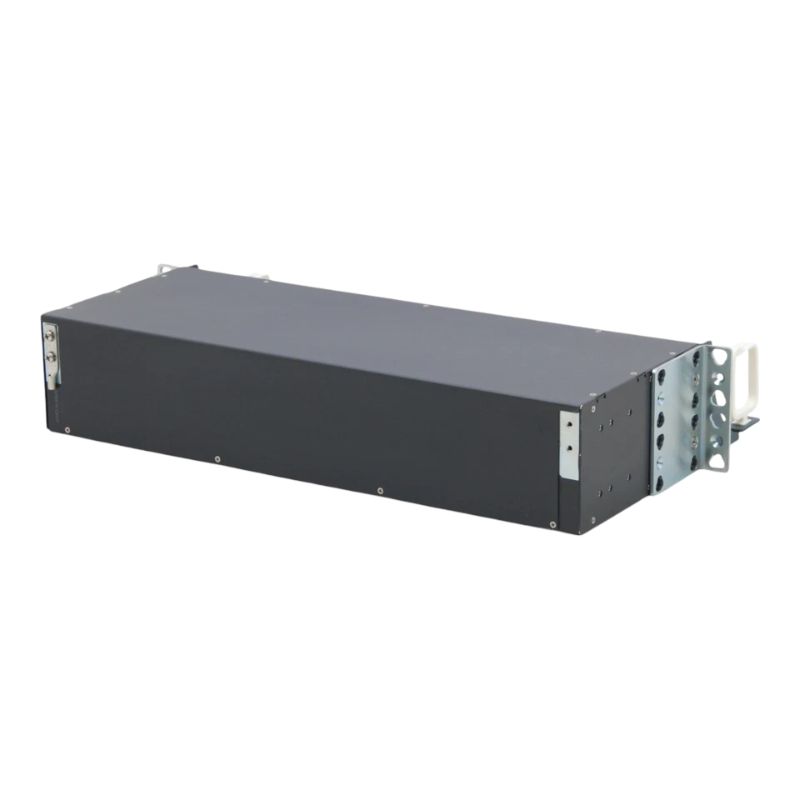
Cisco 15216-MD-40-ODD ONS 15216 Network Patch Panel. Excellent Refurbished with 1 year replacement warranty
The Cisco 15216-MD-40-ODD ONS 15216 Network Patch Panel is a high-performance optical networking component designed for dense wavelength division multiplexing (DWDM) environments. It delivers passive, reliable, and scalable optical channel management for modern fiber-optic infrastructure, making it ideal for carrier-grade telecom and enterprise backbone networks.
The Cisco 15216-MD-40-ODD ONS 15216 Network Patch Panel represents a specialized optical networking component designed for high-density fiber distribution, wavelength management, and structured optical connectivity within carrier-grade telecommunication environments. This category is associated with advanced optical transport systems built to support dense wavelength division multiplexing (DWDM) infrastructures, enabling service providers and enterprise networks to efficiently manage fiber optic routing, patching, and signal distribution across complex backbone and metro networks. The design philosophy behind this network patch panel aligns with scalable optical transport requirements where precision, minimal signal loss, and modular expandability are critical factors.
As part of the broader optical networking ecosystem developed by Cisco, this product category is engineered to integrate seamlessly into Optical Network System (ONS) architectures, particularly those deployed in long-haul, metro ring, and core aggregation layers. Its role is to provide structured fiber termination and cross-connection capabilities while maintaining signal integrity across multiple optical channels. The Cisco 15216 series is widely recognized for its robust mechanical structure, high port density, and optimized wavelength handling capabilities in the 1546.12 to 1548.51 nm spectrum range.
The Cisco 15216-MD-40-ODD network patch panel is constructed using a modular framework that allows operators to manage optical connections with precision and flexibility. The internal architecture supports dense fiber routing configurations where multiple optical channels are terminated, organized, and redirected without compromising signal performance. The modularity ensures that the patch panel can be integrated into evolving optical infrastructures without requiring major redesign of existing fiber layouts.
The mechanical enclosure of the patch panel is designed for rack-mount deployment within standard telecom racks, ensuring compatibility with carrier-grade infrastructure environments. High-density port architecture allows a large number of optical fibers to be organized in a compact footprint, reducing physical space requirements while increasing operational efficiency. This structural design minimizes fiber congestion and enhances accessibility for maintenance and network expansion tasks.
A key element of the design is maintaining optical path integrity. The patch panel minimizes insertion loss and reflection by utilizing precision-engineered connectors and fiber alignment mechanisms. Signal management is achieved through controlled routing channels that preserve wavelength stability across long-distance transmission systems. This is particularly important in DWDM networks where even minor signal degradation can impact overall transmission quality.
The Cisco 15216-MD-40-ODD patch panel is specifically optimized for Dense Wavelength Division Multiplexing systems, which allow multiple optical signals to be transmitted simultaneously over a single fiber strand. This capability significantly increases network capacity without requiring additional physical fiber deployment. The system supports precise wavelength separation, ensuring minimal cross-channel interference and maintaining high transmission fidelity.
Operating within the 1546.12 to 1548.51 nm wavelength band, this patch panel is designed for specialized optical channel allocation within dense transmission environments. This range is particularly useful in high-capacity backbone networks where efficient spectrum utilization is critical. The system ensures that each optical channel is properly aligned and distributed to reduce attenuation and maintain consistent signal strength across long distances.
Efficient signal routing is achieved through carefully engineered internal pathways that reduce signal reflection and scattering. The architecture ensures that optical signals maintain directional stability, which is essential for maintaining network reliability in multi-node optical transport systems. This routing efficiency contributes to lower operational overhead and improved network uptime.
The Cisco 15216-MD-40-ODD patch panel is widely deployed in metro optical rings and long-haul transport systems where high-capacity fiber management is essential. In metro environments, it facilitates efficient traffic aggregation between central offices and distribution nodes. In long-haul deployments, it supports stable optical signal transmission across extended distances with minimal degradation.
Within core network architectures, the patch panel serves as a critical interconnection point for optical switches, multiplexers, and transponders. It ensures that optical signals are properly distributed across backbone infrastructures, enabling seamless communication between data centers, service provider hubs, and enterprise network nodes.
In modern data center environments, high-speed optical connectivity is essential for cloud computing, virtualization, and large-scale data processing. The Cisco 15216 patch panel supports structured fiber management within these environments, allowing efficient inter-rack and inter-facility optical communication with minimal latency and high throughput reliability.
Effective fiber management is essential for maintaining system reliability. The patch panel provides structured pathways for fiber entry and exit, reducing strain on connectors and preventing physical damage to optical cables. This structured approach ensures long-term durability and reduces maintenance complexity.
The layout of the patch panel is designed for accessibility, enabling network engineers to perform routine maintenance, reconfiguration, and troubleshooting without disrupting active network traffic. This accessibility is critical in environments where uptime is a priority and service interruptions must be minimized.
One of the primary performance characteristics of the Cisco 15216 patch panel is its low insertion loss design. This ensures that optical signals pass through the system with minimal attenuation, preserving signal quality even across multiple connection points. This characteristic is essential for maintaining high-performance optical transport systems.
The system is engineered to reduce optical reflection and crosstalk, which are common issues in dense fiber environments. By minimizing these disruptions, the patch panel ensures clean signal transmission and reduces the likelihood of data errors or signal degradation.
The patch panel is built to withstand a range of environmental conditions commonly found in telecom facilities. Thermal stability ensures that optical performance remains consistent even under fluctuating temperature conditions, contributing to overall network reliability and operational consistency.
The Cisco 15216-MD-40-ODD patch panel supports incremental network expansion, allowing operators to scale optical infrastructure as demand increases. This scalability is particularly important in environments experiencing rapid data growth and increasing bandwidth requirements.
The patch panel integrates seamlessly with optical transport systems, including multiplexers, demultiplexers, and transponder units. This integration enables flexible network design strategies where capacity and routing can be adjusted dynamically without major infrastructure overhauls.
Designed with long-term network evolution in mind, the system supports future optical standards and evolving wavelength management techniques. This ensures that infrastructure investments remain relevant as optical networking technologies advance.
Regular inspection of fiber connections within the patch panel ensures sustained performance and early detection of potential issues. Maintenance procedures focus on verifying connector integrity, cleaning optical interfaces, and ensuring proper fiber alignment.
In service provider environments, the patch panel plays a vital role in managing backbone fiber connectivity, enabling efficient routing of high-volume traffic between network nodes and regional hubs.
Large enterprises utilize this category of patch panel to manage internal optical networks connecting multiple facilities, campuses, and data centers. It ensures reliable communication across distributed IT infrastructures.
With the growth of cloud computing and high-bandwidth applications, the need for stable optical infrastructure has increased significantly. The Cisco 15216-MD-40-ODD supports these environments by ensuring consistent high-speed data transmission and efficient fiber utilization.
The Cisco 15216-MD-40-ODD ONS patch panel is part of a larger ecosystem of optical networking solutions developed by Cisco, a globally recognized leader in networking technologies. The integration capabilities of this system allow it to function cohesively within multi-vendor environments while maintaining compatibility with Cisco optical transport hardware and management systems. This ensures streamlined deployment and operational consistency across complex network architectures.
The engineering standards applied in this category reflect Cisco’s long-standing commitment to reliability, scalability, and performance optimization in telecommunications infrastructure. The system is designed not only for current network demands but also for future scalability requirements, making it a strategic component in long-term optical network planning.


 Contact Us
 Information
 Catalog
 Solid State Drives (SSD)
 Network Switches
 Hard Disk Drives
 HBA & Controllers
 PC & Servers
 PC & Server Memory
 CPU & Processors
 Network Routers
 Power Supplies
 Tape Drives & Libraries
 Network Devices
 Computer & Network Cables