(7% discount is applied at checkout)
Cart is empty
Your go-to destination for cutting-edge server products
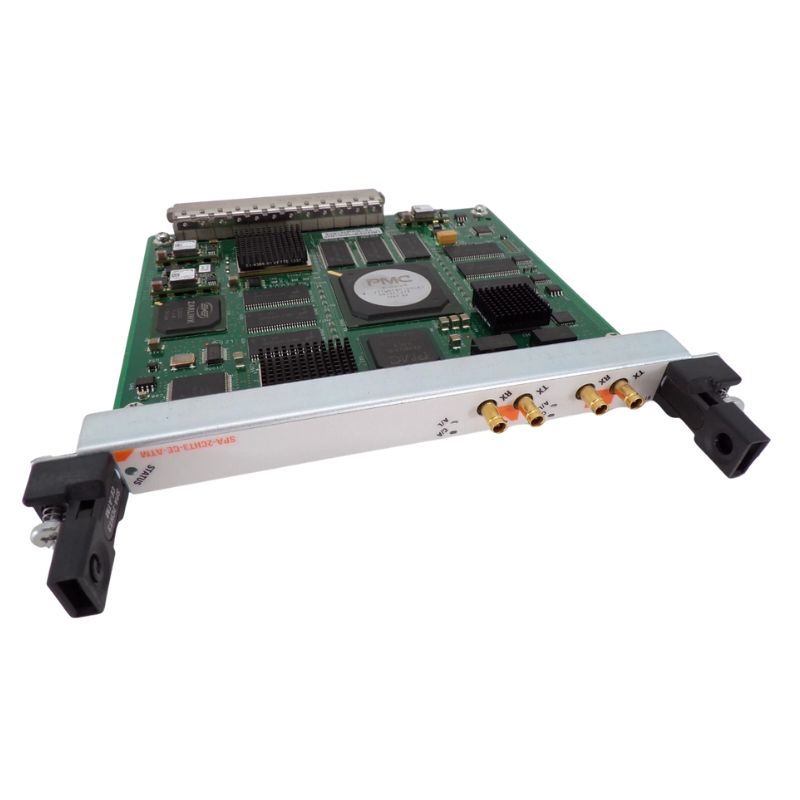


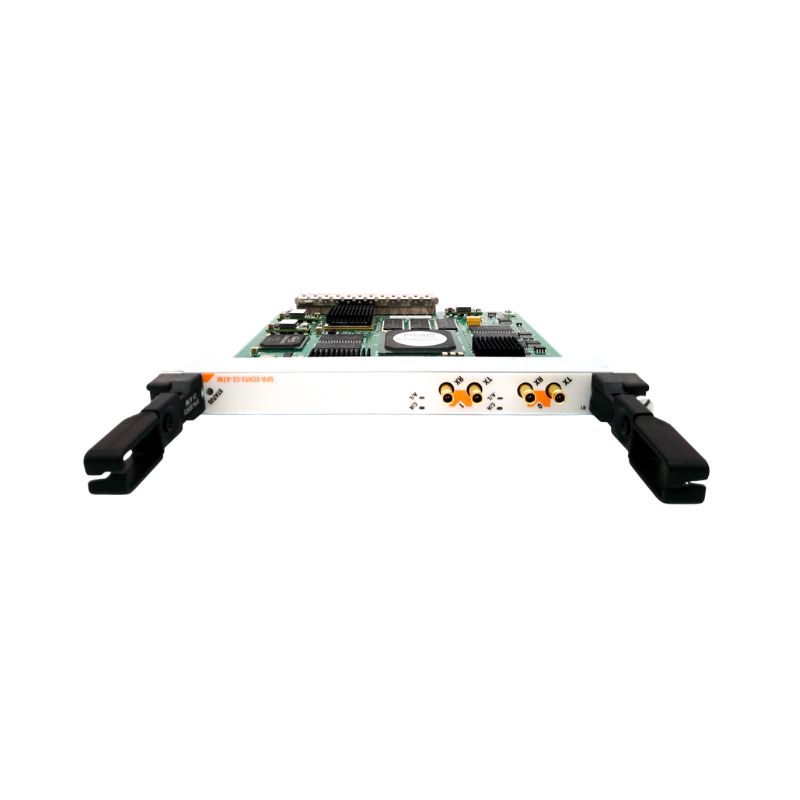
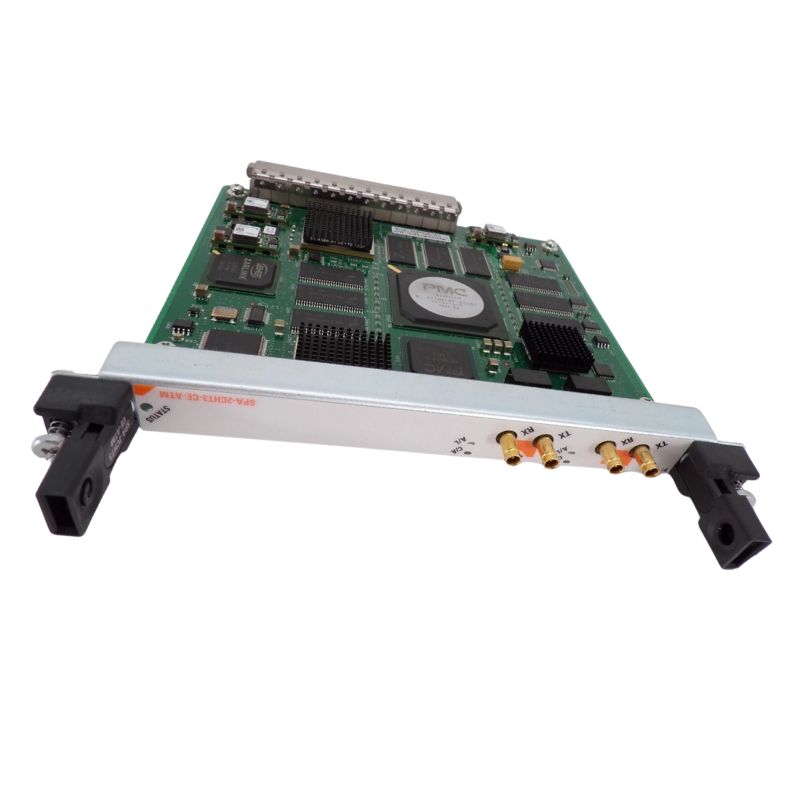
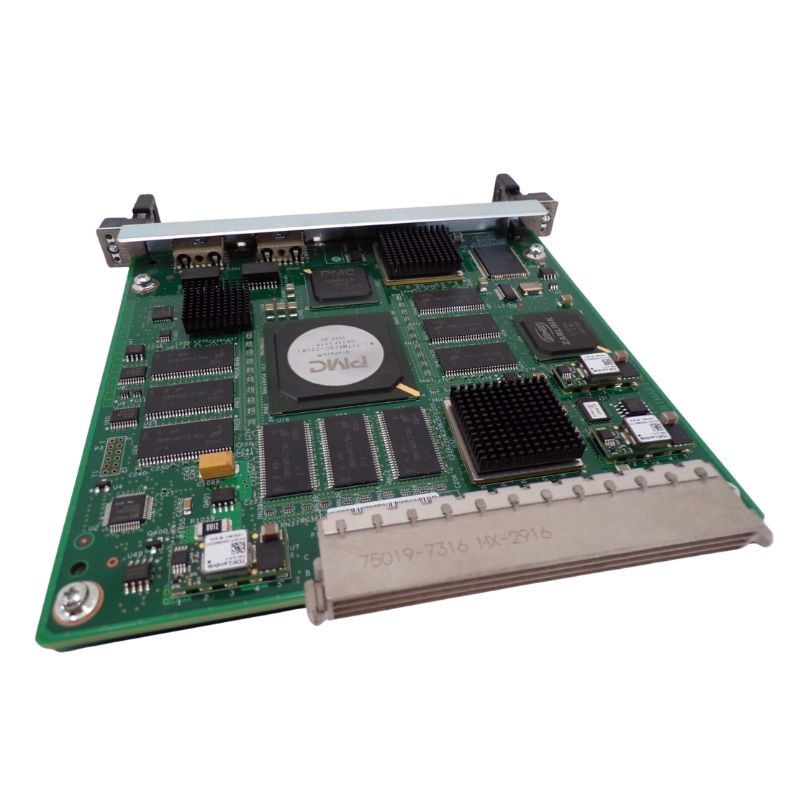
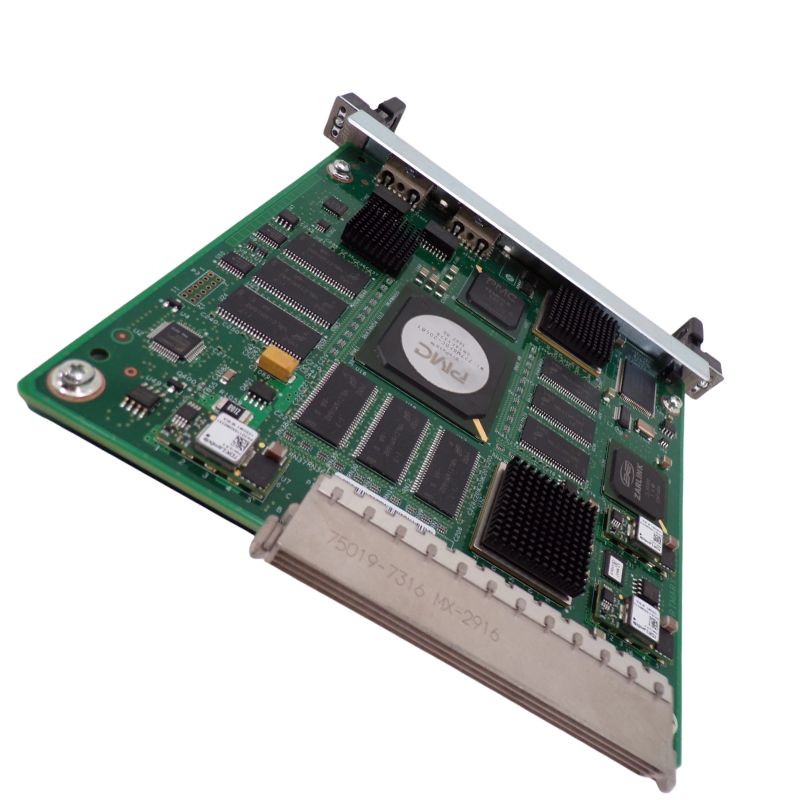
Cisco SPA-2CHT3-CE-ATM 2-Ports Channelized Shared Port Adapter. Excellent Refurbished with 1 year replacement warranty
The Cisco SPA-2CHT3-CE-ATM Shared Port Adapter is a high-performance WAN interface module engineered to deliver reliable, scalable, and efficient wide area network connectivity. Designed for enterprise-grade Cisco routing platforms, this dual-port adapter supports channelized T3/E3 connections, enabling robust data transmission for mission-critical networking environments. Built for flexibility and optimized traffic handling, it is ideal for service providers and large enterprises requiring advanced ATM-based WAN solutions.
The Cisco SPA-2CHT3-CE-ATM 2-Ports Channelized Shared Port Adapter is a high-performance WAN interface module designed for carrier-grade routing platforms and service provider infrastructures. Developed within the advanced modular networking ecosystem of this shared port adapter is engineered to deliver flexible, scalable, and highly resilient transport for legacy and modern telecom environments. It supports channelized T3 and ATM-based connectivity, enabling seamless integration of traditional circuit-switched networks with packet-switched architectures.
This shared port adapter belongs to the Cisco SPA (Shared Port Adapter) family, which is widely used in high-end routers and aggregation platforms. It provides critical WAN interface expansion capabilities for service providers, enterprise WAN edge deployments, and telecom operators requiring robust TDM, ATM, and channelized services over high-capacity links.
In modern networking environments, the demand for convergence between legacy telecommunications systems and IP-based infrastructure remains significant. The Cisco SPA-2CHT3-CE-ATM adapter plays a vital role in this convergence by supporting channelized T3 (DS3) and ATM transport mechanisms. This allows service providers to continue leveraging existing TDM circuits while transitioning toward packet-based networks without requiring full infrastructure replacement.
The adapter is typically deployed in Cisco carrier-grade routers that support SPA interface processors (SIP), enabling high-density WAN connectivity for mission-critical applications. Its dual-port architecture enhances redundancy, load balancing, and service segmentation across multiple WAN links.
The SPA-2CHT3-CE-ATM module is designed for compatibility with Cisco carrier routing platforms such as the Cisco ASR and Cisco 7600 series systems. These platforms utilize SIP and SPA slots to deliver modular WAN expansion. The shared port adapter architecture enables operators to mix different WAN interface types in a single chassis, optimizing flexibility and operational efficiency.
This modularity ensures that network engineers can deploy the adapter in environments requiring ATM PVC switching, circuit emulation services, or channelized T3 transport without redesigning the core routing infrastructure.
The core functionality of the Cisco SPA-2CHT3-CE-ATM lies in its support for channelized T3 (DS3) and ATM (Asynchronous Transfer Mode) technologies. These technologies are still widely used in enterprise WAN backbones, financial networks, and telecom transport systems where deterministic latency and legacy compatibility are essential.
Channelized T3 allows a single T3 line, operating at approximately 45 Mbps, to be divided into multiple T1 channels. This enables efficient multiplexing of multiple services over a single physical interface. The SPA-2CHT3-CE-ATM supports this functionality, allowing service providers to maximize bandwidth utilization while maintaining service separation for voice, data, and legacy applications.
Channelization enables granular traffic segmentation, allowing each T1 sub-channel to carry independent traffic streams. This is especially useful in telecom networks where different customers or services must remain isolated while sharing physical infrastructure. It also improves fault isolation, as issues in one channel do not necessarily affect the entire T3 link.
ATM technology provides cell-based switching that is highly efficient for real-time applications such as voice and video. The Cisco SPA-2CHT3-CE-ATM integrates ATM transport capabilities to support fixed-length cell switching, ensuring predictable latency and jitter performance.
ATM virtual circuits (PVCs and SVCs) can be configured to support multiple service types, including constant bit rate (CBR), variable bit rate (VBR), and available bit rate (ABR) services. This makes the adapter highly versatile for mixed-service WAN deployments.
ATM traffic engineering allows service providers to define quality of service (QoS) policies at a granular level. The SPA-2CHT3-CE-ATM supports these mechanisms, enabling optimized bandwidth allocation across virtual circuits and ensuring predictable service delivery for latency-sensitive applications.
The Shared Port Adapter architecture is a modular approach that separates interface functionality from the main routing engine. The Cisco SPA-2CHT3-CE-ATM benefits from this architecture by providing flexible deployment across multiple chassis types without requiring dedicated interface cards for each service type.
The adapter is built with carrier-grade hardware components designed for high reliability and continuous operation. It includes advanced line interface circuitry capable of handling high-speed T3 signals and ATM encapsulation with minimal packet loss and latency.
Redundancy and fault tolerance are key design aspects, ensuring uninterrupted service in mission-critical environments. The dual-port configuration enhances resiliency by allowing failover or load sharing between interfaces.
The SPA performs real-time signal processing for DS3 framing, channelization, and ATM cell encapsulation. This ensures that data is properly segmented, transported, and reconstructed across WAN links without degradation in quality or synchronization issues.
The Cisco SPA-2CHT3-CE-ATM is widely deployed in both service provider and large enterprise environments. Its ability to bridge legacy telecommunications infrastructure with modern IP networks makes it a critical component in hybrid WAN architectures.
Enterprises with legacy WAN infrastructure often rely on ATM and TDM circuits for mission-critical operations. The SPA-2CHT3-CE-ATM enables these organizations to maintain compatibility while gradually migrating to MPLS and IP-based WAN services.
Financial institutions and government agencies frequently require deterministic latency and highly reliable circuit-based communication. The adapter supports these requirements by ensuring stable ATM and TDM transport across distributed networks.
Performance optimization is a key strength of the Cisco SPA-2CHT3-CE-ATM. It is engineered to handle high-throughput WAN traffic while maintaining minimal jitter and packet loss. The adapter’s architecture ensures efficient bandwidth utilization across channelized and ATM services.
QoS mechanisms allow network administrators to prioritize traffic based on application type, ensuring that critical services such as voice and video receive priority over less time-sensitive data streams. This is essential in ATM environments where traffic classes must be strictly controlled.
The dual-port configuration allows for redundancy in WAN connectivity. In the event of a link failure, traffic can be rerouted automatically to maintain service continuity. This makes the adapter suitable for mission-critical applications requiring near-zero downtime.
One of the most important use cases for the Cisco SPA-2CHT3-CE-ATM is supporting legacy network migration strategies. Many organizations still rely on ATM and TDM-based systems, and a complete overhaul is often costly and disruptive.
The adapter enables hybrid networking environments where legacy and modern IP-based systems coexist. This allows organizations to gradually transition to newer technologies without service disruption.
Scalability is a key advantage of modular SPA-based architectures. The Cisco SPA-2CHT3-CE-ATM allows network operators to expand WAN capacity as needed without replacing entire systems.
Additional SPA modules can be added to the same router chassis, enabling flexible scaling of WAN interfaces. This ensures that network infrastructure can grow alongside business demands.


 Contact Us
 Information
 Catalog
 Solid State Drives (SSD)
 Network Switches
 Hard Disk Drives
 HBA & Controllers
 PC & Servers
 PC & Server Memory
 CPU & Processors
 Network Routers
 Power Supplies
 Tape Drives & Libraries
 Network Devices
 Computer & Network Cables