(7% discount is applied at checkout)
Cart is empty
Your go-to destination for cutting-edge server products
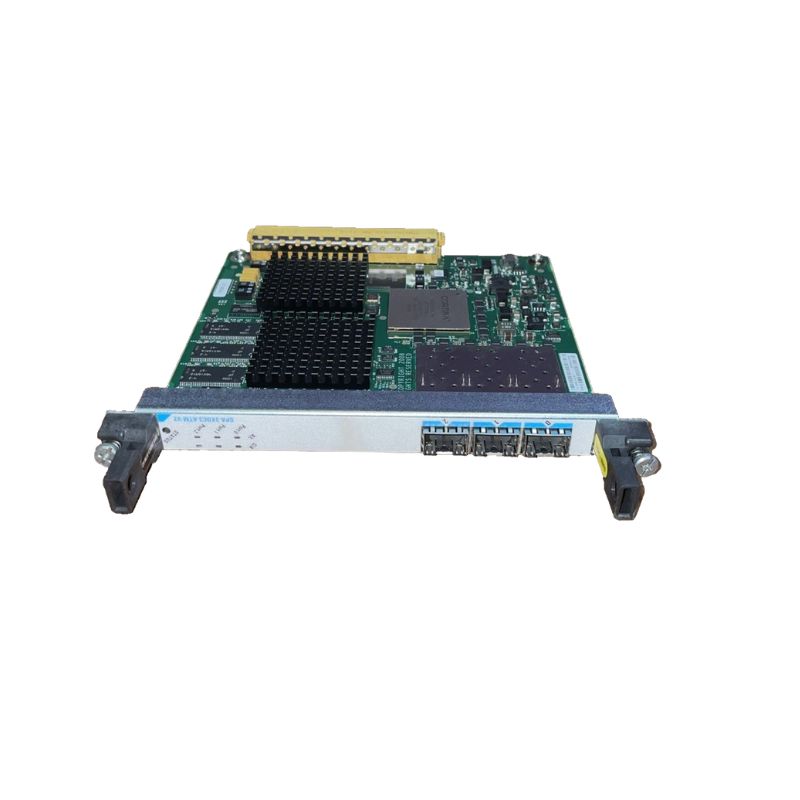


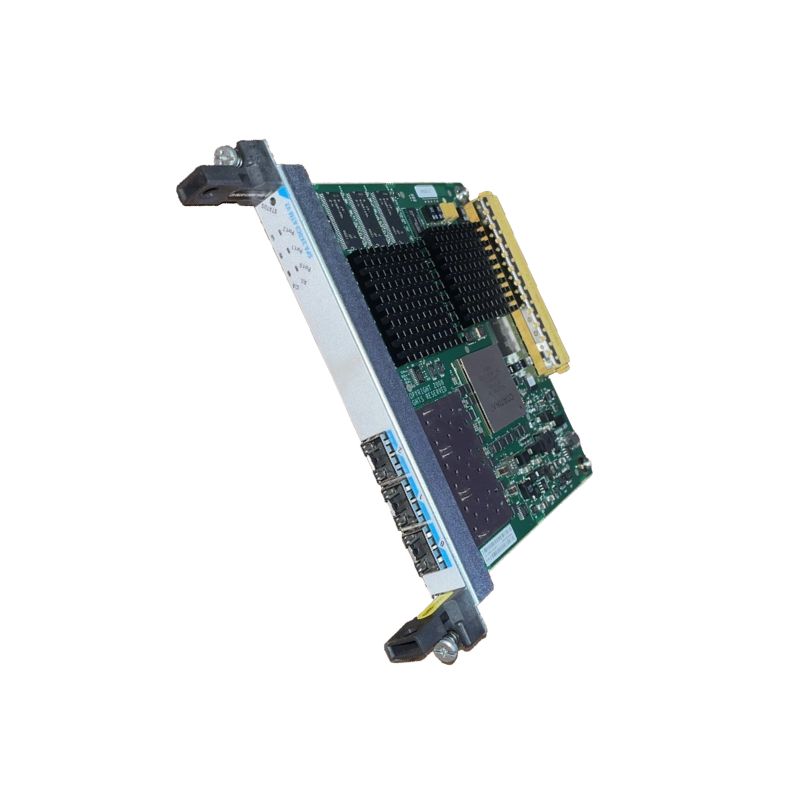
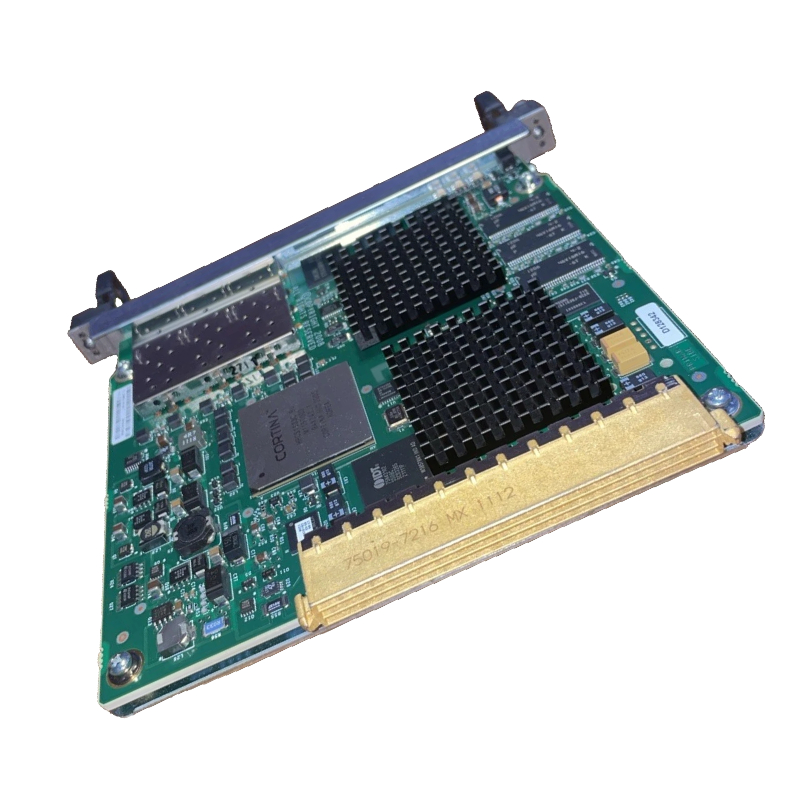
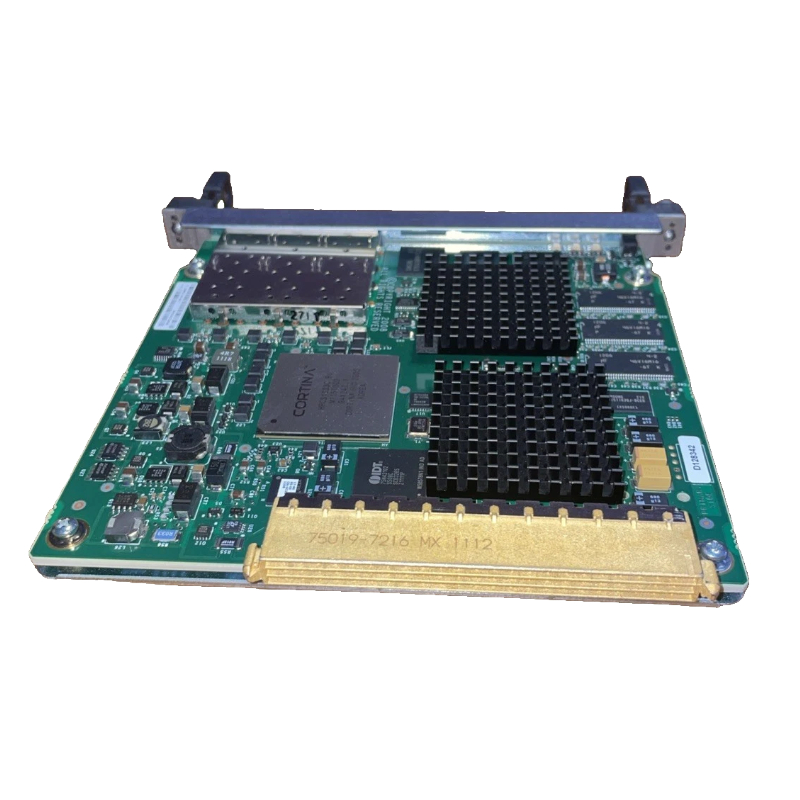
Cisco SPA-3XOC3-ATM-V2 3 Ports OC3c ATM Shared Adapter. Excellent Refurbished with 1 year replacement warranty
The Cisco SPA-3XOC3-ATM-V2 is a high-performance 3-port OC3c ATM shared adapter designed for carrier-grade networking environments. Built for reliable asynchronous transfer mode (ATM) connectivity, this Cisco shared port adapter delivers scalable WAN aggregation, efficient traffic handling, and robust transport capabilities for enterprise and service provider infrastructures. It is engineered to support high-speed optical networking applications where stability, bandwidth efficiency, and legacy ATM compatibility remain essential.
The Cisco SPA-3XOC3-ATM-V2 3 Ports OC3c ATM Shared Adapter represents a specialized high-performance networking interface designed for carrier-class and enterprise-grade WAN infrastructures that rely on Asynchronous Transfer Mode (ATM) over SONET/SDH optical transport. Developed within the advanced portfolio of this adapter is engineered to support legacy optical networking environments where OC3c (Optical Carrier level 3 concatenated) connectivity is required for deterministic traffic handling, high reliability, and service provider-grade switching efficiency. As modern networks evolve, this category of hardware continues to serve critical roles in interoperability, network continuity, and hybrid infrastructure integration.
OC3c refers to a concatenated Optical Carrier level 3 signal, operating at approximately 155.52 Mbps. Unlike segmented transport methods, concatenation allows the full bandwidth to be treated as a single payload container, enabling more efficient handling of ATM cell relay traffic. In the context of the Cisco SPA-3XOC3-ATM-V2 adapter, OC3c is essential for ensuring uninterrupted data flow across optical networks that rely on SONET/SDH backbones. This design supports high-precision timing, synchronized transmission, and minimal jitter, which are critical in carrier networks and enterprise WAN aggregation layers.
Asynchronous Transfer Mode (ATM) remains a foundational protocol in many legacy telecom environments. It utilizes fixed-length 53-byte cells, enabling predictable latency and efficient multiplexing of voice, video, and data traffic. The Cisco SPA-3XOC3-ATM-V2 integrates ATM processing at the hardware level, allowing real-time segmentation and reassembly of traffic streams across multiple virtual circuits. This ensures that time-sensitive applications such as voice trunking, video conferencing, and financial transaction systems maintain strict quality of service requirements even under variable network loads.
The shared adapter architecture is a defining characteristic of this hardware category. It allows multiple OC3c ports to operate under a unified processing environment, optimizing resource allocation and reducing redundant processing overhead. In enterprise deployments, this shared model improves throughput efficiency while maintaining strict isolation between virtual circuits. The architecture is particularly beneficial in multi-service provider environments where bandwidth segmentation and service separation are essential.
With three OC3c ATM ports integrated into a single adapter, this category supports scalable optical connectivity for aggregation routers and edge switching platforms. Each port is capable of handling independent ATM traffic flows while maintaining synchronized timing across the shared hardware bus. This multi-port design is ideal for backbone aggregation, metropolitan area network (MAN) interconnects, and redundant uplink configurations in carrier-grade systems.
In service provider environments, OC3c ATM adapters are frequently deployed at aggregation points where multiple customer circuits converge. The Cisco SPA-3XOC3-ATM-V2 enables efficient traffic consolidation, ensuring that multiple virtual paths can be managed within a unified optical transport layer. This is particularly useful in traditional telecom infrastructures where ATM switching remains a core component of legacy service delivery systems.
Large enterprises with distributed branch networks often rely on OC3c ATM interfaces for WAN edge connectivity. These interfaces provide stable, predictable throughput for mission-critical applications, including ERP systems, remote database replication, and centralized authentication services. The deterministic nature of ATM ensures that latency-sensitive traffic is prioritized appropriately across shared optical links.
In financial institutions and government networks, reliability and deterministic performance are essential. The Cisco SPA-3XOC3-ATM-V2 category supports secure and stable transport of transactional data, ensuring compliance with strict operational requirements. ATM segmentation allows for traffic prioritization and isolation, which is critical in environments where multiple secure communication channels must coexist without interference.
The OC3c interface provides a fixed bandwidth channel that can be efficiently partitioned into multiple virtual circuits. Traffic engineering mechanisms allow administrators to allocate bandwidth dynamically based on service-level agreements. This ensures optimal utilization of available optical capacity while maintaining predictable performance across all active sessions.
One of the primary advantages of ATM-based OC3c interfaces is their ability to maintain extremely low and predictable latency. The fixed-size cell structure reduces packetization delay variability, making it suitable for real-time applications. The Cisco SPA-3XOC3-ATM-V2 further enhances this capability through hardware-level traffic scheduling and prioritization mechanisms.
High availability is a core requirement in carrier networks. This adapter category supports redundant path configurations, allowing automatic failover in the event of optical signal degradation or port failure. The shared adapter design ensures that traffic can be redistributed across remaining operational ports without significant service disruption.
The Cisco SPA-3XOC3-ATM-V2 is designed for integration with compatible modular networking platforms that support shared port adapters. These platforms typically include carrier-grade routers and multiservice edge devices. The modular design allows operators to scale network interfaces according to evolving bandwidth requirements without replacing entire systems.
This adapter is engineered to operate within SONET/SDH optical transport networks, ensuring compatibility with existing carrier infrastructure. OC3c signals are mapped onto optical carriers with precise timing synchronization, enabling seamless interoperability across multi-vendor environments where standardized transport protocols are required.
Proper operation of OC3c ATM adapters depends on firmware-level support within the host platform. The Cisco SPA architecture includes embedded firmware components that manage ATM segmentation, optical signal processing, and port synchronization. Regular updates ensure compatibility with evolving network standards and operational enhancements.
Permanent Virtual Circuits are widely used in ATM networks to establish fixed communication paths between endpoints. The Cisco SPA-3XOC3-ATM-V2 supports robust PVC implementation, enabling stable and predictable traffic flows across optical networks. This is particularly important for enterprise WAN links where consistent routing behavior is required.
Switched Virtual Circuits allow dynamic establishment of ATM connections based on demand. This flexibility enables efficient use of bandwidth resources in environments where traffic patterns fluctuate. The adapter supports real-time signaling required to establish and tear down SVCs without interrupting ongoing traffic sessions.
ATM networks inherently support multiple quality of service classes, including constant bit rate, variable bit rate, and available bit rate services. The Cisco SPA-3XOC3-ATM-V2 enforces QoS policies at the hardware level, ensuring that high-priority traffic is processed ahead of lower-priority streams. This guarantees performance consistency across mixed-service environments.
When deploying OC3c ATM shared adapters, network architects must consider long-term scalability requirements. The modular nature of the Cisco SPA-3XOC3-ATM-V2 allows incremental expansion of optical interfaces without disrupting existing infrastructure. This supports gradual migration strategies in evolving network environments.
Many organizations operate hybrid networks that combine legacy ATM systems with modern IP/MPLS architectures. This adapter category plays a critical role in bridging these environments, enabling seamless data transfer between legacy and next-generation network domains while preserving service continuity.
ATM architecture inherently supports strong traffic isolation through virtual circuit segmentation. The Cisco SPA-3XOC3-ATM-V2 leverages this capability to ensure that data streams remain logically separated, reducing the risk of cross-circuit interference and enhancing overall network security posture.
Despite the widespread adoption of IP-based networking, OC3c ATM interfaces remain essential in maintaining legacy infrastructure. The Cisco SPA-3XOC3-ATM-V2 ensures that organizations can continue operating existing systems without immediate costly overhauls, enabling phased modernization strategies.
Investing in OC3c ATM shared adapters protects existing infrastructure investments by extending the operational life of deployed optical networks. The Cisco SPA-3XOC3-ATM-V2 supports continued utilization of SONET/SDH infrastructure while enabling gradual integration with newer technologies.


 Contact Us
 Information
 Catalog
 Solid State Drives (SSD)
 Network Switches
 Hard Disk Drives
 HBA & Controllers
 PC & Servers
 PC & Server Memory
 CPU & Processors
 Network Routers
 Power Supplies
 Tape Drives & Libraries
 Network Devices
 Computer & Network Cables