(7% discount is applied at checkout)
Cart is empty
Your go-to destination for cutting-edge server products



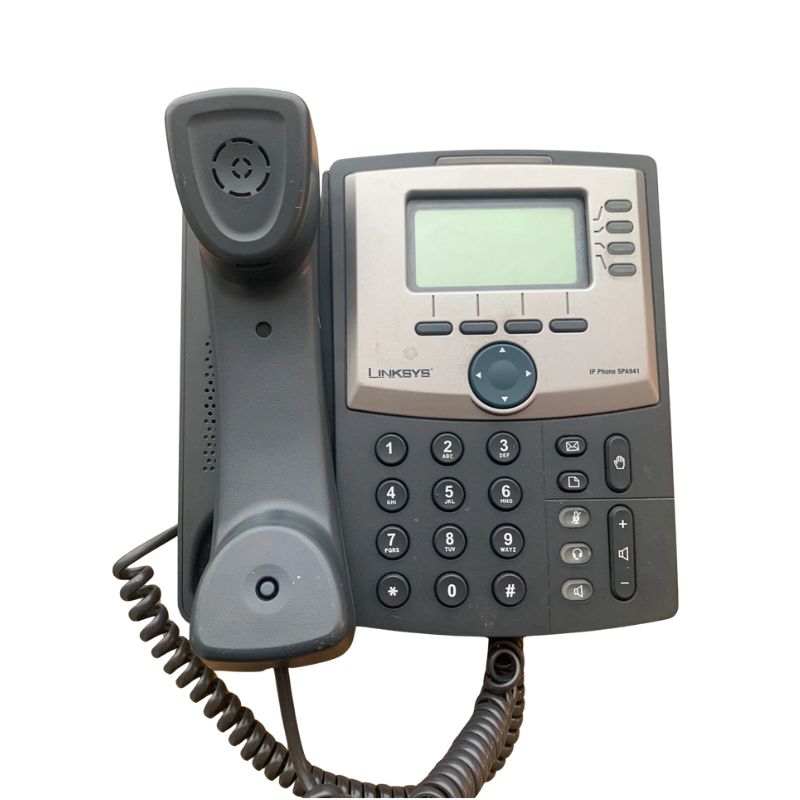
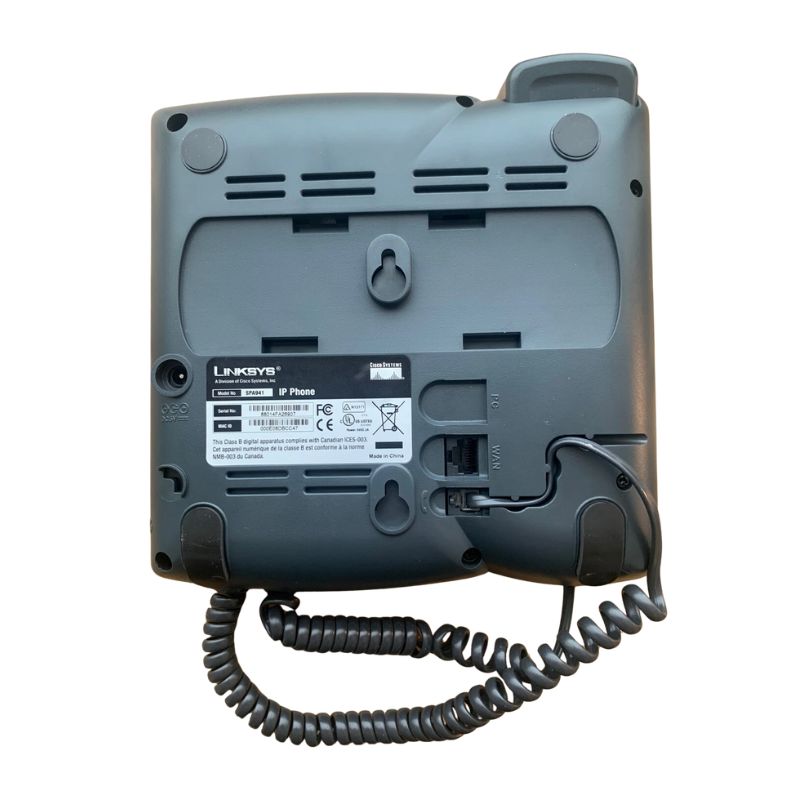
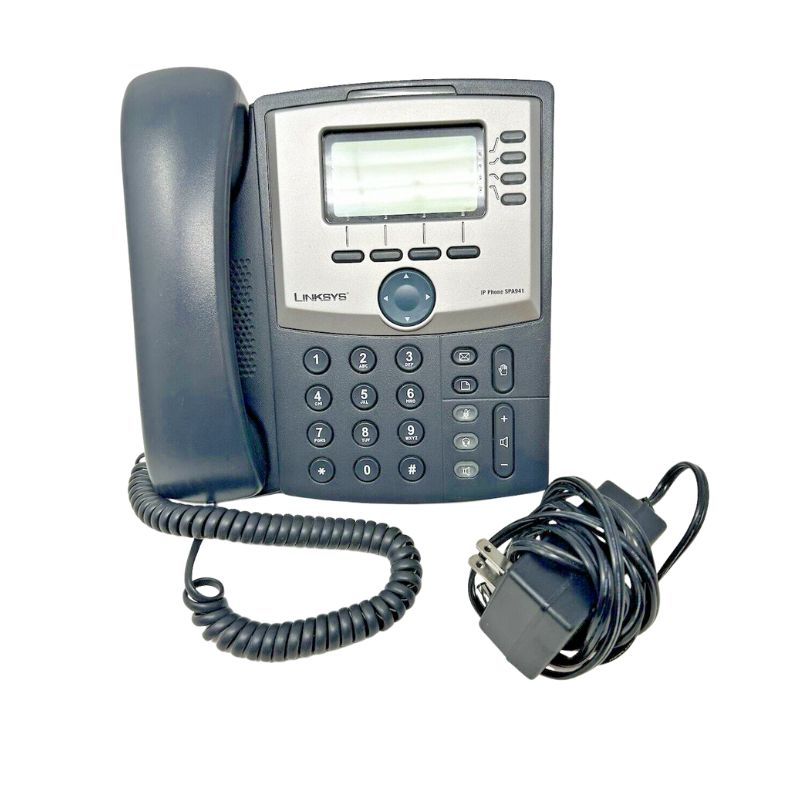
Cisco SPA941 Small Business Pro 4 Line 1 Port IP Phone. Excellent Refurbished with 1 year replacement warranty
The Cisco SPA941 Small Business Pro IP Phone is a reliable multi-line VoIP communication device engineered for professional office environments. Designed to deliver stable voice performance and efficient call handling, this model supports scalable line management and clear audio quality, making it suitable for growing business communication needs.
The Cisco SPA941 Small Business Pro 4 Line 1 Port IP Phone belongs to a professional communication device category designed for voice over internet protocol environments used in modern business telephony systems. This category focuses on delivering reliable voice communication through IP-based networks, replacing traditional analog phone systems with more flexible and scalable digital communication infrastructure. The device is widely recognized for its ability to support multiple call lines, enhance productivity in office environments, and integrate smoothly with hosted or on-premises voice communication platforms.
This category of IP phone devices is engineered to meet the requirements of small to medium-sized enterprises that demand stable voice connectivity, efficient call handling, and seamless integration with network-based telephony services. It serves as a critical endpoint in unified communication systems, ensuring that users can manage multiple calls simultaneously while maintaining clarity and consistency in audio transmission.
The Cisco SPA941 category operates using internet protocol-based voice transmission systems that convert analog voice signals into digital packets. These packets are transmitted over IP networks and reassembled at the receiving end, ensuring smooth communication across local and wide-area networks. This architecture eliminates dependency on traditional circuit-switched telephony systems, allowing businesses to reduce infrastructure complexity while increasing scalability.
The underlying framework relies on broadband connectivity and properly configured network routers or switches that prioritize voice traffic. This ensures that communication remains stable even during periods of high data usage within an organization.
Devices in this category use standardized communication protocols that manage call initiation, maintenance, and termination. These protocols ensure that calls are properly routed between endpoints, whether within an internal office network or across external communication networks. The system supports advanced call handling capabilities such as call holding, call transfer, and multi-line operation, which are essential in professional environments.
One of the defining features of this category is its ability to support multiple active communication lines. This allows users to manage several conversations simultaneously without requiring separate physical devices. Each line operates independently, enabling efficient multitasking in environments such as reception desks, administrative offices, and customer service departments.
The single-port configuration in this category is optimized for streamlined connectivity. It enables direct connection to network infrastructure while maintaining compatibility with additional devices such as computers or network switches. This design reduces cabling complexity and supports cleaner workspace organization.
This category is particularly suited for small office environments where communication efficiency is essential. It allows businesses to establish professional-grade telephony systems without requiring large-scale infrastructure investments. The scalability of IP-based systems ensures that additional devices can be added as business needs grow.
Customer support operations benefit significantly from multi-line IP phone systems. Agents can manage incoming and outgoing calls efficiently, place customers on hold when necessary, and transfer calls to appropriate departments. This improves response time and enhances overall service quality.
In modern work environments where remote and hybrid setups are increasingly common, this category supports seamless communication between distributed teams. Employees can connect to the same communication network regardless of physical location, ensuring consistent access to business communication tools.
Devices in this category utilize digital signal processing techniques to improve audio clarity. These enhancements reduce background noise, echo, and distortion, ensuring that conversations remain clear and professional. This is especially important in busy office environments where ambient noise may interfere with communication.
Quality of service configurations within network infrastructure prioritize voice packets over other types of data traffic. This ensures that call quality remains consistent even during periods of high network usage.
The deployment of devices in this category involves integration with existing network infrastructure. Configuration typically includes assigning network addresses, registering with communication servers, and ensuring compatibility with voice service providers. Proper setup ensures optimal performance and reliability.
Security is a fundamental aspect of IP-based communication systems. Devices in this category support encryption protocols that protect voice data during transmission. This prevents unauthorized interception and ensures confidentiality in business communication.
Access control mechanisms ensure that only authorized users can register and operate devices within the communication network. Authentication processes help maintain system integrity and prevent unauthorized usage.
These devices are designed to operate within secure network environments that may include firewalls, virtual private networks, and intrusion prevention systems. Compatibility with these technologies enhances overall communication security.
The internal processing unit manages call handling, network communication, and system operations. Memory components store configuration data, call logs, and firmware instructions, ensuring efficient performance during operation.
The display interface provides real-time information to users, including active call status, line availability, and system notifications. This improves usability and allows users to manage communication tasks effectively.
The handset, speaker, and microphone components are engineered to deliver clear voice transmission. Speakerphone functionality allows hands-free communication, enhancing productivity in multitasking environments.
This category supports scalable deployment across growing business environments. Additional devices can be integrated into existing systems without significant infrastructure changes, making it suitable for expanding organizations.
Compatibility with various voice over IP platforms ensures flexibility in choosing service providers and communication solutions. This allows organizations to tailor systems based on operational requirements.
The ability to manage multiple simultaneous calls improves productivity in environments where call volume is high. Users can switch between lines without interruption, ensuring efficient communication flow.
Devices in this category can integrate with cloud-based telephony systems that provide scalable communication services without requiring extensive on-premises infrastructure. This enhances flexibility and reduces operational costs.
Integration with collaboration platforms enables users to transition smoothly between voice calls, messaging, and conferencing tools within a unified interface.
Hybrid communication systems combine traditional on-premises infrastructure with cloud-based services, allowing organizations to gradually transition to modern communication environments without disruption.


 Contact Us
 Information
 Catalog
 Solid State Drives (SSD)
 Network Switches
 Hard Disk Drives
 HBA & Controllers
 PC & Servers
 PC & Server Memory
 CPU & Processors
 Network Routers
 Power Supplies
 Tape Drives & Libraries
 Network Devices
 Computer & Network Cables