(7% discount is applied at checkout)
Cart is empty
Your go-to destination for cutting-edge server products
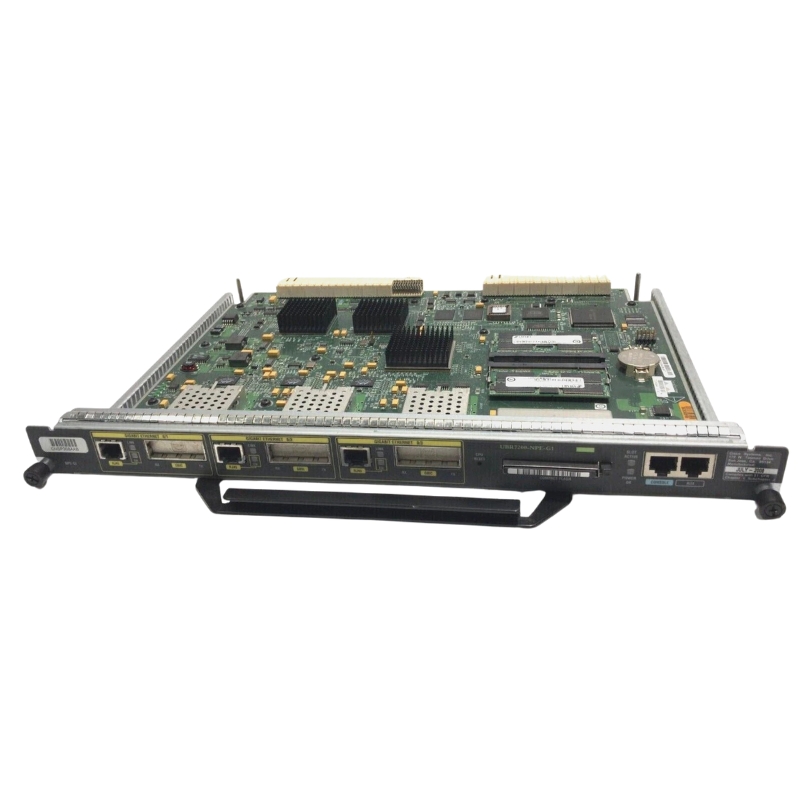


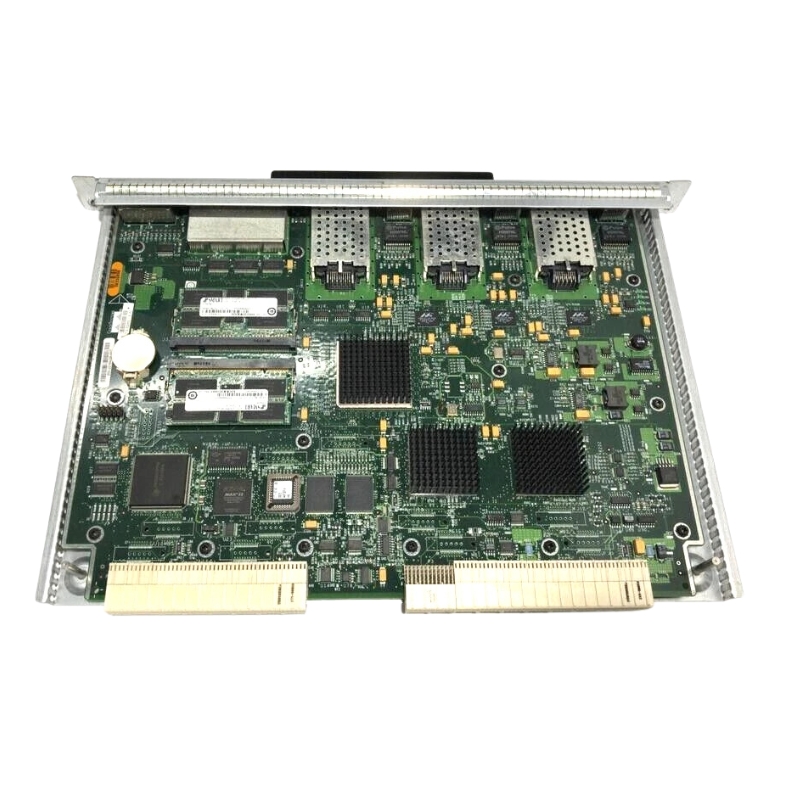
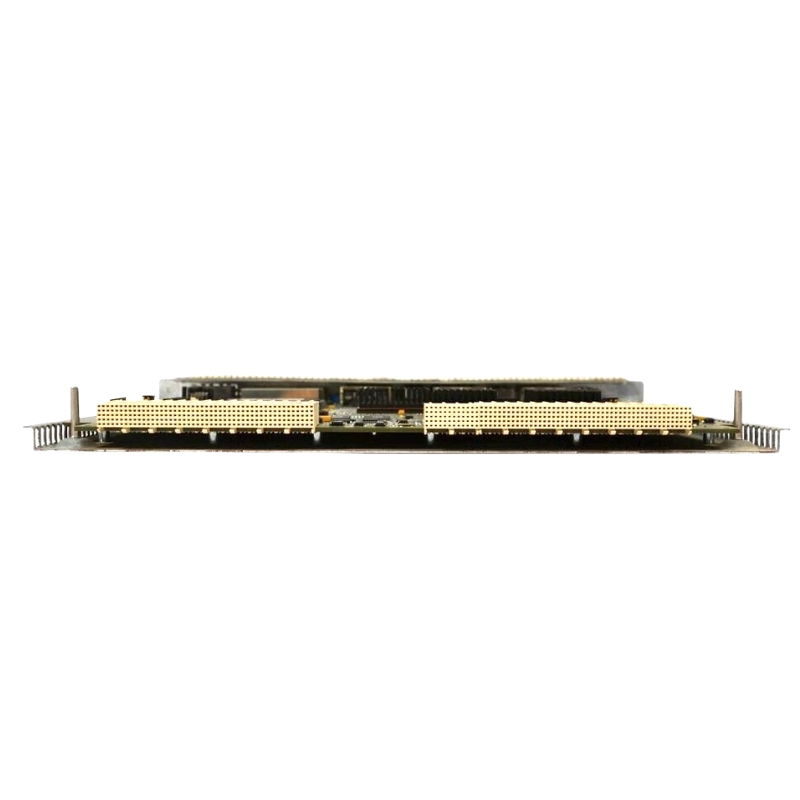
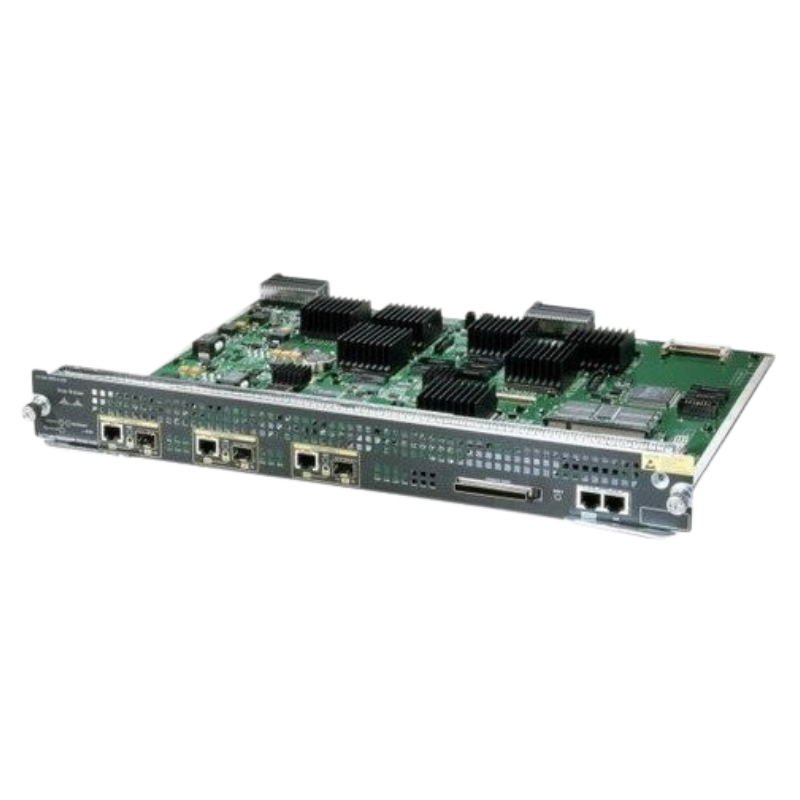
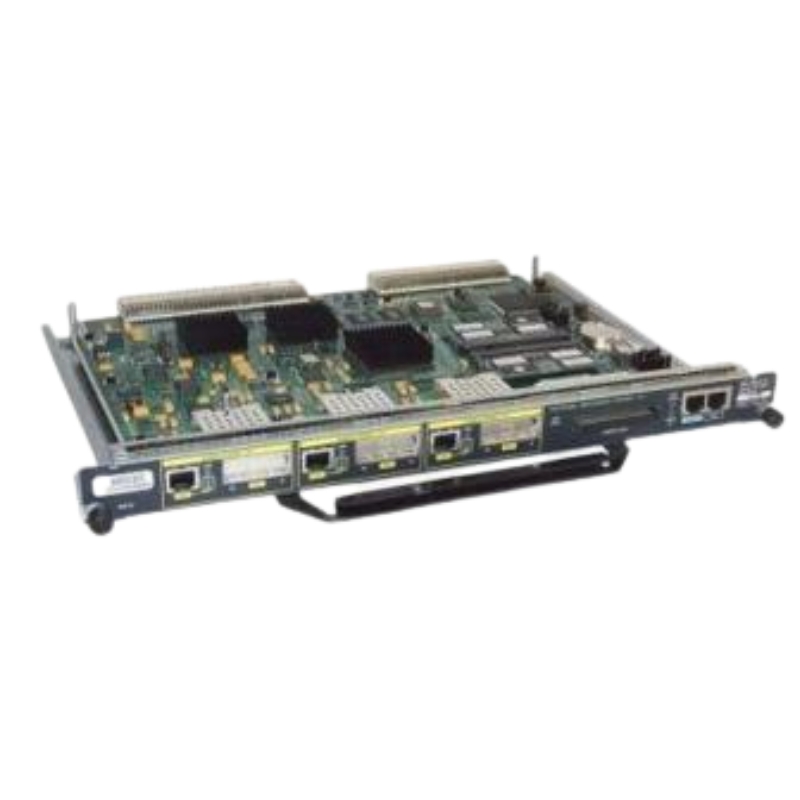
Cisco UBR7200-NPE-G1 UBR7200 Network Processing Engine. Excellent Refurbished with 1 year replacement warranty
The Cisco UBR7200-NPE-G1 is a high-performance Network Processing Engine designed to deliver reliable connectivity and efficient data handling for enterprise-grade networking environments.
The Cisco UBR7200-NPE-G1 UBR7200 Network Processing Engine is a critical component within the Cisco UBR7200 series, designed to deliver advanced routing, processing, and scalability for broadband aggregation. This category focuses on the specialized hardware that powers cable modem termination systems, enabling service providers to manage large-scale broadband deployments with efficiency and reliability. The NPE-G1 is engineered to enhance performance, provide robust throughput, and support a wide range of applications that demand high availability and consistent connectivity.
The architecture of the Cisco UBR7200-NPE-G1 is built around modularity and scalability. It integrates seamlessly into the UBR7200 chassis, offering flexibility for network operators who require adaptable solutions. The design emphasizes high-speed packet forwarding, advanced queuing mechanisms, and optimized memory utilization. With its processing capabilities, the NPE-G1 ensures that broadband traffic is handled efficiently, reducing latency and improving overall user experience. The hardware is crafted to support both legacy and modern broadband technologies, making it a versatile choice for evolving network infrastructures.
At the core of the Cisco UBR7200-NPE-G1 lies a powerful processor designed to handle intensive workloads. This processor is capable of managing large volumes of data packets, ensuring that broadband services remain uninterrupted even during peak usage. The processing engine supports advanced routing protocols, enabling service providers to implement complex network topologies without compromising performance. Its architecture allows for parallel processing, which enhances throughput and minimizes bottlenecks in data transmission.
Memory efficiency is a defining feature of the NPE-G1. The engine is equipped with high-capacity memory modules that facilitate rapid data access and storage. This ensures that routing tables, subscriber information, and traffic management policies are processed swiftly. The memory architecture is optimized to reduce delays, allowing for real-time decision-making in packet forwarding. Storage capabilities also support system logs, configuration files, and diagnostic data, which are essential for maintaining network stability and troubleshooting issues.
The Cisco UBR7200-NPE-G1 is designed to deliver significant performance enhancements in broadband networks. Its advanced hardware accelerates packet forwarding, supports high-bandwidth applications, and ensures consistent service delivery. Service providers benefit from reduced operational costs, improved customer satisfaction, and the ability to scale services rapidly. The NPE-G1 is particularly effective in environments where large numbers of subscribers demand simultaneous access to broadband services.
Packet forwarding is a critical function in broadband networks, and the NPE-G1 excels in this area. The engine utilizes advanced algorithms to prioritize traffic, ensuring that latency-sensitive applications such as VoIP and video streaming receive optimal bandwidth. High-speed forwarding reduces congestion, enhances throughput, and provides a seamless user experience. This capability is vital for service providers aiming to deliver premium broadband services to residential and commercial customers.
Quality of Service is integral to maintaining network performance, and the NPE-G1 incorporates sophisticated QoS mechanisms. These mechanisms allow service providers to allocate bandwidth based on application requirements, ensuring that critical services are prioritized. The engine supports traffic shaping, policing, and queuing strategies that optimize resource utilization. By integrating QoS, the NPE-G1 enables providers to deliver differentiated services, enhancing customer satisfaction and loyalty.
Scalability is a cornerstone of the Cisco UBR7200-NPE-G1 design. The engine supports incremental upgrades, allowing service providers to expand capacity as subscriber demand grows. Its modular architecture ensures that additional processing power can be integrated without disrupting existing services. Flexibility in deployment is achieved through compatibility with various broadband technologies, including DOCSIS standards. This adaptability makes the NPE-G1 suitable for diverse network environments, from small-scale operations to large metropolitan deployments.
The NPE-G1 is fully compatible with DOCSIS standards, which govern data transmission over cable networks. This compatibility ensures that service providers can deliver broadband services that meet industry benchmarks for speed, reliability, and security. The engine supports both DOCSIS 2.0 and DOCSIS 3.0, enabling providers to offer advanced features such as channel bonding and enhanced upstream capacity. By adhering to DOCSIS standards, the NPE-G1 guarantees interoperability with a wide range of cable modems and customer premises equipment.
One of the strengths of the NPE-G1 is its ability to integrate seamlessly with existing infrastructure. Service providers can deploy the engine within their current UBR7200 chassis without extensive modifications. This reduces deployment costs and minimizes downtime. The engine’s compatibility with legacy systems ensures that providers can upgrade performance without replacing entire network components. This integration capability makes the NPE-G1 a cost-effective solution for enhancing broadband services.
Reliability is paramount in broadband networks, and the Cisco UBR7200-NPE-G1 incorporates features that ensure continuous service delivery. The engine is designed with redundancy mechanisms that protect against hardware failures. These mechanisms include failover capabilities, backup memory modules, and redundant power supplies. By implementing redundancy, the NPE-G1 minimizes service disruptions and enhances network resilience. Service providers benefit from improved uptime, which is critical for maintaining customer trust and satisfaction.
Failover capabilities are essential for maintaining service continuity during hardware failures. The NPE-G1 is equipped with mechanisms that automatically switch to backup systems when primary components fail. This ensures that broadband services remain uninterrupted, even in the event of hardware malfunctions. Failover capabilities reduce downtime, protect revenue streams, and enhance customer confidence in the reliability of broadband services.
Power supply redundancy is another critical feature of the NPE-G1. The engine supports dual power supplies, which provide backup in case of primary power failure. This redundancy ensures that the engine continues to operate without interruption, safeguarding broadband services. Redundant power supplies also protect against voltage fluctuations and electrical surges, which can damage hardware components. By incorporating power redundancy, the NPE-G1 enhances the overall reliability of broadband networks.
Security is a fundamental requirement in broadband networks, and the NPE-G1 integrates advanced security features to protect against threats. The engine supports encryption protocols, access control mechanisms, and intrusion detection systems. These features safeguard subscriber data, prevent unauthorized access, and protect network resources. By incorporating security measures, the NPE-G1 enables service providers to deliver broadband services that meet regulatory requirements and customer expectations.
Encryption protocols are essential for protecting data transmitted over broadband networks. The NPE-G1 supports industry-standard encryption mechanisms that secure subscriber communications. These protocols prevent eavesdropping, data theft, and unauthorized access. By implementing encryption, the NPE-G1 ensures that broadband services remain secure and trustworthy. Service providers benefit from enhanced customer confidence and compliance with data protection regulations.
Access control mechanisms are integrated into the NPE-G1 to prevent unauthorized use of network resources. These mechanisms include authentication protocols, user permissions, and role-based access controls. By implementing access control, the NPE-G1 ensures that only authorized personnel can configure and manage network components. This protects against internal threats and enhances overall network security..


 Contact Us
 Information
 Catalog
 Solid State Drives (SSD)
 Network Switches
 Hard Disk Drives
 HBA & Controllers
 PC & Servers
 PC & Server Memory
 CPU & Processors
 Network Routers
 Power Supplies
 Tape Drives & Libraries
 Network Devices
 Computer & Network Cables