(7% discount is applied at checkout)
Cart is empty
Your go-to destination for cutting-edge server products
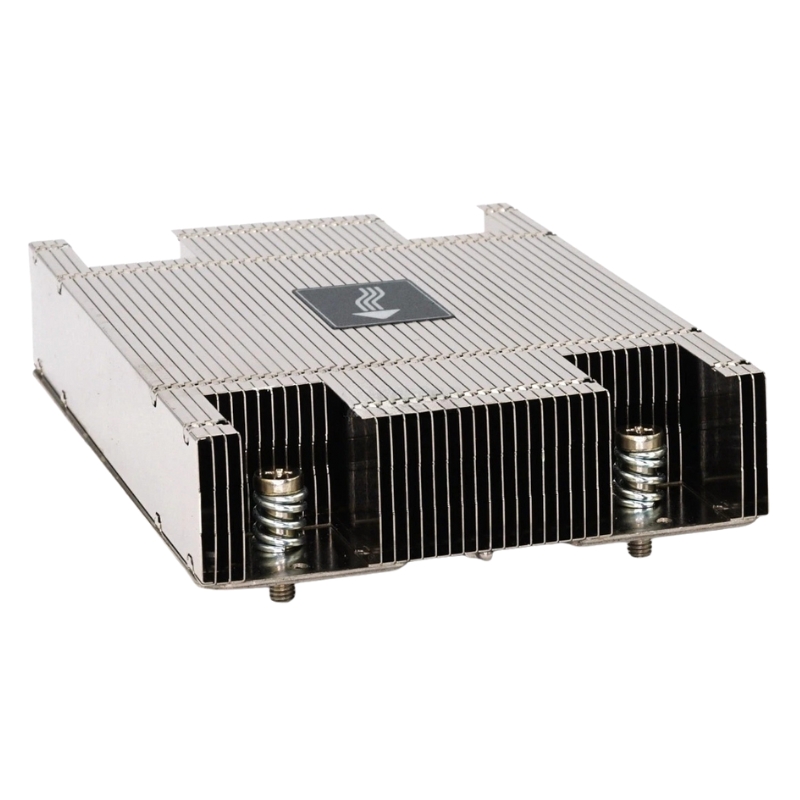


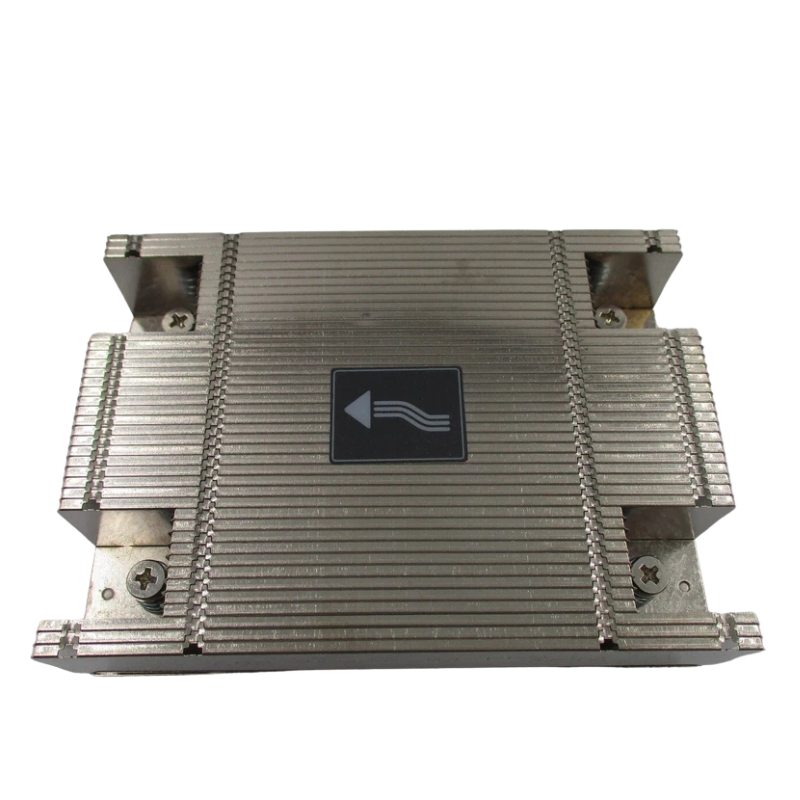
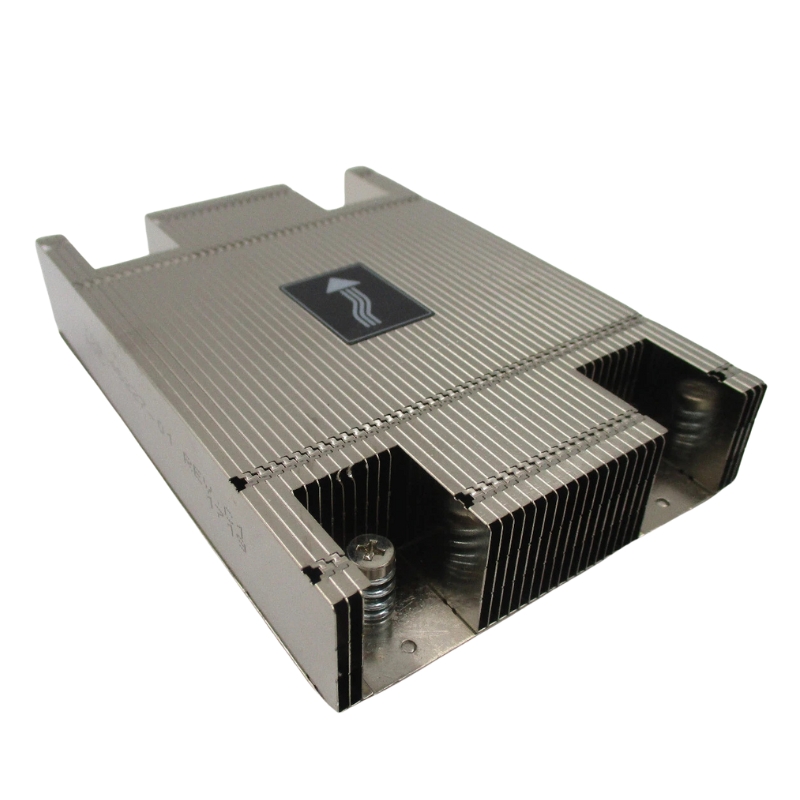
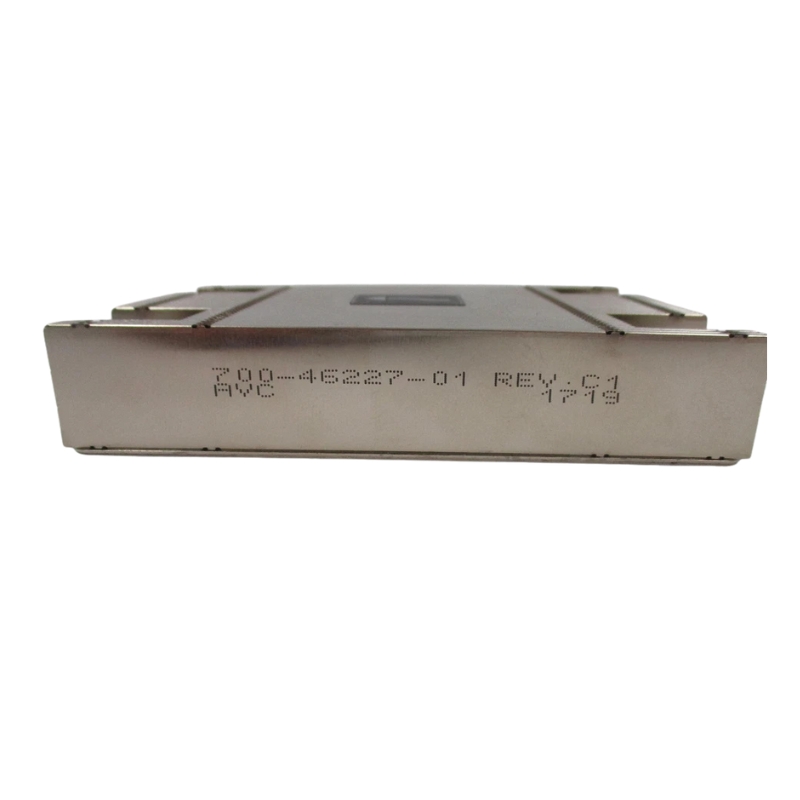
Cisco UCSC-HS-C220M4 UCS C220 M4 Heatsink Servers. Excellent Refurbished with 1 year replacement warranty
The Cisco UCSC-HS-C220M4 Heatsink is a high-efficiency thermal management component designed specifically for enterprise-grade server environments. Engineered this heatsink plays a critical role in maintaining optimal CPU temperature performance within the Cisco UCS C220 M4 Rack Server platform. It ensures reliable heat dissipation for processors operating under heavy workloads, making it an essential part of data center cooling infrastructure.
The Cisco UCSC-HS-C220M4 UCS C220 M4 Heatsink Servers category represents a critical segment of high-performance thermal management components engineered specifically for the Cisco Unified Computing System (UCS) C220 M4 rack server platform. Designed and manufactured under the technology leadership of
Within the broader ecosystem of Cisco UCS servers, the C220 M4 chassis is widely recognized for its versatility, scalability, and balanced compute performance. The heatsink module is not merely a passive cooling accessory; it is a precision-engineered thermal conductor that directly influences CPU longevity, system stability, and workload consistency across mission-critical applications. This category encompasses replacement heatsinks, maintenance components, and thermal upgrade parts tailored for enterprise deployments requiring consistent cooling efficiency.
The design philosophy behind UCSC-HS-C220M4 heatsinks is rooted in advanced thermal conductivity optimization. Each heatsink is constructed using high-grade aluminum alloys or copper-enhanced thermal materials to maximize heat dissipation from Intel Xeon processors installed in the Cisco UCS C220 M4 server platform. The geometry of the fins, the density of the heat dissipation structure, and the surface area expansion all contribute to improved airflow efficiency within tightly packed server racks.
The airflow in data center environments is typically front-to-back, and the heatsink design aligns with this directional cooling strategy. By optimizing fin orientation and minimizing thermal resistance, these components ensure that processor heat is rapidly transferred away from the CPU die and distributed into the surrounding airflow stream. This reduces thermal throttling risks and enhances sustained computational performance.
Material selection plays a pivotal role in determining the performance of the Cisco UCSC-HS-C220M4 heatsink category. Copper-based thermal cores provide superior conductivity, allowing faster heat transfer from the processor interface. Aluminum fin arrays, on the other hand, reduce overall weight while maintaining efficient heat dispersion characteristics. In many configurations, hybrid designs are employed to balance cost efficiency with thermal performance.
Thermal interface materials (TIMs) are also integral to the performance of this category. These compounds fill microscopic air gaps between the CPU and heatsink base, reducing thermal resistance and improving conduction efficiency. In enterprise-grade deployments, consistent TIM application ensures predictable cooling performance across large server fleets.
The Cisco UCS C220 M4 rack server platform is widely deployed in enterprise data centers due to its balanced combination of compute density, storage flexibility, and network integration. The UCSC-HS-C220M4 heatsink category is specifically designed to integrate seamlessly within this architecture, ensuring that CPU thermal output is managed efficiently even under heavy workloads such as virtualization, database processing, and cloud-native application hosting.
In environments where multiple servers operate in close proximity, thermal accumulation becomes a critical concern. Without efficient heatsink systems, CPUs may exceed safe operating temperatures, resulting in performance degradation or hardware instability. The UCSC-HS-C220M4 heatsinks mitigate these risks by maintaining consistent thermal thresholds across sustained workloads.
Modern Intel Xeon processors used in the Cisco UCS C220 M4 platform are designed to dynamically adjust performance based on thermal headroom. When heatsinks are operating efficiently, CPUs can maintain higher turbo frequencies for extended periods. This directly translates into improved application responsiveness, faster data processing, and reduced latency in enterprise workloads.
System reliability is equally dependent on thermal stability. Excessive heat is one of the primary causes of hardware failure in data center environments. By maintaining optimal operating temperatures, UCSC-HS-C220M4 heatsinks contribute to reduced failure rates, extended hardware lifespan, and lower total cost of ownership for enterprise IT infrastructure.
Virtualization platforms such as VMware and Hyper-V often consolidate multiple workloads onto a single physical server. This increases CPU utilization and subsequently elevates thermal output. The UCSC-HS-C220M4 heatsink category is engineered to handle such fluctuating thermal loads efficiently, ensuring that heat is distributed evenly across the cooling surface even during peak processing cycles.
In cloud computing environments, where resource allocation is dynamic, thermal consistency becomes even more critical. These heatsinks ensure that sudden spikes in CPU usage do not lead to thermal instability or system throttling.
The manufacturing process behind Cisco UCSC-HS-C220M4 heatsinks adheres to strict enterprise-grade quality standards. Each unit is engineered with precision machining techniques to ensure perfect alignment with CPU socket configurations on the Cisco UCS C220 M4 motherboard. This precision ensures uniform pressure distribution across the processor surface, which is critical for efficient thermal transfer.
The structural design incorporates fin arrays optimized for laminar airflow patterns commonly found in server chassis environments. By reducing airflow turbulence, the heatsink improves overall cooling efficiency and minimizes energy consumption required by system fans.
Airflow optimization is a core consideration in the UCSC-HS-C220M4 category. Data centers rely on predictable airflow patterns to maintain consistent cooling across multiple server racks. The heatsink’s fin density and orientation are designed to align with front-to-back airflow systems, ensuring minimal resistance and maximum heat evacuation.
This optimized airflow design reduces the workload on chassis fans, which in turn decreases overall power consumption and improves energy efficiency across the data center infrastructure.
The UCSC-HS-C220M4 heatsink category is fully compatible with Cisco UCS cooling architectures, including chassis fans, thermal sensors, and intelligent fan speed controllers. These integrated systems work together to dynamically adjust cooling output based on real-time thermal data collected from CPU sensors.
This synergy between hardware and intelligent cooling control ensures that thermal performance is continuously optimized without manual intervention, supporting large-scale enterprise deployments.
The UCSC-HS-C220M4 heatsink category is widely deployed in enterprise data centers, hyperscale cloud environments, and private cloud infrastructures. These environments demand high uptime, predictable performance, and robust thermal management systems. The heatsinks support these requirements by ensuring that server CPUs remain within optimal temperature ranges even under continuous heavy workloads.
In cloud infrastructure environments, where workloads can scale dynamically, thermal stability becomes a critical performance factor. The UCSC-HS-C220M4 ensures that infrastructure scaling does not introduce thermal bottlenecks.
Big data platforms require sustained CPU performance for tasks such as data aggregation, real-time analytics, and distributed computing. The heatsink category plays a vital role in maintaining thermal equilibrium during prolonged processing cycles. By preventing thermal throttling, it ensures consistent computational throughput across analytics workloads.
This is particularly important in environments utilizing Hadoop clusters, Spark-based processing engines, and AI-driven analytics pipelines.
Database servers and virtual machine hosts place continuous demand on CPU resources. The UCSC-HS-C220M4 heatsink category ensures that these systems operate efficiently under sustained load conditions. Whether hosting relational databases or virtualized application environments, thermal consistency directly impacts system responsiveness and uptime reliability.


 Contact Us
 Information
 Catalog
 Solid State Drives (SSD)
 Network Switches
 Hard Disk Drives
 HBA & Controllers
 PC & Servers
 PC & Server Memory
 CPU & Processors
 Network Routers
 Power Supplies
 Tape Drives & Libraries
 Network Devices
 Computer & Network Cables