(7% discount is applied at checkout)
Cart is empty
Your go-to destination for cutting-edge server products
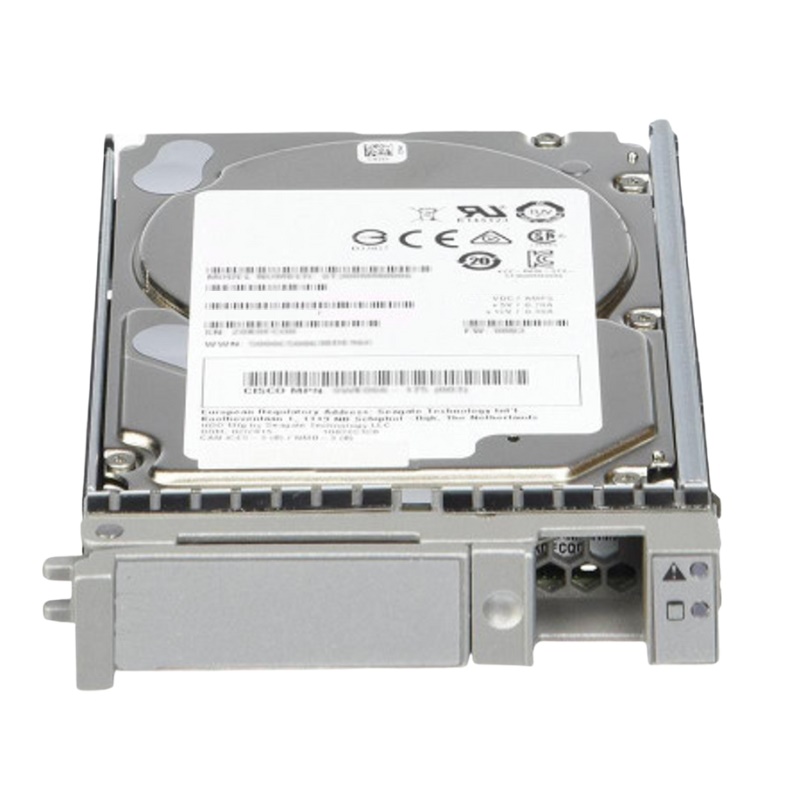


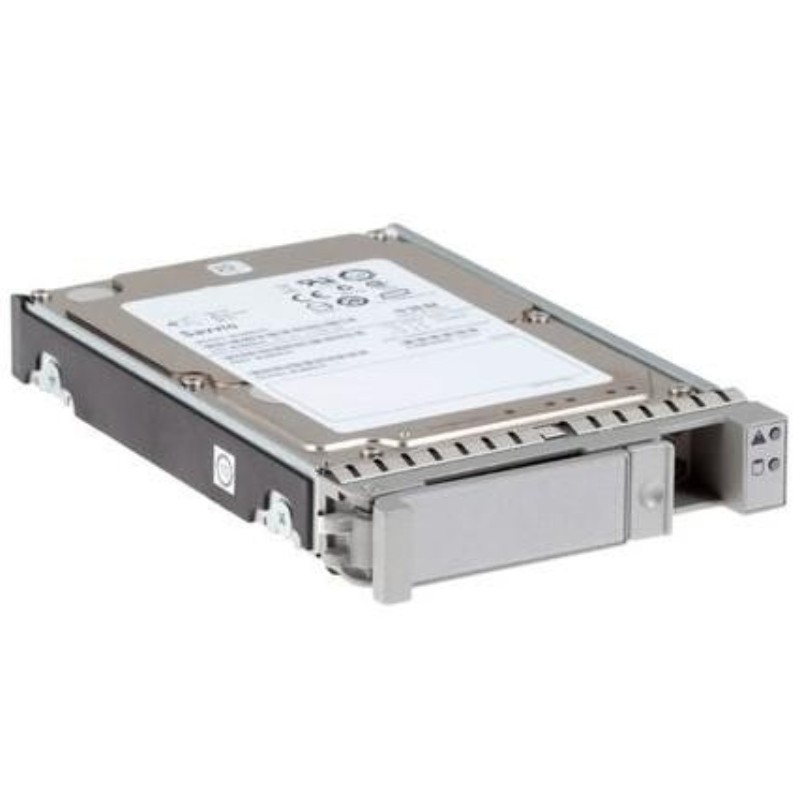
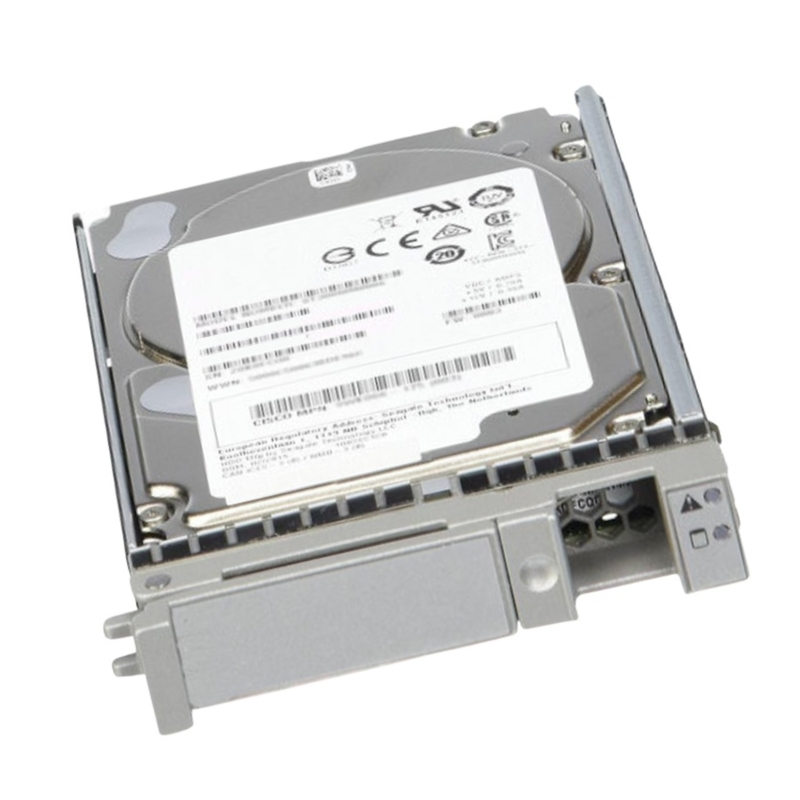
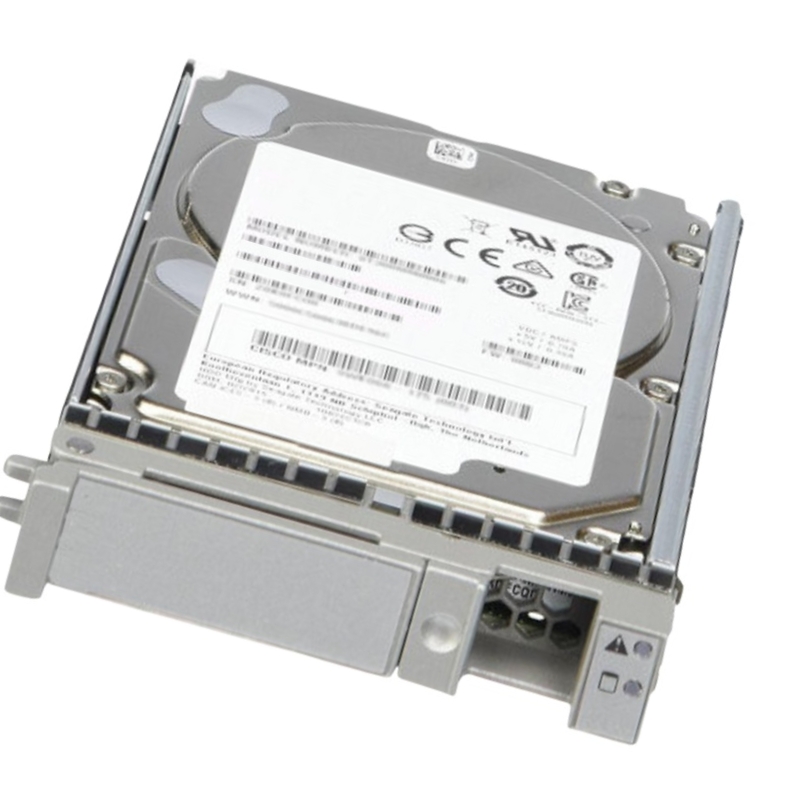
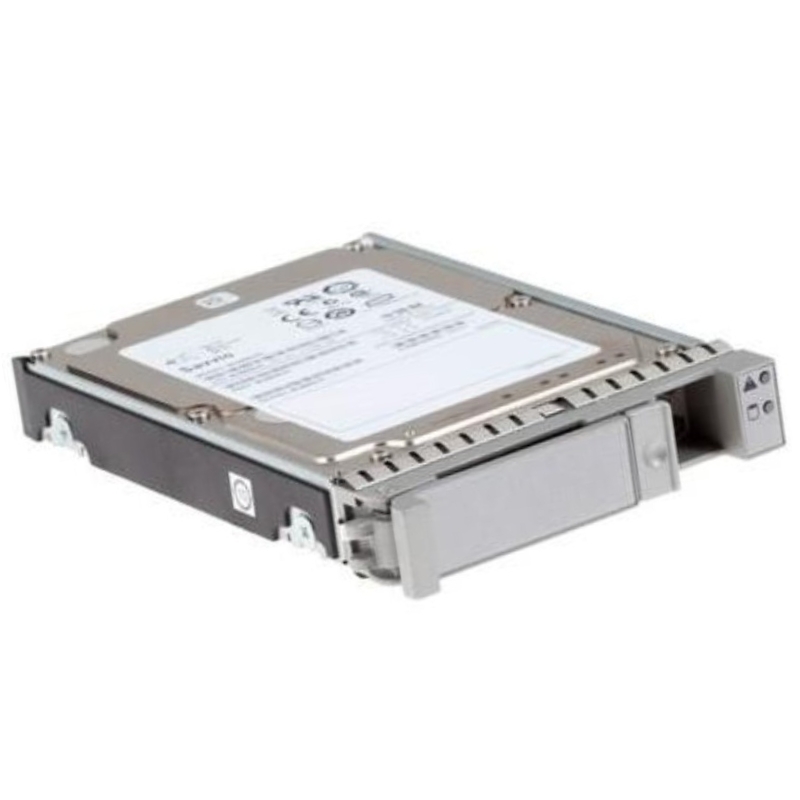
Cisco UCS-HD16T7KL4KN SAS 12GBPS 16TB Hard Drive 7.2K RPM LFF 4Kn. Excellent Refurbished with 1 year replacement warranty
The Cisco UCS-HD16T7KL4KN is a high‑capacity enterprise‑grade engineered for data‑intensive environments. Designed for reliability and long‑term performance, this 16TB 7.2K RPM LFF 4Kn storage solution delivers exceptional scalability for modern server infrastructures.
The Cisco UCS-HD16T7KL4KN SAS 12Gbps 16TB 7.2K RPM LFF 4Kn Hard Drive belongs to a highly specialized category of enterprise storage devices engineered for mission-critical computing environments. Designed to operate within Unified Computing System (UCS) infrastructures, this class of hard drives is optimized for high-capacity storage, consistent throughput, and long-term operational reliability in data center deployments.
These drives are particularly suited for environments requiring stable sequential performance and high endurance under continuous workloads. The combination of SAS 12Gbps interface, 16TB storage capacity, 7,200 RPM spindle speed, Large Form Factor (LFF), and 4Kn advanced format sectors positions this category as a core component for storage arrays, virtualization clusters, backup systems, and archival repositories.
Within Cisco UCS infrastructure, hard drives like the UCS-HD16T7KL4KN are integrated into blade servers, rack servers, and storage expansion shelves to support scalable computing environments. These drives are engineered for compatibility with UCS storage backplanes, ensuring seamless integration with RAID controllers, storage virtualization layers, and enterprise management systems. Their deployment contributes to the efficiency of unified computing, where compute, network, and storage resources are centrally managed.
This category of hard drives is essential in environments where data availability and redundancy are prioritized. They are commonly used in distributed storage systems where large datasets must be stored reliably without compromising accessibility or performance consistency. The architecture supports both transactional and sequential workloads, making it suitable for a wide variety of enterprise applications.
The Serial Attached SCSI (SAS) 12Gbps interface represents a significant advancement in enterprise storage connectivity. This interface allows the Cisco UCS-HD16T7KL4KN drive to deliver high-speed data transfer rates while maintaining signal integrity over longer cabling distances compared to SATA-based alternatives. SAS architecture is known for its dual-port capability, enabling redundant paths for failover and increased system resilience in high-availability environments.
The 12Gbps throughput capability ensures that large-scale data operations, including database queries, virtualization workloads, and backup processes, are executed with reduced latency. This makes the category highly suitable for enterprises managing large volumes of structured and unstructured data.
A defining feature of this category is its massive 16TB storage capacity, enabling organizations to consolidate data into fewer physical drives. This high-density design reduces rack space requirements, lowers power consumption per terabyte, and simplifies storage management. In large-scale data centers, such efficiency improvements translate into significant operational cost savings and improved scalability.
The 16TB capacity also supports modern data growth trends driven by cloud computing, artificial intelligence workloads, big data analytics, and enterprise backup systems. These drives are often deployed in environments where long-term retention of large datasets is critical.
The 7,200 RPM spindle speed of the UCS-HD16T7KL4KN places it within the category of nearline enterprise hard drives. While not as fast as 10K or 15K RPM drives, 7.2K RPM models provide an optimal balance between performance, capacity, and power efficiency. This balance makes them particularly suitable for archival storage, cold and warm data tiers, and bulk storage applications.
The rotational speed contributes to predictable latency and stable throughput, especially in sequential read/write operations. This makes the drive well-suited for workloads that prioritize capacity and reliability over ultra-low latency random access performance.
The Large Form Factor design typically refers to 3.5-inch drive architecture, which allows for higher platter density and improved thermal management. In enterprise environments, LFF drives are often preferred for high-capacity storage arrays because they can accommodate more data per physical drive compared to Small Form Factor alternatives.
This structural advantage directly contributes to lower total cost of ownership, as fewer drives are required to achieve the same storage capacity. Additionally, LFF drives often exhibit improved durability characteristics due to enhanced internal spacing and heat dissipation capabilities.
The 4Kn (4K native) sector format represents a modern advancement in hard drive architecture, replacing traditional 512-byte sectors with 4096-byte logical sectors. This shift enhances error correction capabilities, improves storage efficiency, and increases compatibility with modern operating systems and enterprise storage systems.
The adoption of 4Kn technology in the UCS-HD16T7KL4KN category improves performance in large-scale data environments by reducing overhead associated with legacy formatting schemes. It also enables better alignment with advanced file systems, virtualized storage layers, and database optimization techniques.
One of the primary applications of this hard drive category is data center storage expansion. Enterprises that experience rapid data growth require scalable storage solutions that can be seamlessly integrated into existing infrastructure. These drives provide the necessary capacity and reliability to support expanding workloads without requiring complete system redesigns.
They are frequently deployed in storage arrays that support cloud services, enterprise resource planning systems, and customer data management platforms. Their ability to maintain consistent performance under heavy loads makes them suitable for continuous operation environments.
Virtualization environments rely heavily on stable and scalable storage systems. The UCS-HD16T7KL4KN category supports virtual machine hosting, hyper-converged infrastructure, and private cloud deployments. The high capacity allows multiple virtual machines to share storage resources efficiently, while SAS connectivity ensures stable I/O performance across workloads.
In cloud infrastructures, these drives contribute to storage pools that support dynamic provisioning, snapshot management, and disaster recovery operations. Their reliability is crucial for maintaining uptime in multi-tenant environments.
Backup systems require high-capacity drives capable of handling large sequential write operations. The 16TB capacity combined with 7.2K RPM performance makes this category ideal for enterprise backup repositories. Organizations use these drives to store system backups, database snapshots, and long-term archival data.
Archival systems benefit from the drive’s ability to store large volumes of infrequently accessed data while maintaining low operational costs. This ensures compliance with data retention policies and regulatory requirements in industries such as finance, healthcare, and telecommunications.
Big data environments involve processing and storing massive datasets that require scalable storage infrastructure. The UCS-HD16T7KL4KN category supports distributed analytics platforms, data lakes, and machine learning training datasets. Its high capacity enables organizations to store raw and processed data efficiently.
In analytics workflows, sequential read performance is often more important than random access speed, making 7.2K RPM drives a practical choice for large-scale data processing pipelines.
This category of hard drives is built to meet stringent enterprise reliability standards, ensuring continuous operation in demanding environments. These drives are designed for 24/7 workloads and undergo rigorous testing for vibration tolerance, thermal stability, and mechanical endurance.
The durability characteristics ensure that the drives maintain consistent performance even under sustained heavy workloads, making them suitable for mission-critical applications.
Advanced error correction technologies are integrated into the drive architecture to ensure data integrity during read and write operations. The 4Kn sector format enhances these capabilities by providing larger sector sizes for improved redundancy and error detection.
These mechanisms help prevent data corruption and ensure that stored information remains accurate and accessible over long periods of time.
Energy efficiency is a critical consideration in enterprise storage environments. The UCS-HD16T7KL4KN category is optimized for lower power consumption compared to high-RPM alternatives, reducing operational costs in large-scale deployments.
Thermal management is also a key design feature, allowing drives to maintain optimal operating temperatures even in densely packed server enclosures. This contributes to improved system longevity and reduced cooling requirements.
Integration with UCS management tools allows administrators to monitor drive health, performance metrics, and predictive failure indicators. This enables proactive maintenance strategies that reduce downtime and improve system reliability.
Storage provisioning and configuration can be centrally managed, simplifying deployment in large-scale enterprise environments.
The drive category is commonly used in RAID configurations, providing redundancy and performance optimization. RAID arrays enhance data protection by distributing data across multiple drives, ensuring continuity in case of hardware failure.
This makes the UCS-HD16T7KL4KN suitable for environments where data availability is critical and downtime must be minimized.
Modern IT infrastructures require scalable storage solutions that can grow with organizational needs. These hard drives support distributed storage architectures where capacity can be expanded incrementally without disrupting existing operations.
This scalability is essential for cloud service providers, enterprise IT departments, and research institutions managing large datasets.


 Contact Us
 Information
 Catalog
 Solid State Drives (SSD)
 Network Switches
 Hard Disk Drives
 HBA & Controllers
 PC & Servers
 PC & Server Memory
 CPU & Processors
 Network Routers
 Power Supplies
 Tape Drives & Libraries
 Network Devices
 Computer & Network Cables