(7% discount is applied at checkout)
Cart is empty
Your go-to destination for cutting-edge server products
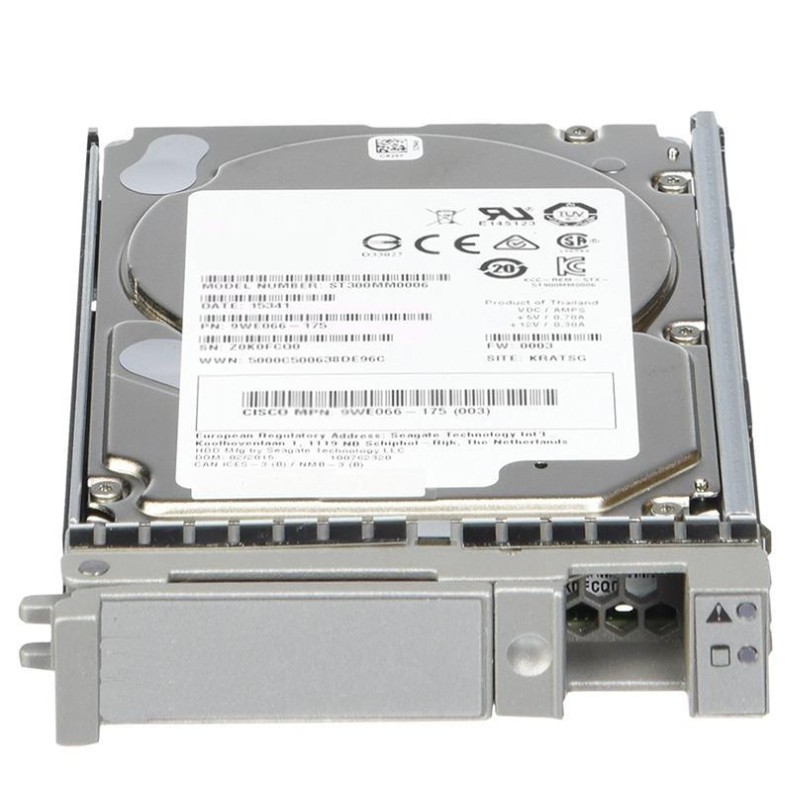


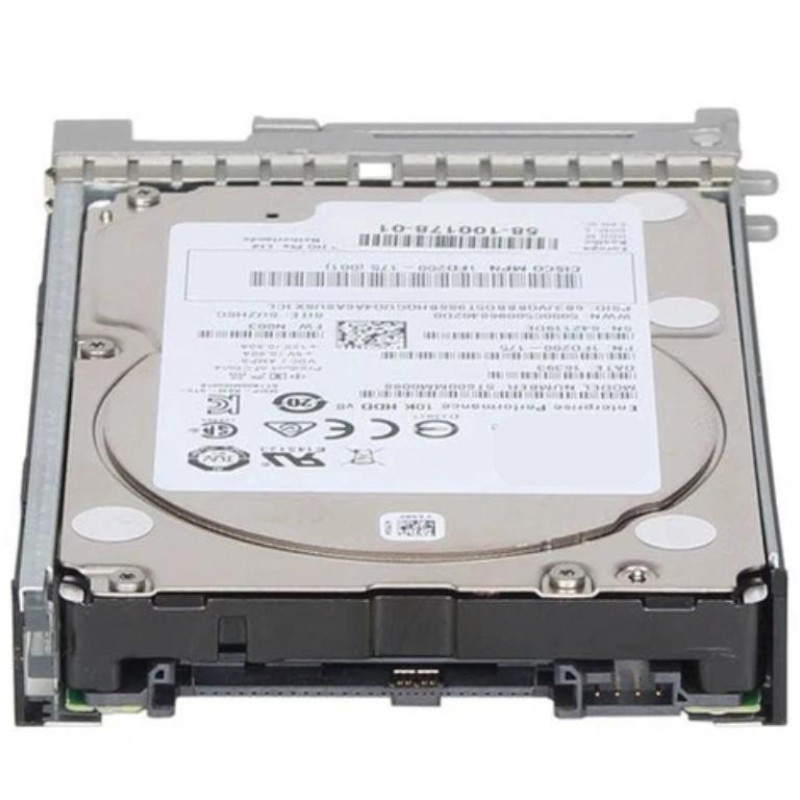
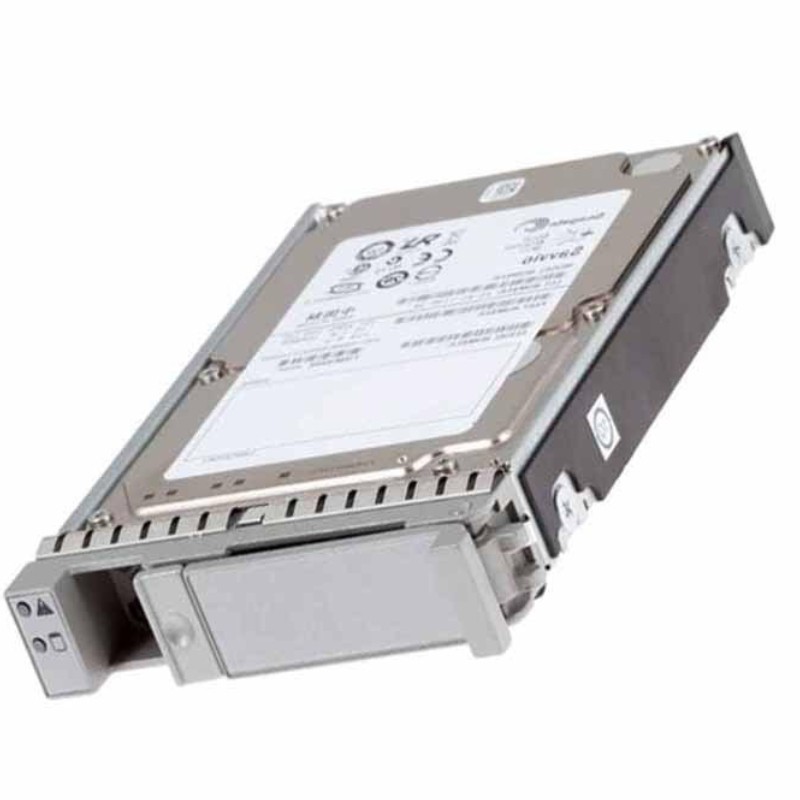
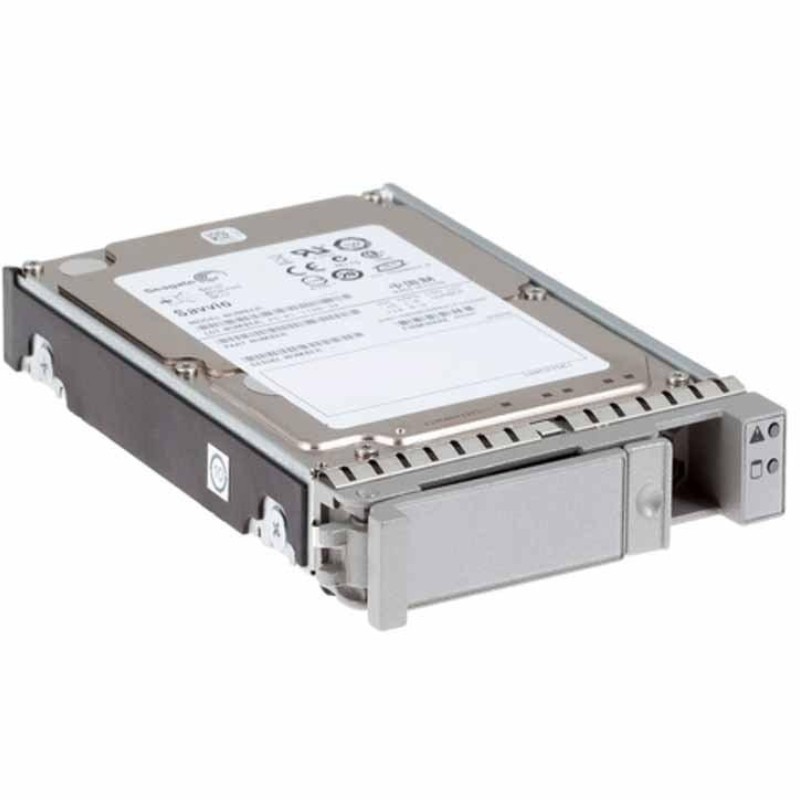
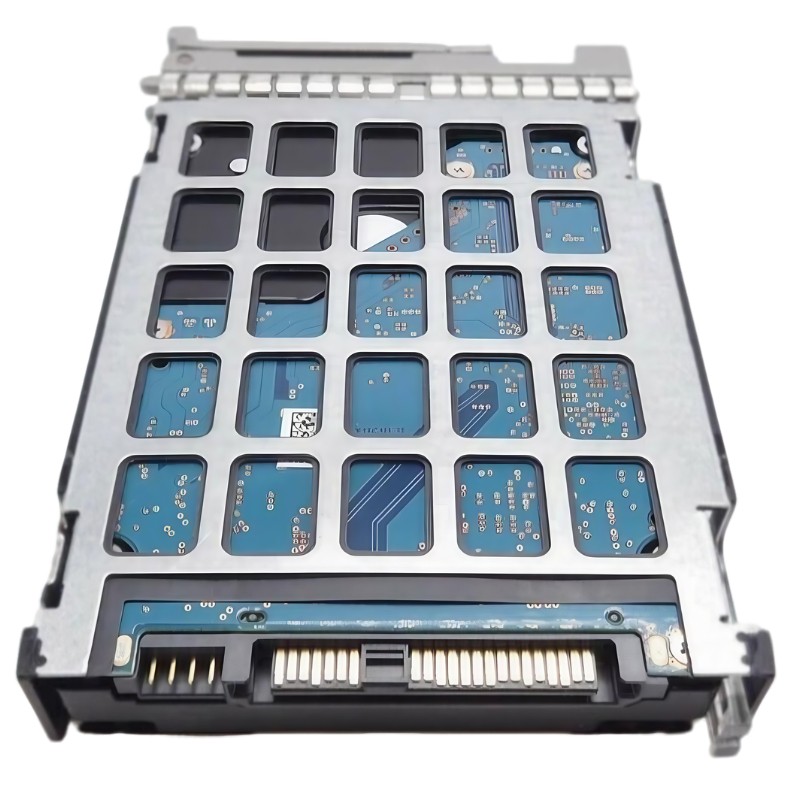
Cisco UCS-HD6T7KL4K 6TB 7.2K RPM SAS 12GBPS Hot Swap (4K) 3.5-inch Internal Hard Drive. Excellent Refurbished with 1 year replacement warranty
The Cisco UCS-HD6T7KL4K is a high‑capacity enterprise storage drive designed for reliability and scalability. With a 6TB capacity, 7,200 RPM spindle speed, and 12Gb/s SAS interface, this 3.5-inch LFF hot‑swap disk ensures efficient performance for data‑intensive workloads and mission‑critical applications.
The Cisco UCS-HD6T7KL4K 6TB 7.2K RPM SAS 12Gbps Hot Swap (4K) 3.5-inch Internal Hard Drive represents a critical component within enterprise-grade data center storage ecosystems designed for high availability, scalability, and sustained performance under demanding workloads. Built for Cisco Unified Computing System (UCS) environments, this class of hard drive is engineered to meet the rigorous expectations of modern virtualization, cloud infrastructure, database hosting, and large-scale enterprise storage arrays where reliability and predictable throughput are essential.
Within the broader category of enterprise SAS hard drives, this model occupies a space focused on balancing capacity, rotational speed, and data integrity. It is optimized for environments requiring consistent 24/7 uptime and integration into hot-swappable storage infrastructures. Its 12Gbps SAS interface enables high-speed communication with storage controllers, ensuring minimal bottlenecks in data-intensive applications.
The 7,200 RPM rotational speed class is widely recognized as a balanced performance tier in enterprise storage design. While not as fast as 10K or 15K RPM drives, 7.2K RPM drives are optimized for capacity-heavy workloads where sustained sequential throughput and storage density are prioritized over ultra-low latency random access performance. This makes them particularly suitable for archival systems, backup repositories, and large-scale data lakes.
In environments utilizing Cisco UCS infrastructure, the 7.2K RPM design is often selected for its ability to deliver stable performance under continuous load while maintaining lower power consumption and heat output compared to higher RPM alternatives. This efficiency directly contributes to improved rack density and reduced operational cooling overhead in enterprise data centers.
The Serial Attached SCSI (SAS) 12Gbps interface provides a significant advantage in enterprise storage systems by offering full-duplex communication, higher queue depth handling, and improved error correction compared to SATA-based storage solutions. The 12Gbps throughput capability ensures that multiple concurrent data streams can be processed efficiently without congestion, which is critical in multi-tenant virtualization environments.
SAS architecture also supports dual-port connectivity, allowing redundant data paths to storage controllers. This redundancy is essential for failover protection and high availability configurations, which are foundational principles in Cisco UCS deployments.
One of the defining characteristics of the Cisco UCS-HD6T7KL4K storage category is its hot swap capability. Hot swapping allows administrators to replace or upgrade hard drives without shutting down the system or interrupting active workloads. This feature is indispensable in enterprise environments where downtime translates directly into financial loss or operational disruption.
In data centers running continuous services such as virtual machines, cloud-hosted applications, or large database clusters, the ability to perform maintenance operations without service interruption is a core requirement. Hot swap support ensures that failed drives can be replaced immediately while the system remains fully operational.
Cisco UCS servers are designed with modular drive bays that support hot-pluggable storage devices. The UCS-HD6T7KL4K is engineered to fit seamlessly into these standardized bays, ensuring mechanical compatibility, airflow optimization, and secure connectivity. This tight integration minimizes installation complexity and reduces the risk of configuration errors during maintenance operations.
The 4K sector format, also known as Advanced Format, improves storage efficiency by increasing the physical sector size from traditional 512-byte sectors to 4096-byte sectors. This enhancement allows for improved error correction capabilities, reduced overhead, and more efficient use of disk space, especially in large-capacity drives such as 6TB enterprise models.
By adopting 4K sector alignment, systems benefit from improved performance in modern operating systems and virtualization platforms that are optimized for larger block sizes. This results in better throughput and reduced latency in data-intensive operations.
Enterprise SAS drives incorporate advanced error correction code (ECC) algorithms designed to detect and correct data corruption at the hardware level. These mechanisms are essential in maintaining data integrity in environments where continuous read/write cycles are common. The 4K format further enhances these capabilities by reducing the frequency of sector boundary fragmentation and improving checksum accuracy.
The 6TB storage capacity of this drive class positions it as a strong candidate for medium to large-scale enterprise storage arrays. It is particularly effective in environments where data growth is predictable and capacity scaling is achieved through horizontal expansion rather than vertical replacement.
This capacity tier is frequently deployed in backup systems, content repositories, surveillance storage infrastructures, and distributed file systems where large volumes of sequential data must be stored reliably over extended periods.
The UCS-HD6T7KL4K class is optimized for nearline storage workloads. These workloads typically involve moderate read/write intensity with a strong emphasis on capacity rather than extreme transactional performance. In hybrid storage architectures, these drives are often paired with high-speed SSD tiers that handle caching and active workloads, while SAS HDDs manage long-term data retention.
The 3.5-inch form factor remains a cornerstone in enterprise storage design due to its ability to accommodate larger platters and higher storage densities compared to 2.5-inch drives. This physical size allows manufacturers to deliver higher capacity per drive while maintaining cost efficiency at scale.
In Cisco UCS environments, 3.5-inch drives are commonly deployed in storage-dense chassis configurations where maximizing per-bay capacity is a priority. This ensures efficient use of rack space and simplifies scaling strategies for large deployments.
Enterprise hard drives are designed with airflow optimization in mind. The UCS-HD6T7KL4K integrates thermal management features that ensure stable operation even under sustained workloads. Proper airflow within UCS chassis ensures that drive temperatures remain within safe operating thresholds, thereby extending operational lifespan and reducing failure rates.
Enterprise SAS drives are designed for continuous operation in demanding environments. The UCS-HD6T7KL4K is built to withstand constant read/write cycles without degradation in performance. This durability is essential in data center environments where systems are expected to remain operational year-round without scheduled downtime.
The internal components are engineered to resist vibration, thermal stress, and mechanical wear, ensuring consistent reliability even in high-density server racks where multiple drives operate in close proximity.
Enterprise-grade drives are typically rated with high MTBF values, reflecting their expected operational lifespan under standard workloads. This reliability metric is a key factor in procurement decisions for IT infrastructure architects who must balance cost, performance, and long-term operational stability.
The UCS-HD6T7KL4K is specifically designed for integration into Cisco UCS environments, ensuring full compatibility with UCS blade servers, rack servers, and storage systems. This compatibility extends to firmware alignment, hardware recognition, and performance optimization within Cisco’s unified management framework.
Through UCS Manager, administrators can monitor drive health, performance metrics, and predictive failure indicators, enabling proactive maintenance strategies that reduce downtime and improve system reliability.
In virtualized environments, these drives are commonly used as part of storage pools that support virtual machines, containerized applications, and cloud services. Their predictable performance characteristics make them suitable for workloads that require consistent throughput rather than burst performance.
The performance profile of a 7.2K RPM SAS drive is heavily oriented toward sequential read and write operations. This makes it highly effective for large file transfers, media storage systems, and backup operations where data is accessed in continuous blocks rather than random patterns.
In Cisco UCS environments, sequential performance is often enhanced through controller-level caching and RAID configurations, which further improve data throughput and redundancy.
While not designed for ultra-low latency random access workloads, the UCS-HD6T7KL4K still provides adequate performance for mixed-use environments where random I/O operations are moderate. When combined with SSD caching layers, its performance in such environments can be significantly optimized.
Enterprise storage systems increasingly rely on horizontal scaling, where additional drives are added to expand capacity rather than replacing existing hardware. The UCS-HD6T7KL4K supports this model by allowing seamless integration into expanded storage arrays.
This approach provides flexibility for organizations experiencing rapid data growth, enabling them to scale infrastructure incrementally without major architectural overhauls.
In hybrid storage architectures, SAS HDDs are combined with SSDs to create tiered storage systems. Frequently accessed data resides on high-speed SSDs, while bulk storage is handled by high-capacity SAS drives like the UCS-HD6T7KL4K. This balance optimizes both performance and cost efficiency.


 Contact Us
 Information
 Catalog
 Solid State Drives (SSD)
 Network Switches
 Hard Disk Drives
 HBA & Controllers
 PC & Servers
 PC & Server Memory
 CPU & Processors
 Network Routers
 Power Supplies
 Tape Drives & Libraries
 Network Devices
 Computer & Network Cables