(7% discount is applied at checkout)
Cart is empty
Your go-to destination for cutting-edge server products
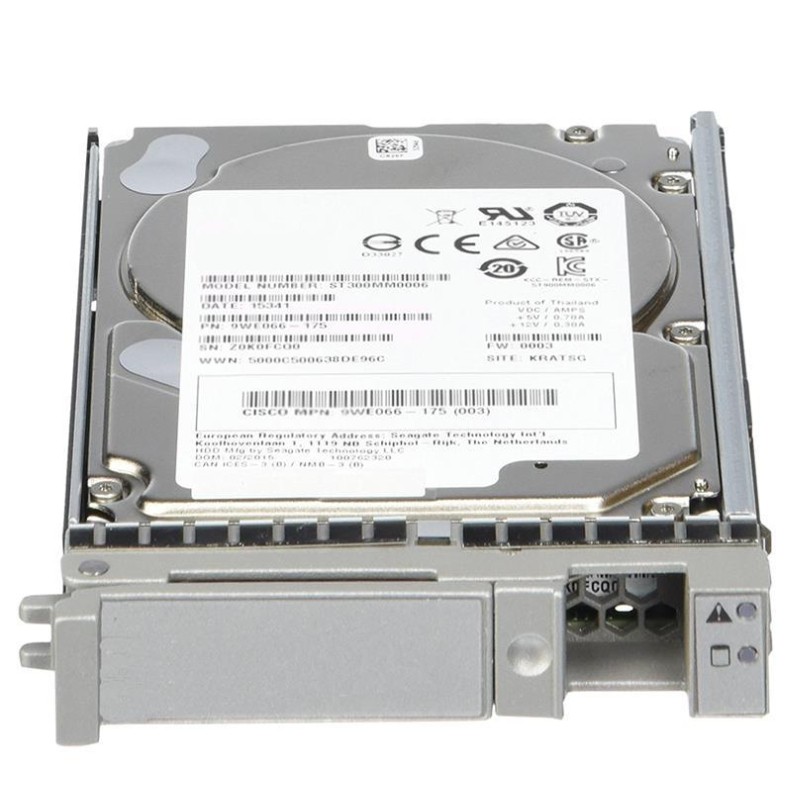


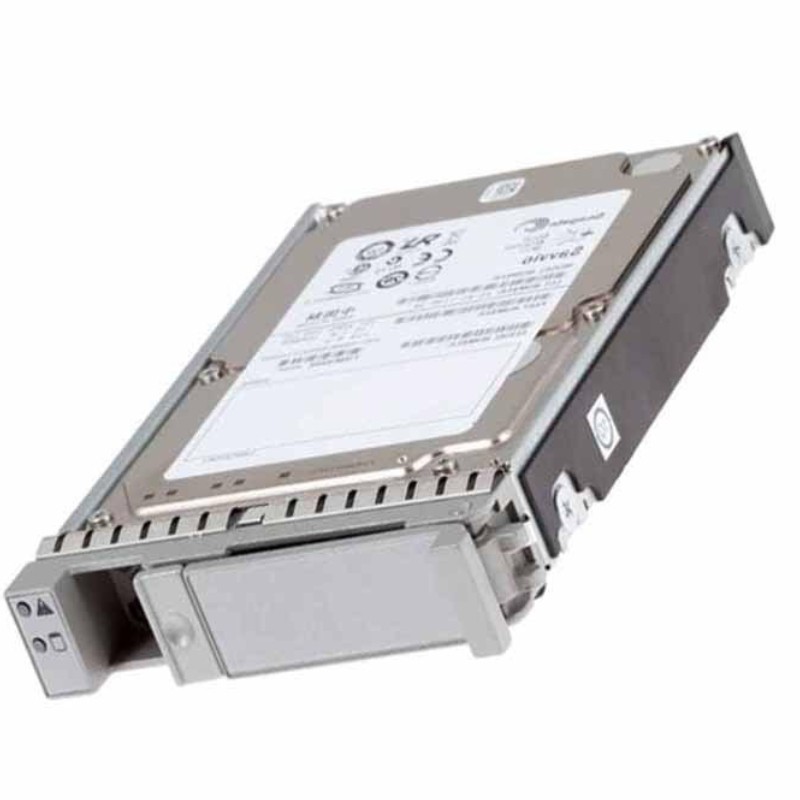
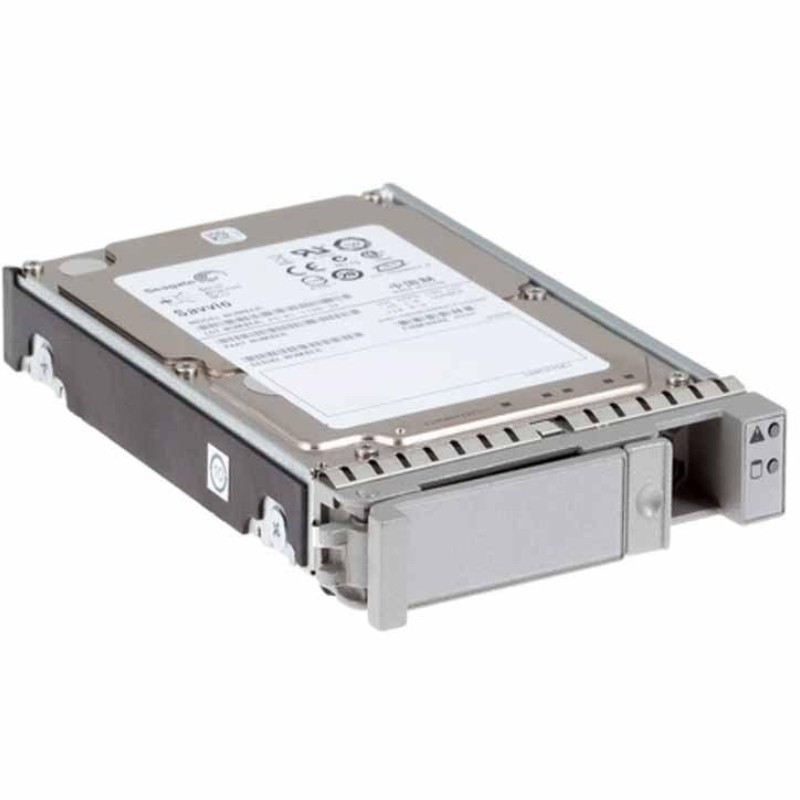
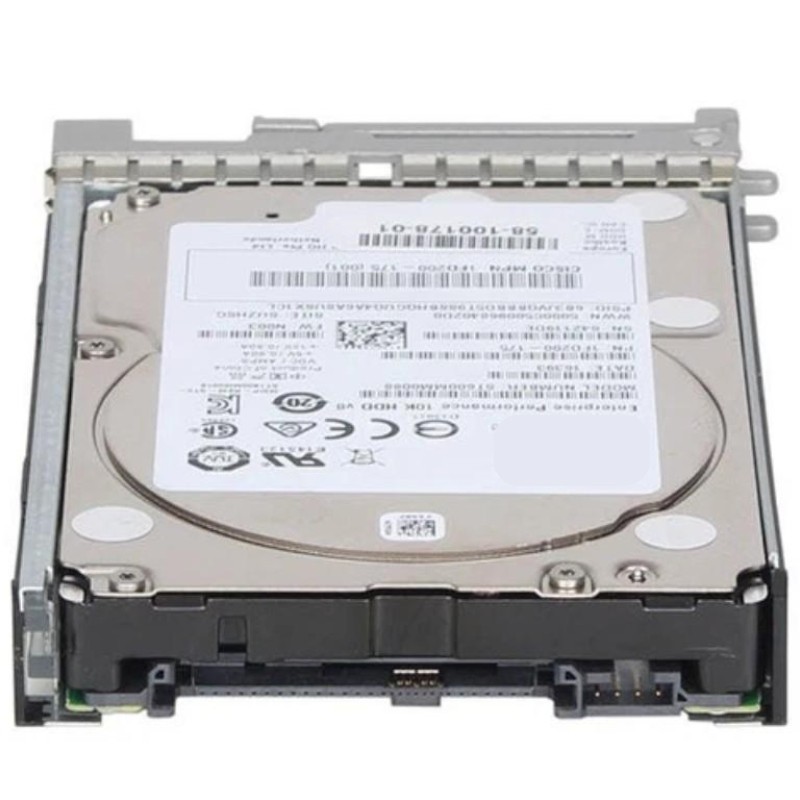
Cisco UCS-HD6T7KL6GN 6TB 7.2K RPM SATA 6GBPS Lff 3.5inch Hot Swap 512e Hard Drive with tray. Excellent Refurbished with 1 year replacement warranty
The Cisco UCS-HD6T7KL6GN is a high‑capacity enterprise SATA hard drive engineered for dependable storage performance. Featuring a 6TB capacity, 7,200 RPM spindle speed, and a 6Gb/s SATA interface, this 3.5-inch LFF hot‑swap disk is ideal for large‑scale data workloads, server expansion, and long‑term storage environments.
The Cisco UCS-HD6T7KL6GN 6TB 7.2K RPM SATA 6Gbps LFF 3.5-inch Hot Swap 512e Hard Drive with tray represents a critical component within enterprise-grade data storage ecosystems designed for scalable, reliable, and high-availability server environments. Positioned within the Cisco Unified Computing System storage hardware ecosystem, this drive is engineered for organizations that require dependable capacity storage for mixed workloads, archival systems, virtualization layers, and large-scale data retention infrastructures. Manufactured under the rigorous standards of storage architecture, this drive is optimized for seamless integration into UCS server platforms that demand consistency, performance stability, and operational longevity.
Enterprise SATA hard drives such as the Cisco UCS-HD6T7KL6GN belong to a specialized category of storage devices designed for server and data center use rather than consumer computing. These drives are built to sustain continuous workloads, multi-user access environments, and high-volume data transactions. The SATA 6Gbps interface provides a balance between cost efficiency and performance capability, making it a preferred solution for capacity-oriented storage tiers in hybrid storage infrastructures. Within enterprise architectures, these drives are commonly deployed in backup servers, cold storage arrays, virtualization clusters, and distributed storage nodes where reliability is as important as raw capacity.
In modern storage design, tiered architectures separate data based on performance requirements. High-speed SSDs handle transactional workloads, while high-capacity SATA hard drives like the UCS-HD6T7KL6GN manage bulk storage and less latency-sensitive operations. This separation enables enterprises to optimize cost while maintaining system efficiency. The 6TB capacity ensures that large datasets, backups, and archival records can be stored economically without compromising system integrity or accessibility.
The 6TB storage capacity of this hard drive is designed to meet the demands of expanding data ecosystems. As organizations generate increasing volumes of structured and unstructured data, high-capacity drives become essential in reducing physical storage footprint while maximizing data retention. This capacity supports applications such as log storage, media repositories, virtualization snapshots, and enterprise backup systems.
Operating at 7200 RPM, the drive delivers a balanced performance profile suitable for enterprise workloads that prioritize sustained throughput over ultra-low latency. The rotational speed ensures consistent read and write performance for sequential workloads, making it ideal for backup operations, data archiving, and large file transfers. In environments where workload predictability is essential, 7.2K RPM drives provide stable performance curves under continuous operation.
The SATA 6Gbps interface serves as a widely adopted standard in enterprise storage systems due to its compatibility, scalability, and cost-effectiveness. It provides sufficient bandwidth for mechanical drives while ensuring integration flexibility across various server platforms. The interface allows the drive to communicate efficiently with storage controllers, enabling optimized data flow and reduced bottlenecks in multi-drive arrays.
The LFF 3.5-inch form factor is widely used in enterprise storage solutions due to its ability to house larger platters, which directly contribute to higher storage capacities. This physical design supports better cost-per-terabyte ratios compared to smaller form factors. It also allows improved thermal dissipation characteristics, which are crucial in densely populated server enclosures.
The 512e (512-byte emulation) sector format enables compatibility between legacy systems and modern storage architectures. While physically using advanced formatting structures internally, it emulates 512-byte sectors for compatibility with older operating systems and applications. This ensures smooth integration without requiring major infrastructure changes, making it suitable for hybrid IT environments transitioning between legacy and modern systems.
Hot swap functionality allows the Cisco UCS-HD6T7KL6GN drive to be replaced or installed without shutting down the server system. This feature is essential in enterprise environments where downtime can result in significant operational and financial impact. Hot swap support ensures continuous service availability, enabling IT administrators to perform maintenance, upgrades, or replacements while systems remain online.
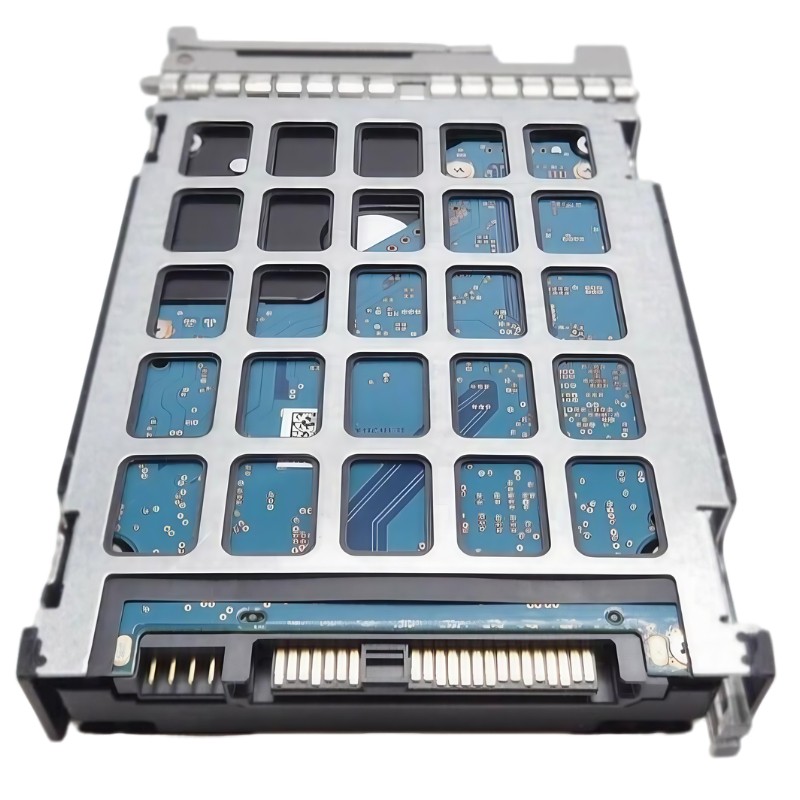
The inclusion of a drive tray enhances installation efficiency by providing a standardized mounting mechanism compatible with Cisco UCS server chassis. This ensures that drives can be inserted and secured quickly without requiring specialized tools or extended configuration procedures. The tray system also improves airflow alignment and physical stability within dense server racks.
One of the primary use cases for the UCS-HD6T7KL6GN is data backup and archival storage. Enterprises require large, cost-effective storage systems to retain historical data, compliance records, and disaster recovery snapshots. The high capacity and stable performance of this drive make it suitable for long-term retention strategies where data retrieval speed is secondary to storage reliability.
Virtualized environments benefit from high-capacity storage systems that can accommodate multiple virtual machine images, snapshots, and system states. This drive supports virtualization platforms by providing stable storage layers for non-critical virtual machine data, enabling efficient resource allocation across compute clusters. In cloud infrastructures, it contributes to scalable storage backends that grow with demand.
Organizations dealing with media production, content delivery networks, and digital archives require large sequential storage capacity. The UCS-HD6T7KL6GN supports such workloads by enabling efficient storage of high-resolution video files, audio libraries, and multimedia assets. Its sustained throughput performance ensures smooth handling of large file transfers.
Enterprise hard drives are engineered for continuous operation under demanding conditions. The UCS-HD6T7KL6GN is designed to withstand extended operational cycles, vibration within server racks, and high thermal environments. This durability is essential in data centers where drives operate continuously for years without interruption.
Advanced error correction technologies embedded within the drive firmware help maintain data integrity during read and write operations. These mechanisms reduce the likelihood of data corruption and ensure consistent performance even under heavy workloads. Combined with RAID configurations commonly used in enterprise systems, this enhances overall data protection strategies.
The UCS-HD6T7KL6GN is specifically designed for integration within UCS server environments that follow standardized hardware configurations. These environments benefit from uniform storage components that simplify system management, reduce compatibility issues, and streamline maintenance processes. As part of Unified Computing System architecture, the drive contributes to cohesive infrastructure performance.
Scalability is a core requirement in modern enterprise IT systems. This hard drive supports horizontal scaling strategies where additional storage capacity can be added incrementally without disrupting existing workloads. This allows organizations to expand storage infrastructure in alignment with business growth.
The drive is optimized for sequential read and write operations commonly found in backup systems and large dataset transfers. These workloads benefit from the consistent rotational speed and high-capacity platters that reduce fragmentation-related inefficiencies. The result is predictable performance even during sustained operations.
While primarily designed for capacity storage, the UCS-HD6T7KL6GN can handle mixed workloads involving both random and sequential access patterns. This makes it suitable for environments where storage demand varies dynamically, such as virtualized server farms and multi-tenant infrastructures.
The 3.5-inch form factor contributes to improved thermal dissipation compared to smaller drive formats. In high-density server configurations, maintaining stable operating temperatures is essential for drive longevity and performance consistency. Proper airflow design within UCS chassis ensures that thermal output remains within acceptable thresholds.
Enterprise SATA drives are engineered with energy efficiency in mind, balancing performance requirements with power consumption constraints. The 7.2K RPM configuration ensures that energy usage remains controlled while still delivering sufficient throughput for enterprise storage tasks. This makes it suitable for large-scale deployments where power efficiency directly impacts operational cost.
In hybrid storage systems, mechanical drives like the UCS-HD6T7KL6GN complement solid-state storage by handling bulk data storage while SSDs manage performance-critical tasks. This division of responsibilities allows enterprises to optimize both cost and efficiency across their storage infrastructure.
Data lifecycle management policies often move data between high-performance and high-capacity storage tiers based on usage frequency. This drive plays a key role in long-term retention stages where data is accessed less frequently but must remain securely stored and readily available when needed.


 Contact Us
 Information
 Catalog
 Solid State Drives (SSD)
 Network Switches
 Hard Disk Drives
 HBA & Controllers
 PC & Servers
 PC & Server Memory
 CPU & Processors
 Network Routers
 Power Supplies
 Tape Drives & Libraries
 Network Devices
 Computer & Network Cables