(7% discount is applied at checkout)
Cart is empty
Your go-to destination for cutting-edge server products
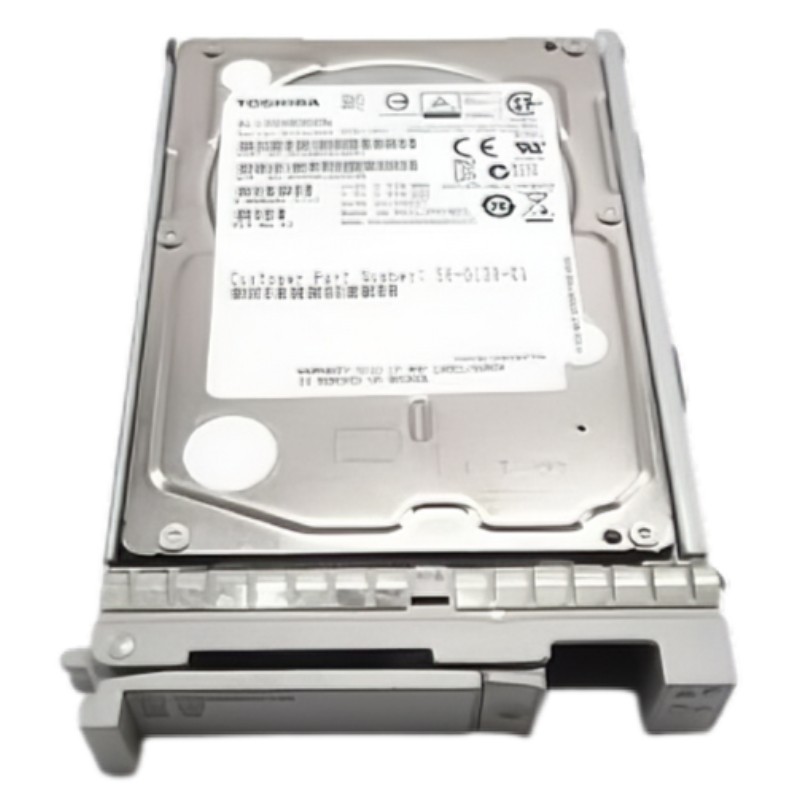


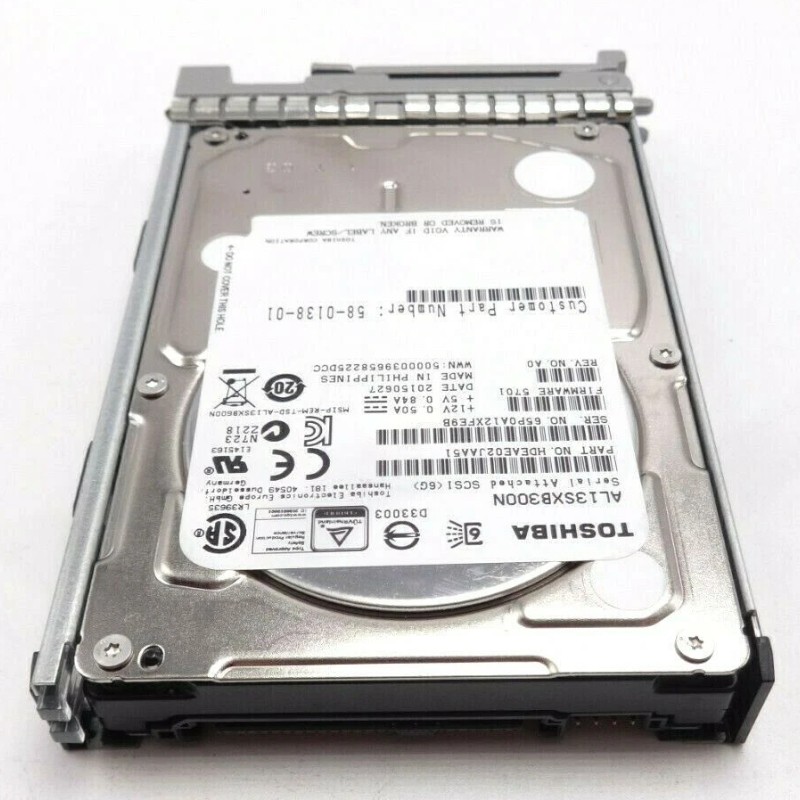
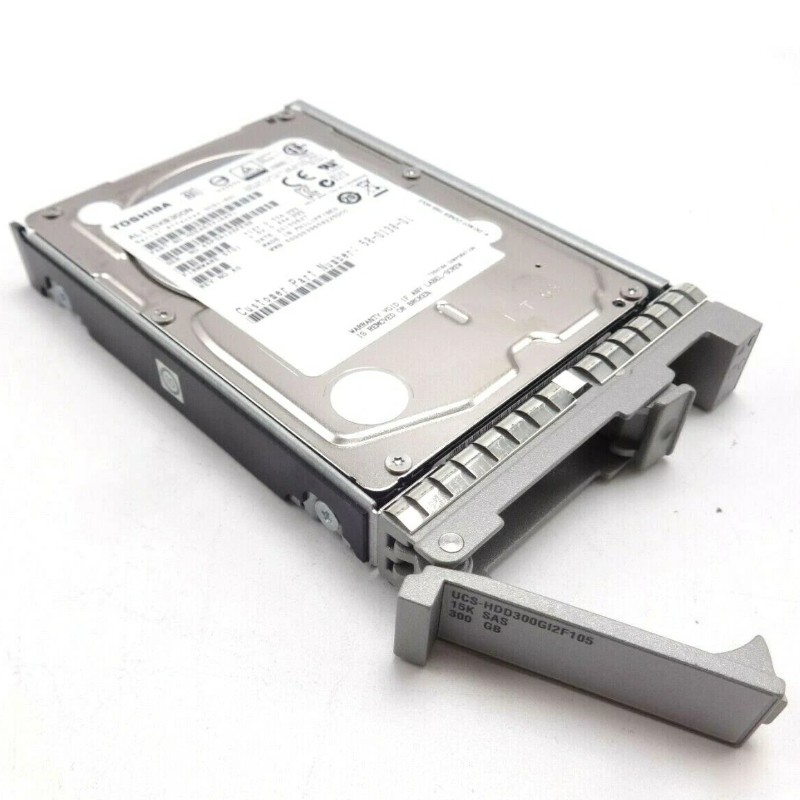
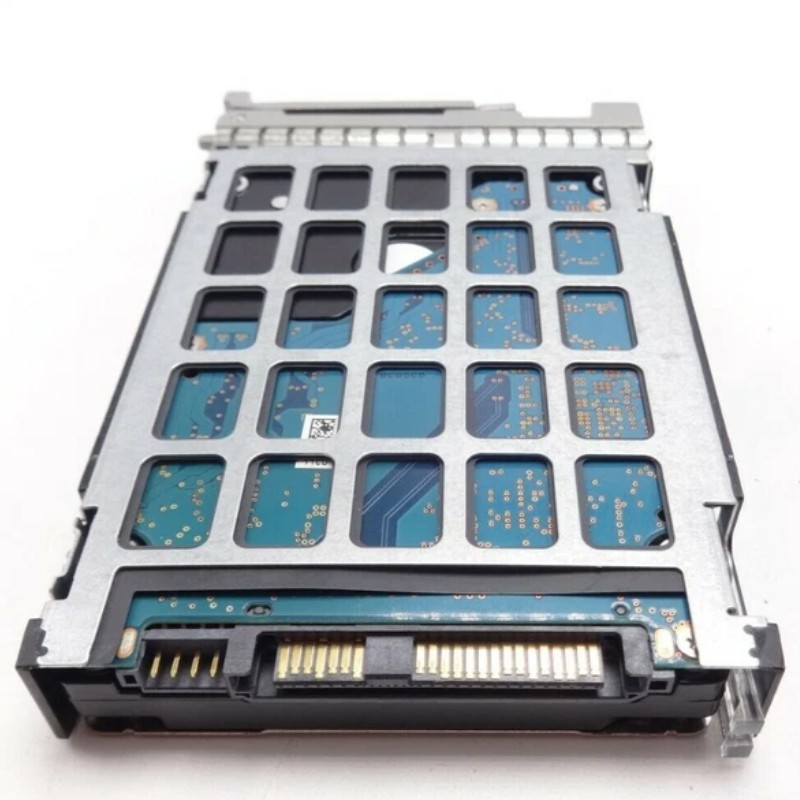
Cisco UCS-HDD300GI2F105 300GB SAS 6GBPS SFF Hard Drive, 15K RPM, Hot Plug. Excellent Refurbished with 1 year replacement warranty
The Cisco UCS‑HDD300GI2F105 is a high‑performance enterprise storage solution designed for demanding data‑center environments. This 300GB SAS hard disk drive delivers exceptional speed, reliability, and seamless integration with Cisco UCS servers.
The enterprise storage category represented by the Cisco UCS-HDD300GI2F105 300GB SAS 6Gbps SFF 15K RPM Hot Plug Hard Disk Drive is a highly specialized segment of high-performance rotational storage designed for mission-critical computing environments. This category is defined by enterprise Serial Attached SCSI (SAS) hard disk drives that prioritize speed, reliability, and consistent low-latency performance over raw capacity. Developed for integration into unified computing environments such as Cisco UCS blade and rack servers, this class of storage devices plays a foundational role in supporting transactional databases, virtualization workloads, and high-availability enterprise applications where predictable input/output performance is essential.
Within modern data centers, enterprise SAS drives like this model from are deployed in environments where downtime is not acceptable and data consistency is critical. These drives are engineered for continuous operation under heavy workloads and are commonly integrated into RAID arrays, high-performance storage pools, and clustered computing systems that demand sustained throughput and high input/output operations per second.
The SAS 6Gbps interface is a defining element of this storage category, offering a balance between performance, reliability, and compatibility with enterprise server infrastructures. Unlike consumer-grade SATA interfaces, SAS is designed for dual-port connectivity, enabling redundant data paths that significantly enhance fault tolerance and system availability. The Cisco UCS-HDD300GI2F105 leverages this interface to ensure that enterprise systems can maintain continuous data access even in the event of path or controller failures.
The 6Gbps SAS interface provides sufficient bandwidth for high-speed data transfer in rotational storage systems while maintaining compatibility with a wide range of enterprise storage controllers. In practical deployments, this bandwidth ensures that multiple concurrent read and write operations can be processed efficiently without creating bottlenecks. This is particularly important in environments such as online transaction processing systems, virtualization clusters, and real-time analytics platforms where latency-sensitive operations dominate system performance requirements.
Enterprise SAS drives utilize advanced command queuing mechanisms to manage multiple simultaneous input/output requests. The Cisco UCS-HDD300GI2F105 is optimized to handle deep queue depths, allowing storage controllers to efficiently reorder and prioritize data access requests. This improves overall throughput and reduces latency under heavy system load, ensuring that enterprise applications maintain consistent performance even during peak demand periods.
Dual-port architecture is a core feature of SAS technology that enables redundant connectivity between the drive and storage controller. In enterprise environments, this redundancy ensures uninterrupted data flow by automatically switching to an alternate path if one connection fails. This capability is essential in high-availability systems where even brief interruptions in data access can have significant operational and financial consequences.
The 15,000 RPM rotational speed of the Cisco UCS-HDD300GI2F105 places it among the fastest mechanical hard drives used in enterprise storage systems. This high spindle speed significantly reduces rotational latency and improves data access times, making it suitable for performance-intensive workloads that require rapid random read and write operations. Unlike lower-speed nearline drives, 15K RPM SAS drives are specifically engineered to deliver consistent low-latency performance in demanding enterprise environments.
Higher rotational speed directly correlates with reduced time required for the drive heads to locate and access data sectors on the disk platters. In enterprise applications such as database query processing and virtual machine hosting, this reduction in latency translates into faster response times and improved system efficiency. The Cisco UCS-HDD300GI2F105 is therefore frequently deployed in environments where performance consistency is more critical than storage capacity.
Transactional systems rely heavily on random input/output operations rather than sequential data access. The 15K RPM architecture of this SAS drive ensures that random I/O requests are handled efficiently, minimizing delays in data retrieval and storage operations. This makes the drive particularly well-suited for financial systems, order processing platforms, and enterprise resource planning applications.
Operating at 15,000 RPM introduces mechanical challenges related to vibration and thermal stability. The Cisco UCS-HDD300GI2F105 incorporates precision-balanced components and advanced vibration damping technologies to maintain stable performance in multi-drive server environments. This ensures that performance degradation due to mechanical interference is minimized, even in densely packed server chassis.
The 300GB storage capacity of the Cisco UCS-HDD300GI2F105 is optimized for performance-oriented storage tiers rather than bulk data storage. In enterprise architectures, smaller high-speed drives are often used in combination with larger capacity drives or solid-state storage to create tiered storage systems that balance performance and cost efficiency. This capacity class is particularly valuable in systems where speed and reliability are prioritized over maximum storage volume.
In tiered storage environments, 300GB 15K RPM SAS drives are typically deployed as performance tiers that handle frequently accessed data and mission-critical workloads. These drives serve as intermediate storage layers between ultra-fast SSD caches and high-capacity nearline storage systems. This architecture allows organizations to optimize resource utilization while maintaining high performance for critical applications.
Data tiering strategies rely on intelligent placement of information based on access frequency and performance requirements. The Cisco UCS-HDD300GI2F105 is often used to store active datasets that require rapid access but do not justify the cost of solid-state storage. This ensures that high-performance storage resources are allocated efficiently across enterprise workloads.
Workload segmentation involves distributing different types of data across multiple storage layers to optimize performance and cost. In this context, 300GB SAS drives are ideal for hosting operating system images, application data, and frequently accessed database segments. Their balanced capacity and high-speed performance make them an essential component in optimized enterprise storage designs.
Thermal management is a critical consideration in high-density server environments. The Cisco UCS-HDD300GI2F105 is engineered to operate efficiently within tightly packed chassis, with optimized airflow paths and heat dissipation characteristics. Proper thermal control ensures consistent performance and extends drive lifespan in continuous operation environments.
Hot-plug functionality is a critical feature of enterprise SAS storage systems, allowing drives such as the Cisco UCS-HDD300GI2F105 to be replaced or upgraded without powering down servers. This capability is essential for maintaining continuous service availability in mission-critical environments where downtime must be minimized or eliminated entirely.
High-availability architectures rely on redundant storage systems that can tolerate hardware failures without disrupting service delivery. The hot-plug capability of this SAS drive enables administrators to replace failed components while systems remain operational. This ensures that enterprise applications continue functioning without interruption during maintenance procedures.
In RAID configurations, hot-plug drives are essential for maintaining data redundancy. When a drive is replaced in a degraded array, the system automatically initiates a rebuild process to restore redundancy. The Cisco UCS-HDD300GI2F105 supports efficient rebuild operations, ensuring that data protection is quickly restored without significant performance degradation.
Minimizing downtime is a primary objective in enterprise storage management. Hot-plug functionality reduces the need for scheduled maintenance windows and allows hardware replacements to occur dynamically. This capability is particularly valuable in environments such as financial trading systems, healthcare databases, and cloud service infrastructures.
Reliability is a defining characteristic of enterprise-grade SAS drives, and the Cisco UCS-HDD300GI2F105 is engineered to withstand continuous 24/7 operation under demanding workloads. These drives are subjected to rigorous testing to ensure consistent performance over extended operational lifecycles in enterprise environments.
Enterprise SAS drives are designed with high mean time between failures (MTBF) ratings, reflecting their ability to operate reliably over long periods. The Cisco UCS-HDD300GI2F105 incorporates advanced mechanical and electronic components that reduce wear and improve long-term stability, making it suitable for critical infrastructure deployments.
Data integrity is maintained through advanced error correction algorithms that detect and correct data inconsistencies during read and write operations. These mechanisms ensure that stored data remains accurate and reliable, even under heavy system load or adverse operating conditions.
The Cisco UCS-HDD300GI2F105 is widely deployed in virtualization and cloud computing environments where predictable performance and reliability are essential. These environments rely on consistent storage performance to support multiple virtual machines and distributed applications operating simultaneously.
Cloud platforms require storage systems that can support multiple tenants with varying performance demands. The Cisco UCS-HDD300GI2F105 provides consistent performance characteristics that enable predictable resource allocation across cloud workloads, ensuring fairness and stability in multi-tenant environments.
High-transaction database systems require storage solutions capable of handling intensive read and write operations. The low-latency performance of 15K RPM SAS drives makes them ideal for hosting relational databases, transactional systems, and analytics platforms that demand rapid data access.
Efficient queue depth management ensures that multiple input/output requests are processed in an optimized order. This improves overall system performance by reducing idle time and maximizing drive utilization in enterprise environments.
Hybrid storage architectures combine high-speed SAS drives with solid-state storage and high-capacity nearline drives. In these systems, the Cisco UCS-HDD300GI2F105 serves as a performance tier that bridges the gap between speed and capacity, ensuring optimal resource allocation across workloads.


 Contact Us
 Information
 Catalog
 Solid State Drives (SSD)
 Network Switches
 Hard Disk Drives
 HBA & Controllers
 PC & Servers
 PC & Server Memory
 CPU & Processors
 Network Routers
 Power Supplies
 Tape Drives & Libraries
 Network Devices
 Computer & Network Cables