(7% discount is applied at checkout)
Cart is empty
Your go-to destination for cutting-edge server products
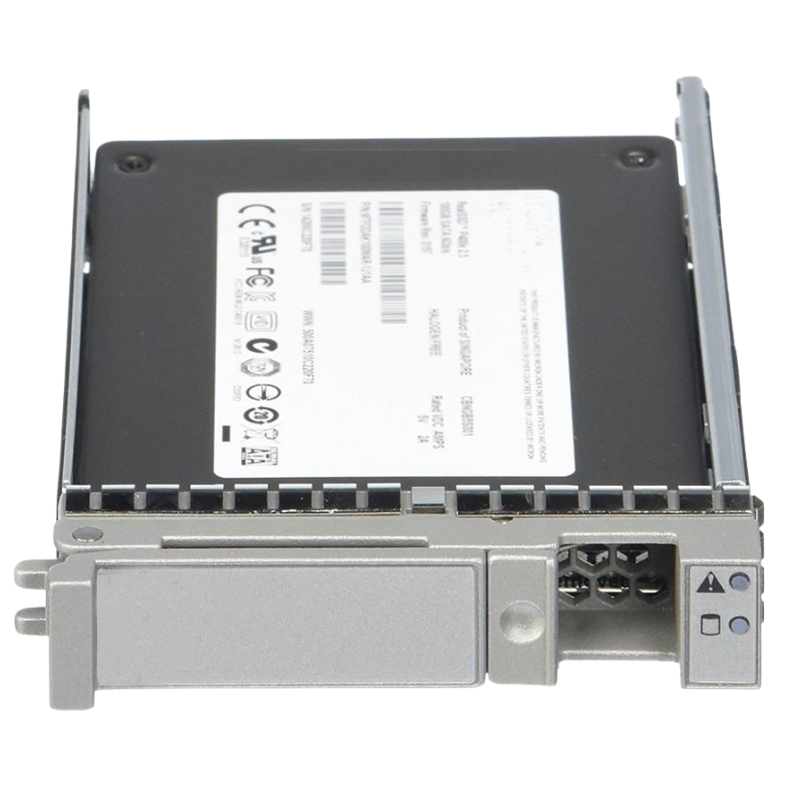


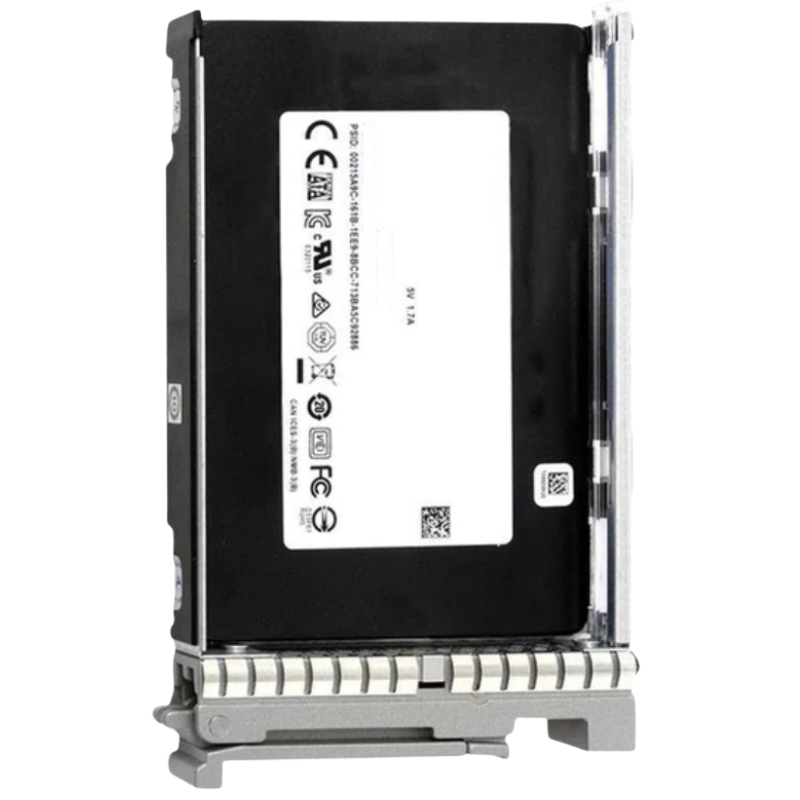
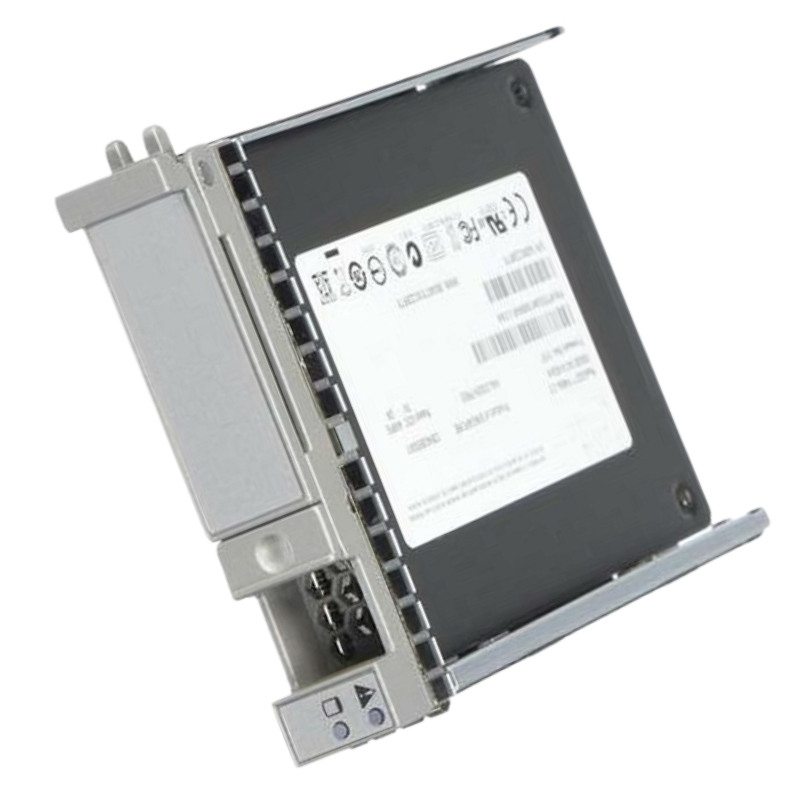
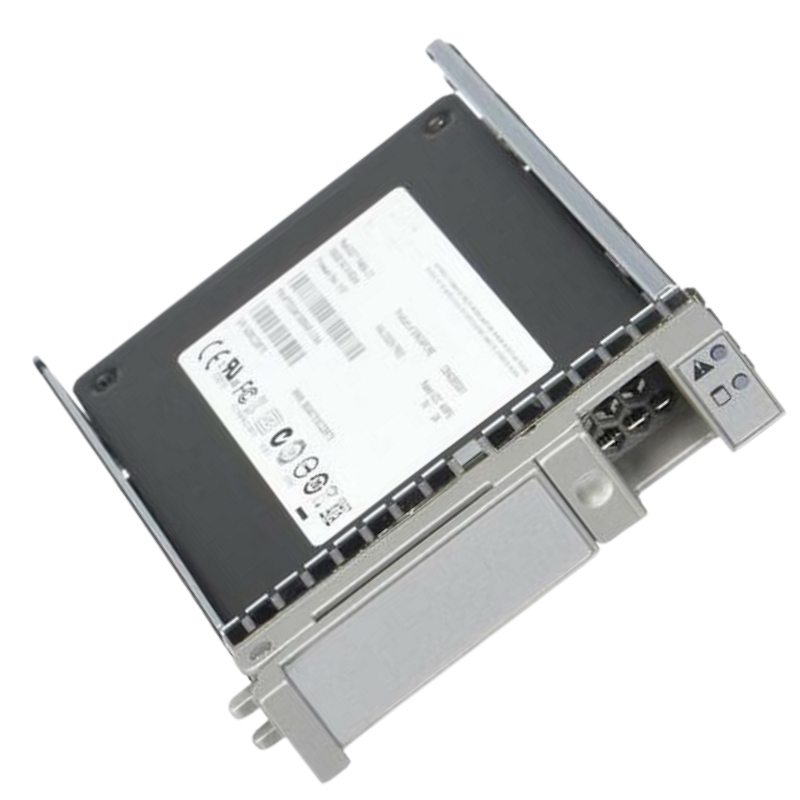
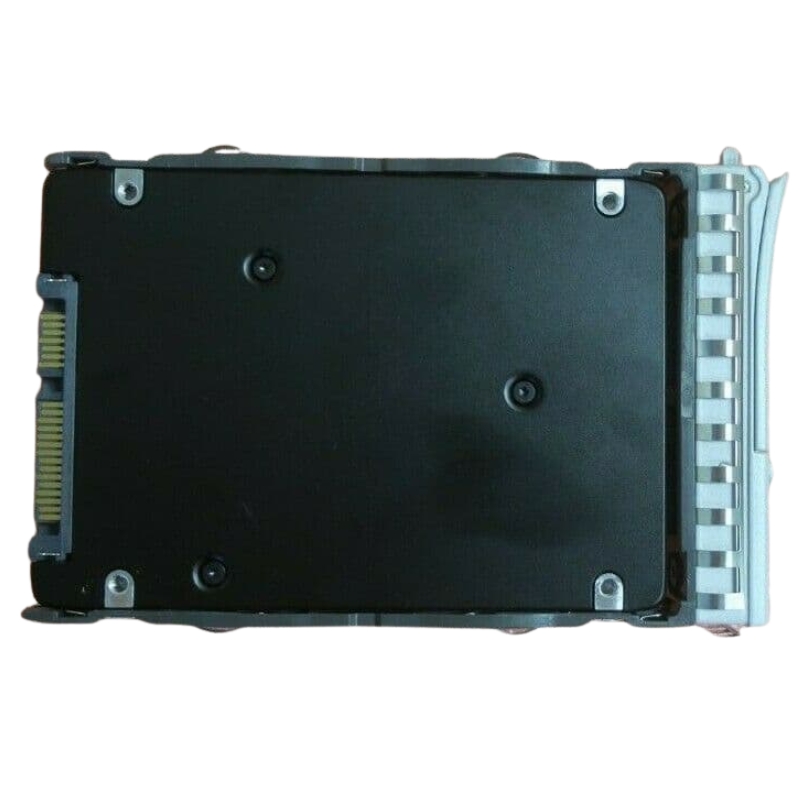
Cisco UCS-SD19T63X-EP 1.9TB SATA 6GBPS SSD Hot Swap TLC With Tray. Excellent Refurbished with 1 year replacement warranty
The Cisco UCS-SD19T63X-EP is an enterprise-grade 1.9 TB solid-state drive (SSD) engineered for high-performance server storage. This 2.5-inch hot-swap SATA drive delivers reliable throughput and data durability for mission-critical applications and cloud platforms.
This 2.5-inch SATA enterprise SSD is fully compatible with a wide range of Cisco UCS servers and Smartplay Select configurations. Ideal for data centers, virtualization, and hybrid cloud deployments.
The Cisco UCS-SD19T63X-EP represents the pinnacle of enterprise storage technology, specifically engineered for demanding data center environments. This 1.9TB SATA 6Gbps solid-state drive combines exceptional performance, reliability, and integration capabilities within the Cisco Unified Computing System (UCS) ecosystem. Designed for the 2.5-inch small form factor (SFF) with included hot-swap tray, this enterprise performance drive delivers the consistent I/O required for today's most critical workloads.
Built with enterprise-class NAND flash memory and advanced controller technology, the UCS-SD19T63X-EP ensures consistent performance under sustained workloads. Unlike consumer-grade SSDs that may throttle under continuous operation, this drive maintains predictable latency and throughput characteristics essential for database applications, virtualization platforms, and high-transaction environments.
With optimized wear-leveling algorithms and over-provisioning, the UCS-SD19T63X-EP delivers exceptional write endurance, significantly exceeding consumer SSD capabilities. The drive's architecture ensures balanced performance across read and write operations, making it suitable for mixed-workload environments where both data retrieval and storage operations occur simultaneously.
The 1.9TB capacity point represents an optimal balance between storage density and performance characteristics. Utilizing the SATA 6Gbps interface, this drive provides compatibility with existing infrastructure while delivering maximum interface bandwidth. The SATA interface ensures broad compatibility across Cisco UCS servers and storage systems, providing a seamless upgrade path from traditional hard disk drives.
Housed in a 2.5-inch small form factor (SFF) design, the UCS-SD19T63X-EP maximizes storage density in constrained rack environments. The included hot-swap tray facilitates easy installation and maintenance without requiring system downtime. The drive's mechanical design incorporates vibration resistance and thermal management features crucial for high-density server configurations.
Enterprise Performance classification indicates consistent I/O operations per second (IOPS) across random read and write patterns. The UCS-SD19T63X-EP delivers low latency access times measured in microseconds rather than milliseconds, dramatically improving application responsiveness compared to traditional spinning media. Sequential read and write performance approaches the theoretical maximum of the SATA 6Gbps interface.
Unlike entry-level SSDs that may experience performance degradation during extended write operations, the UCS-SD19T63X-EP maintains consistent throughput through advanced garbage collection and background maintenance algorithms. This consistent performance profile ensures predictable application behavior during peak workload periods.
The UCS-SD19T63X-EP seamlessly integrates with Cisco UCS Manager, providing centralized management and monitoring capabilities. Administrators can track drive health, performance metrics, and predictive failure analysis through the unified management interface. This integration simplifies storage provisioning and maintenance across the entire UCS infrastructure.
Cisco maintains firmware compatibility matrices ensuring the UCS-SD19T63X-EP operates optimally with specific UCS server generations. Firmware updates are delivered through standard Cisco channels and can be applied non-disruptively in many configurations. The drive's firmware includes UCS-specific optimizations that enhance reliability and performance in Cisco server environments.
Designed for compatibility across Cisco UCS B-Series Blade Servers and C-Series Rack Servers, the UCS-SD19T63X-EP provides flexible deployment options. The drive can be configured as boot storage, application storage, or cache acceleration depending on the server configuration and workload requirements. Hot-swap capability enables maintenance and expansion without system shutdown.
Within UCS service profiles, storage policies can be defined to optimize the UCS-SD19T63X-EP for specific workload characteristics. These policies manage parameters such as read-ahead caching, write caching behavior, and power management to align storage performance with application requirements.
The UCS-SD19T63X-EP incorporates multi-level error correction code (ECC) technology capable of correcting both single-bit and multi-bit errors. This robust error correction ensures data integrity even as NAND flash cells approach their endurance limits. Additional data path protection mechanisms safeguard against corruption during data transfer between controller and flash memory.
Enterprise-class power loss protection circuits ensure data integrity during unexpected power interruptions. The UCS-SD19T63X-EP includes sufficient capacitance to complete in-progress write operations and commit cached data to non-volatile memory, preventing data corruption or loss during power events.
From host interface to NAND flash memory, the UCS-SD19T63X-EP implements comprehensive data protection. The drive utilizes T10 Protection Information (T10 PI) standards to detect and prevent data corruption, working in conjunction with host-based protection schemes. This layered approach to data integrity is essential for mission-critical applications.
Advanced bad block management algorithms identify and retire failing memory cells before they impact drive reliability. Sophisticated wear-leveling technology distributes write operations evenly across all available NAND flash cells, preventing premature wear on frequently written sectors and extending the drive's operational lifespan.
The UCS-SD19T63X-EP excels in virtualized environments where high IOPS and low latency directly translate to improved virtual machine density and performance. The drive's consistent performance characteristics ensure predictable VM operation during contention periods when multiple virtual machines compete for storage resources.
For database applications including SQL Server, Oracle, and MySQL, the UCS-SD19T63X-EP dramatically reduces query response times and accelerates transaction processing. The drive's low latency profile benefits both online transaction processing (OLTP) and data warehouse workloads where storage performance directly impacts business operations.
Big data analytics platforms and high-performance computing applications benefit from the UCS-SD19T63X-EP's ability to rapidly load large datasets into memory and efficiently handle intermediate computation results. The drive's high throughput capabilities accelerate data processing pipelines and reduce time-to-insight for analytical workloads.
Media-rich applications and content delivery networks leverage the UCS-SD19T63X-EP's high sequential read performance for rapid content serving. The drive efficiently handles large file accesses common in video streaming, digital asset management, and rich media applications.
While SAS interfaces offer dual-port redundancy and potentially higher queue depths, the UCS-SD19T63X-EP SATA implementation provides an optimal balance of performance, cost, and compatibility. For many enterprise workloads, SATA SSDs deliver sufficient performance with broader infrastructure compatibility and lower acquisition costs.
The performance differential between the UCS-SD19T63X-EP and traditional hard disk drives is measured in orders of magnitude for random I/O operations. SSD technology eliminates mechanical latency entirely, reducing access times from milliseconds to microseconds. This performance transformation enables entirely new application architectures and performance profiles.
While NVMe drives offer higher theoretical performance through PCIe interfaces, the UCS-SD19T63X-EP SATA SSD remains relevant for applications that don't require extreme performance or where existing infrastructure investments prioritize SATA compatibility. The SATA interface also typically offers better capacity economics for high-density storage configurations.


 Contact Us
 Information
 Catalog
 Solid State Drives (SSD)
 Network Switches
 Hard Disk Drives
 HBA & Controllers
 PC & Servers
 PC & Server Memory
 CPU & Processors
 Network Routers
 Power Supplies
 Tape Drives & Libraries
 Network Devices
 Computer & Network Cables