(7% discount is applied at checkout)
Cart is empty
Your go-to destination for cutting-edge server products
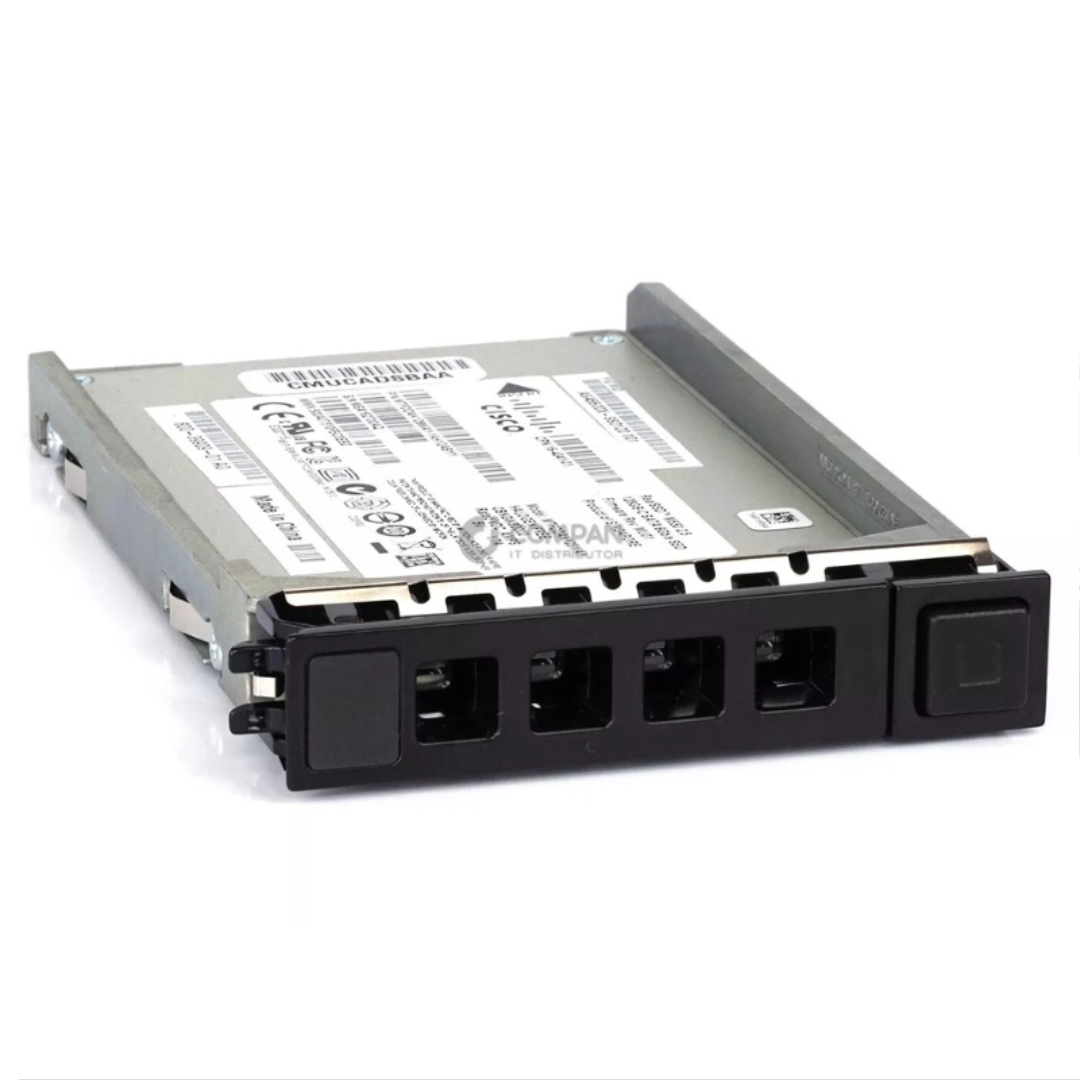


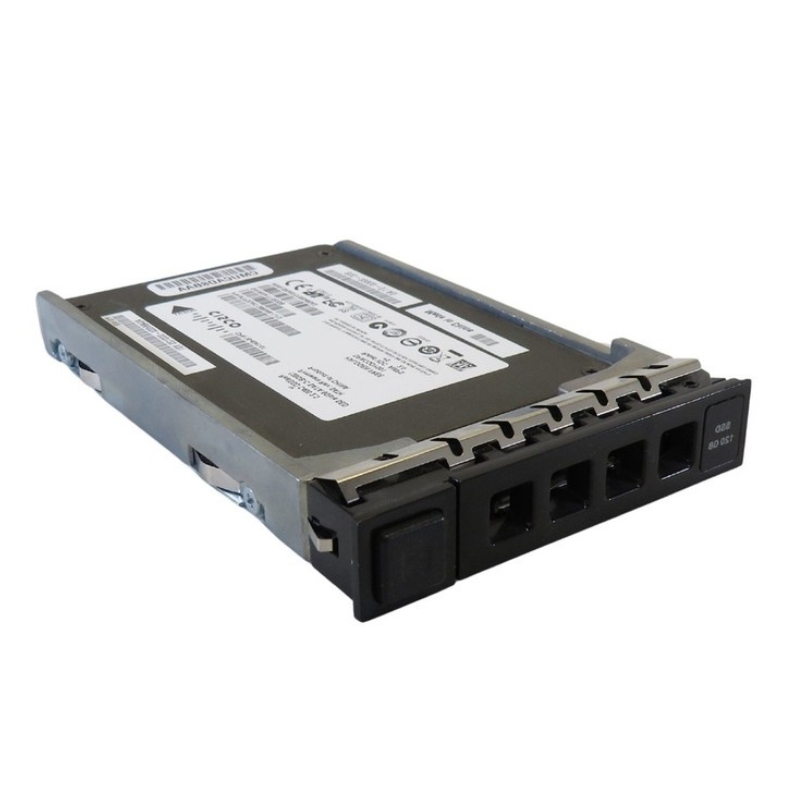
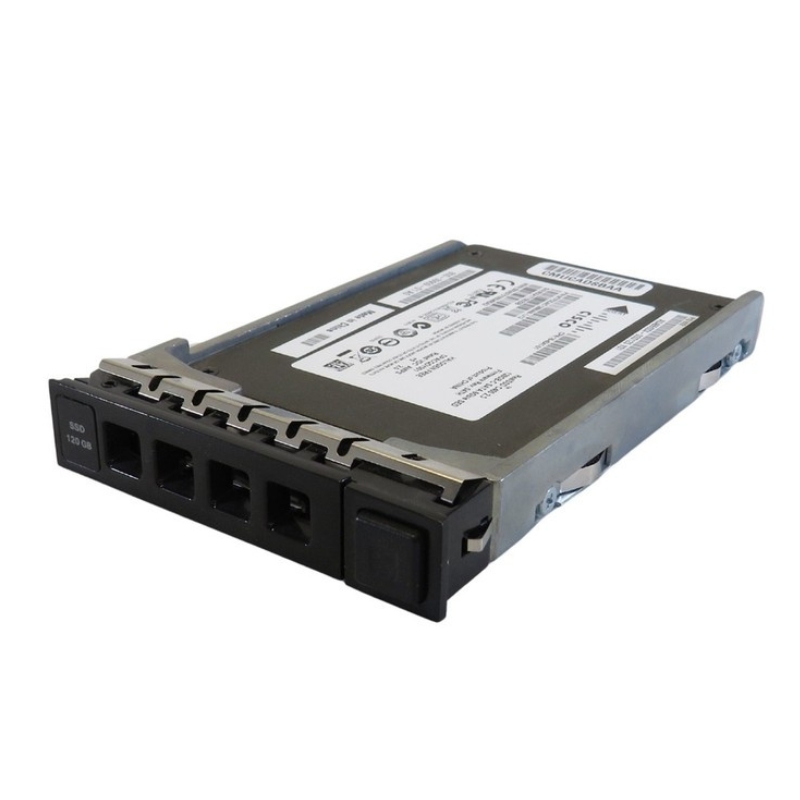
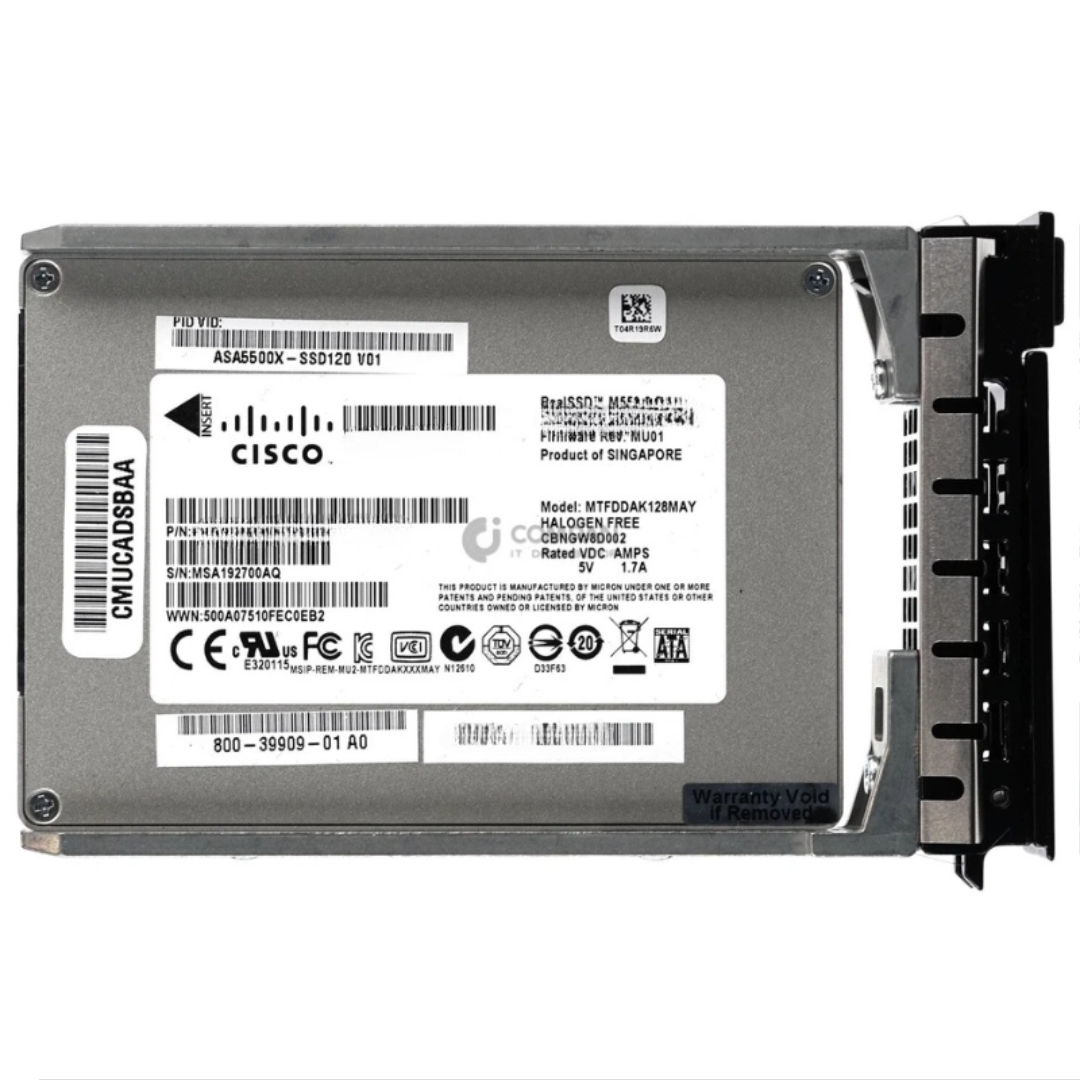
Cisco UCS-SD38TH61X-EV 3.8TB Solid State Drive SAS 12GBPS Hot-Swap. Excellent Refurbished with 1 year replacement warranty
The CISCO UCS-SD38TH61X-EV is an advanced enterprise-grade hot-swappable solid-state drive designed for optimal performance and reliability in demanding environments.
The Cisco UCS-SD38TH61X-EV represents the pinnacle of enterprise-grade storage technology within the Cisco Unified Computing System ecosystem. As a 3.8TB SAS 12Gbps hot-swappable solid state drive, this storage solution delivers exceptional performance, reliability, and scalability for modern data center environments. Designed specifically for Cisco UCS servers, this drive integrates seamlessly with existing infrastructure while providing the speed and endurance demanded by today's most challenging workloads.
Traditional hard disk drives (HDDs) have been largely superseded by solid state technology in enterprise environments where performance and reliability are paramount. The transition from spinning media to flash-based storage represents one of the most significant advancements in data center technology over the past decade. Cisco's UCS SSD portfolio, including the SD38TH61X-EV model, embodies this evolution by combining cutting-edge NAND flash technology with enterprise-class durability features.
Unlike SATA-based SSDs, which are limited to 6Gbps transfer rates, the SAS 12Gbps interface provides double the bandwidth while maintaining full backward compatibility with 6Gbps SAS infrastructures. This high-speed interface ensures that the drive never becomes the bottleneck in storage-intensive applications, making it ideal for virtualization, database operations, and high-performance computing environments.
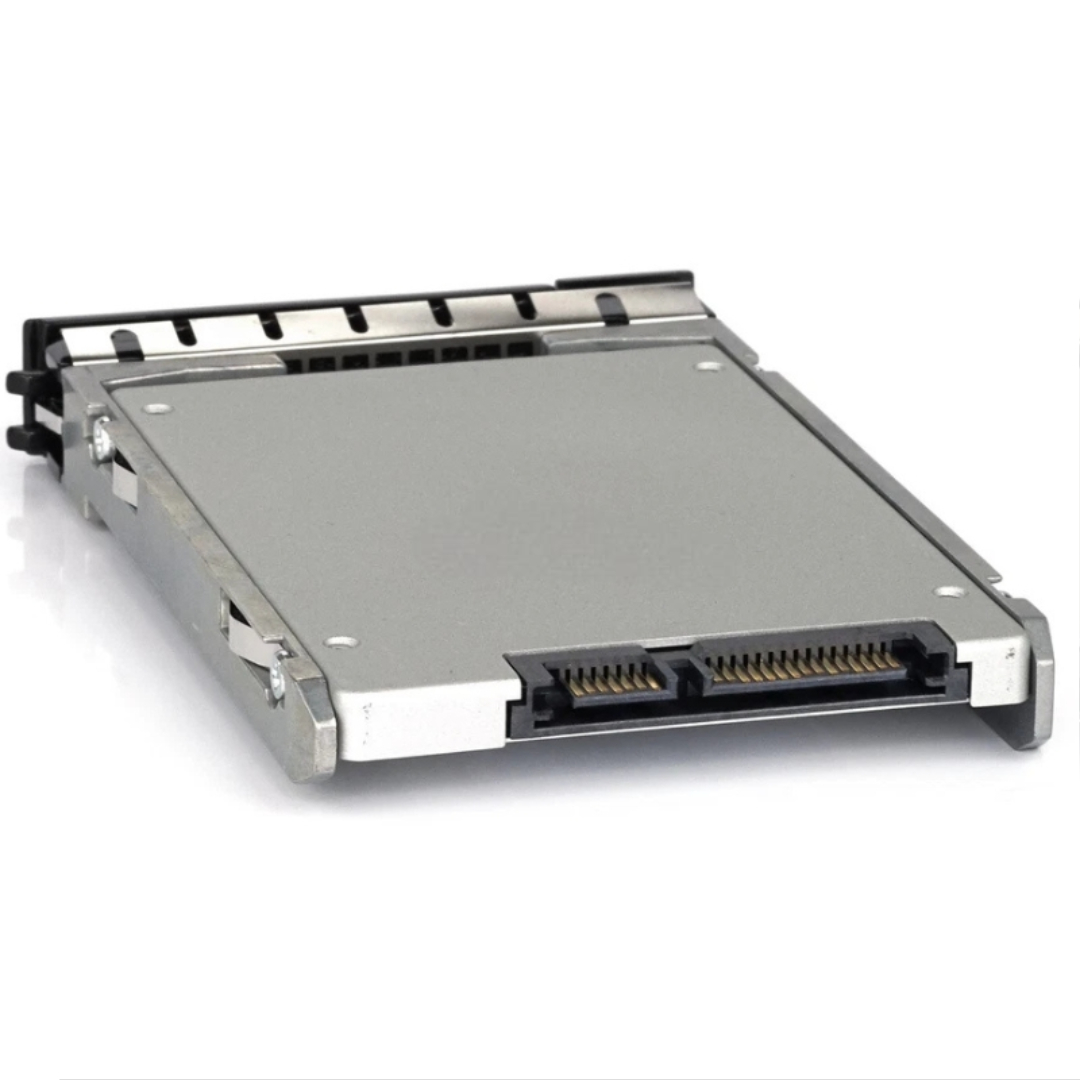
The 3.8TB capacity point represents an optimal balance between storage density and performance characteristics. This capacity is particularly well-suited for applications requiring substantial local storage without compromising on speed or endurance. The drive utilizes the standard 2.5-inch small form factor (SFF) design, allowing it to fit seamlessly into existing Cisco UCS server drive bays and storage enclosures.
Measuring 100.2mm x 69.85mm x 7mm, the drive conforms to industry-standard specifications for 2.5-inch enterprise drives. The hot-swap capability means drives can be replaced or added without powering down the entire system, a critical feature for maintaining continuous operation in 24/7 environments. The drive is specifically engineered for compatibility with Cisco UCS B-Series Blade Servers and C-Series Rack Servers that support SAS interfaces.
With sequential read speeds exceeding 1,800 MB/s and sequential write speeds up to 1,200 MB/s, the UCS-SD38TH61X-EV delivers performance that dramatically outstrips traditional hard drives. Random performance metrics are equally impressive, with up to 250,000 IOPS (Input/Output Operations Per Second) for read operations and 65,000 IOPS for write operations depending on workload characteristics and queue depth.
Consistent low latency is a hallmark of enterprise SSDs, and the Cisco UCS-SD38TH61X-EV maintains average read latency below 100 microseconds and write latency below 15 microseconds. This predictable performance is crucial for applications requiring consistent response times, such as transactional databases and real-time analytics platforms. The drive implements advanced quality of service (QoS) features to maintain performance consistency even under mixed workload conditions.
The drive is rated for 10 full drive writes per day (DWPD) over its 5-year warranty period, translating to approximately 69.3 petabytes written (PBW) over its lifespan. This exceptional endurance rating makes it suitable for write-intensive applications that would rapidly degrade consumer-grade SSDs. The endurance is achieved through a combination of high-quality NAND flash, advanced wear-leveling algorithms, and over-provisioning.
With an MTBF rating of 2.5 million hours, the UCS-SD38TH61X-EV demonstrates the reliability expected from enterprise storage components. This exceptional reliability is further reinforced by a non-recoverable read error rate of less than 1 sector per 10^17 bits read, ensuring data integrity even in demanding conditions.
The drive incorporates multiple layers of data protection, including power-loss protection that prevents data corruption during unexpected power failures. Additional protection is provided through end-to-end data path protection, which safeguards data from the host interface through all internal buffers to the NAND flash media. Advanced error correction code (ECC) algorithms correct multiple bit errors, further enhancing data integrity.
For environments requiring enhanced security, the drive supports TCG Enterprise security specifications, enabling hardware-based encryption and secure erase capabilities. This ensures that data remains protected both during active use and when drives are retired or repurposed, addressing compliance requirements for sensitive data handling.
In virtualized environments, storage performance directly impacts the number of virtual machines that can be supported on a single host and the overall user experience. The UCS-SD38TH61X-EV excels in these scenarios by providing the high IOPS and low latency necessary for dense virtualization deployments. Whether used for hypervisor boot volumes, virtual machine storage, or swap space, these drives ensure consistent performance across the virtualized infrastructure.
Database applications, particularly OLTP (Online Transaction Processing) systems, benefit tremendously from the consistent low latency and high random I/O performance of the Cisco UCS SAS SSD. The drive's ability to handle mixed read/write workloads makes it ideal for database logs, indexes, and frequently accessed tables where storage performance directly correlates to application responsiveness and transaction throughput.
Scientific computing, financial analytics, and big data processing often involve working with massive datasets that exceed available system memory. The high sequential read and write capabilities of the 3.8TB SAS SSD enable rapid data ingestion and processing, reducing time-to-insight for analytical workloads. The drive's capacity allows substantial datasets to be stored locally, minimizing network latency associated with accessing shared storage.
Media-rich applications, including video streaming, content delivery networks, and digital media editing, require both high capacity and consistent performance. The UCS-SD38TH61X-EV provides the necessary throughput for serving high-resolution content to multiple simultaneous users while offering sufficient storage density for substantial media libraries.
While SATA SSDs offer improved performance over traditional hard drives, they lack the enterprise features and performance consistency of SAS-based solutions. The dual-port capability of SAS drives provides path redundancy for high-availability configurations, a feature absent in SATA implementations. Additionally, SAS interfaces typically offer better queue depth handling and more consistent performance under heavy loads.
NVMe drives deliver superior performance through the PCIe interface but often at a higher cost per gigabyte and with potential thermal management challenges. SAS SSDs represent an optimal balance between performance, cost, and reliability for many enterprise workloads. The decision between SAS and NVMe should consider application requirements, existing infrastructure, and total cost of ownership.
The 3.8TB capacity point positions this drive as an ideal solution for applications requiring substantial local storage without the performance limitations of high-capacity NL-SAS drives. When planning storage configurations, administrators should consider workload characteristics, performance requirements, and future growth to determine the appropriate mix of drive types and capacities within their UCS environment.


 Contact Us
 Information
 Catalog
 Solid State Drives (SSD)
 Network Switches
 Hard Disk Drives
 HBA & Controllers
 PC & Servers
 PC & Server Memory
 CPU & Processors
 Network Routers
 Power Supplies
 Tape Drives & Libraries
 Network Devices
 Computer & Network Cables