(7% discount is applied at checkout)
Cart is empty
Your go-to destination for cutting-edge server products
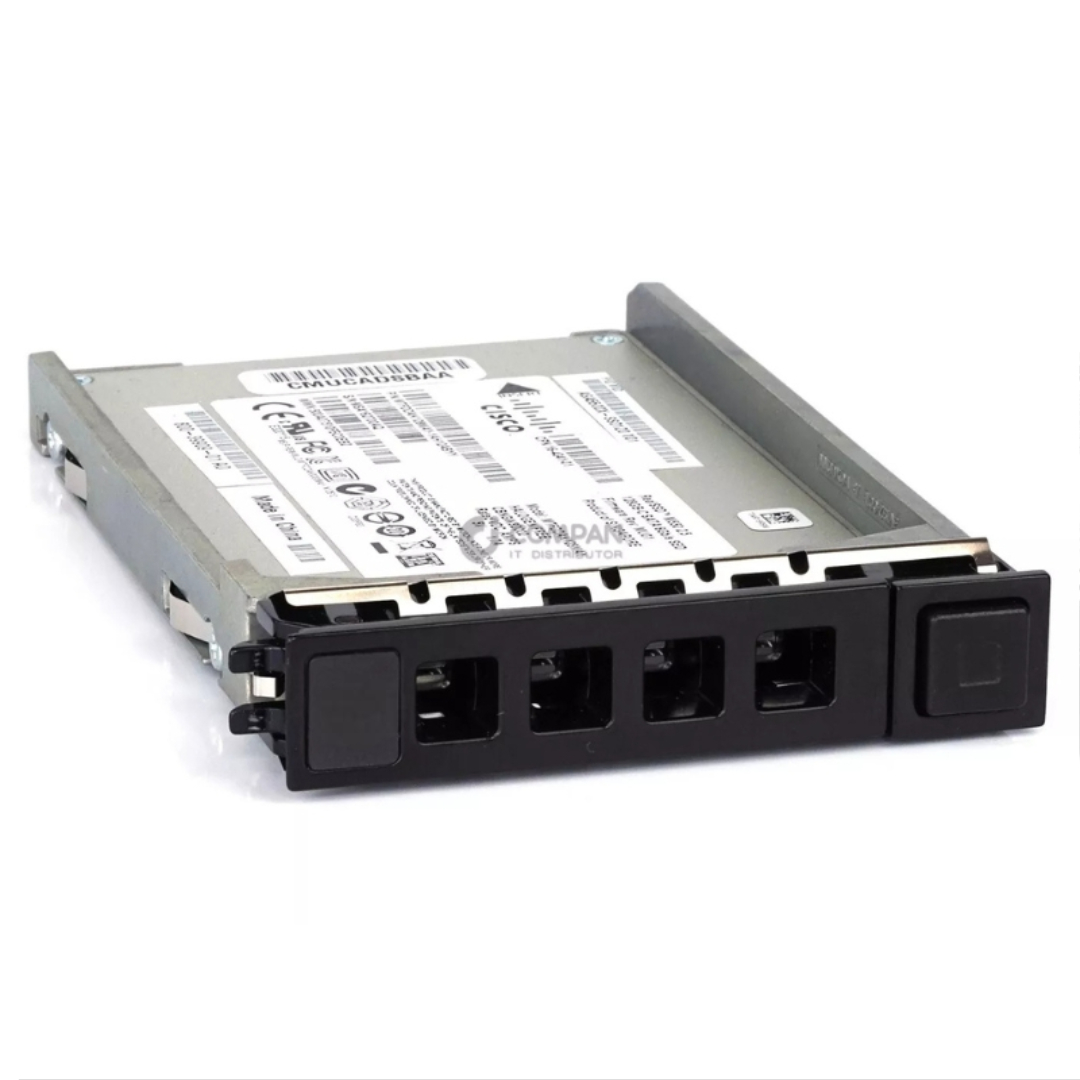


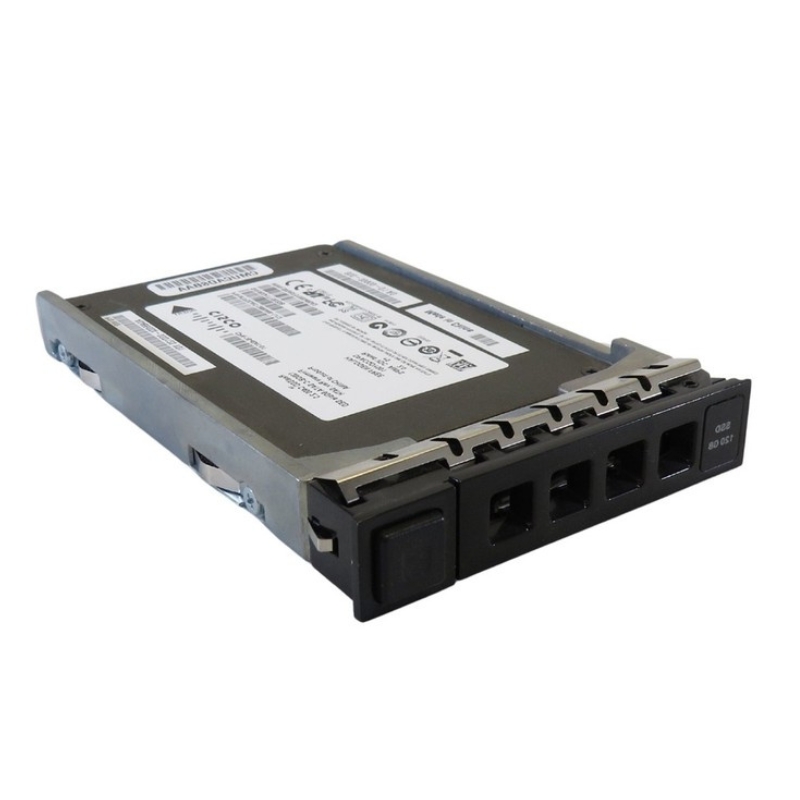
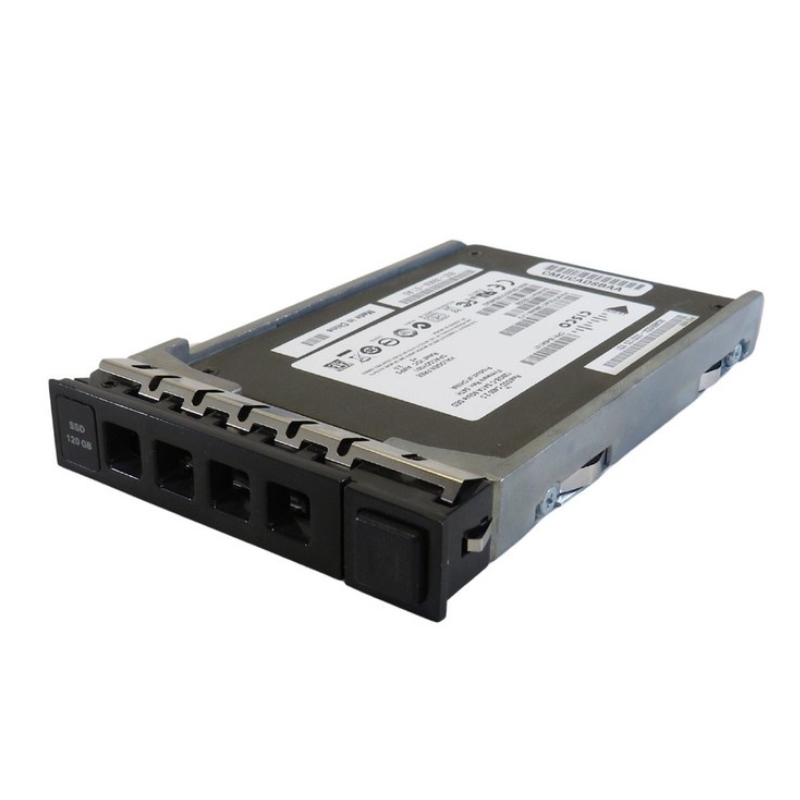
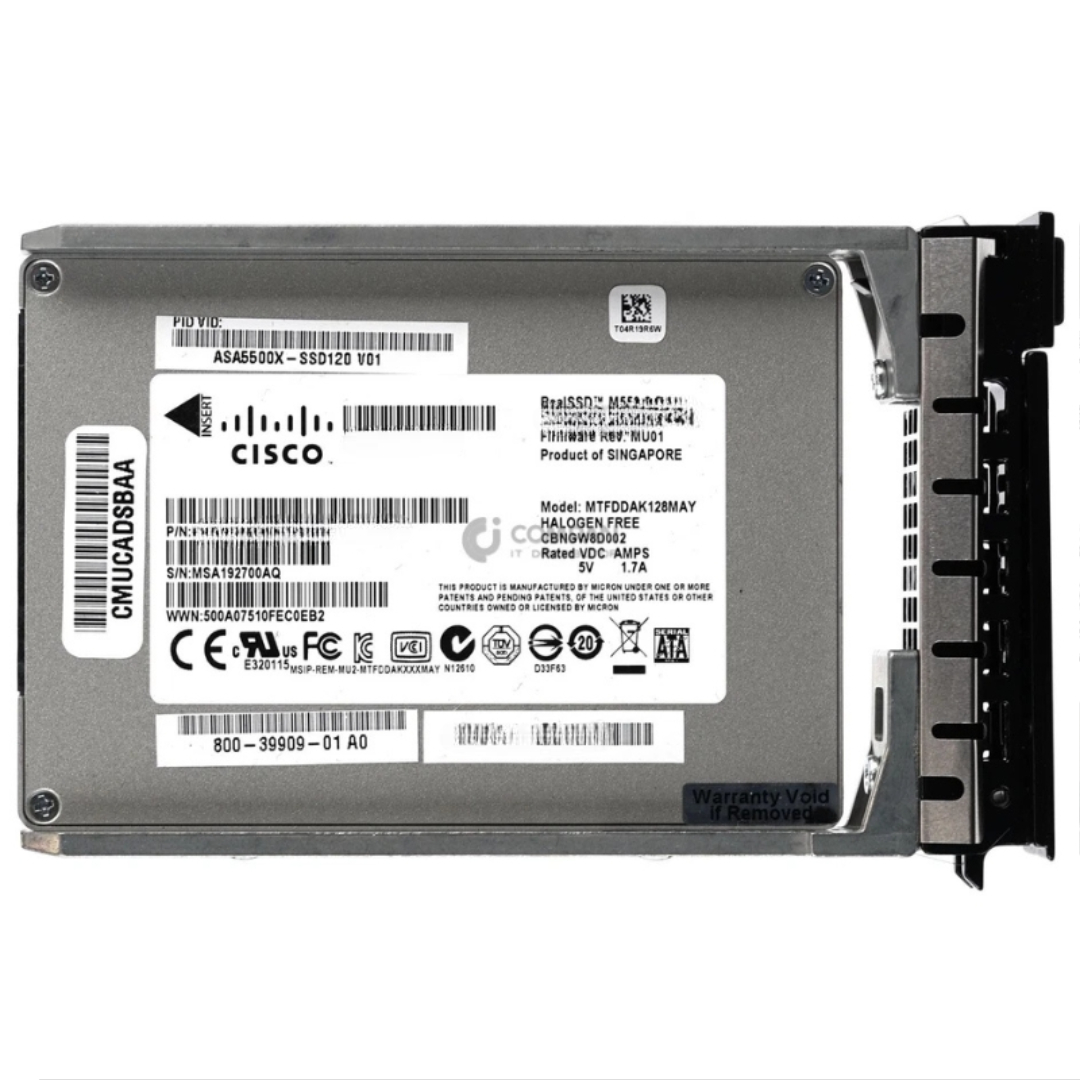
Cisco UCS-SD38TSAS-EV 3.8TB SAS 12GBPS Sff SSD. Excellent Refurbished with 1 year replacement warranty
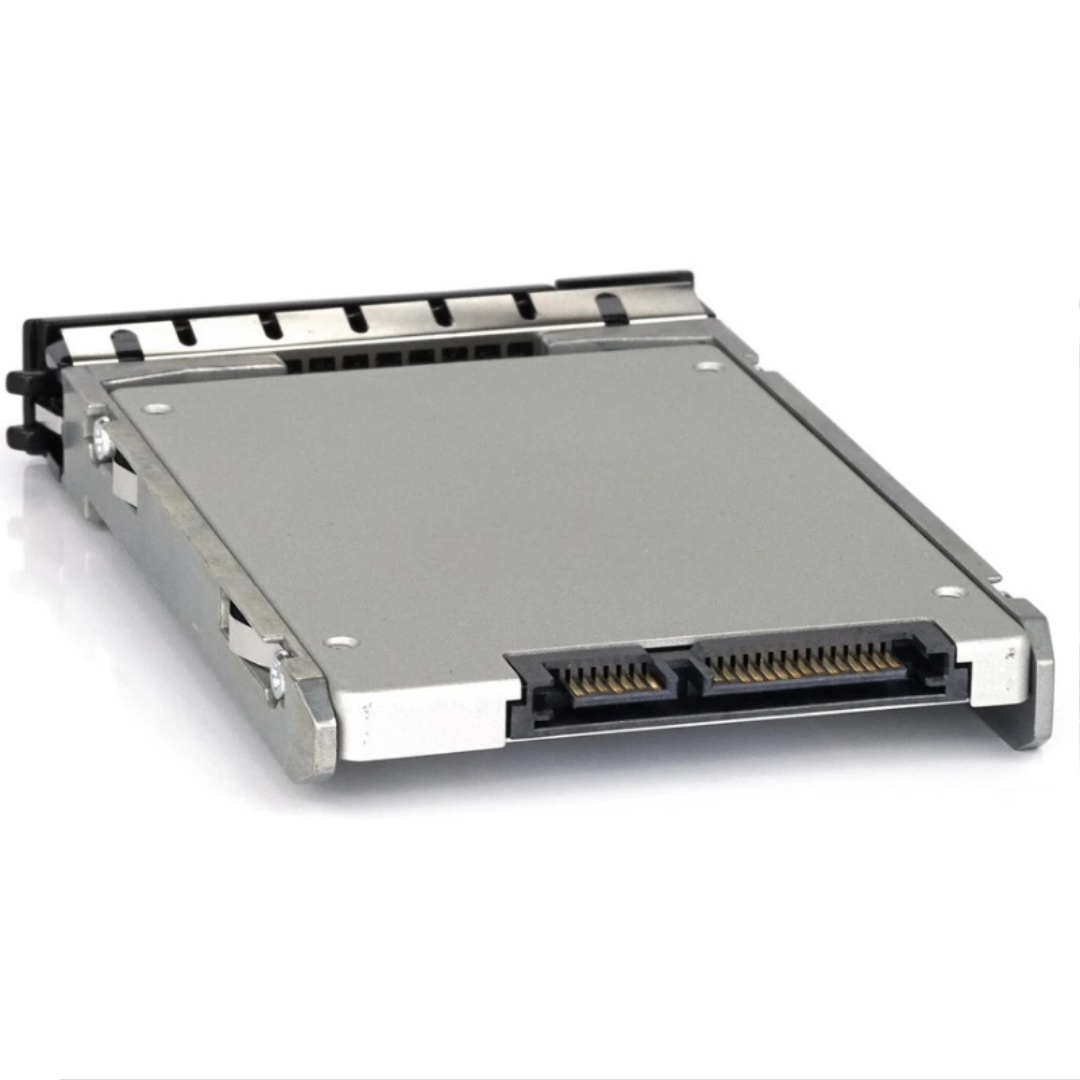
High-performance enterprise flash storage: the Cisco UCS-SD38TSAS-EV is a 3.8TB Serial Attached SCSI (SAS) solid-state drive in a 2.5-inch Small Form Factor (SFF) designed for data center workloads that require reliability, speed and hot-swap convenience. Includes a removable tray for easy deployment in compatible chassis.
Detailed performance & connectivity
The drive leverages a 12 Gb/s SAS interface for consistent, low-latency data paths in multi-host environments. Typical sustained external throughput is specified in the ~1.2 GB/s range (actual results depend on RAID configuration, controller, and workload characteristics).
The Cisco UCS-SD38TSAS-EV represents a critical component in modern data center infrastructure, delivering the perfect balance of performance, capacity, and reliability for enterprise workloads. This 3.8TB 12Gbps SAS solid-state drive in the 2.5-inch small form factor (SFF) configuration is specifically engineered for the Cisco Unified Computing System (UCS) platform, offering organizations a trusted storage solution that integrates seamlessly with existing Cisco infrastructure.
As part of Cisco's Enterprise Value series, the UCS-SD38TSAS-EV provides cost-optimized performance without compromising on the essential features required for business-critical applications. This positioning makes it ideal for organizations seeking to enhance their storage performance beyond traditional hard disk drives while maintaining budget consciousness. The Enterprise Value classification signifies a drive that delivers exceptional performance per dollar, making enterprise-grade SSD technology accessible for a wider range of use cases.
The 3.8TB capacity point represents a strategic balance between storage density and performance characteristics. This capacity is substantial enough to host significant datasets while maintaining optimal performance profiles. The 2.5-inch small form factor (SFF) design allows for high storage density in server configurations, enabling more drives per chassis and ultimately greater total storage capacity within the same physical footprint.
The 2.5-inch form factor has become the industry standard for enterprise server storage due to several key advantages. It enables higher density configurations compared to traditional 3.5-inch drives, allowing up to 24 drives in a standard 2U chassis. This density directly translates to improved storage efficiency and reduced data center real estate requirements. The smaller physical size also contributes to reduced weight and improved shock resistance during transportation and operation.
The Serial Attached SCSI (SAS) interface operating at 12 gigabits per second represents the high-performance backbone of this storage solution. SAS technology provides significant advantages over SATA interfaces, including full duplex operation, enhanced error recovery, and superior queue management. The 12Gbps data rate ensures that the interface does not become a bottleneck for the high-speed NAND flash memory contained within the drive.
One of the most critical enterprise features of SAS technology is dual-port capability. This architecture provides redundant paths to the storage device, enabling high-availability configurations that are essential for mission-critical applications. In the event of a controller failure or path issue, the secondary port maintains connectivity, ensuring continuous data availability and preventing service interruptions.
The UCS-SD38TSAS-EV utilizes enterprise-grade multi-level cell (eMLC) or similar high-endurance NAND flash memory specifically designed for the rigorous demands of data center environments. This flash technology offers an optimal balance between cost, performance, and endurance, providing significantly better write endurance than consumer-grade MLC flash while remaining more cost-effective than single-level cell (SLC) alternatives.
Enterprise SAS SSDs like the UCS-SD38TSAS-EV deliver exceptional IOPS performance across both read and write operations. Typical performance metrics for drives in this class range from tens of thousands to hundreds of thousands of IOPS, depending on the operation type and block size. This high IOPS capability enables support for numerous simultaneous virtual machines, database transactions, and other I/O-intensive workloads that would overwhelm traditional hard disk drives.
Beyond raw IOPS numbers, consistent low latency is perhaps the most significant performance advantage of SAS SSDs. With access times typically measured in microseconds rather than milliseconds (as with HDDs), these drives provide predictable performance that is essential for latency-sensitive applications such as financial trading systems, real-time analytics, and high-frequency database operations.
The 12Gbps SAS interface provides theoretical bandwidth of approximately 1.2GB/s, though real-world performance typically reaches 800-1000MB/s for sequential operations. This high throughput enables rapid data transfer for large file operations, backup processes, and data migration tasks. The efficient utilization of available bandwidth ensures that storage performance scales effectively with increasing workload demands.
Enterprise SSDs are characterized by their exceptional reliability metrics, with the UCS-SD38TSAS-EV typically featuring an MTBF rating of 2 million hours or higher. This exceptional reliability translates to reduced maintenance requirements and lower total cost of ownership over the drive's operational lifespan. The high MTBF is achieved through robust component selection, advanced error correction, and comprehensive wear-leveling algorithms.
The endurance of an SSD is typically measured in Drive Writes Per Day (DWPD), which indicates how many times the entire drive capacity can be written to per day over the warranty period. Enterprise Value SAS SSDs typically offer DWPD ratings between 1-3, meaning the 3.8TB drive can withstand between 3.8TB and 11.4TB of writes daily for the duration of its warranty period. This endurance level comfortably supports most enterprise workloads without premature wear-out concerns.
Advanced wear-leveling algorithms distribute write operations evenly across all available memory cells, preventing specific regions from wearing out prematurely. This technology, combined with over-provisioning (reserving additional NAND capacity beyond the advertised capacity), ensures consistent performance throughout the drive's lifespan and maximizes endurance under heavy write workloads.
The hot-swap capability of the UCS-SD38TSAS-EV, complete with integrated tray, enables drive replacement and maintenance without system shutdown. This feature is critical for 24/7 operational environments where system availability is paramount. The inclusion of a properly designed tray ensures correct alignment, proper connection, and adequate cooling when the drive is installed in compatible Cisco UCS servers and storage systems.
The hot-swap process follows enterprise best practices: The drive is logically prepared for removal through the management interface, an indicator LED confirms safe removal status, the drive is physically extracted using the integrated handle, and the replacement drive is inserted until firmly seated. The system automatically detects the new drive and begins integration without requiring a reboot or service interruption.
The UCS-SD38TSAS-EV is specifically validated and tested for compatibility across the Cisco UCS portfolio, including UCS B-Series Blade Servers and UCS C-Series Rack Servers. This ensures optimal performance, management integration, and firmware compatibility. The drive appears as a native component within UCS Manager, allowing for centralized management alongside other system elements.
Within UCS Manager, administrators can monitor drive health, performance metrics, and firmware levels for all installed SSDs. This integrated management approach simplifies storage administration and provides comprehensive visibility into the storage subsystem. Alerts and notifications can be configured for predictive failure analysis, temperature thresholds, and performance degradation.
While optimized for Cisco environments, SAS SSDs maintain interoperability with other SAS-compatible systems. The standard SAS protocol ensures basic functionality in third-party servers and storage arrays, though advanced management features may require Cisco-specific infrastructure. This flexibility provides organizations with deployment options across heterogeneous data center environments.
In virtualized infrastructure, the UCS-SD38TSAS-EV excels as either host storage for virtual machines or as a storage destination for virtual disks. The high IOPS capability enables higher virtual machine density per host, while the low latency ensures consistent performance across all VMs. For hyper-converged infrastructure implementations, these drives provide the performance foundation for both compute and storage responsibilities.
Virtual Desktop Infrastructure presents particularly challenging storage requirements due to boot storms, login simultaneity, and application load patterns. The 3.8TB capacity combined with high random read performance makes these drives ideal for VDI environments, where they can host hundreds of virtual desktops while delivering responsive user experiences even during peak usage periods.
Database management systems benefit significantly from the performance characteristics of SAS SSDs. The low latency accelerates transaction processing, while the high random I/O capability improves query performance for both OLTP and OLAP workloads. The 3.8TB capacity provides ample space for database instances, transaction logs, and tempdb operations in most enterprise scenarios.
In storage environments employing tiering strategies, the UCS-SD38TSAS-EV serves as an excellent performance tier, hosting active data sets that require rapid access. Automated tiering solutions can migrate frequently accessed blocks to these SSDs while less critical data resides on more economical storage media, optimizing both performance and cost efficiency.
HPC environments dealing with large datasets, scientific computing, and analytical processing benefit from the combination of high throughput and low latency. The drives can serve as scratch space for computational tasks, temporary storage for intermediate results, or high-speed storage for frequently accessed reference data.
Enterprise SAS SSDs typically operate within power envelopes of 5-10 watts during active operation, significantly less than performance-equivalent hard disk drive arrays. This reduced power consumption translates to lower operational costs and reduced heat output. Power management features allow the drives to enter low-power states during periods of inactivity, further optimizing energy efficiency.
The UCS-SD38TSAS-EV incorporates sophisticated error correction code (ECC) mechanisms that detect and correct multi-bit errors, ensuring data integrity even as NAND flash cells approach their endurance limits. This robust ECC implementation is essential for maintaining data reliability in enterprise environments where data corruption is unacceptable.
Enterprise SAS SSDs implement end-to-end data protection, maintaining checksums or CRCs from the host interface through the DRAM buffer to the NAND flash media. This comprehensive approach prevents silent data corruption that could occur during internal data transfers, providing an additional layer of data integrity beyond what the SAS protocol alone offers.
Advanced power loss protection circuits, typically consisting of capacitors that provide temporary backup power, enable the drive to complete in-progress writes and flush cached data to non-volatile storage in the event of unexpected power failure. This feature prevents data loss and filesystem corruption, maintaining data consistency across unexpected power events.


 Contact Us
 Information
 Catalog
 Solid State Drives (SSD)
 Network Switches
 Hard Disk Drives
 HBA & Controllers
 PC & Servers
 PC & Server Memory
 CPU & Processors
 Network Routers
 Power Supplies
 Tape Drives & Libraries
 Network Devices
 Computer & Network Cables