(7% discount is applied at checkout)
Cart is empty
Your go-to destination for cutting-edge server products
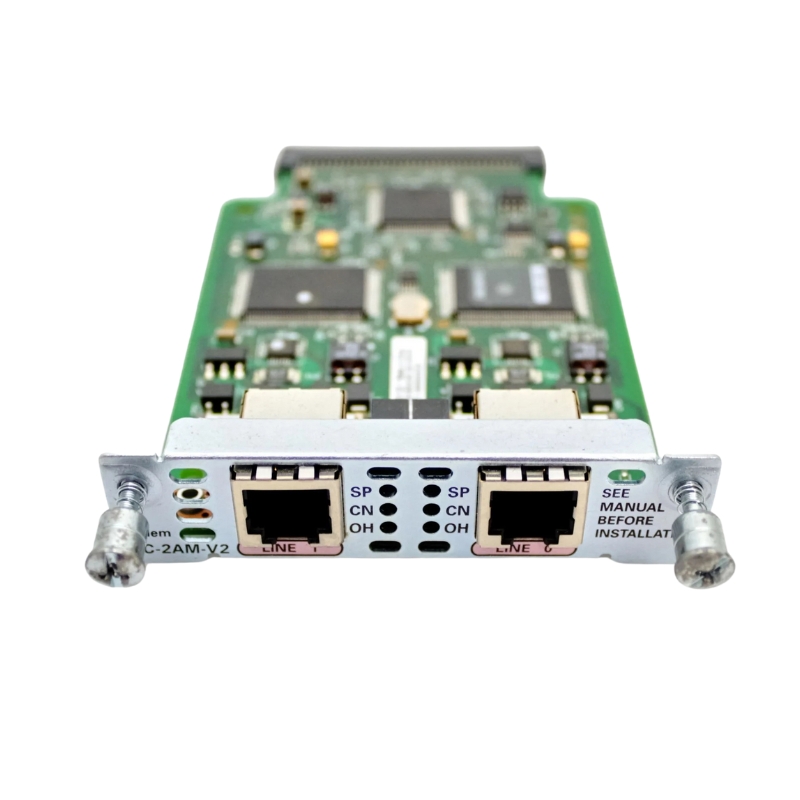


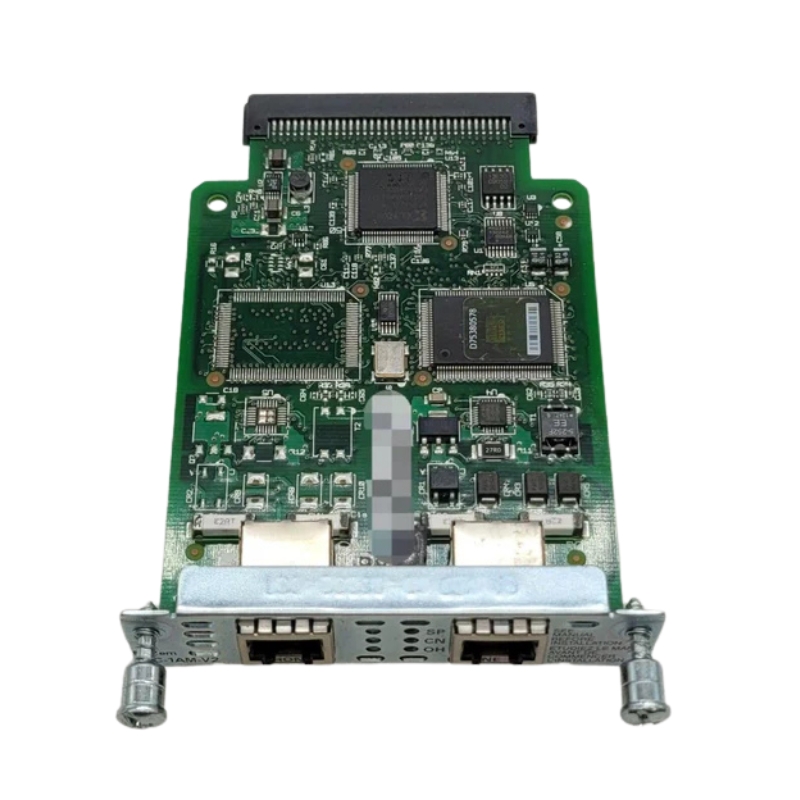
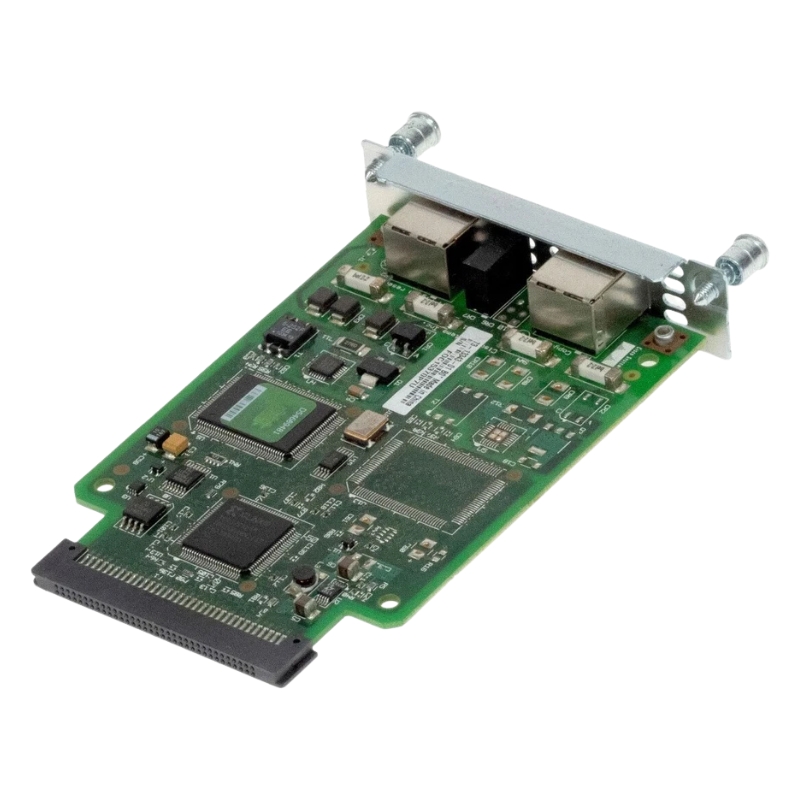
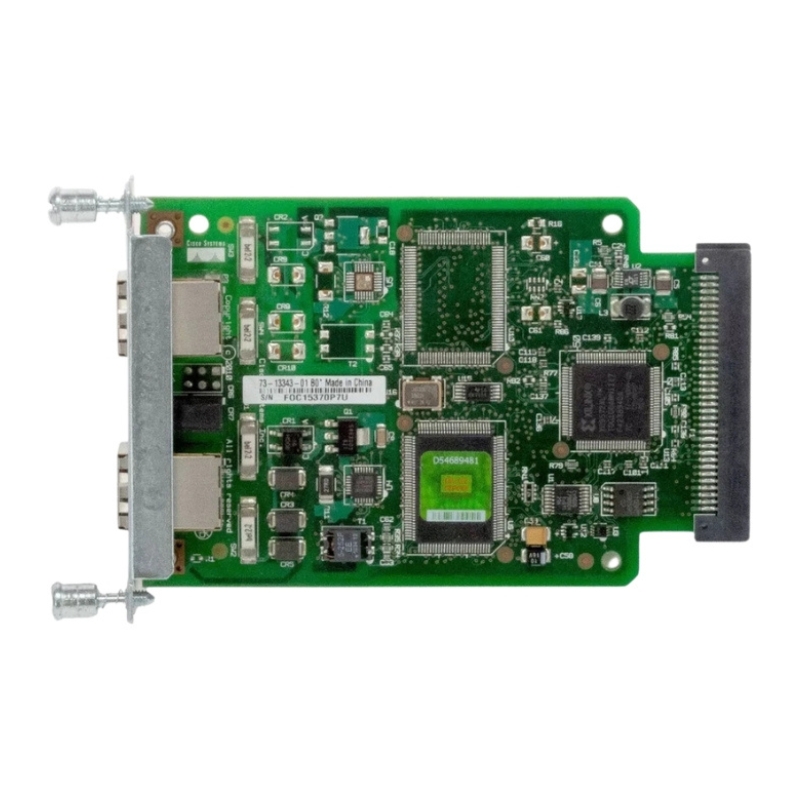
Cisco WIC-2AM-V2 2 Ports Modem WAN Interface Card. Excellent Refurbished with 1 year replacement warranty
Cisco WIC-2AM-V2 2-Port Analog Modem WAN Interface Card
The Cisco WIC-2AM-V2 WAN Interface Card is a compact and reliable networking expansion module engineered to deliver analog modem connectivity for enterprise routers. Designed to support secure backup communications, remote administration, and legacy WAN integration, this dual-port WAN card enables organizations to maintain network availability through standard telephone infrastructure.
Featuring two integrated analog modem interfaces, the Cisco WIC-2AM-V2 allows businesses to implement dependable dial-up communication channels for failover operations and out-of-band management. Its compatibility with multiple generations of Cisco Integrated Services Routers (ISR) makes it a practical solution for extending connectivity in environments that still rely on traditional telephony systems.
The Cisco WIC-2AM-V2 2 Ports Modem WAN Interface Card is designed to expand routing platforms with integrated analog modem communication capabilities for environments that require dependable dial connectivity, remote management access, and backup WAN communication. This WAN Interface Card belongs to the modular connectivity ecosystem that enables network administrators to extend router functionality without replacing existing infrastructure.
Organizations that maintain distributed operations, branch environments, industrial facilities, and remote communication endpoints often require reliable secondary access methods that remain operational when primary network connections become unavailable. The Cisco WIC-2AM-V2 addresses these requirements through integrated dual modem ports that support flexible deployment scenarios and resilient communication architectures.
Unlike standard Ethernet-based expansion modules, modem WAN interface cards focus on environments where analog communication still plays a role in business continuity, remote administration, and legacy interoperability. The ability to deploy modem-based WAN access inside a Cisco routing environment provides network operators with centralized control while maintaining compatibility with traditional telecommunications infrastructure.
As network modernization continues, many enterprises still maintain critical applications that depend on stable out-of-band management paths. The Cisco WIC-2AM-V2 delivers this capability by supporting modem communication functions directly within compatible Cisco router platforms, reducing deployment complexity and simplifying hardware management.
The defining characteristic of the Cisco WIC-2AM-V2 is its two integrated modem interfaces designed to provide simultaneous modem communication channels. This dual-port architecture supports greater flexibility for remote access operations, allowing independent modem sessions to operate within the same routing platform.
Multiple communication paths improve availability and simplify management in environments where continuous access is necessary. Organizations can dedicate one modem channel to administrative access while reserving the second interface for backup WAN connectivity or specialized operational functions.
Integration directly into the router chassis reduces the need for external modem appliances, decreases cable complexity, and contributes to more efficient rack utilization. Consolidated management also supports streamlined maintenance procedures and simplified deployment processes.
WAN Interface Cards are developed to extend routing platforms with specialized communication technologies. The Cisco WIC-2AM-V2 follows this expansion methodology by allowing network devices to support analog modem services while preserving routing performance and operational consistency.
The modular design approach enables infrastructure teams to adapt routers according to evolving communication requirements. Instead of replacing entire routing systems, administrators can install interface modules that align with changing WAN strategies.
This architecture supports long-term infrastructure investment by extending platform functionality while minimizing unnecessary capital expenditure.
Embedded modem capabilities allow the router to manage communication processes internally. This integration reduces dependence on external conversion devices and supports more cohesive operation across network services.
By handling communication functions within the router environment, organizations gain greater visibility into WAN status, simplify troubleshooting workflows, and improve overall network manageability.
Branch offices frequently require uninterrupted connectivity to central resources. In situations where dedicated WAN circuits experience interruptions, modem-based communication can serve as an alternate access method that preserves critical operational functions.
The Cisco WIC-2AM-V2 enables administrators to configure alternate communication paths that maintain remote administration capabilities and support business continuity objectives. Even limited-bandwidth connectivity may be sufficient for diagnostics, management operations, and essential services.
Remote access requirements continue to exist across industries with geographically distributed operations. Integrated modem interfaces can provide controlled access paths for authorized personnel performing maintenance, diagnostics, or emergency support tasks.
Because the modem functionality resides directly within the routing platform, remote management activities benefit from centralized configuration and consistent operational policies.
Industrial communication environments often contain a mixture of modern IP networking and legacy communication infrastructure. Facilities involved in manufacturing, utilities, transportation, and environmental monitoring may continue to depend on analog communication methods for specific operational processes.
The Cisco WIC-2AM-V2 allows routers to participate in these hybrid communication environments while supporting centralized management practices.
Operational technology environments frequently prioritize availability and long lifecycle support, making modular WAN interface solutions valuable for preserving existing infrastructure investments.
Out-of-band management remains a critical design principle for enterprise and service provider environments. Independent communication paths ensure administrators maintain access to networking equipment during primary network disruptions.
The Cisco WIC-2AM-V2 contributes to out-of-band management strategies by creating dedicated modem communication channels that remain separate from standard production traffic.
These capabilities support emergency access procedures, system recovery activities, and infrastructure diagnostics.
One of the major advantages of deploying modem WAN interface modules is their ability to function independently from packet-switched WAN environments. Analog communication channels may remain available even when broadband circuits experience outages.
This operational independence improves resilience and contributes to stronger disaster recovery planning.
Organizations that implement layered connectivity approaches can reduce operational risks associated with single-path network architectures.
Router-based modem integration eliminates the requirement for separate modem appliances and associated management systems.
Consolidation simplifies deployment, decreases equipment counts, and reduces administrative overhead across branch and enterprise environments.
Fewer standalone devices also contribute to cleaner installation layouts and more efficient infrastructure scaling.
Integrated WAN modules minimize external cabling requirements and decrease dependency on additional power sources.
Simplified infrastructure can improve maintenance efficiency and accelerate troubleshooting activities during service events.
Network teams benefit from centralized monitoring capabilities and more predictable operational procedures.
The modular expansion approach allows organizations to adapt communication infrastructure as requirements evolve. Existing routers can support additional communication methods through targeted upgrades rather than complete hardware replacement.
This scalability provides long-term value and supports phased modernization strategies.
Deploying the Cisco WIC-2AM-V2 requires compatibility verification with supported router platforms and interface slots. Proper alignment ensures stable operation and enables access to supported features.
Infrastructure planning should include assessment of software versions, hardware revisions, and operational requirements to maximize deployment success.
Selecting compatible routing platforms improves reliability and reduces implementation risk.
Router software environments play an important role in enabling modem functionality, communication management, and administrative controls.
Administrators should evaluate available operating system capabilities and ensure configuration practices align with deployment objectives.
Consistent software management contributes to operational stability and simplified lifecycle administration.
Organizations operating legacy communication systems frequently require equipment that integrates with established telecommunication environments.
The Cisco WIC-2AM-V2 supports this requirement by enabling routers to interact with analog communication infrastructure while maintaining broader IP networking capabilities.
This interoperability reduces transition challenges and supports gradual infrastructure evolution.
Although modem-based communication often serves specialized operational purposes, security remains a critical consideration.
Organizations should implement authentication controls, access restrictions, and monitoring policies to protect communication channels and maintain operational integrity.
Applying structured access management practices helps reduce exposure while supporting reliable remote operations.
Modular WAN interface cards enable organizations to continue leveraging existing router investments while adding specialized communication functionality.
Extending infrastructure life reduces replacement frequency and supports more efficient technology budgeting.
Businesses with long-term deployment strategies benefit from maintaining operational continuity while gradually modernizing network environments.
Communication redundancy remains an important component of resilient network architecture. The Cisco WIC-2AM-V2 supports continuity planning through integrated modem access capabilities.
Organizations can maintain remote communication during primary WAN interruptions and continue executing critical management tasks.
Operational continuity contributes to reduced downtime and stronger service availability objectives.
When unexpected network events occur, alternate communication methods can accelerate diagnosis and recovery.
Integrated modem connectivity provides an additional layer of access that supports administrative intervention during service disruptions.
Recovery readiness strengthens infrastructure resilience and improves overall operational confidence.
Modern enterprise environments often require coexistence between emerging technologies and established communication methods.
The Cisco WIC-2AM-V2 supports this transition by allowing organizations to integrate modem-based connectivity into broader routing architectures without extensive redesign.
This flexibility enables phased transformation initiatives and protects existing operational workflows.
Choosing an appropriate WAN interface solution begins with understanding operational priorities, communication dependencies, and continuity expectations.
Organizations should assess whether modem connectivity supports administrative access, backup communication, industrial integration, or specialized deployment scenarios.
Aligning hardware capabilities with operational objectives improves deployment outcomes and ensures infrastructure investments deliver practical value.
Long-term planning should account for changing communication requirements, evolving operational practices, and expanding network footprints.
The Cisco WIC-2AM-V2 demonstrates how modular connectivity solutions support gradual growth while preserving architectural consistency.
Scalable planning approaches help organizations maintain reliable communication environments and achieve sustainable infrastructure development goals.


 Contact Us
 Information
 Catalog
 Solid State Drives (SSD)
 Network Switches
 Hard Disk Drives
 HBA & Controllers
 PC & Servers
 PC & Server Memory
 CPU & Processors
 Network Routers
 Power Supplies
 Tape Drives & Libraries
 Network Devices
 Computer & Network Cables