(7% discount is applied at checkout)
Cart is empty
Your go-to destination for cutting-edge server products
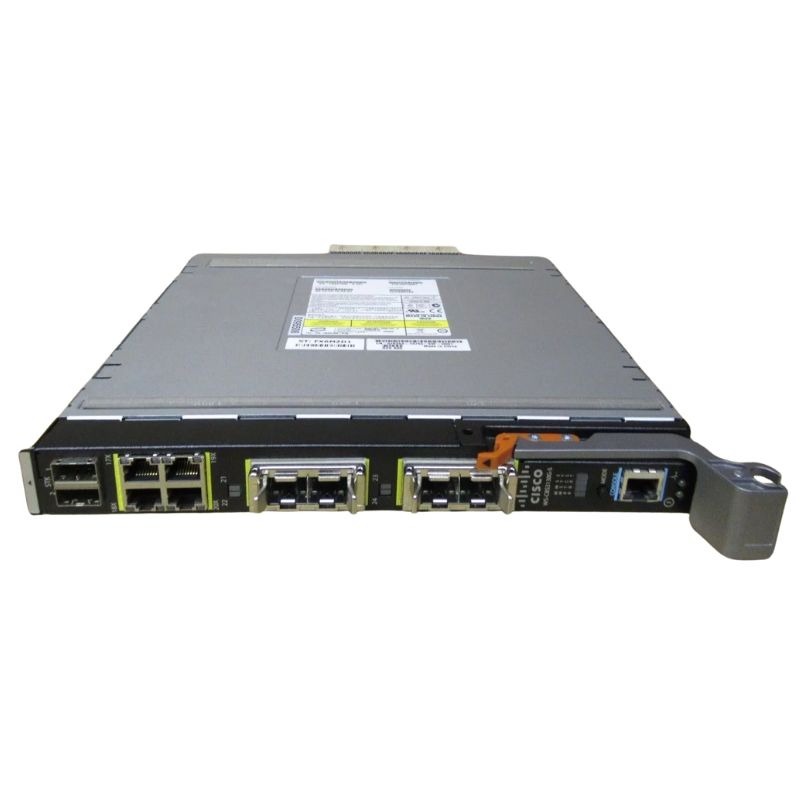


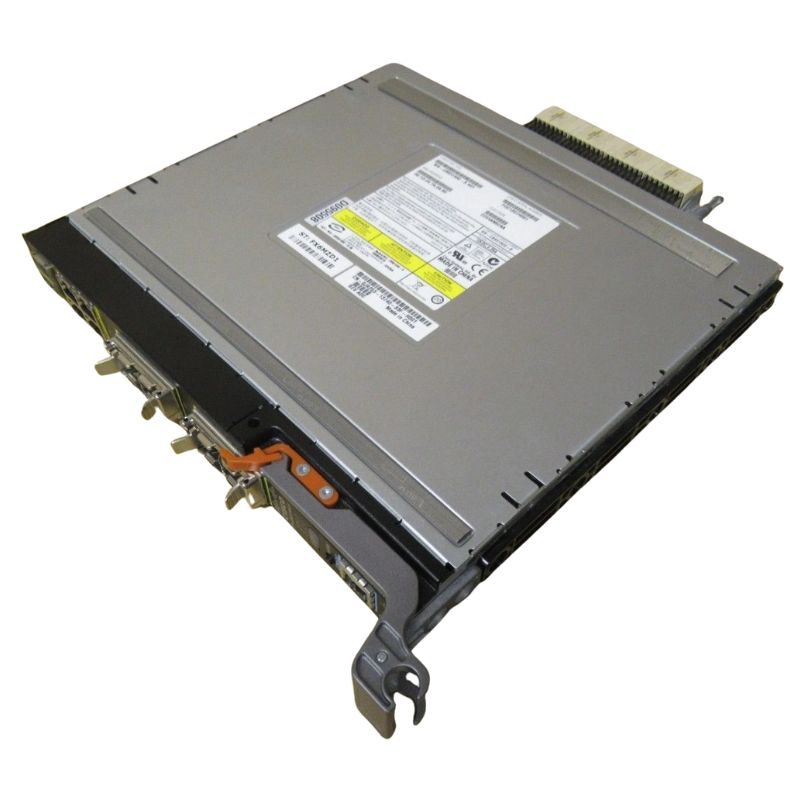
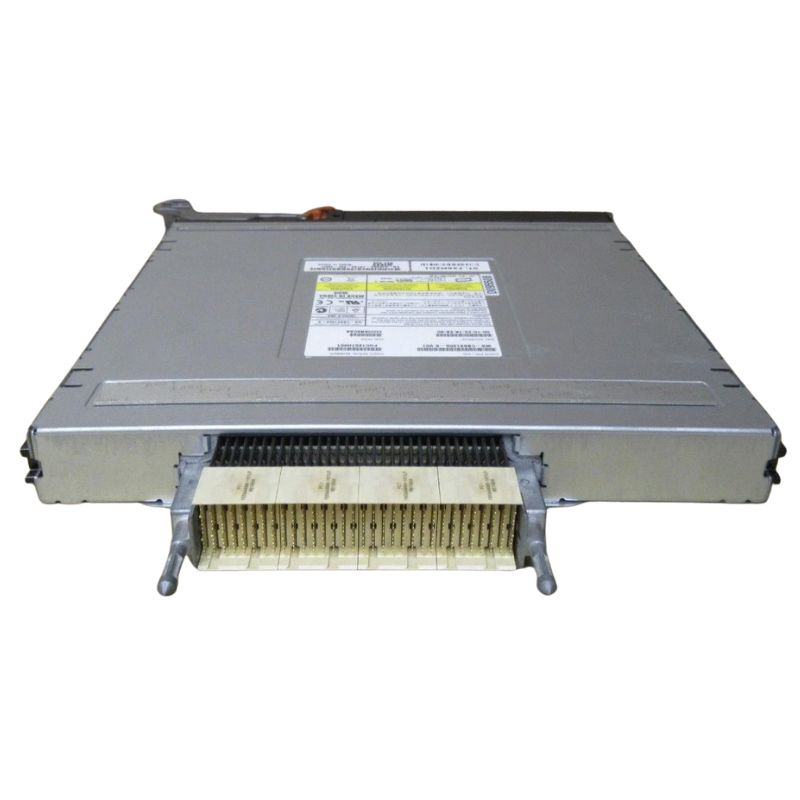
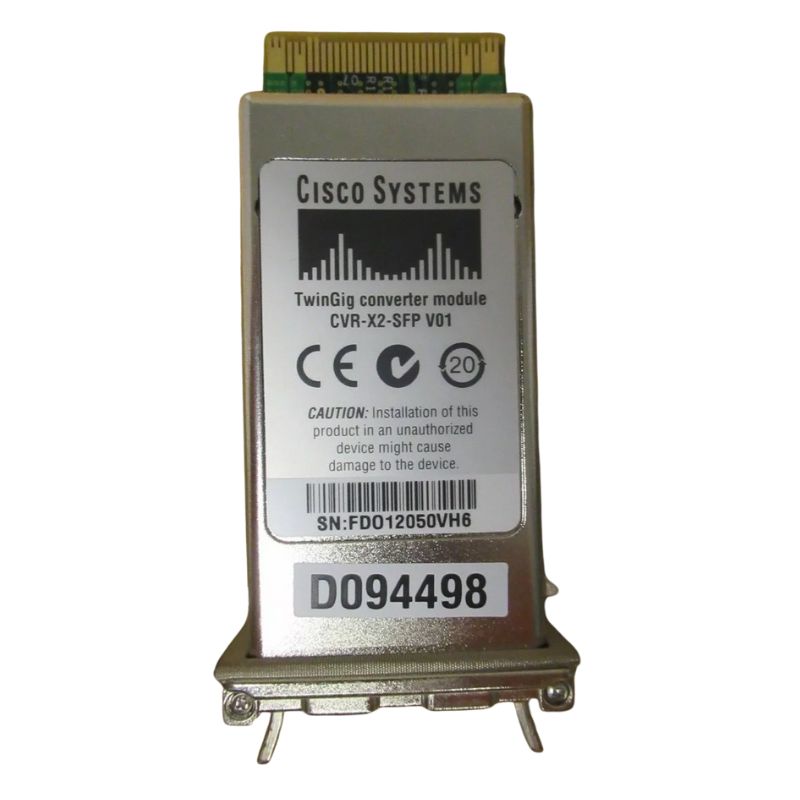
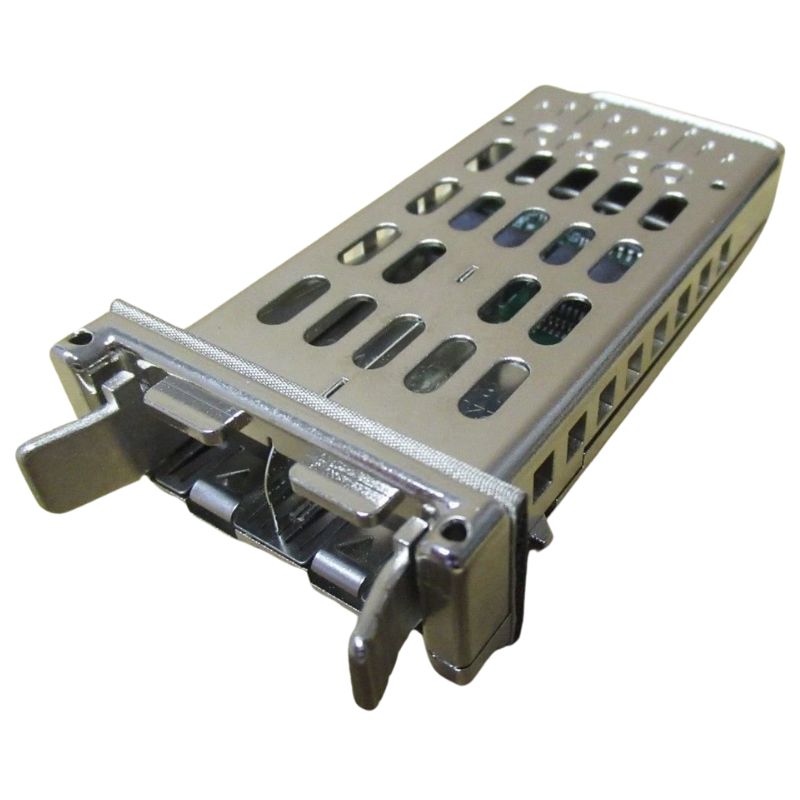
Cisco WS-CBS3130G-S-F 16 Ports Managed Switch Catalyst SFP mini-GBIC. Excellent Refurbished with 1 year replacement warranty
The Cisco WS-CBS3130G-S-F is a high-performance managed switch designed to deliver reliable network connectivity for growing businesses. Featuring 16 Ethernet ports and SFP mini-GBIC slots, it offers flexible and scalable networking solutions for modern infrastructures.
The managed SFP switch category represents a specialized segment of enterprise and service provider networking equipment designed to deliver high-speed fiber connectivity, advanced traffic control, and centralized network management. Products such as the Cisco WS-CBS3130G-S-F 16 Ports Managed Switch Catalyst SFP mini-GBIC belong to this category and are engineered to support organizations that require scalable, secure, and high-performance network infrastructures. This category focuses on switches equipped with SFP or mini-GBIC ports, allowing flexible fiber transceiver selection for different distances, bandwidth requirements, and network topologies. Managed capabilities distinguish these switches from unmanaged alternatives by providing administrators with granular control over configuration, monitoring, and optimization of network traffic.
Within this category, managed SFP switches are commonly deployed in enterprise access layers, aggregation layers, and specialized environments where fiber connectivity is preferred over copper. They enable long-distance data transmission, immunity to electromagnetic interference, and support for higher bandwidth applications. The Cisco Catalyst family, including the WS-CBS3130G-S-F model, is recognized for combining robust hardware design with enterprise-grade software features, making this category essential for modern business networks that prioritize reliability and operational efficiency.
Sixteen-port managed SFP switches occupy a strategic position within enterprise and commercial networking architectures. They provide an optimal balance between port density and compact form factor, making them suitable for branch offices, data center edge deployments, and specialized network segments that require fiber connectivity without excessive port counts. The Cisco WS-CBS3130G-S-F exemplifies this role by offering sixteen SFP mini-GBIC ports that can be populated with compatible transceivers to match specific networking needs.
In enterprise environments, these switches are often used to interconnect distribution switches, servers, storage systems, and critical network appliances. Their managed nature allows IT teams to implement VLAN segmentation, enforce quality of service policies, and monitor traffic flows in real time. This category supports network designs that emphasize modularity and scalability, allowing organizations to expand or reconfigure fiber links as business requirements evolve.
SFP mini-GBIC technology is a defining characteristic of this category, providing flexibility that fixed-port switches cannot achieve. Small Form-factor Pluggable modules allow administrators to select transceivers based on distance, wavelength, and fiber type, including multimode and single-mode options. The Cisco WS-CBS3130G-S-F leverages this technology to enable seamless integration into diverse network environments, from short-range intra-building links to long-distance campus or metropolitan connections.
The use of SFP ports enhances network adaptability and future-proofing. As bandwidth demands increase or network layouts change, transceivers can be replaced without changing the switch hardware itself. This modular approach reduces long-term infrastructure costs and minimizes downtime during upgrades. In the broader category context, managed SFP switches are valued for this adaptability, which aligns with modern network design principles focused on flexibility and resilience.
Fiber-based switching offers numerous advantages that make this category particularly relevant for mission-critical networks. Fiber links provide higher bandwidth potential compared to traditional copper connections, supporting gigabit and beyond speeds with minimal signal degradation. They also offer longer transmission distances, enabling centralized network architectures that span large facilities or multiple buildings.
Another key advantage is resistance to electromagnetic interference, which is especially important in industrial environments, data centers, and areas with heavy electrical equipment. Managed SFP switches like the Cisco WS-CBS3130G-S-F capitalize on these benefits while adding advanced management capabilities that ensure fiber networks operate at peak efficiency.
The defining aspect of this category is its managed functionality, which provides comprehensive control over network behavior. Managed SFP switches support configuration through command-line interfaces, web-based management tools, and centralized network management platforms. This enables administrators to tailor network performance, security, and reliability to organizational requirements.
Features commonly associated with this category include VLAN support for network segmentation, spanning tree protocols for loop prevention, link aggregation for increased bandwidth and redundancy, and detailed monitoring capabilities. The Cisco WS-CBS3130G-S-F integrates these features within the Catalyst software ecosystem, allowing consistent management across Cisco network devices.
Virtual LAN support is a cornerstone of managed SFP switches, enabling logical separation of network traffic over a shared physical infrastructure. This capability is essential for enhancing security, optimizing performance, and simplifying network management. By isolating traffic between departments, applications, or user groups, organizations can reduce broadcast traffic and prevent unauthorized access to sensitive resources.
In the context of the Cisco WS-CBS3130G-S-F category, VLAN functionality supports scalable network designs that adapt to organizational growth. Administrators can easily create, modify, and manage VLANs to reflect changing business needs without physical rewiring.
Quality of Service capabilities are integral to managed SFP switches, ensuring that critical applications receive the bandwidth and low latency they require. Voice over IP, video conferencing, and real-time data applications benefit from traffic prioritization mechanisms that prevent congestion-related performance degradation.
This category emphasizes intelligent traffic handling, allowing network administrators to define policies that classify and prioritize packets based on application type, source, or destination. The Cisco Catalyst switching platform supports advanced QoS features that align with enterprise service level objectives.
Security is a fundamental consideration in modern network design, and the managed SFP switch category addresses this through a range of integrated protection mechanisms. These switches support features such as port security, access control lists, and authentication protocols that help safeguard network resources against unauthorized access.
The Cisco WS-CBS3130G-S-F category aligns with enterprise security standards by enabling administrators to enforce policies at the network edge. This proactive approach reduces the attack surface and enhances overall network resilience, particularly in environments handling sensitive data or regulated workloads.
Managed SFP switches often support authentication frameworks that verify devices and users before granting network access. This ensures that only authorized endpoints can connect, reducing the risk of internal threats and unauthorized usage. Access control mechanisms can be applied on a per-port basis, providing granular enforcement of security policies.
Within this category, such capabilities are essential for maintaining compliance with organizational security guidelines and industry regulations. The integration of authentication and access control reinforces the role of managed SFP switches as secure network building blocks.
Performance and reliability are critical attributes of the managed SFP switch category. These switches are designed to handle continuous operation in demanding environments, delivering consistent throughput and low latency. High-quality hardware components, efficient cooling designs, and robust power management contribute to dependable performance.
The Cisco WS-CBS3130G-S-F is representative of this focus on reliability, offering enterprise-grade construction suitable for long-term deployment. Redundancy features, such as link aggregation and rapid failover protocols, further enhance network availability and minimize downtime.
Scalability is a defining characteristic of managed SFP switches, enabling networks to grow without disruptive overhauls. By supporting modular transceivers and advanced management features, this category allows organizations to expand fiber links, increase bandwidth, and integrate new devices seamlessly.
As business operations evolve, scalable network infrastructure becomes a strategic asset. Managed SFP switches provide the flexibility needed to accommodate new applications, users, and locations while maintaining centralized control.
The managed SFP switch category supports a wide range of deployment scenarios across different industries. In corporate offices, these switches connect access layer devices to distribution switches over fiber links, ensuring high-speed and secure data transfer. In data centers, they serve as aggregation points for servers and storage systems, supporting high-bandwidth workloads.
Educational institutions, healthcare facilities, and government organizations also benefit from this category, leveraging fiber connectivity for campus-wide networks that require reliability and security. The Cisco WS-CBS3130G-S-F fits into these scenarios by offering a balanced combination of port density, managed features, and Catalyst software integration.
Branch offices and remote sites often require compact yet powerful networking solutions. Sixteen-port managed SFP switches provide sufficient connectivity for local devices while enabling fiber uplinks to central locations. This supports centralized management and consistent policy enforcement across distributed networks.
The category’s emphasis on manageability ensures that IT teams can monitor and configure remote switches without on-site intervention, reducing operational costs and improving responsiveness.
In industrial and specialized environments, fiber connectivity is often preferred due to its resistance to interference and ability to span long distances. Managed SFP switches in this category support reliable communication between control systems, monitoring devices, and central management platforms.
The robust design and advanced features associated with this category make it suitable for deployments where network stability and security are paramount.
The Cisco Catalyst ecosystem represents a comprehensive networking platform that emphasizes consistency, scalability, and security. Managed SFP switches such as the WS-CBS3130G-S-F benefit from integration with this ecosystem, enabling unified management and policy enforcement across network devices.
This category aligns with Cisco’s approach to enterprise networking, offering compatibility with management tools, monitoring solutions, and security frameworks. Integration simplifies network operations and supports strategic initiatives such as network automation and digital transformation.
Future-proofing is a critical consideration for organizations investing in networking equipment. Managed SFP switches provide a foundation that can adapt to evolving technologies and business requirements. Support for modular transceivers, advanced protocols, and software updates ensures long-term relevance.
The Cisco WS-CBS3130G-S-F category exemplifies this forward-looking design philosophy, offering features that support current gigabit networks while accommodating future upgrades. This reduces the need for frequent hardware replacements and maximizes return on investment.
As networking technologies continue to evolve, managed SFP switches remain adaptable through firmware enhancements and configuration changes. This adaptability supports integration with emerging applications, cloud services, and security solutions.
The category’s emphasis on flexibility and manageability positions it as a cornerstone of modern, resilient network architectures.


 Contact Us
 Information
 Catalog
 Solid State Drives (SSD)
 Network Switches
 Hard Disk Drives
 HBA & Controllers
 PC & Servers
 PC & Server Memory
 CPU & Processors
 Network Routers
 Power Supplies
 Tape Drives & Libraries
 Network Devices
 Computer & Network Cables