(7% discount is applied at checkout)
Cart is empty
Your go-to destination for cutting-edge server products
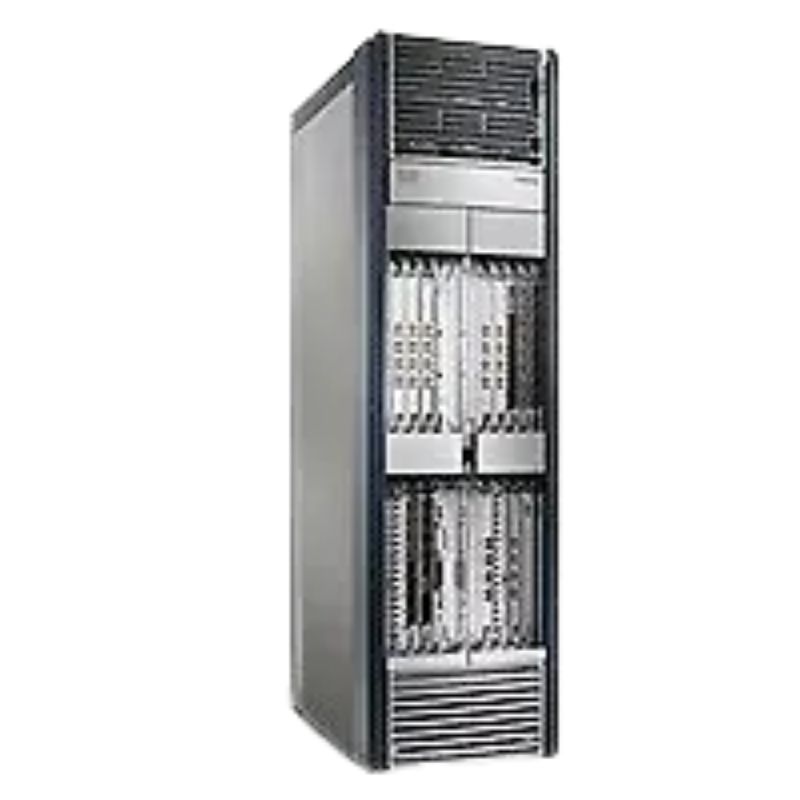


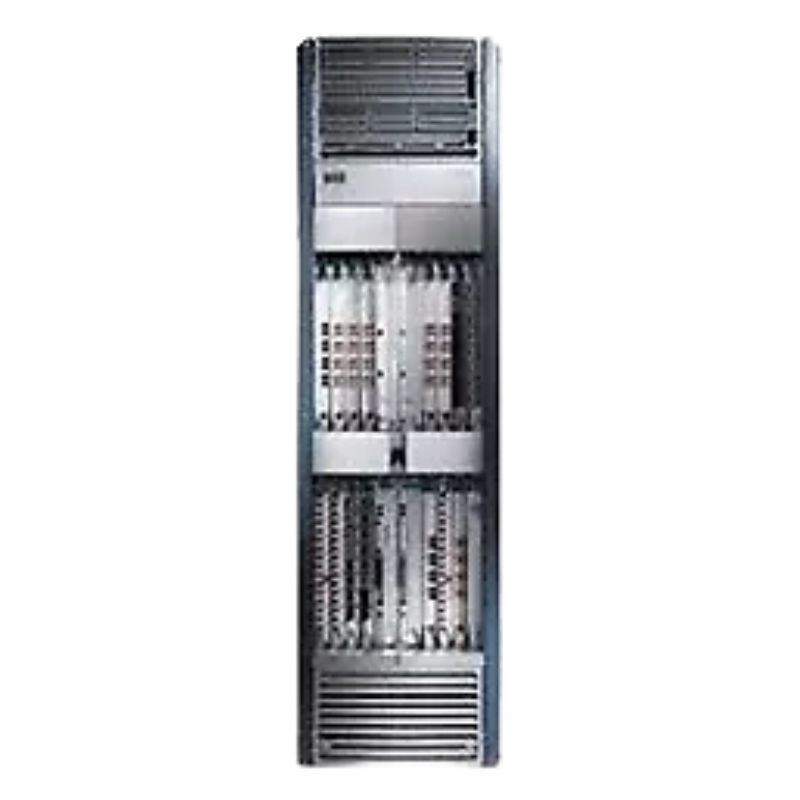
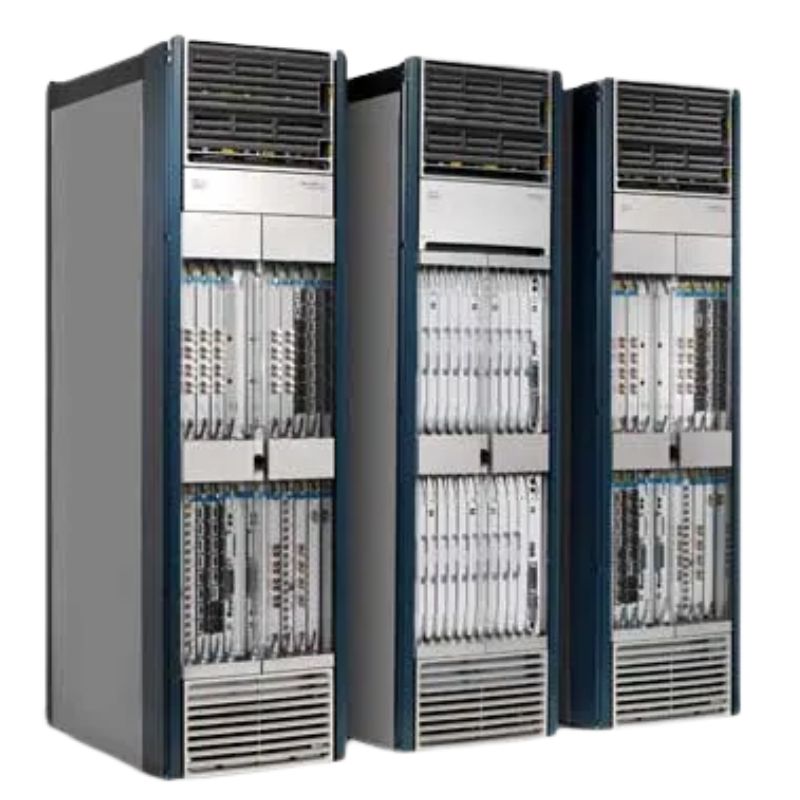
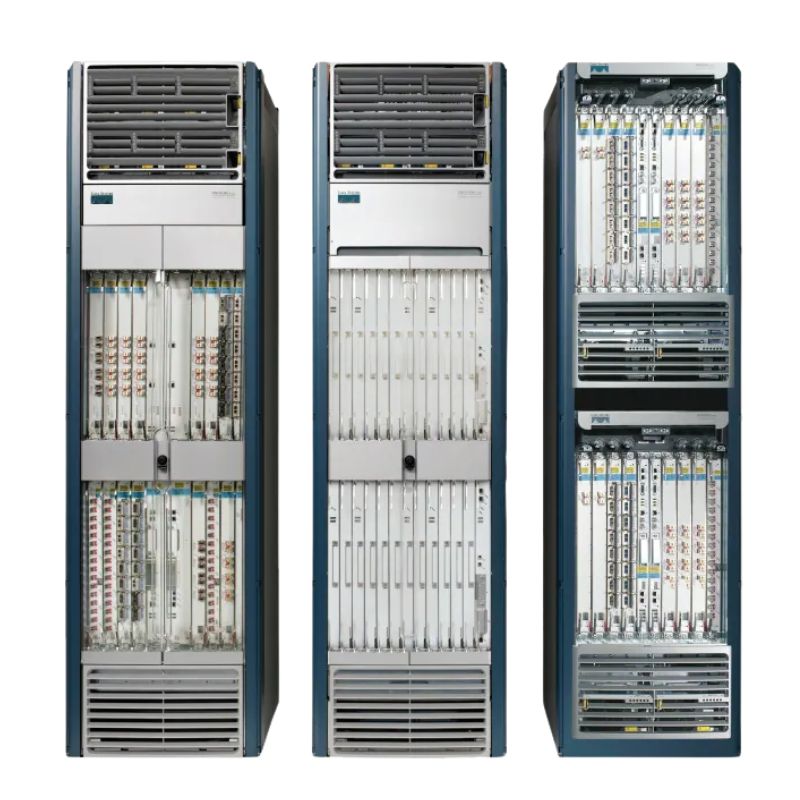
Cisco CRS-16-LCC-DRS-R CRS 1 Line Card Chassis. Excellent Refurbished with 1 year replacement warranty
The Cisco CRS-16-LCC-DRS-R is a high-capacity Carrier Routing System (CRS-1) line card chassis engineered for large-scale service provider networks and core routing infrastructures. Designed for exceptional scalability, high throughput, and carrier-grade reliability, this advanced chassis supports massive data traffic loads while ensuring continuous uptime and operational efficiency in mission-critical environments.
The Cisco CRS-16-LCC-DRS-R CRS 1 Line Card Chassis represents a high-performance modular routing platform designed for carrier-grade service provider environments, large-scale data centers, and backbone network infrastructures. Built as part of the Cisco Carrier Routing System (CRS) family, this chassis delivers exceptional scalability, resiliency, and throughput capabilities required for modern IP backbone networks. It is engineered to support massive traffic aggregation, high-speed packet forwarding, and uninterrupted service delivery across global communication networks.
As network demand continues to grow due to cloud computing, video streaming, 5G deployment, and IoT expansion, service providers require robust and scalable routing systems. The Cisco CRS-16-LCC-DRS-R addresses these challenges by offering a compact yet powerful chassis architecture capable of supporting advanced line cards and distributed routing capabilities, ensuring consistent performance under extreme traffic loads.
The Cisco CRS-16-LCC-DRS-R is designed with a modular architecture that allows operators to deploy line cards based on network requirements. This flexibility ensures that service providers can scale capacity dynamically without replacing the entire chassis infrastructure. The chassis serves as the foundational enclosure for installing high-speed routing components, enabling seamless integration with CRS series line cards and route processors.
This modular design reduces capital expenditure while improving operational efficiency. Network operators can upgrade or replace individual components as technology evolves, ensuring long-term infrastructure adaptability and investment protection.
The chassis supports high-density port configurations, allowing aggregation of massive traffic flows across multiple network interfaces. This capability is essential for backbone routers that manage terabits of traffic across metropolitan, regional, and international networks. The Cisco CRS-16-LCC-DRS-R ensures efficient load distribution across line cards, optimizing throughput and reducing congestion.
As service demands increase, additional line cards can be integrated into the chassis to expand bandwidth capacity. This scalability ensures that network operators can accommodate growing traffic volumes without redesigning their infrastructure.
The Cisco CRS-16-LCC-DRS-R is fully integrated into the Cisco CRS ecosystem, supporting compatibility with CRS line cards, route processors, switch fabric modules, and power systems. This interoperability ensures consistent performance across the entire routing infrastructure.
The CRS platform is widely recognized for its reliability in mission-critical environments where downtime is not acceptable. The chassis plays a central role in maintaining system integrity and ensuring uninterrupted packet forwarding.
One of the defining features of the CRS architecture is distributed routing intelligence. The Cisco CRS-16-LCC-DRS-R supports this model by enabling multiple line cards to participate in routing decisions, forwarding processes, and traffic management operations. This distributed approach enhances performance and reduces bottlenecks associated with centralized processing systems.
With distributed processing capabilities, traffic engineering becomes more efficient, allowing service providers to optimize network paths, balance loads, and improve end-to-end performance across the backbone infrastructure.
The Cisco CRS-16-LCC-DRS-R chassis incorporates a high-speed switching fabric that enables ultra-low latency communication between line cards. This fabric is essential for handling large-scale packet forwarding across multiple interfaces simultaneously.
The switching architecture is designed to deliver deterministic performance, ensuring consistent throughput regardless of traffic conditions or network load fluctuations.
The Cisco CRS-16-LCC-DRS-R is engineered to support large-scale network expansion initiatives. Service providers can scale their infrastructure horizontally by adding additional line cards or vertically by upgrading existing modules within the chassis framework.
This scalability is essential for supporting growing subscriber bases, increased bandwidth consumption, and emerging digital services such as video streaming, cloud applications, and mobile broadband connectivity.
The chassis is well-suited for multi-service edge environments where routing, switching, and service delivery functions converge. It enables service providers to consolidate network functions while maintaining high performance and reliability.
By supporting multiple services on a unified platform, the CRS chassis reduces operational complexity and improves service delivery efficiency across the network edge.
The Cisco CRS-16-LCC-DRS-R is built with redundancy at multiple levels, including power systems, cooling systems, and routing components. This ensures continuous operation even in the event of hardware failures or maintenance activities.
Carrier-grade reliability is a critical requirement for service providers that operate global backbone networks. The chassis is designed to minimize downtime and maintain uninterrupted service delivery.
The system incorporates advanced failover mechanisms that allow traffic to be rerouted automatically in the event of component failure. This ensures that network services remain operational without manual intervention.
Fault tolerance capabilities ensure that mission-critical applications and services remain available at all times, supporting stringent service level agreements (SLAs).
The Cisco CRS-16-LCC-DRS-R chassis is engineered with an advanced cooling system that ensures efficient airflow across all installed components. Proper thermal management is essential for maintaining system stability and extending hardware lifespan.
The chassis supports front-to-back or back-to-front airflow configurations depending on deployment requirements, enabling flexibility in data center design.
High-performance line cards generate significant heat during operation. The chassis is designed to dissipate heat efficiently, preventing thermal overload and ensuring consistent system performance under heavy workloads.
Effective cooling ensures that the routing system maintains stable operation even under sustained high traffic conditions commonly found in backbone and aggregation networks.
The chassis supports redundant power supply configurations to ensure uninterrupted operation. This redundancy eliminates single points of failure and enhances system resilience in enterprise and carrier environments.
Despite its high-performance capabilities, the Cisco CRS-16-LCC-DRS-R is designed to optimize power consumption. Efficient power distribution reduces operational costs and supports sustainable data center initiatives.
The Cisco CRS-16-LCC-DRS-R supports a wide range of routing protocols used in modern carrier networks, enabling interoperability and flexible network design. These protocols ensure efficient traffic management and route optimization across complex network topologies.
Quality of Service (QoS) features allow operators to prioritize traffic based on service requirements. This ensures that critical applications such as voice, video, and financial transactions receive priority handling.
Traffic engineering capabilities enable efficient utilization of network resources, reducing congestion and improving overall service quality.
The chassis integrates with Cisco network management systems, enabling centralized monitoring, configuration, and troubleshooting of routing infrastructure. This simplifies operational workflows and improves administrative efficiency.
Network operators can monitor system performance in real time, identify potential issues, and perform diagnostics to ensure optimal system health and stability.
Centralized management tools reduce the complexity of managing large-scale routing infrastructures, improving productivity and reducing operational overhead.


 Contact Us
 Information
 Catalog
 Solid State Drives (SSD)
 Network Switches
 Hard Disk Drives
 HBA & Controllers
 PC & Servers
 PC & Server Memory
 CPU & Processors
 Network Routers
 Power Supplies
 Tape Drives & Libraries
 Network Devices
 Computer & Network Cables