(7% discount is applied at checkout)
Cart is empty
Your go-to destination for cutting-edge server products
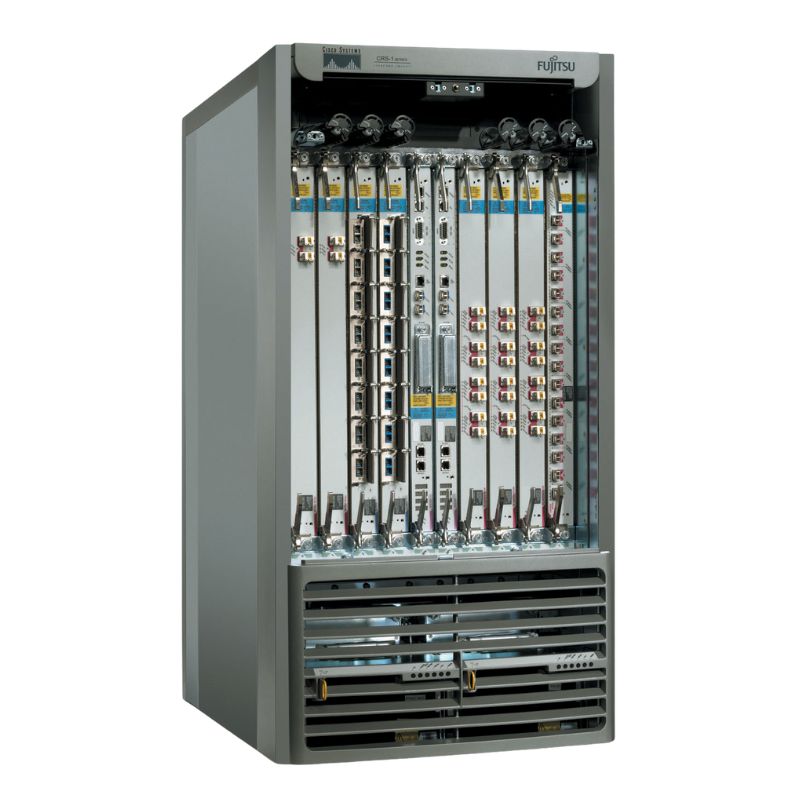


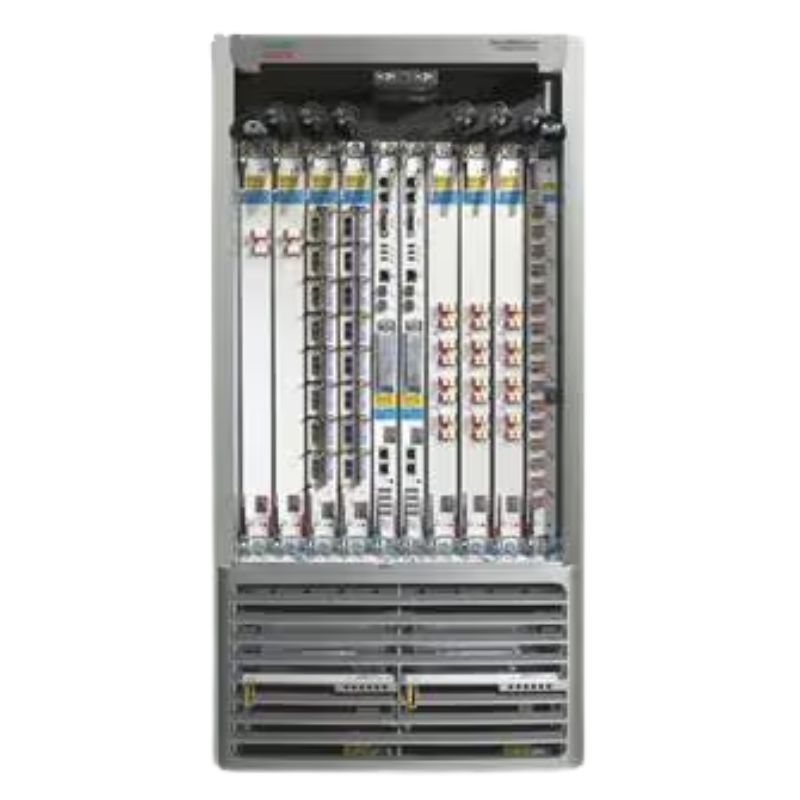
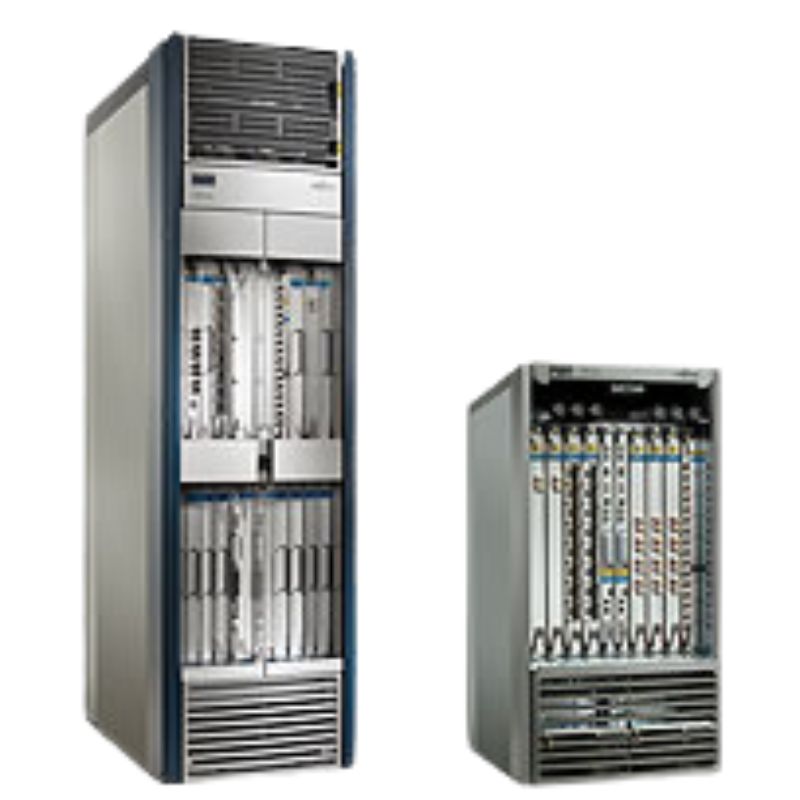
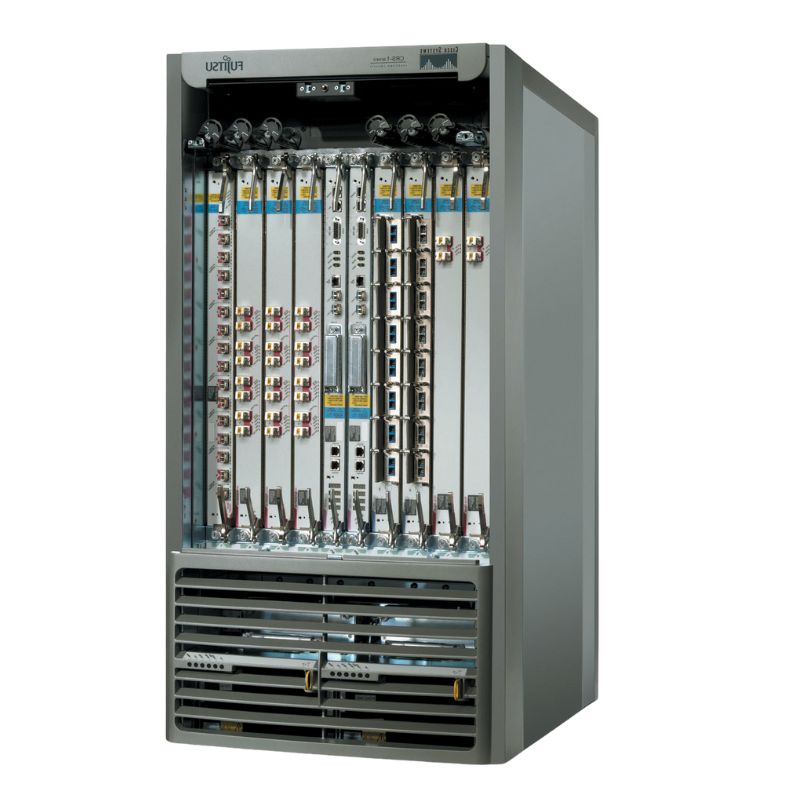
Cisco CRS-8/S-B CRS 8-Slot Single-Shelf System Enhanced Router Chassis. Excellent Refurbished with 1 year replacement warranty
The Cisco CRS-8/S-B is an advanced 8-slot single-shelf enhanced router chassis engineered for large-scale networking environments. With high switching capacity, redundant power systems, and robust cooling, this chassis delivers scalability, reliability, and performance for mission-critical infrastructures.
The Cisco CRS-8/S-B CRS 8-Slot Single-Shelf System Enhanced Router Chassis represents a cornerstone in carrier-grade networking infrastructure, designed to support high-capacity data transmission, scalable architecture, and exceptional reliability. This category of routing chassis is specifically engineered for service providers, enterprise networks, and data centers that demand ultra-high bandwidth performance combined with operational flexibility. The CRS-8 platform integrates advanced routing technologies and modular components, allowing organizations to adapt to evolving network requirements without sacrificing performance or uptime.
The Cisco CRS-8/S-B chassis is built around a sophisticated architecture that enables seamless packet forwarding and efficient traffic management across multiple interfaces. The system supports a distributed forwarding model, ensuring that data packets are processed at line rate while maintaining minimal latency. This architecture is crucial for modern networks handling large volumes of real-time data such as video streaming, cloud services, and IoT communications.
One of the defining characteristics of this routing chassis category is its ability to scale bandwidth efficiently. The CRS-8 platform supports multiple line cards, each capable of delivering high throughput, which collectively contributes to massive aggregate bandwidth. This scalability ensures that network operators can expand capacity incrementally, aligning infrastructure growth with business demands while optimizing capital expenditure.
Advanced packet processing mechanisms within the chassis enable deep packet inspection, quality of service enforcement, and intelligent traffic routing. These features are essential for maintaining consistent network performance, particularly in environments where diverse traffic types coexist and require prioritization.
The modular design of the Cisco CRS-8/S-B router chassis is a key advantage for organizations seeking long-term infrastructure investments. The system accommodates various interchangeable components, including route processors, fabric cards, and interface modules, allowing for tailored configurations based on specific network needs.
The chassis supports hot-swappable modules, enabling maintenance and upgrades without interrupting network operations. This capability is vital for mission-critical environments where downtime can lead to significant financial losses or service disruptions. Network administrators can replace faulty components or upgrade hardware seamlessly, ensuring continuous availability.
The CRS-8/S-B platform supports a wide range of interface types, including high-speed Ethernet and optical connections. This flexibility allows integration with diverse network infrastructures, supporting both legacy systems and next-generation technologies. As a result, organizations can transition to newer standards without requiring a complete overhaul of their existing network.
The modular nature of this chassis ensures that it remains relevant as technology evolves. By supporting new line cards and enhanced processing units, the system can adapt to increasing bandwidth demands and emerging networking standards, providing a future-proof solution for long-term deployments.
Reliability is a critical factor in any high-performance routing system, and the Cisco CRS-8/S-B chassis is designed with multiple layers of redundancy to ensure uninterrupted operation. This category of routers incorporates redundant power supplies, cooling systems, and control planes to eliminate single points of failure.
The chassis includes multiple power supply units that operate in a redundant configuration. In the event of a power supply failure, the remaining units continue to provide sufficient power to maintain system functionality. This redundancy enhances system resilience and ensures consistent network performance.
Efficient cooling mechanisms are integrated into the chassis to maintain optimal operating temperatures. Advanced airflow design and intelligent fan control systems prevent overheating, thereby extending the lifespan of internal components and ensuring stable operation under heavy workloads.
The CRS-8 platform features redundant route processors that ensure continuous network control and management. If one processor fails, the secondary unit immediately takes over, minimizing disruption and maintaining routing stability.
The Cisco CRS-8/S-B chassis is engineered to support high-density connectivity, enabling organizations to manage extensive network infrastructures within a single system. This capability is particularly valuable for service providers and large enterprises that require centralized routing solutions.
The chassis supports multiple high-density line cards, each capable of handling numerous ports. This allows for efficient utilization of rack space while maximizing connectivity options. High port density is essential for environments with large numbers of connected devices and endpoints.
With its advanced switching fabric and high-speed interconnects, the CRS-8 platform delivers exceptional throughput performance. The system is capable of handling massive data volumes, making it suitable for applications such as data center interconnects, backbone networks, and large-scale content delivery.
Despite its high throughput capabilities, the chassis maintains low latency, ensuring that data is transmitted quickly and efficiently. This is crucial for latency-sensitive applications such as real-time communications and financial transactions.
The Cisco CRS-8/S-B router chassis is specifically designed to meet the demands of carrier-grade networks. It includes a range of features that support large-scale service delivery and network management.
The system supports a wide array of routing protocols, enabling seamless integration into complex network topologies. These protocols facilitate efficient traffic routing, load balancing, and network optimization.
Advanced traffic engineering capabilities allow network operators to optimize data flows and ensure efficient resource utilization. Quality of service features enable prioritization of critical traffic, ensuring consistent performance for essential applications.
The CRS-8 platform supports network virtualization technologies, allowing multiple virtual networks to coexist on a single physical infrastructure. This capability enhances resource utilization and provides flexibility for service deployment.
The Cisco CRS-8/S-B chassis is suitable for a wide range of deployment scenarios, including telecommunications networks, data centers, and large enterprise environments. Its versatility makes it an ideal choice for organizations seeking a robust and scalable routing solution.
In service provider environments, the CRS-8 platform serves as a core routing solution, handling large volumes of traffic and supporting high-speed data transmission. Its scalability and reliability make it well-suited for backbone networks and internet exchange points.
The chassis plays a critical role in data center interconnect scenarios, enabling high-speed connectivity between multiple data centers. This ensures efficient data transfer and supports cloud-based applications and services.
Large enterprises can utilize the CRS-8 platform as a core routing solution, providing high-capacity connectivity and supporting mission-critical applications. Its modular design allows for customization based on specific business requirements.
Energy efficiency is an important consideration for modern networking infrastructure, and the Cisco CRS-8/S-B chassis incorporates features that optimize power consumption and reduce operational costs.
The system is designed to maximize power efficiency while maintaining high performance. Intelligent power management features ensure that energy is used effectively, reducing overall consumption and operational expenses.
The chassis supports environmentally sustainable practices by minimizing energy usage and reducing heat output. This contributes to lower carbon emissions and aligns with organizational sustainability goals.
Security is a fundamental aspect of any network infrastructure, and the Cisco CRS-8/S-B chassis includes advanced features to protect against threats and ensure data integrity.
The system incorporates built-in security features that protect against unauthorized access and network attacks. These mechanisms help safeguard sensitive data and maintain network integrity.
Access control features allow administrators to define and enforce security policies, ensuring that only authorized users and devices can access the network. This enhances overall security and reduces the risk of breaches.
Advanced threat detection capabilities enable the system to identify and mitigate potential security risks in real time. This proactive approach helps prevent network disruptions and ensures continuous operation.


 Contact Us
 Information
 Catalog
 Solid State Drives (SSD)
 Network Switches
 Hard Disk Drives
 HBA & Controllers
 PC & Servers
 PC & Server Memory
 CPU & Processors
 Network Routers
 Power Supplies
 Tape Drives & Libraries
 Network Devices
 Computer & Network Cables