(7% discount is applied at checkout)
Cart is empty
Your go-to destination for cutting-edge server products
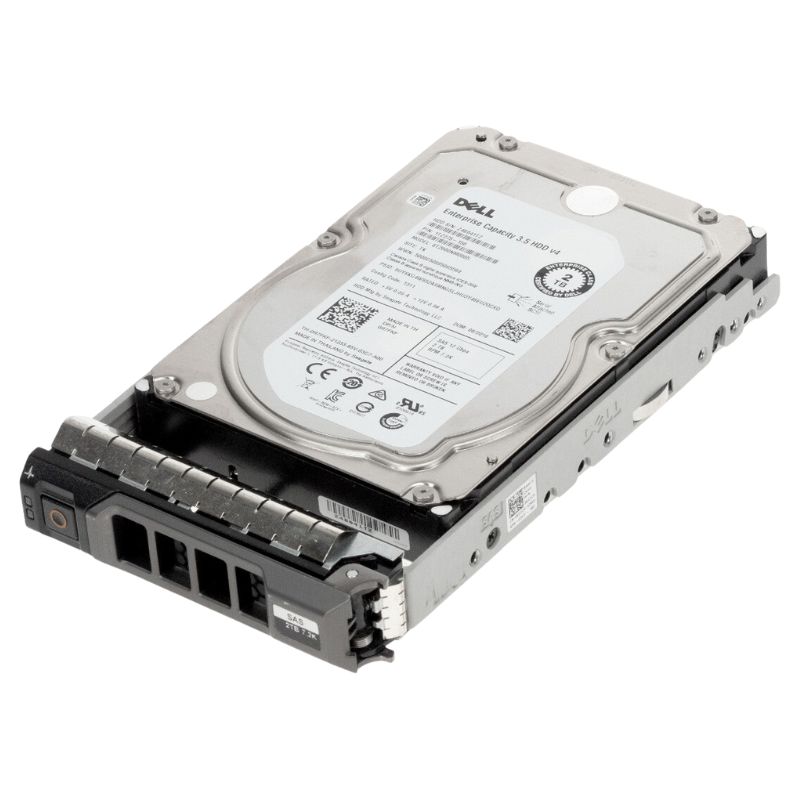


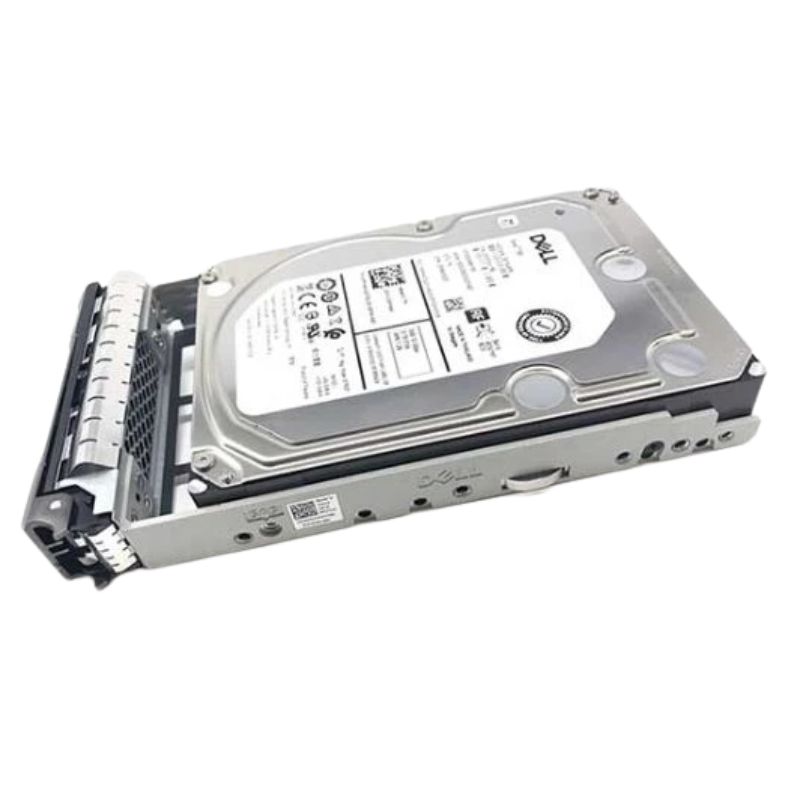
Dell 0R7FKF 12GBPS 2TB SAS 7.2K RPM 128MB LFF Hard Drive. Excellent Refurbished with 1 year replacement warranty
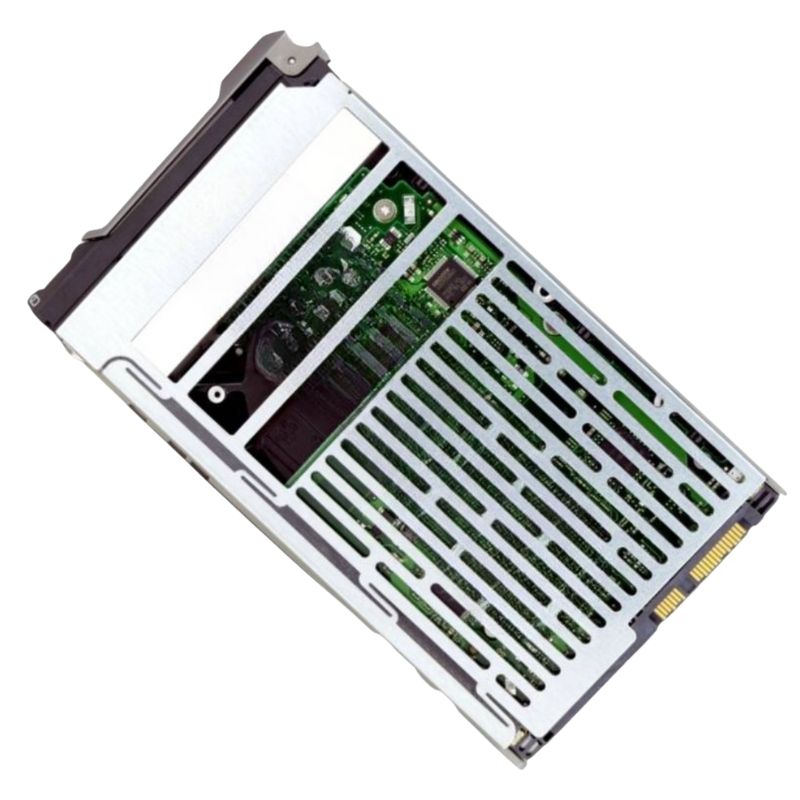
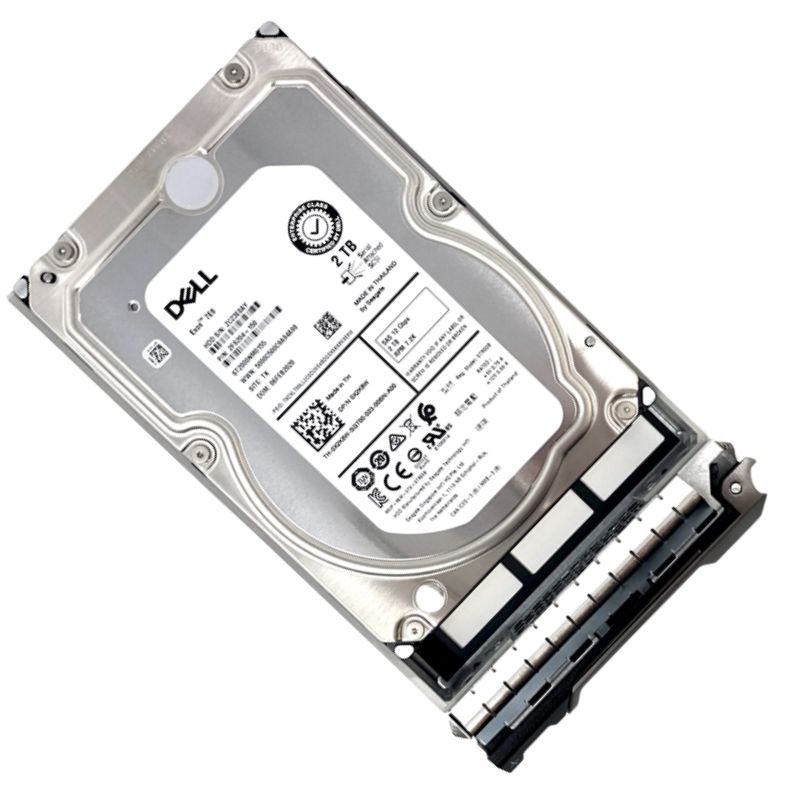
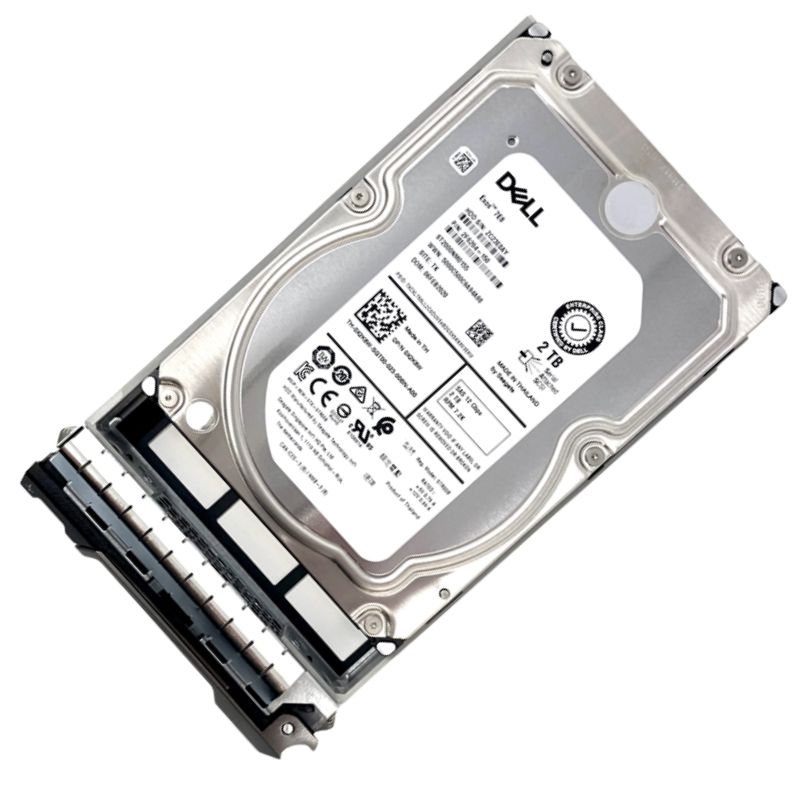
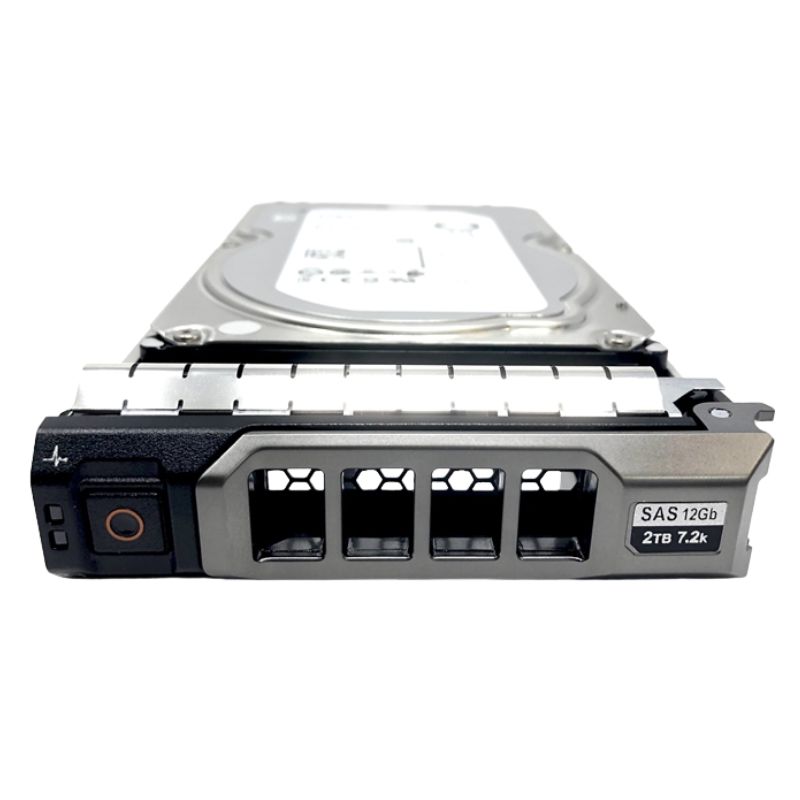
Upgrade your enterprise storage with the Dell R7FKF 2TB nearline SAS hard drive. Designed for high-demand server environments, this 3.5-inch LFF drive delivers reliable performance, robust data transfer speeds, and effortless hot-swap capability.
The Dell R7FKF 2TB SAS 12Gbps 7.2K RPM 128MB LFF Hard Drive is an enterprise-grade storage solution designed for modern server environments and data centers. Engineered for Dell PowerEdge servers, this 3.5-inch Large Form Factor (LFF) drive combines high-capacity 2TB storage, 7,200 RPM rotational speed, and a 12Gbps SAS interface to deliver consistent performance for enterprise workloads. Equipped with a large 128MB cache, the R7FKF optimizes data access speeds, enhances transactional efficiency, and supports high-throughput applications. Its LFF design ensures easy integration into server bays while providing improved airflow and cooling, making it an ideal choice for high-density storage deployments and mission-critical enterprise systems.
The 2TB capacity of the Dell R7FKF allows enterprises to store large datasets, virtual machine images, transactional databases, and high-volume applications efficiently. This storage size balances affordability and capacity, making it suitable for mid-range server deployments and enterprise arrays requiring high-density storage. Organizations can consolidate workloads, reduce the number of drives required, and optimize physical server space, power consumption, and cooling requirements. Whether used for virtualization, database storage, or backup applications, the R7FKF offers sufficient capacity for a wide range of enterprise workloads while maintaining consistent performance.
The 7,200 RPM rotational speed provides a balanced approach between energy efficiency and reliable performance. While high-speed drives with 10K or 15K RPM excel in low-latency environments, the R7FKF is optimized for sequential read/write operations, bulk storage, and general-purpose enterprise workloads. This RPM rating ensures predictable response times, supporting daily operations, backup routines, and content storage applications efficiently. Its rotational speed also minimizes heat generation and power consumption, which is critical for high-density deployments in data centers seeking cost-effective and energy-efficient solutions.
The R7FKF’s 128MB cache enables faster data retrieval by temporarily storing frequently accessed information, which reduces access latency and improves overall system responsiveness. Large cache sizes are particularly beneficial for environments with frequent read/write operations, such as virtualization clusters, transactional databases, and file servers. By preloading active data into the cache, the drive can handle multiple concurrent requests more efficiently, enhancing performance for both sequential and random workloads. This feature ensures that enterprise applications experience minimal delays during high-demand operations.
The Dell R7FKF utilizes a 12Gbps Serial Attached SCSI (SAS) interface, providing enterprise-grade connectivity, dual-port redundancy, and high throughput. SAS connectivity supports advanced RAID configurations, ensuring data redundancy and fault tolerance for mission-critical applications. Dual-port SAS allows simultaneous access through two independent data paths, increasing reliability and preventing downtime due to single-path failures. This high-speed interface is particularly advantageous for environments with multiple users, virtualization clusters, and high-bandwidth applications, providing seamless integration with modern enterprise storage arrays.
The 3.5-inch LFF design of the Dell R7FKF optimizes server bay usage, cooling efficiency, and airflow management. LFF drives allow for higher-capacity storage per unit, reducing the total number of drives required in a storage array and optimizing rack space. Improved airflow and thermal dissipation help maintain consistent performance in high-density environments, making these drives suitable for backup servers, archival storage, and enterprise content management systems. The physical design simplifies installation, replacement, and maintenance in data centers, enhancing operational efficiency.
Hot-swap functionality enables administrators to replace or upgrade the R7FKF drive without shutting down the server. This feature is critical for mission-critical environments, minimizing operational downtime and maintaining continuous availability for enterprise applications. Hot-swappable drives support incremental storage upgrades, allow easy replacement in case of failures, and ensure that RAID arrays or server clusters continue operating seamlessly during maintenance. Organizations deploying hot-swap drives benefit from enhanced uptime, simplified maintenance, and reduced risk of data loss.
The Dell R7FKF is engineered for enterprise-grade reliability with features including vibration tolerance, thermal management, and advanced error correction. These technologies maintain consistent drive performance and protect business-critical data in high-density server environments. Integration with Dell OpenManage provides administrators with predictive failure alerts, drive health monitoring, and firmware management, enabling proactive maintenance and reducing unexpected downtime. By ensuring data integrity and operational stability, the R7FKF is ideal for applications requiring high availability, including enterprise databases, content storage, and virtualization clusters.
The Dell R7FKF supports multiple RAID levels, including RAID 0, 1, 5, 6, and 10, providing organizations with flexibility in balancing performance and redundancy. RAID arrays enhance data protection, allowing drives to fail without causing data loss or service interruptions. Combined with dual-port SAS, RAID configurations offer enterprise-class reliability and uninterrupted access to data during maintenance or rebuilds. This compatibility makes the R7FKF suitable for a wide range of applications, from mission-critical transactional systems to large-scale archival storage solutions.
Proactive management through Dell OpenManage allows IT administrators to monitor drive health, predict failures, schedule maintenance, and perform firmware updates. This integration provides a centralized platform for managing multiple R7FKF drives, ensuring enterprise storage systems maintain optimal performance and reliability. By leveraging OpenManage, organizations can implement predictive analytics to prevent downtime, reduce maintenance overhead, and maximize drive lifespan, ensuring a high level of service availability for critical workloads.
The Dell R7FKF supports scalable enterprise storage deployments, enabling organizations to build large RAID arrays and high-density storage clusters. Its 2TB capacity and LFF design allow for incremental expansion, minimizing additional hardware requirements while supporting growing data needs. Enterprises can implement scalable architectures that accommodate increasing storage volumes, integrate seamlessly into existing infrastructures, and optimize energy, cooling, and operational costs. The R7FKF provides long-term storage flexibility, ensuring IT teams can respond effectively to evolving enterprise


 Contact Us
 Information
 Catalog
 Solid State Drives (SSD)
 Network Switches
 Hard Disk Drives
 HBA & Controllers
 PC & Servers
 PC & Server Memory
 CPU & Processors
 Network Routers
 Power Supplies
 Tape Drives & Libraries
 Network Devices
 Computer & Network Cables