(7% discount is applied at checkout)
Cart is empty
Your go-to destination for cutting-edge server products
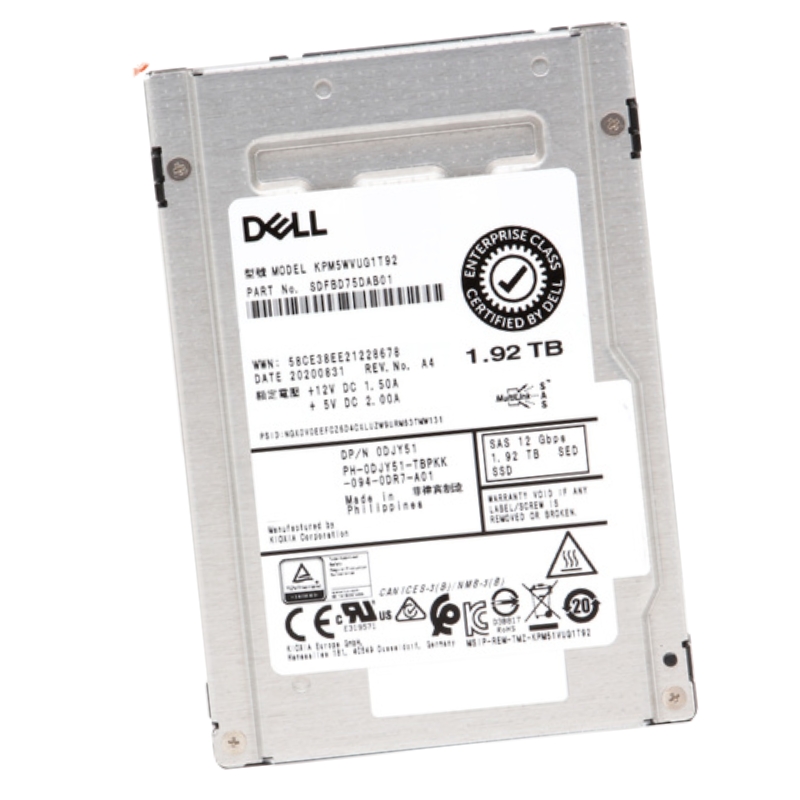


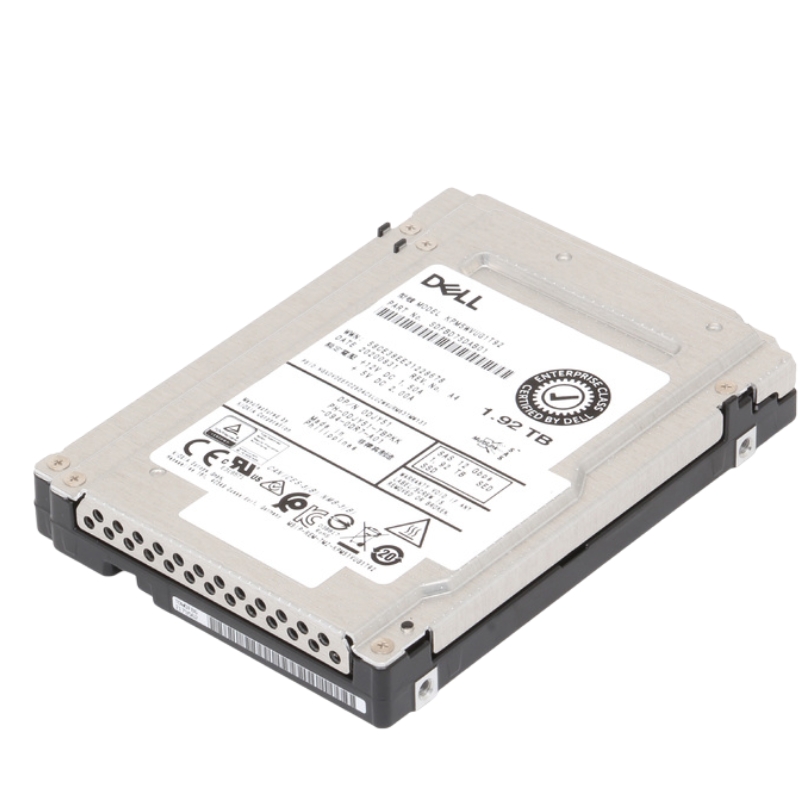
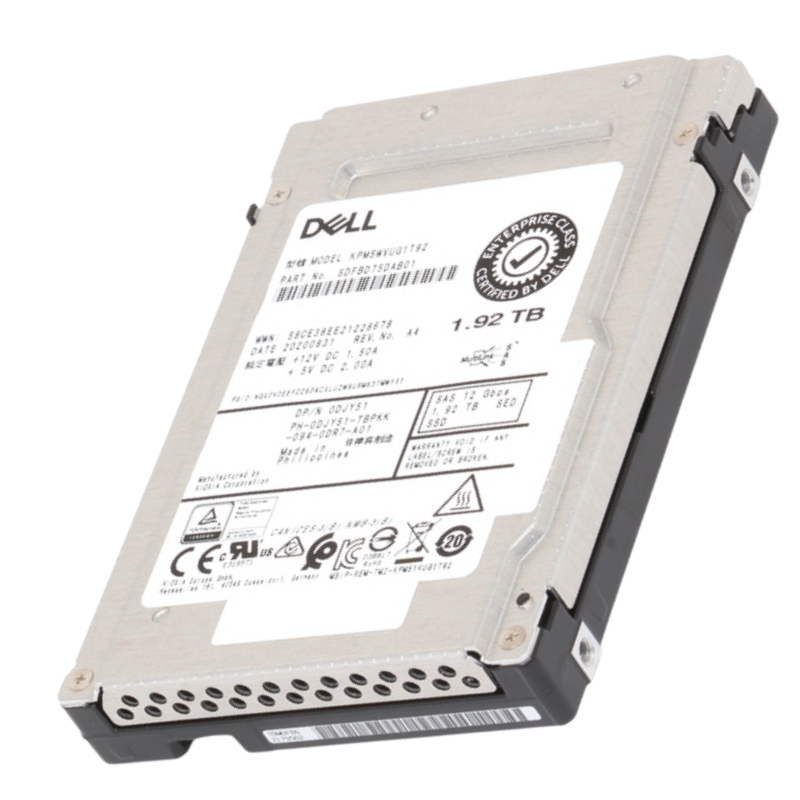
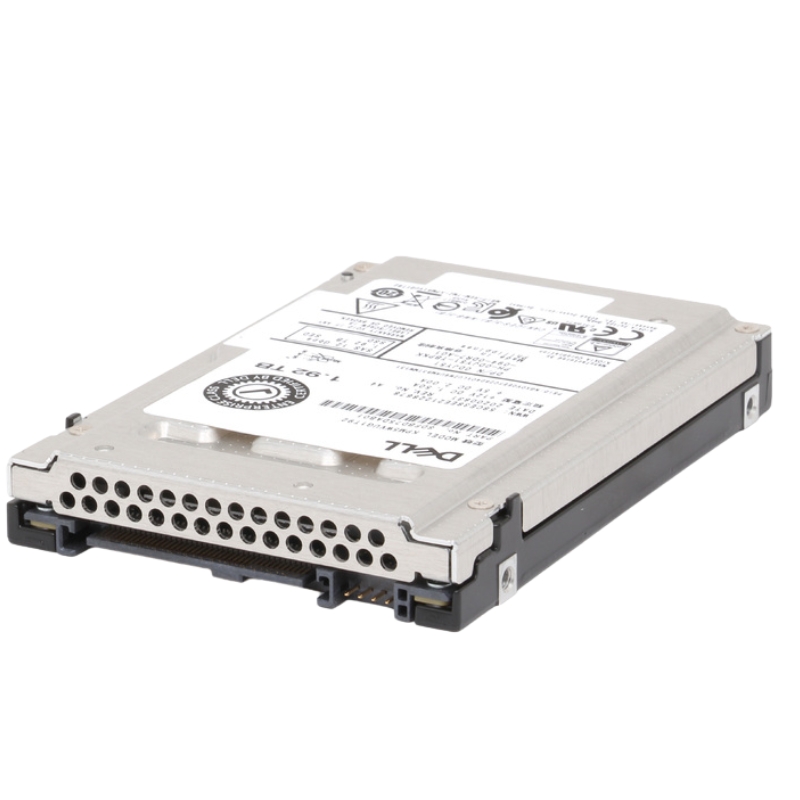
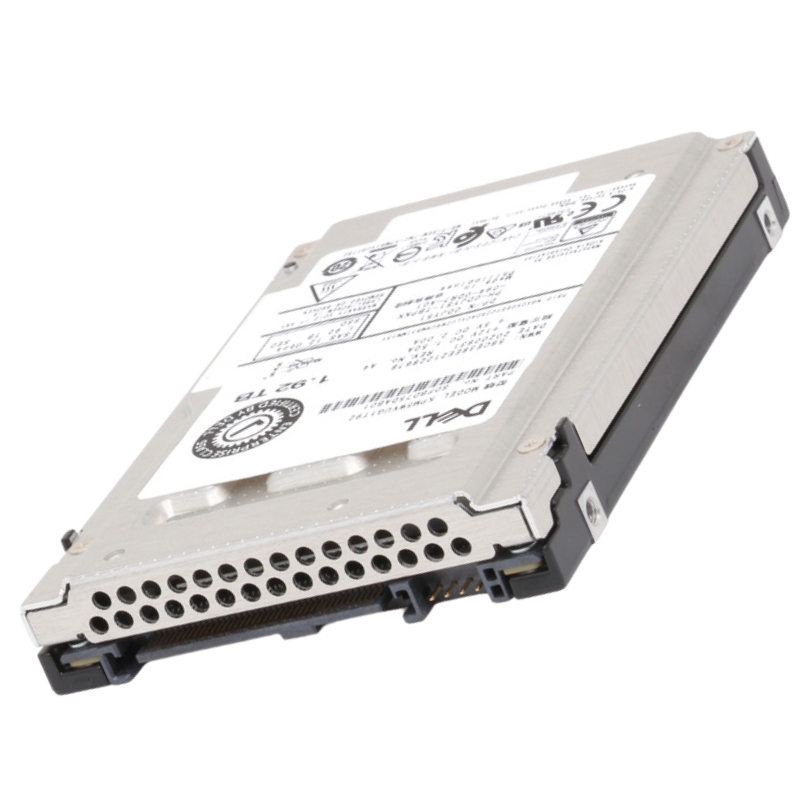
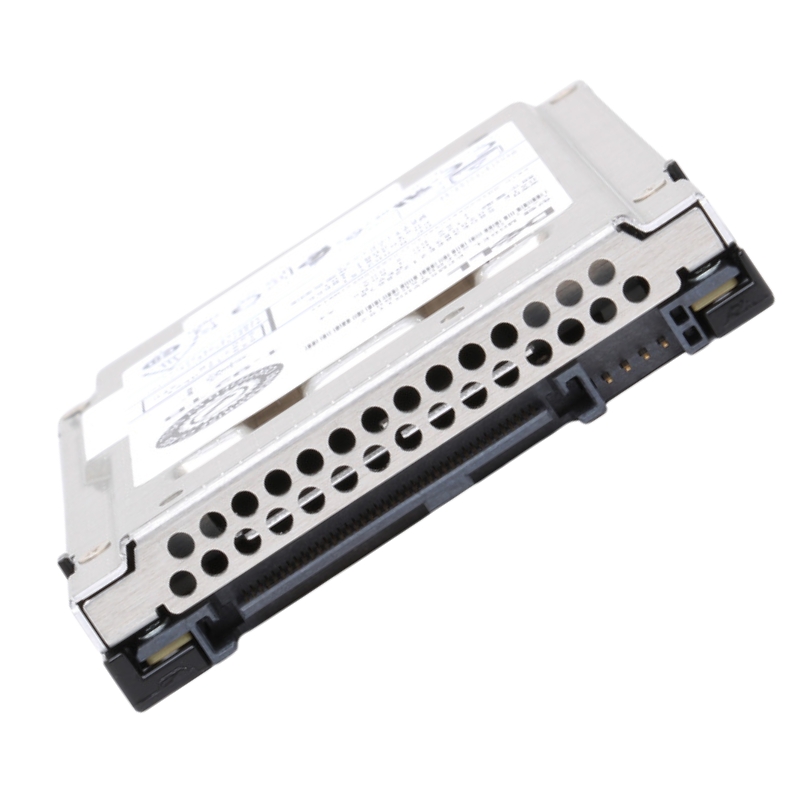
Dell 1NFN7 1.92TB SAS 12GBPS Read Intensive TLC Hot Swap 2.5inch Internal SSD. Excellent Refurbished with 1 year replacement warranty
Designed for demanding enterprise workloads, the Dell 1NFN7 1.92TB SAS 12Gbps Read Intensive TLC Hot Swap 2.5-inch Internal SSD represents a class of storage optimized for read-heavy applications in modern data centers. Built to balance high throughput, consistent low latency, and cost-effective endurance, this category of internal solid state drives addresses the needs of virtualization hosts, database front-ends, large-scale caching, and content delivery systems. The Dell 1NFN7 model and its close variants deliver the SAS 12Gbps interface, a 2.5-inch form factor, and multi-level cell (TLC) NAND engineered specifically for read-intensive service profiles.
Commonly deployed where read operations dominate, these drives are ideal for virtual desktop infrastructure (VDI), web servers, search indexes, analytics query engines, and read-caching layers. The read-intensive TLC design trades some write endurance compared to mixed-use or write-intensive SSDs, while offering substantial cost savings per gigabyte and higher overall capacity compared to older SLC or MLC counterparts. Organizations that require predictable read performance with occasional bursts of write activity will find this category aligns well with their operational patterns.
When used in virtualization clusters, Dell 1NFN7-class drives reduce storage bottlenecks for read-dominant workloads such as boot storms, pooled VDI sessions, and shared template access. The 12Gbps SAS interface ensures compatibility with high-performance enterprise controllers and RAID backplanes, enabling low-latency responses for thousands of concurrent sessions. In cloud environments, these SSDs scale predictably and allow service providers to offer higher IOPS guarantees for read-heavy tiers without the premium cost of write-optimized flash.
Databases that execute complex queries but rely more on large-scale reads than on constant writes—such as reporting databases, read replicas, and OLAP systems—benefit from the performance profile of read-intensive TLC SSDs. The category strikes a practical balance between capacity, sustained read throughput, and reliability, enabling faster query completion times and improved user experience for analytics dashboards and BI tools.
At the heart of this category is the SAS 12Gbps interface, which provides a robust link between host controllers and the device, offering enterprise-class features such as full-duplex operation, advanced error handling, and compatibility with multipath I/O and hardware RAID. The 12Gbps bandwidth reduces the likelihood of interface-induced bottlenecks, particularly in multi-drive arrays where parallelism and queue depth are exploited to maximize throughput.
Performance metrics for this category are typically characterized by high random read IOPS, sub-millisecond latency under moderate queue depths, and stable throughput under sustained read workloads. While random write IOPS and endurance ratings are lower than write-intensive SSDs, firmware optimizations for read prioritization, intelligent garbage collection scheduling, and over-provisioning contribute to maintaining performance consistency over the drive’s service life.
Enterprises depend on predictable QoS, and these drives are tuned to minimize latency spikes during routine background housekeeping. Firmware features often include thermal throttling thresholds, IO prioritization, and power-loss protection mechanisms which together provide reliability in mixed-traffic data center environments. Deployments that require steady read latencies—such as currency trading front-ends or real-time analytics—benefit from the consistent response times this category provides.
With capacities like 1.92TB, the Dell 1NFN7 category enables dense storage configurations within 2.5-inch bays, allowing organizations to maximize usable capacity per chassis while retaining the speed advantages of flash. TLC NAND offers a favorable capacity-to-cost ratio, making it economical for tiered storage strategies where performance matters but cost-per-GB must remain controlled.
High-density drive configurations allow organizations to design fault-tolerant arrays and multi-tiered storage nodes with fewer servers. This density supports efficient scaling: administrators can increase capacity with minimal hardware overhead while keeping latency low for read-centric services. For environments requiring hot-swap capability, the 2.5-inch hot-swap form factor of these SSDs simplifies maintenance and reduces downtime.
Although read-intensive SSDs typically have lower DWPD (drive writes per day) than write-intensive models, the Dell 1NFN7 category incorporates enterprise-grade error correction, robust wear-leveling algorithms, and reserved over-provisioning to preserve data integrity and extend usable life. Endurance characteristics are engineered to match enterprise service-level expectations for read-dominant workloads while still offering protective mechanisms for occasional write bursts.
Advanced firmware is critical in maintaining reliability over time. Features such as end-to-end data path protection, enhanced power-loss protection (PLP) buffers, and background scrubbing help prevent silent data corruption and ensure recoverability. The category typically provides SMART reporting and telemetry to inform system administrators of wear metrics, temperature trends, and predictive health indicators, enabling proactive replacement planning.
Manufacturers of Dell 1NFN7-class drives perform extensive environmental and endurance testing, including thermal cycling, vibration testing, and stress under mixed IO patterns, to guarantee mission-critical performance. Mean time between failures (MTBF) ratings, coupled with warranties and support options, provide the enterprise assurances needed for large-scale deployments.
Compatibility with server platforms, RAID controllers, and storage enclosures is a primary consideration when selecting drives in this category. The SAS 12Gbps interface is backward compatible with 6Gbps SAS environments in many cases, but optimal performance requires full 12Gbps host paths and certified firmware combinations. Dell-certified or validated SKUs ensure seamless integration into PowerEdge servers and Storage arrays, reducing the risk of firmware mismatches and suboptimal performance.
Hot-swap capability is fundamental to enterprise operations that cannot tolerate extended outages. Replaceable 2.5-inch drive carriers and standard bay designs allow for in-service replacement without powering down hosts, supporting continuous availability and simplified maintenance workflows. The category’s compatibility with common monitoring tools enhances the administrative experience by providing clear indicators and predictable replacement procedures.
Drive firmware versions should be matched with server BIOS and HBA/RAID firmware recommendations to avoid interoperability issues. Enterprises should adopt standardized firmware update processes to ensure drives operate with intended performance and feature sets. Many vendors publish compatibility matrices and firmware bundles that simplify this task for large fleets of drives.
Operating temperature and power efficiency are important for systems with dense drive counts. The Dell 1NFN7 category is engineered to operate within defined thermal envelopes and often includes thermal throttling mechanisms to prevent overheating; however, proper chassis airflow and rack-level cooling remain necessary to preserve performance under sustained loads. Lower power consumption per terabyte relative to HDDs contributes to greener data center designs.
Although SSDs generate less heat than spinning media, dense SSD arrays still require careful airflow planning. Drive firmware may report rising temperatures that can trigger throttling; administrators should plan drive placements and fan policies to align with manufacturer-recommended operating temperature ranges. Temperature-aware monitoring helps avoid performance degradation caused by thermal constraints.
Power-saving features such as device sleep states and optimized idle behaviors reduce energy usage during low-activity periods without compromising readiness for immediate IO. For cluster deployments where many drives remain idle for extended durations, power management tuning can meaningfully reduce energy costs while preserving rapid recovery to operational states.
Security-conscious organizations will appreciate that many enterprise SSDs in this category include features like hardware-based encryption, TCG Opal support, and secure erase functions. These features help meet regulatory and compliance requirements for data at rest and allow for rapid remediation in the event of drive decommissioning or repurposing.
Hardware encryption offloads cryptographic tasks from the host CPU and helps ensure minimal performance impact while keeping data protected. Integration with key management frameworks (KMIP or vendor-specific solutions) streamlines key rotation policies and protects against unauthorized access if a drive is removed from its native system.
Secure erase commands and cryptographic secure erase functions permit reliable sanitization of drives prior to reuse or disposal. Administrators should follow established organizational policies and compliance guidelines for data destruction to ensure that sensitive information cannot be recovered after decommissioning.
Begin with a careful analysis of application IO profiles: read/write ratios, typical queue depths, and peak concurrency. Benchmarking with representative datasets will reveal whether a read-intensive TLC drive offers the necessary headroom for performance spikes. For mixed workloads, consider hybrid architectures that combine high-capacity read-optimized drives with a smaller tier of write-optimized flash to absorb write bursts.
Tiered storage policies that place cold or archival data on high-capacity HDDs, active read-centric datasets on TLC read-optimized SSDs, and transactional logs on write-optimized media can deliver an efficient balance of performance and cost. Automation tools for data movement and caching enhance this approach, directing hot reads to the SSD tier while preserving endurance across drives.


 Contact Us
 Information
 Catalog
 Solid State Drives (SSD)
 Network Switches
 Hard Disk Drives
 HBA & Controllers
 PC & Servers
 PC & Server Memory
 CPU & Processors
 Network Routers
 Power Supplies
 Tape Drives & Libraries
 Network Devices
 Computer & Network Cables