(7% discount is applied at checkout)
Cart is empty
Your go-to destination for cutting-edge server products
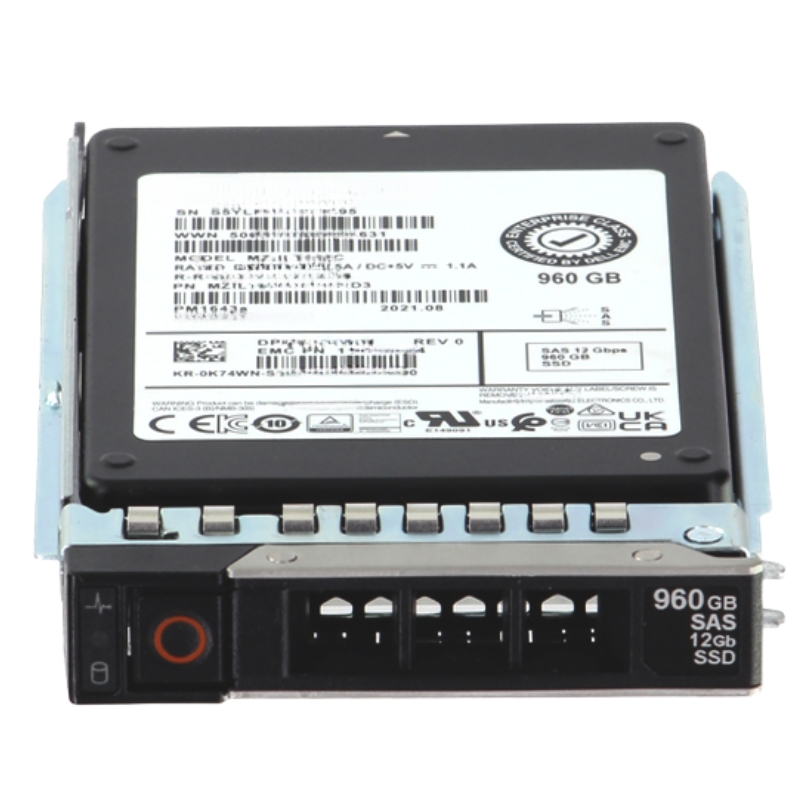


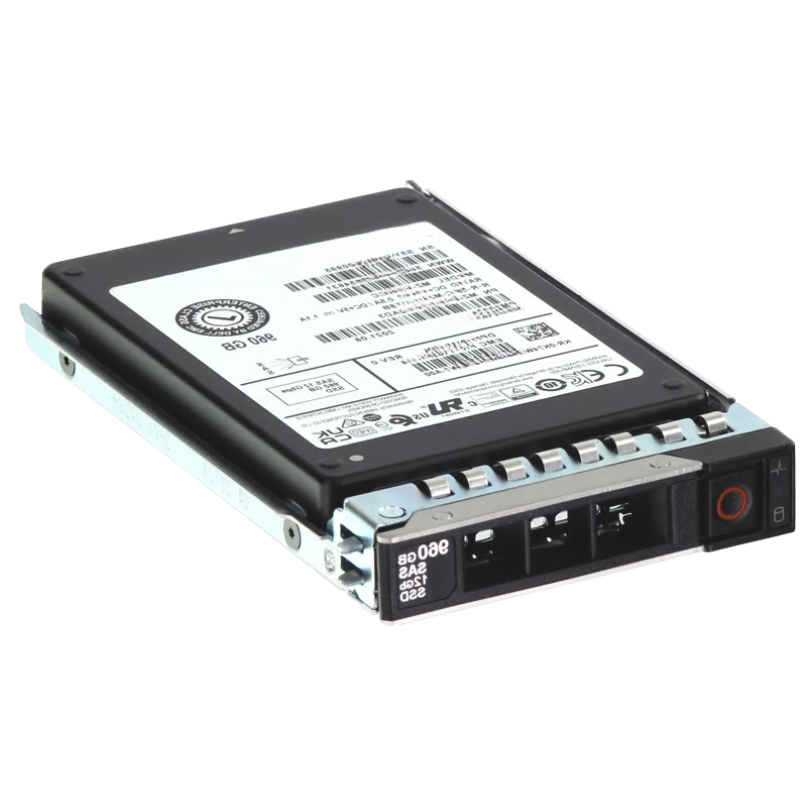
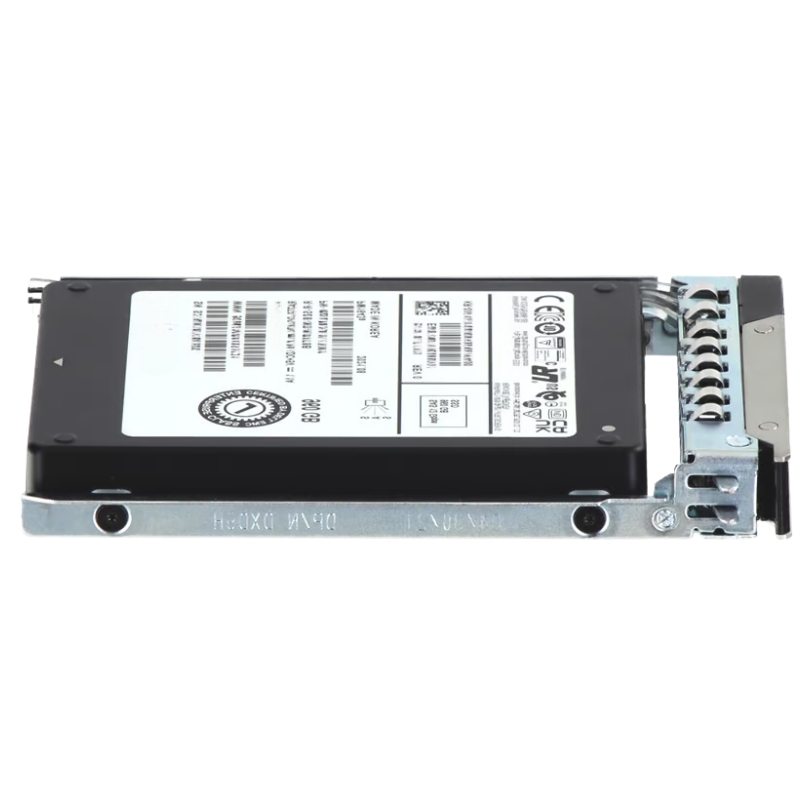
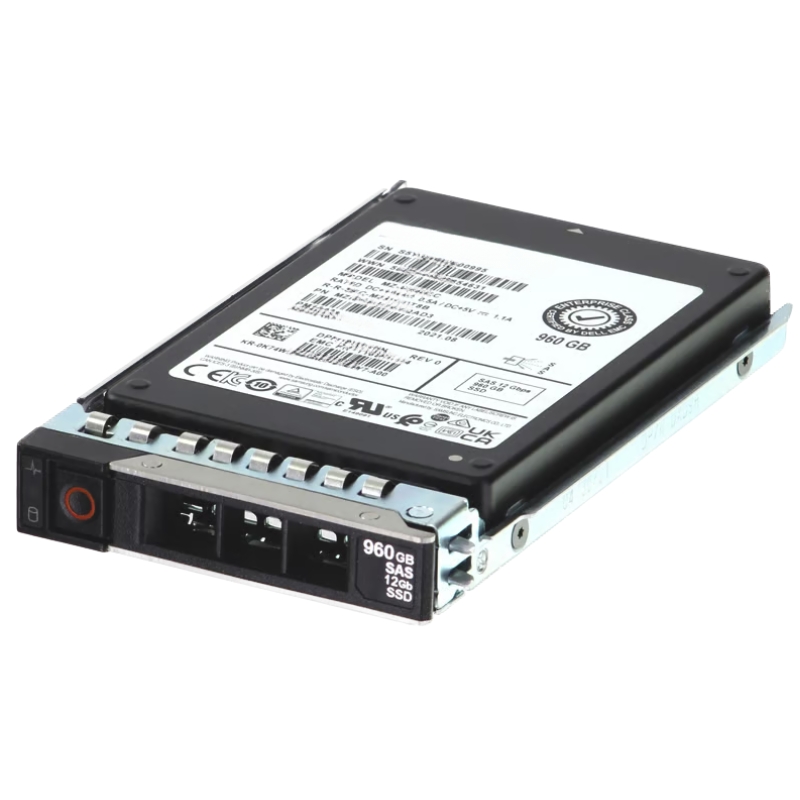
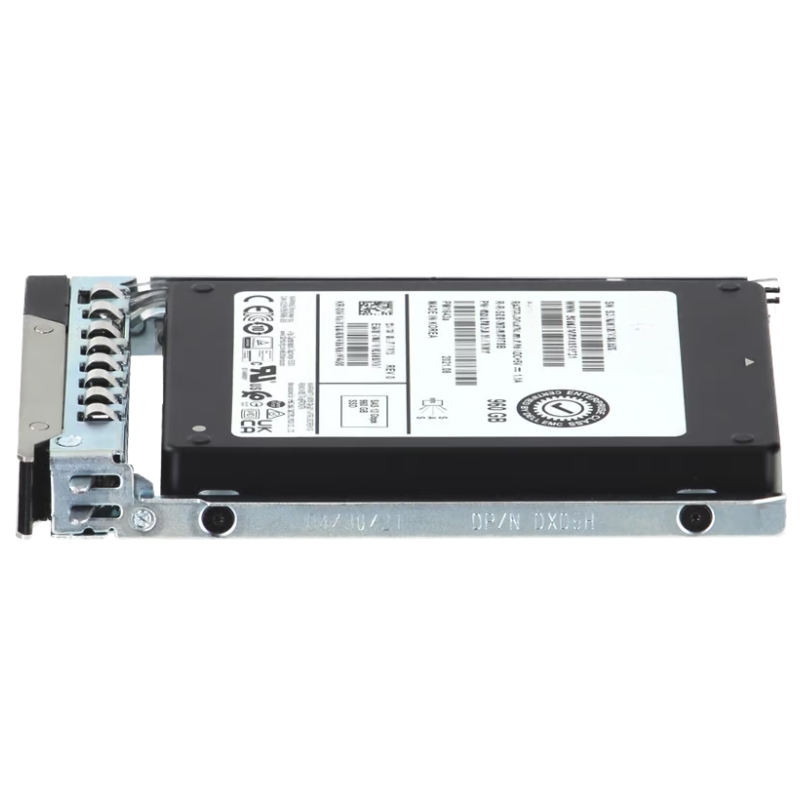
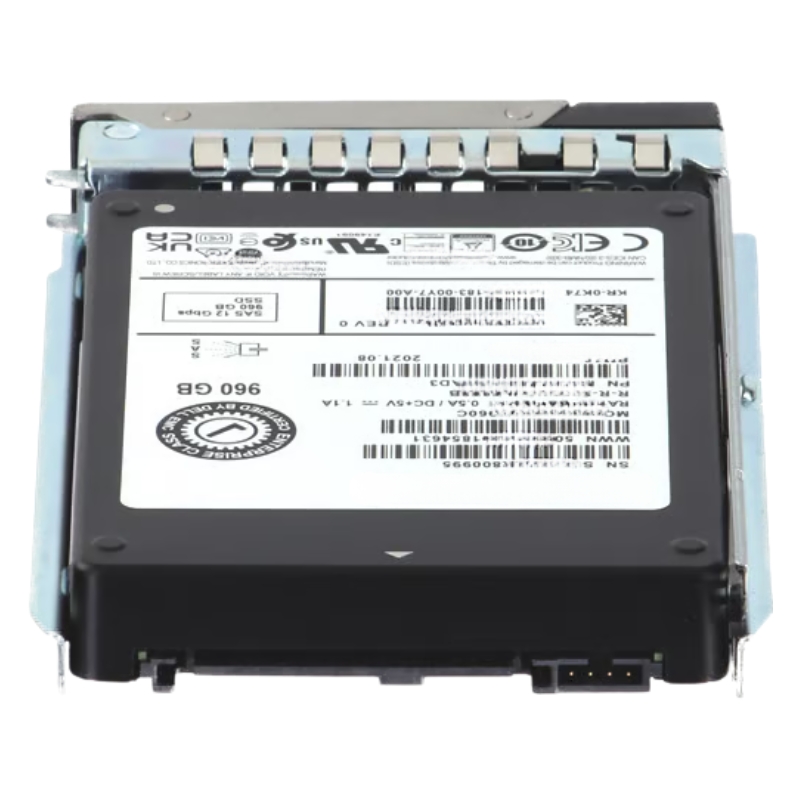
Dell 24YF3 960GB SAS 12GBPS Read Intensive MLC 512N Hot Swap SFF SSD. Excellent Refurbished with 1 year replacement warranty
Dell 24YF3 960GB SAS-12GBPS Read Intensive MLC 512N Hot Swap SSD devices represent a focused category of enterprise-class storage optimized for read-heavy workloads, delivering the durability, low latency, and predictable performance required by modern data centers and mission-critical applications. Designed around a 960GB capacity, SAS-12Gbps interface, and multi-level cell (MLC) NAND configured with 512N sectoring, these solid-state drives are engineered to meet the needs of database caching, virtualization read caches, content delivery, and analytics platforms where read performance and reliability matter most.
Each Dell 24YF3 960GB SAS drive in this category combines a 12 gigabits-per-second Serial Attached SCSI (SAS) interface with enterprise-grade MLC NAND flash and controller firmware tuned for read intensive patterns. These drives typically support hot-swap operation, enabling rapid replacement without system downtime, and they often include advanced error correction, power-loss protection, and end-to-end data path integrity features that enterprise operators rely on. The 512N sector format ensures compatibility with many server and RAID controller ecosystems while simplifying deployment in mixed environments.
SAS-12GBPS connectivity provides a high-throughput, low-latency channel between server host bus adapters (HBAs) and the SSD, enabling sequential and random read patterns to perform consistently at scale. The physical form factor—commonly 2.5-inch for these Dell parts—offers dense server bay packing and compatibility with a wide range of Dell PowerEdge chassis and enterprise storage enclosures. Hot-swap capability reduces mean time to repair (MTTR) and is a crucial category attribute for high-availability environments.
MLC flash, while superseded in some consumer markets by TLC and QLC variants, remains valuable in enterprise contexts where a blend of endurance and cost-efficiency is required. In this category, the MLC implementation is optimized for read-intensive workloads—providing a higher program/erase cycle endurance compared to consumer-grade MLC and retaining a predictable performance curve across the drive’s lifecycle. Drives in this category are commonly specified with workload ratings expressed in DWPD (Drive Writes Per Day) tailored to read-dominant usage patterns.
Performance metrics for Dell 24YF3 960GB SAS drives focus on sustained read IOPS, low read latency, and stable throughput under mixed queue depths. Typical real-world workloads that align with this category include database query accelerators, virtual desktop infrastructure (VDI) read caches, file and object store index servers, and boot/OS imaging servers. In these scenarios, the SSD’s read-dominant tuning results in faster query response times, improved user experience, and reduced load on backend spinning disk arrays used for archival storage.
Random read performance is the hallmark of drives in this category. Enterprise applications that issue many small, random read requests—such as OLAP queries, search indexes, and caching layers—benefit from the low-latency characteristics of the 24YF3 series. Predictable sub-millisecond read latency at various queue depths enables multi-tenant or high-concurrency workloads to scale without sudden performance cliffs.
While optimized for random read operations, these SAS-12Gbps SSDs also provide high sequential throughput when serving large file reads or streaming content. This makes them suitable for content distribution nodes, high-performance NAS controllers, and video-on-demand frontends that need to deliver large blocks of data rapidly while preserving I/O responsiveness for other system tasks.
Reliability in the Dell 24YF3 category is supported by enterprise-grade firmware features, robust wear-leveling algorithms, advanced ECC (Error Correction Codes), and power-loss protection capacitors or equivalent mechanisms that flush volatile write caches to non-volatile media during sudden outages. These safeguards maintain data integrity for writes that are in-flight and reduce the risk of silent data corruption, a key competitive advantage in enterprise storage categories.
Drives in the 24YF3 family are engineered to interoperate with a wide ecosystem of SAS RAID controllers and HBAs. Compatibility testing and certification for Dell PowerEdge servers ensures that administrators can deploy these SSDs within RAID arrays for mixed performance/efficiency strategies or use them as standalone boot and cache devices. The 512N sector alignment reduces translation overhead in RAID setups, improving predictable I/O behavior.
Deployers choose Dell 24YF3 960GB SAS drives for several recurring patterns. In hyperconverged infrastructures, these SSDs often serve as read cache tiers that accelerate VM boot storms and read-heavy application starts. In database frontends, they host frequently accessed indices and hot partitions. In content delivery networks or edge compute nodes, their low-latency characteristics reduce round-trip times for user requests and maximize throughput for concurrent reads.
These SSDs are commonly placed in a tiered storage strategy where ultra-fast NVMe or higher-endurance SSDs form the top tier for heavy write and mixed workloads, while the Dell 24YF3-series SAS drives serve as a cost-effective read-optimized tier. Cold data remains on HDD tiers for long-term retention. This arrangement balances total cost of ownership (TCO) while delivering application-level performance where it is most needed.
In virtualization environments, read-intensive flash significantly reduces read amplification from spinning disks and provides faster provisioning and snapshot operations. VDI deployments benefit particularly because login storms and boot operations generate heavy read loads that these drives are designed to absorb without unacceptable latency spikes.
Operational efficiency remains an important category attribute. Dell 24YF3 drives are designed to operate within typical datacenter thermal envelopes, with firmware strategies that reduce performance throttling while maintaining device health. Power consumption is optimized for enterprise racks where cumulative power draw from many drives can impact cooling and PSU sizing.
Hot-swap capability enables in-field servicing without powering down hosts—an essential operational requirement for continuous services. Drive carriers and trays used with Dell chassis streamline the physical replacement process and maintain proper airflow and thermal management inside dense servers.
Security capabilities such as TCG Opal support or enterprise erase commands may be available across the category depending on model and firmware. These features are crucial for secure decommissioning and redeployment, allowing organizations to meet compliance and data protection policies. When secure erase or cryptographic erase is required, administrators should consult Dell documentation for supported commands and recommended sanitization procedures tailored to each device model.
Hardware or firmware-based encryption reduces performance impact compared to software-only encryption, and when available it simplifies meeting regulatory requirements for protected data at rest. Drives that support encryption can be integrated into key management systems and platform security modules to maintain centralized control over cryptographic keys.
Compatibility is a critical factor for enterprise deployments. Dell 24YF3 drives are usually validated for use in Dell systems and with specified RAID controllers, yet they also work with many third-party enterprise servers and storage arrays that support SAS-12Gbps. Administrators should verify interop matrices for firmware compatibility, drive firmware versions, and controller driver support to avoid unexpected behavior in production.
When a drive fails within a RAID set, reconstruction workload can stress remaining drives; choosing rebuild-friendly RAID layouts and ensuring sufficient spare capacity helps minimize performance impact during rebuild. Drives in the Dell 24YF3 category typically sustain rebuild activity well when combined with proper RAID controller priority settings and adequate cooling.
Enterprise purchasers are increasingly attentive to power efficiency and hardware lifecycle impacts. The lower power requirements of SSDs compared to HDDs reduce datacenter power and cooling demands, contributing to sustainability goals. Additionally, responsible hardware disposal and adherence to e-waste regulations are part of the procurement and retirement lifecycle for these devices.
Within Dell’s broader SSD portfolio, the 24YF3 960GB SAS-12Gbps read-intensive MLC family typically occupies a mid-tier position balancing cost and endurance for read-heavy use cases. Higher-tier NVMe drives target ultra-low latency mixed workloads and higher write endurance, while lower-cost SATA or consumer-grade options are reserved for less demanding applications. Selecting the right tier requires mapping workload characteristics to device endurance and performance expectations.
Organizations may prefer read-intensive SAS SSDs when existing infrastructure is SAS-centric, when budget constraints favor optimized read performance without the premium of write-heavy NVMe drives, or when the workload profile is heavily skewed toward read operations. Additionally, legacy systems that lack NVMe slots but support SAS controllers can benefit from the straightforward upgrade path these drives provide.


 Contact Us
 Information
 Catalog
 Solid State Drives (SSD)
 Network Switches
 Hard Disk Drives
 HBA & Controllers
 PC & Servers
 PC & Server Memory
 CPU & Processors
 Network Routers
 Power Supplies
 Tape Drives & Libraries
 Network Devices
 Computer & Network Cables