(7% discount is applied at checkout)
Cart is empty
Your go-to destination for cutting-edge server products
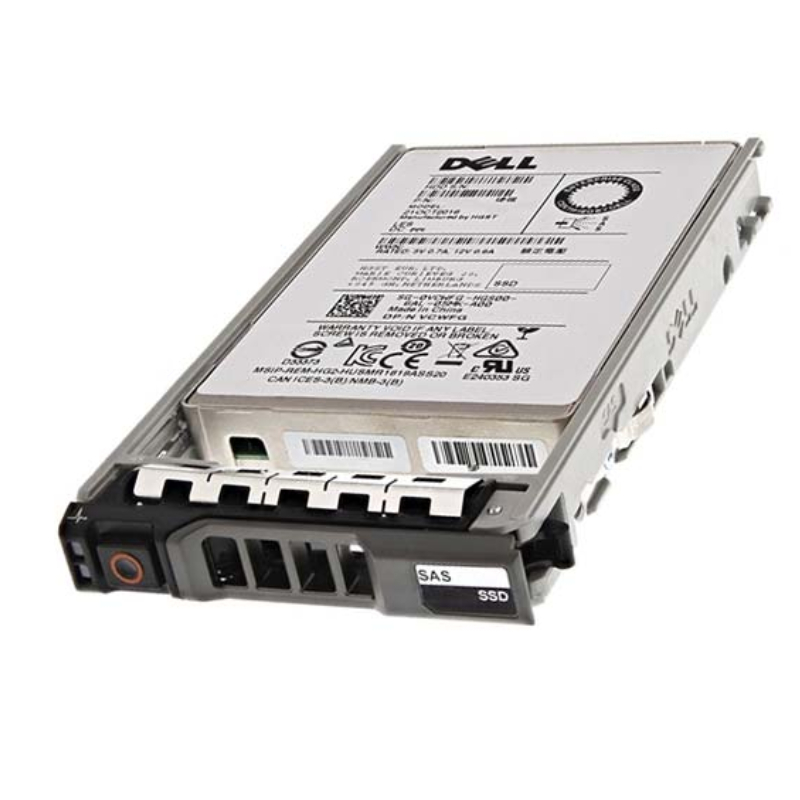


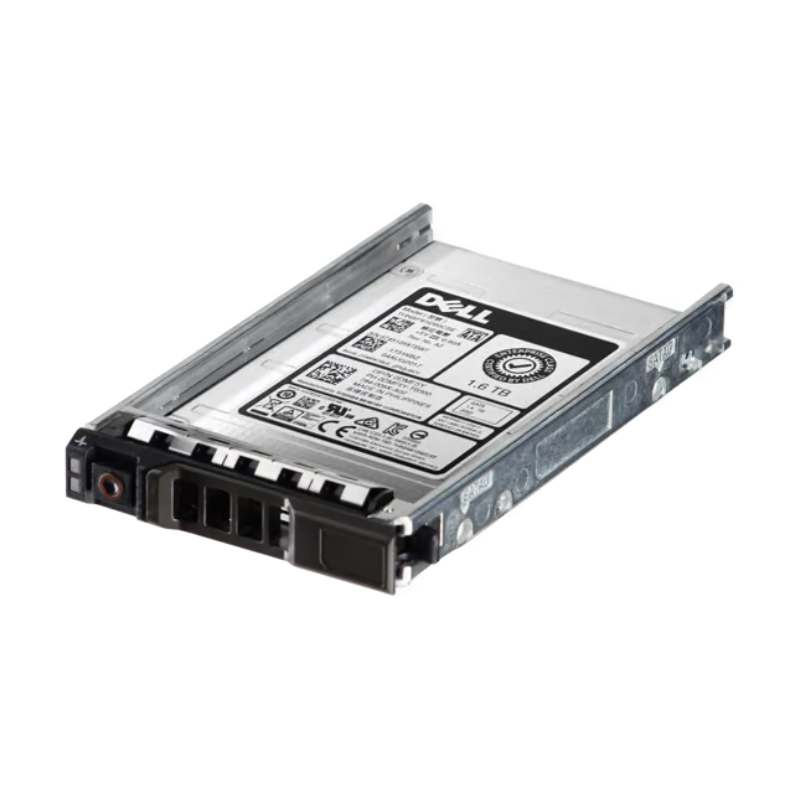
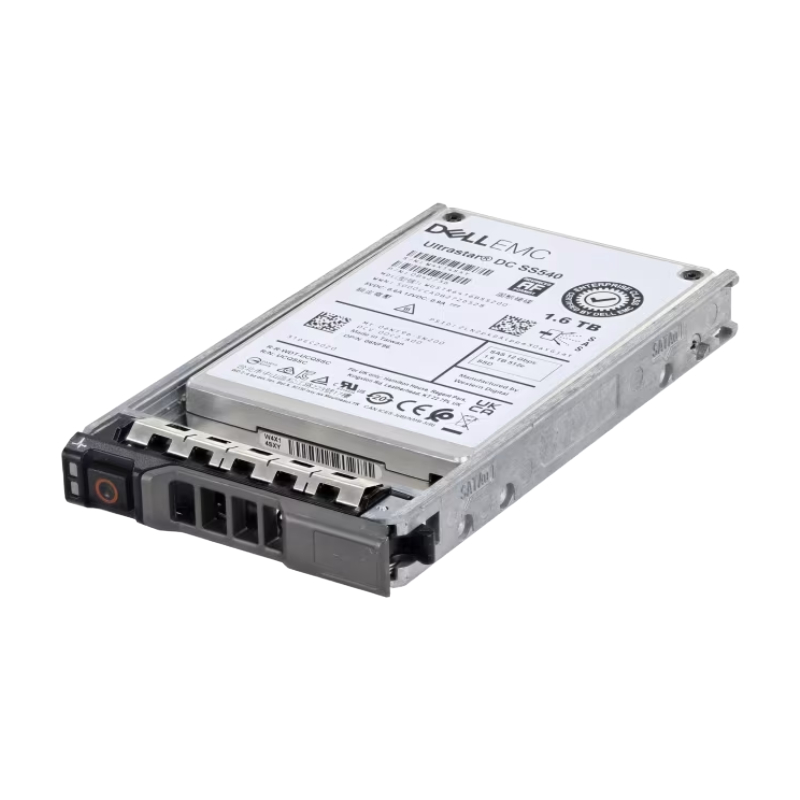
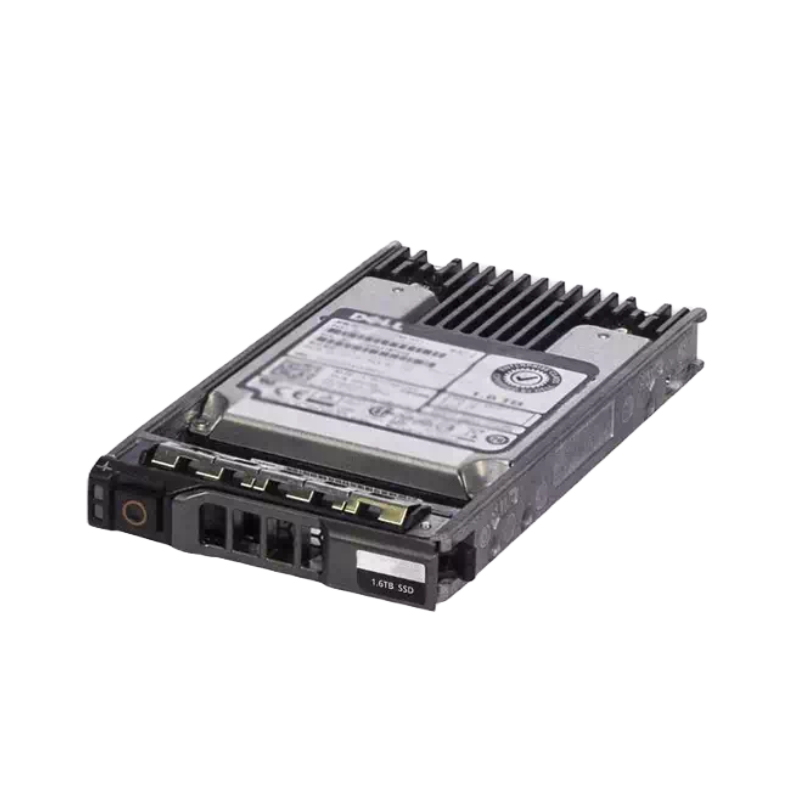
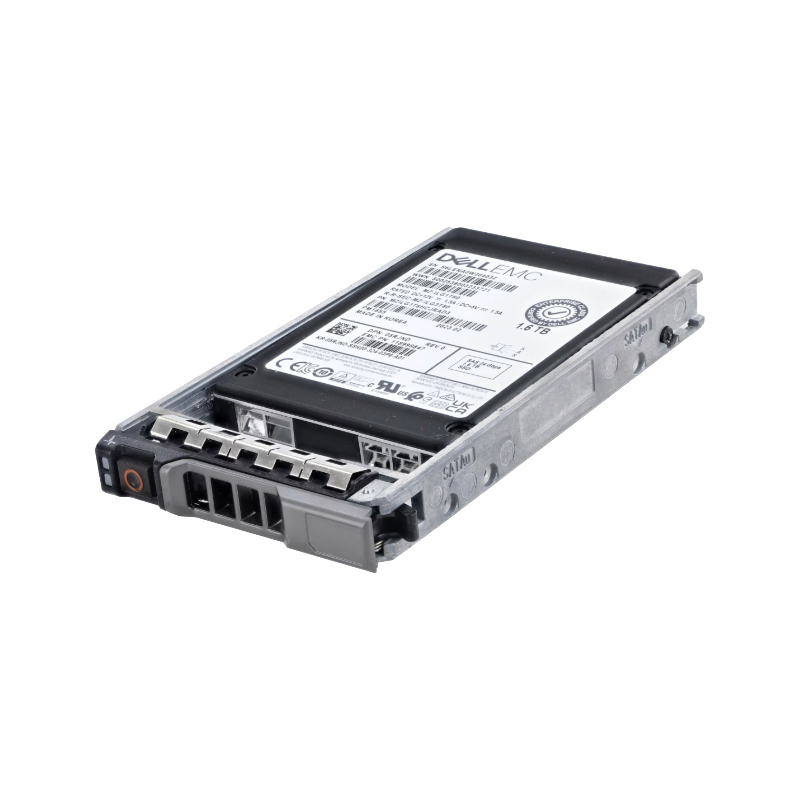
Dell 2CC4N 1.6TB SATA 6GBPS MLC 2.5 Inch Hot Plug Mixed Use SSD. Excellent Refurbished with 1 year replacement warranty
The Dell 2CC4N 1.6TB Mixed-Use Solid State Drive is engineered for high-performance enterprise environments. Designed for PowerEdge servers, this internal SSD offers reliable storage with rapid data access and robust endurance.
Designed for enterprise and data center environments that demand consistent throughput, the Dell 2CC4N 1.6TB SATA 6Gbps MLC 2.5-inch Hot Plug Mixed Use SSD sits squarely in the high-value segment of storage tiers. Built on multi-level cell (MLC) NAND, this drive balances endurance and capacity to serve mixed read/write workloads typical of virtualization, database caching, and general purpose server tasks. The drive’s 1.6TB capacity provides a substantial footprint for consolidated application data while the SATA 6Gbps interface ensures broad compatibility with existing server backplanes and RAID controllers.
The 2.5-inch form factor of the Dell 2CC4N allows it to fit in a wide range of enterprise servers and storage enclosures where space efficiency and high density are priorities. The SATA 6Gbps interface provides plug-and-play compatibility with mainstream server platforms, enabling upgrades from traditional spinning disks without major infrastructure changes. Hot-plug capability permits drives to be replaced or upgraded without system downtime, which is crucial for high-availability deployments and service-level agreements.
Using MLC NAND, the Dell 2CC4N strikes a strategic compromise between write endurance and per-gigabyte cost. MLC typically offers superior write/erase cycles compared to TLC, which translates to higher sustained lifespan under mixed-use patterns. This makes the drive particularly well-suited for environments that see regular write activity but do not require the extremely heavy write endurance of single-level cell (SLC) devices. The result is a cost-efficient SSD option for many enterprise workloads.
Mixed use classification indicates the drive has been architected and tuned for environments where read and write operations are both significant. Firmware algorithms, over-provisioning strategies, and background garbage collection are usually tuned to maintain consistent performance and predictable latency under varied traffic. For IT teams managing mixed workloads such as transactional databases, virtual machine images, and general file serving, this SSD offers the right balance of speed, latency, and endurance.
In practice, SATA 6Gbps drives deliver strong sequential throughput for large file transfers and consistent random IOPS for small-block operations common to server workloads. The Dell 2CC4N’s controller and NAND selection are optimized to deliver scalable IOPS under mixed-use patterns, minimizing latency jitter to help maintain application responsiveness. Workloads that benefit include boot volumes, virtual machine storage, database indexes, and read-cache layers in hybrid storage systems.
Low and consistent latency is one of the SSD’s most important advantages over spinning disks. The Dell 2CC4N leverages MLC NAND and efficient internal queuing to reduce average latency for both read and write operations. Quality-of-service (QoS) characteristics are improved through mechanisms such as write buffering, sophisticated wear-leveling, and prioritized background tasks that reduce the impact of internal housekeeping on foreground I/O.
Endurance for a mixed use MLC SSD is typically specified in drive writes per day (DWPD) or total bytes written (TBW). The Dell 2CC4N is engineered to tolerate consistent write activity across its usable lifetime, with firmware and over-provisioning helping to extend effective lifespan. IT procurement teams often view mixed use MLC SSDs as a reliable middle ground—more durable than client-grade SATA SSDs and more affordable than specialized high-endurance enterprise flash.
Enterprise SSDs, including the Dell 2CC4N, commonly include features that protect data integrity under adverse conditions. These features may include end-to-end data path protection, CRC verification for data transfers, power-loss protection or capacitive backup to flush in-flight data to NAND, and robust error-correcting code (ECC) to recover from bit errors. Such measures are essential to reduce silent data corruption and improve confidence in mission-critical storage deployments.
Effective thermal design is crucial to sustaining performance over time. The drive’s firmware often implements thermal throttling thresholds to avoid overheating, while enterprise-grade controllers help maintain steady performance under load. Hot-plug capability also implies mechanical and electrical designs that tolerate frequent insertion and removal, enabling operations teams to service or replace drives with minimal disruption.
Virtualized environments place a diverse mix of I/O patterns on storage systems, often combining many small random reads and writes with occasional large sequential transfers. The Dell 2CC4N’s mixed use profile makes it well-suited as a storage tier for virtual machine boot drives, small datastore capacity, or local caching layers in hyperconverged infrastructure. Its capacity and endurance profile support consolidation strategies while maintaining application-level performance.
Transaction-heavy databases and caching layers can leverage the SSD’s low latency for quick commit operations and fast index lookups. While high-endurance NVMe drives may be preferred for extremely write-heavy, latency-sensitive databases, the Dell 2CC4N provides a cost-effective option for read-heavy or balanced database workloads where SATA compatibility and lower cost per gigabyte are important.
As organizations adopt multi-tier storage strategies, the 1.6TB mixed use SSD often acts as a performance tier above HDDs and below premium NVMe flash. In hybrid arrays and tiering systems, this SSD can provide acceleration for frequently accessed datasets while spinning disks serve as capacity-optimized storage. The drive’s capacity and mixed-use endurance align well with caching roles and read/write acceleration in tiered systems.
When used in RAID configurations, the Dell 2CC4N can significantly improve rebuild times and degrade the performance impact associated with disk failures. Its predictable latency characteristics reduce variance during rebuilds, though RAID levels and controller capabilities define the final behavior. Administrators should follow vendor guidance for stripe sizes and rebuild policies to ensure consistent protection and performance when integrating these SSDs into enterprise arrays.
While TLC NAND offers higher density at a lower cost per gigabyte, MLC's higher endurance is an attractive attribute for mixed-use enterprise tasks. NVMe drives provide dramatically higher bandwidth and lower latency compared to SATA, but they also introduce higher cost and may require infrastructure upgrades. The Dell 2CC4N represents a pragmatic choice for organizations seeking a balance of cost, compatibility, and endurance without migrating to NVMe ecosystems.
Security-conscious deployments often require self-encrypting drive (SED) features or support for industry-standard encryption protocols to protect data at rest. The Dell 2CC4N can be paired with host-based or controller-based encryption schemes where supported. Secure erase commands are important for decommissioning and repurposing drives in compliance with data governance policies, reducing the risk of data leakage when hardware lifecycle events occur.
Organizations operating under regulatory frameworks should select storage media that can be reliably wiped and audited. SSD attributes such as predictable secure erase and documented sanitization procedures help meet compliance requirements. Pairing the SSD with full-disk encryption and strong key management further strengthens the compliance posture for sectors such as finance, healthcare, and government.
Allocating a portion of the drive as over-provisioning can enhance performance and prolong endurance by providing additional spare area for wear-leveling and garbage collection. Storage administrators should consider provisioning policies that balance usable capacity with the longevity requirements of their workloads. In many enterprise deployments, modest over-provisioning yields measurable improvements in sustained performance and consistency.
Effective capacity planning begins with workload characterization. Understanding read/write ratios, peak I/O demands, and expected growth helps select the right combination of drive capacities and quantities. The 1.6TB capacity of the Dell 2CC4N is efficient for many mid-tier performance use cases and can be combined with larger-capacity HDD tiers for a hybrid design that optimizes both performance and cost.
Procurement decisions often boil down to density-per-bay versus performance-per-bay. Data centers focused on maximum performance per bay may favor NVMe or higher-end enterprise SSDs, while those needing to maximize usable capacity in constrained slots may select larger SATA SSDs. The Dell 2CC4N's 1.6TB capacity and mixed-use endurance make it a balanced choice for customers who require both capacity and reliable performance.
Solid-state storage typically consumes less power than mechanical drives under equivalent workloads. Reduced power draw translates to lower operational costs and reduced thermal load in racks, which can decrease cooling requirements. Choosing SSDs such as the Dell 2CC4N contributes to greener data center operations while also improving performance-per-watt metrics.
Responsible disposal and recycling processes ensure that retired drives are handled in an environmentally sound manner. IT asset disposition policies should include secure data erasure steps prior to recycling and partner with certified recyclers that follow environmental regulations. Organizations aiming to reduce carbon footprints will find that SSD deployments enable denser, more energy-efficient storage infrastructures.


 Contact Us
 Information
 Catalog
 Solid State Drives (SSD)
 Network Switches
 Hard Disk Drives
 HBA & Controllers
 PC & Servers
 PC & Server Memory
 CPU & Processors
 Network Routers
 Power Supplies
 Tape Drives & Libraries
 Network Devices
 Computer & Network Cables