(7% discount is applied at checkout)
Cart is empty
Your go-to destination for cutting-edge server products
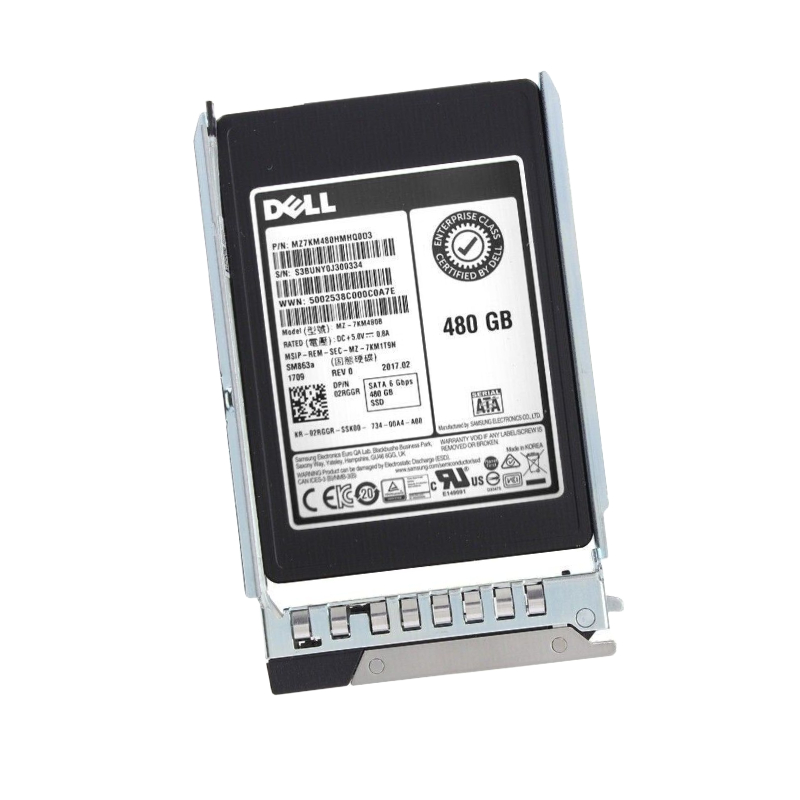


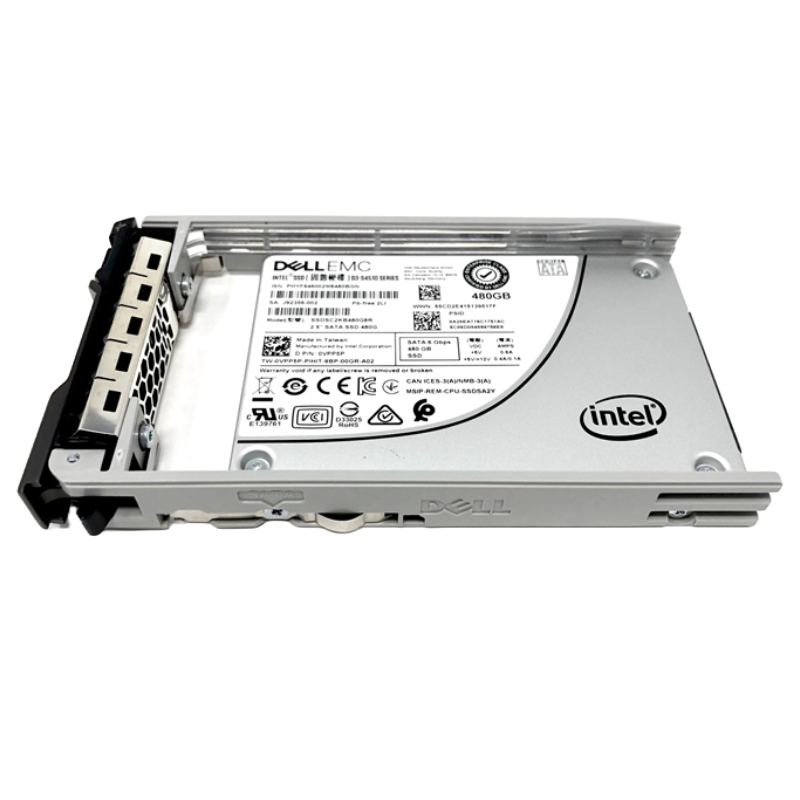
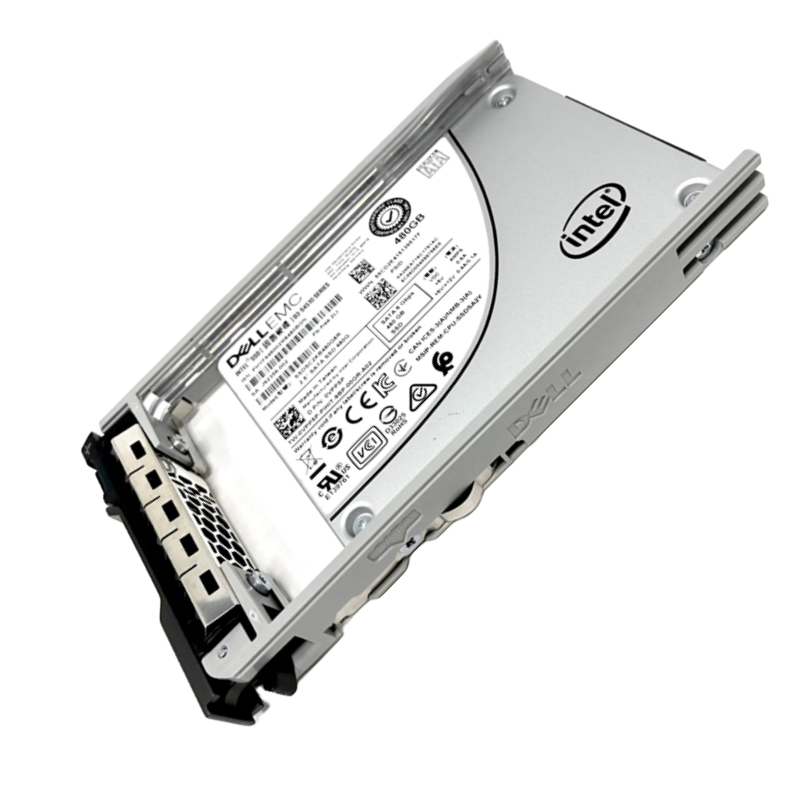
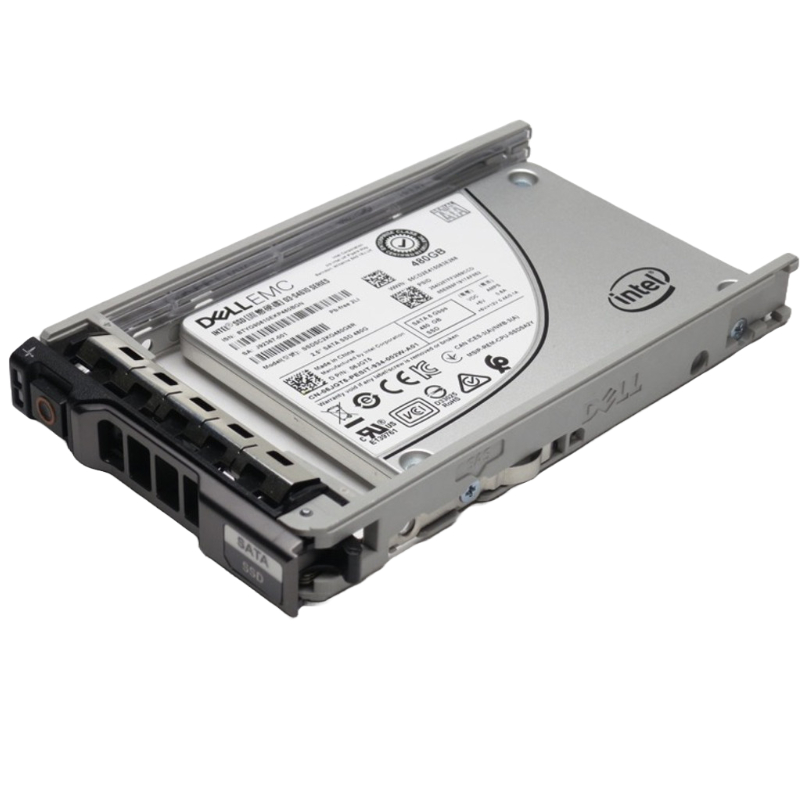
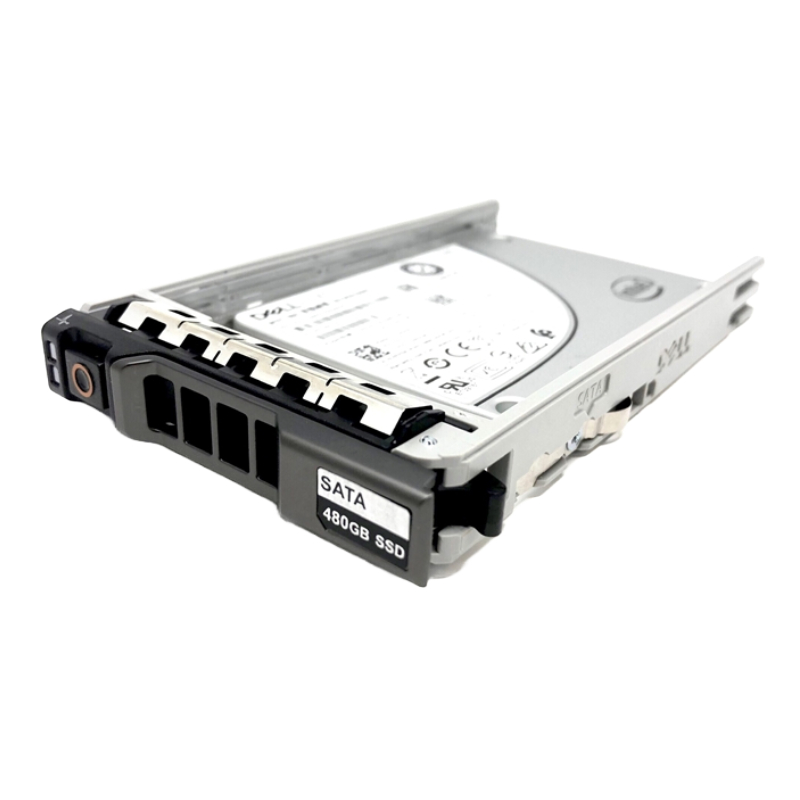
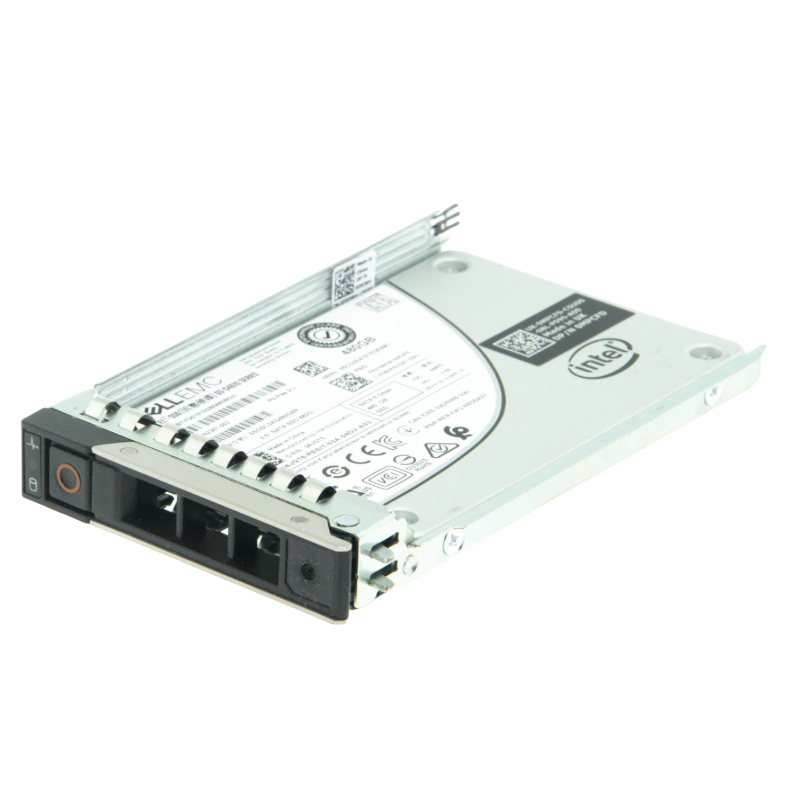
Dell 2RGGR 480GB SATA 6GBPS 2.5Inch Mixed Use MLC Hot Plug SSD. Excellent Refurbished with 1 year replacement warranty
| SKU/MPN | Warranty | Price | Condition | You save |
|---|---|---|---|---|
| 2RGGR | 1 Year Warranty | $655.00 | New Sealed in Box (NIB) | You save: $229.25 (26%) |
| 2RGGR | 1 Year Warranty | $275.00 | Excellent Refurbished | You save: $96.25 (26%) |
The Dell 2RGGR 480GB Mixed-Use MLC SATA 6Gbps 2.5-Inch Hot-Swap Solid State Drive is engineered for high-performance enterprise environments. Designed to fit seamlessly into Dell PowerEdge systems, this SSD delivers reliable speed and durability.
Designed For Enterprise And Advanced Workloads, The Dell 2RGGR 480GB SATA 6Gbps 2.5-inch Mixed Use MLC Hot Plug SSD Occupies A Strategic Position In Modern Data-Center And High-Performance Desktop Storage Tiers. Engineered To Deliver A Balance Of Speed, Endurance, And Predictable Latency, This Mixed-Use MLC (Multi-Level Cell) SATA Drive Is Positioned Between Read-Intensive Consumer SSDs And Pure Write-Intensive Enterprise Options, Offering A Versatile Solution For Applications That Require Reliable I/O Under Sustained Loads.
The Drive Uses The Industry-Standard SATA III Interface At Up To 6Gbps, Ensuring Broad Compatibility With Servers, Workstations, And Storage Arrays That Support 2.5-inch U.2 Or SATA Drive Bays. Sequential Read/Write Performance Is Optimized For Typical Enterprise Patterns: High Sequential Reads, Solid Mixed Random Read/Write Performance, And Consistent Throughput When Serving Virtual Machines, Database Indices, And Application Caches. The SATA Interface, While Not As Fast As NVMe, Remains Ubiquitous In Many Enterprise Environments And Provides A Cost-Effective Balance Of Performance And Compatibility.
Multi-Level Cell Flash Provides A Practical Middle Ground Between Single-Level Cell (SLC) And Triple-Level Cell (TLC) Architectures. In A Mixed-Use Context, MLC Flash Offers Higher Endurance Than TLC While Delivering Greater Capacity And Lower Cost Than SLC. For The Dell 2RGGR Model, The Use Of MLC Translates To Higher Drive Write Endurance (Typically Expressed In DWPD Or Total Terabytes Written Over Warranty), Enhanced Long-Term Reliability, And Predictable Performance Under Mixed Read/Write Workloads Such As Mail Servers, OLTP Databases, Virtual Desktop Infrastructures (VDI), And Caching Layers.
The 2.5-inch Form Factor Ensures Easy Integration Into Modern Rack Servers And Storage Enclosures. Hot-Plug Functionality Allows Administrators To Replace, Upgrade, Or Service Drives Without Powering Down A Server, Minimizing Downtime And Supporting High-availability Maintenance Procedures. The Drive’S Mechanical And Electrical Specifications Make It Suitable For Use In Standard Dell PowerEdge Racks, Third-party Server Chassis That Accept 2.5-inch SATA Drives, And Storage Backplanes That Support Hot Swap Operations.
Firmware Plays A Crucial Role In Enterprise SSD Behavior, Influencing Garbage Collection, Wear Leveling, Power-Loss Protection, And Error Management. Dell Ships Drives Like The 2RGGR With Firmware Tuned For Server Use, Including SMART Reporting And Enterprise-Focused Telemetry. For Seamless Deployment, Administrators Should Verify Compatibility With Server Firmware And RAID Controller Drivers, And Consider Updating System BIOS/RAID Firmware To Ensure Optimal Interoperability. Regular Firmware Updates From Dell Or The Drive Manufacturer Can Improve Stability And Deliver Incremental Performance Or Endurance Enhancements.
Enterprise SSDs Are Judged By Reliability Metrics Such As Mean Time Between Failures (MTBF), Unrecoverable Bit Error Rates (UBER), And Endurance Ratings. The Mixed-Use MLC Architecture Provides Robust Lifetime Expectations For Sustained Mixed Workloads. Dell’S Warranty And Support Terms Typically Reflect The Drive’S Endurance Class, And Many Deployments Will Monitor SMART Attributes And Drive Health Metrics To Predict Failure And Schedule Replacements Before Critical Events. Data Integrity Features Such As Power-Loss Protection, End-to-End Data Path Protection, And Strong ECC Algorithms Increase Confidence In The Drive’S Ability To Safeguard Data Under Stress Conditions.
This Drive Excels In Environments That Require A Combination Of Read And Write Throughput With Predictable Latency. Typical Use Cases Include Virtual Machine Hosts, Database Log/Index Storage, Caching And Tiered Storage Layers, High-transaction Web Servers, And Mixed I/O Business Applications. Organizations Seeking To Balance Cost With Enterprise-grade Endurance Often Choose Mixed-Use MLC Drives For Boot Volumes, Application Data Stores, And Software-defined Storage Nodes Where NVMe May Be Overkill Or Incompatible.
Enterprise SSDs Are Favored For Lower Power Consumption Compared To Traditional Spinning Disks, But They Still Contribute To Rack Power And Thermal Budgets. The Dell 2RGGR 480GB SSD Runs Cooler Than A Hard Disk Drive And Produces Lower Vibration, Which Helps Improve Overall System Reliability. Data-center Architects Should Factor Drive Power Draw And Thermal Dissipation Into Rack Planning, Especially When Populating Dense 2.5-inch Bays. Effective Cooling And Airflow Management Ensure That Sustained Workloads Do Not Cause Thermal Throttling, And Proper Tray Design In Dell Chassis Improves Heat Transfer Away From Drive Electronics.
Many Enterprise Drives Support Hardware-based Encryption Or TCG Opal Standards, Allowing Organizations To Encrypt Data At Rest Without A Noticeable Performance Penalty. If The Dell 2RGGR Variant Includes Self-Encrypting Drive (SED) Capabilities, It Can Reduce Complexity In Regulatory Compliance And Streamline Secure Decommissioning. Administrators Should Verify Whether The Drive Supports ATA Security, TCG Opal, Or Other Hardware Encryption Protocols And Plan Key Management Accordingly To Avoid Data Loss When Drives Are Replaced Or Repaired.
When Deploying The Dell 2RGGR 480GB SSD, Follow Best Practices Such As Using Proper RAID Levels For Redundancy, Aligning Filesystems For SSD Block Sizes, Enabling TRIM Support Where The Operating System And Controller Permit It, And Avoiding Overprovisioning That Jeopardizes Endurance. For Virtualized Environments, Consider Offloading Write-intensive Swap Or Temp Files To Dedicated Storage Tiers And Use The Drive For Latency-sensitive Workloads. Additionally, Verify That The RAID Controller Mode (HBA Vs. RAID) Matches The Intended Use Pattern, As Write Caching And Controller-Level Features Significantly Impact Performance And Data Safety.
Benchmarks Provide Insight Into Real-world Drive Behavior, But Results Vary Based On System Configuration, Queue Depth, And The Nature Of The Workload. The Dell 2RGGR Typically Performs Well In Mixed Random I/O Tests At Moderate Queue Depths, Delivering Low Latency For Reads And Consistent Throughput For Writes. Administrators Should Conduct Application-level Tests (For Example, Database Workloads Or VDI Boot Storms) To Validate That The Drive Meets Expectations Under Target Conditions. Observability Tools That Capture Latency Percentiles (P95, P99) Are Especially Valuable For Understanding Application Perceived Performance.
Compared To NVMe SSDs, SATA MLC Drives Offer Greater Compatibility And Lower Per-GB Cost, Though They Sacrifice Peak Throughput And Parallelism. Against HDDs, The Dell 2RGGR Delivers Dramatically Lower Latency, Higher IOPS, And Lower Power Consumption, Making It A Clear Choice For Performance-sensitive Tiers. Compared To TLC-based Consumer SSDs, MLC Mixed-Use Drives Provide Improved Endurance And Predictable Behavior Under Enterprise Workloads, Which Can Be Crucial For Services Where Data Consistency And Availability Are Paramount.
Enterprise SSDs Are Often Built To Meet Industry Standards For Reliability And Interoperability. Standards Such As ATA, SATA-IO Specifications For The 6Gbps Interface, And Enterprise-Grade Endurance Classifications Help IT Teams Compare Options. Certification For Use With Specific Server Models Or Storage Controllers May Be Available From Dell, And Organizations Should Confirm Certification For Mission-critical Deployments To Avoid Unexpected Compatibility Issues.
Compliance With Data Residency, Secure Disposal Regulations, And Environmental Requirements Is A Growing Concern. Drives Should Be Erased Using Approved Methods Prior To Disposal Or Reassignment, And Administrators Should Maintain Asset Records That Track Drive Serial Numbers, Firmware Versions, And Lifecycle Status To Satisfy Audits. The Lower Power Profile Of SSDs Also Contributes To Reduced Carbon Footprint Compared To Spinning Media Over The Lifetime Of The Device.


 Contact Us
 Information
 Catalog
 Solid State Drives (SSD)
 Network Switches
 Hard Disk Drives
 HBA & Controllers
 PC & Servers
 PC & Server Memory
 CPU & Processors
 Network Routers
 Power Supplies
 Tape Drives & Libraries
 Network Devices
 Computer & Network Cables