(7% discount is applied at checkout)
Cart is empty
Your go-to destination for cutting-edge server products
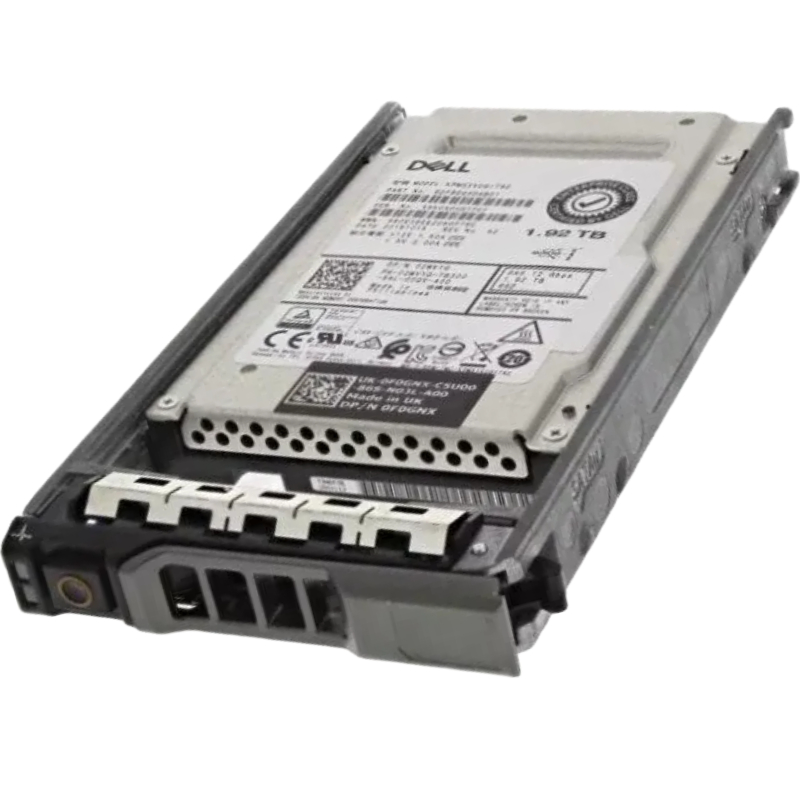


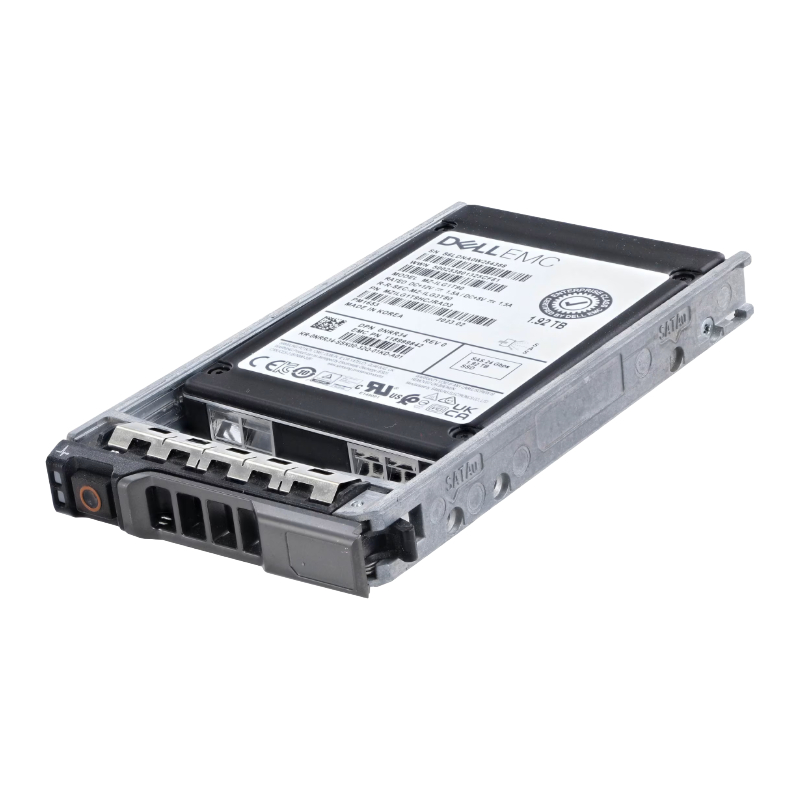
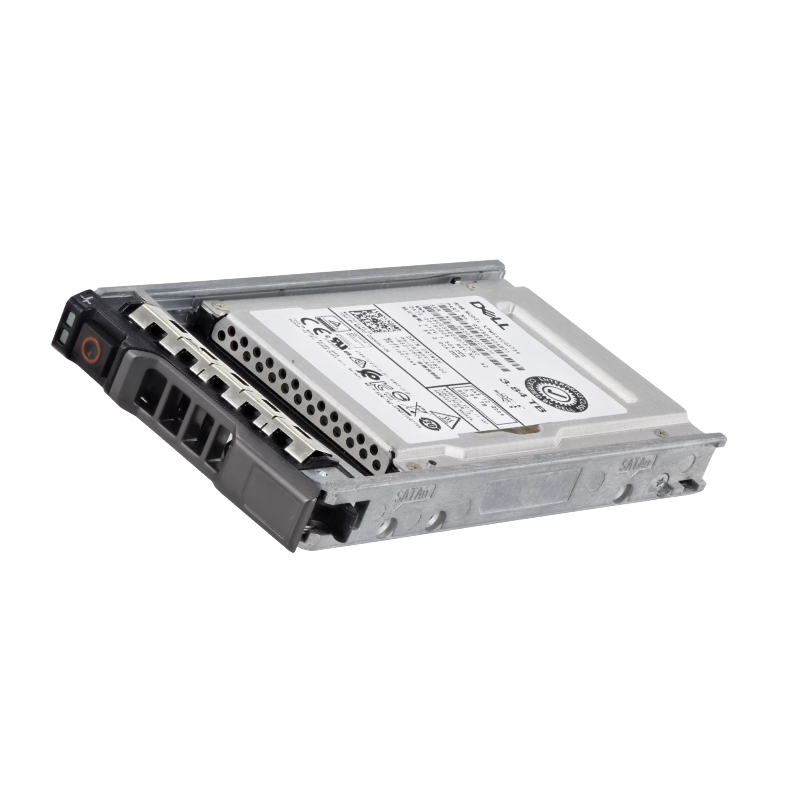
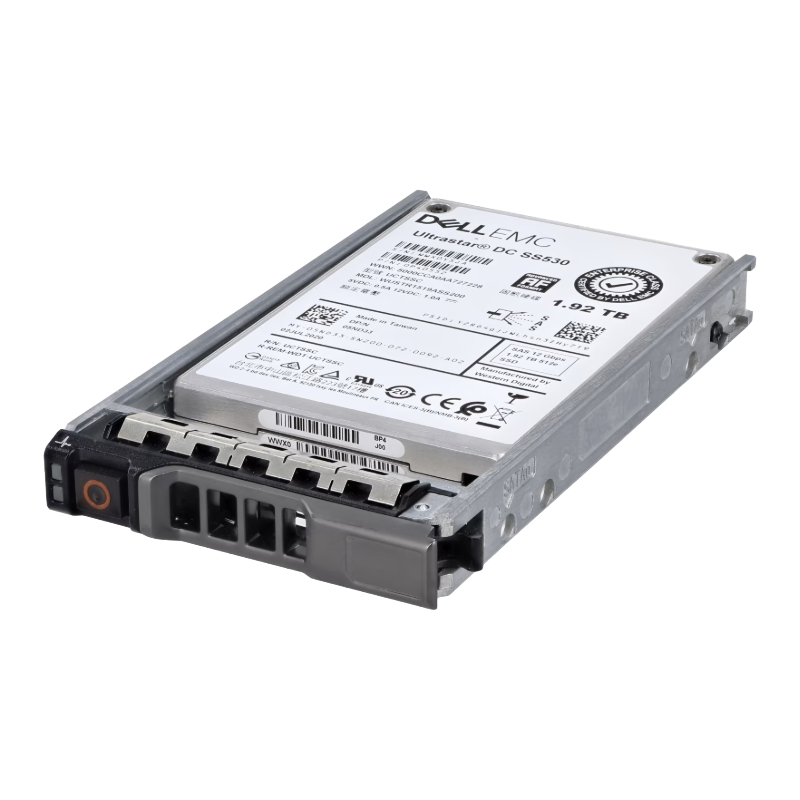
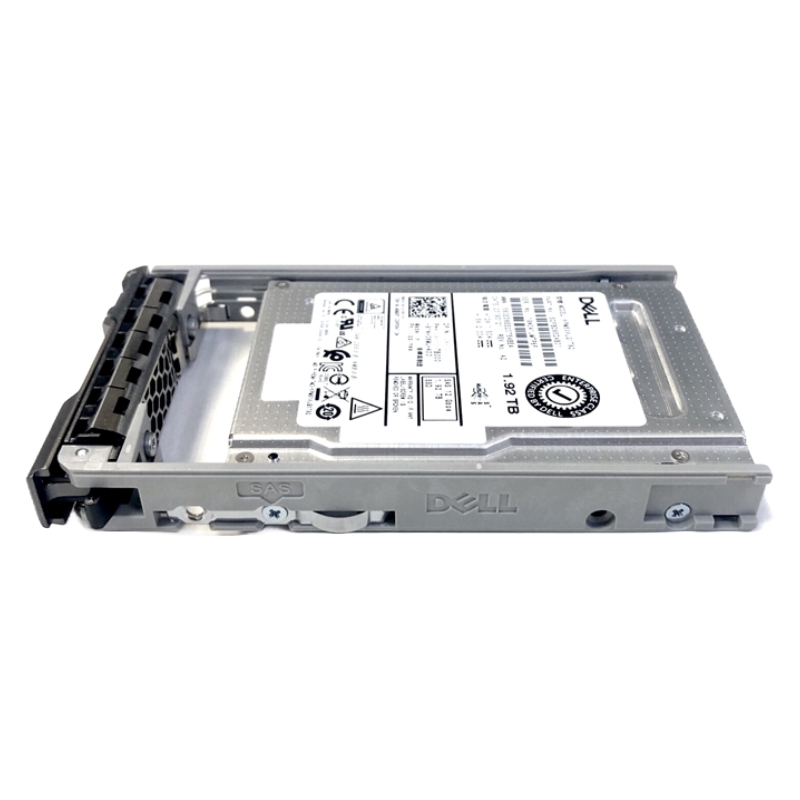
Dell 2WVYG 1.92TB SAS 12GBPS Mixed Use TLC 2.5inch Hot Plug SSD. Excellent Refurbished with 1 year replacement warranty
| SKU/MPN | Warranty | Price | Condition | You save |
|---|---|---|---|---|
| 2WVYG | 1 Year Warranty | $1,377.00 | New Sealed in Box (NIB) | You save: $481.95 (26%) |
| 2WVYG | 1 Year Warranty | $665.00 | Excellent Refurbished | You save: $232.75 (26%) |
The Dell 2WVYG is a high-performance 1.92TB Mixed-Use TLC SAS 12Gbps 512e 2.5-inch Hot-Plug Solid State Drive, engineered for 14th Generation PowerEdge systems. Designed for enterprise-grade workloads, this SSD delivers exceptional speed, endurance, and compatibility.
Designed for enterprise-class storage arrays and mission-critical server environments, the Dell 2WVYG 1.92TB SAS 12Gbps Mixed Use TLC 2.5-inch Hot Plug SSD delivers a balanced combination of performance, endurance, and data protection. Built to fit into modern 2.5-inch drive bays with hot-plug capability, this SSD is optimized for mixed-use workloads where both sustained throughput and responsiveness matter. Performance characteristics are tuned to support virtualization, database acceleration, tiered storage, and read/write intensive applications while providing the reliability and manageability that IT professionals expect from Dell-branded components.
The Dell 2WVYG SSD leverages the SAS (Serial Attached SCSI) 12Gbps interface to provide low-latency, high-throughput connectivity suitable for enterprise backplanes and RAID controllers. The SAS protocol offers advantages in error handling, multipath I/O, and interoperability with a wide range of server and storage platforms. This 2.5-inch form factor drive conforms to industry mechanical and electrical standards, simplifying integration into server chassis, blade systems, and storage enclosures that accept 2.5-inch hot-plug drives.
At the heart of the 1.92TB model is enterprise-grade TLC NAND configured and managed by a robust SSD controller that implements advanced wear-leveling, error-correction (ECC), and background garbage collection. The mixed-use TLC architecture balances cost efficiency with endurance improvements realized through controller firmware optimizations and over-provisioning. These design choices improve write amplification, maintain predictable performance under sustained workloads, and extend drive lifespan compared to consumer-grade TLC implementations.
Firmware for this Dell SAS SSD includes enterprise features such as power-loss protection, namespace management, and telemetry reporting. Power-loss protection is commonly implemented using voltage-hold capacitors and write-atomic algorithms to ensure in-flight data is committed to non-volatile storage in the event of unexpected power interruption. Telemetry and SMART reporting provide administrators with actionable drive health statistics, enabling proactive replacement and predictive maintenance to avoid unplanned downtime.
Security-conscious deployments benefit from the drive’s support for data security protocols, which may include secure erase and cryptographic options where supported by the host. End-to-end data path protection, robust ECC, and background integrity checks contribute to minimizing silent data corruption. These attributes make the drive suitable for regulated environments and workloads requiring high data fidelity, such as financial systems, healthcare records, and archival nodes used for compliance retention policies.
Performance for the Dell 2WVYG SSD is characterized by a combination of random IOPS capability, sequential throughput, and latency consistency. The SAS 12Gbps interface ensures that the drive can sustain high sequential read and write speeds when paired with a compatible controller, while the internal architecture prioritizes low queuing and predictable response times for random small-block I/O. This combination is ideal for database index operations, virtual machine boot storms, and mixed transactional workloads common in enterprise deployments.
Mixed-use optimization targets realistic enterprise service profiles rather than purely read or purely write extremes. The drive is calibrated to handle mixed I/O ratios — for example, 70/30 read/write or 60/40 — maintaining high IOPS and protecting latency-sensitive read requests. This makes it a solid candidate for general-purpose storage tiers where virtual machines, application servers, and transactional databases coexist on the same storage pool.
When handling large sequential transfers — such as backup, media streaming, or large dataset movement — the SAS 12Gbps interface combined with efficient internal buffer management enables strong throughput. Administrators performing data seeding, replication, or rebalancing across arrays will find the sequential performance advantageous for reducing maintenance windows and shortening replication timeframes.
Latency consistency is central to user experience and application performance. The Dell 2WVYG SSD employs quality-of-service techniques in firmware to avoid long-tail latency spikes by prioritizing critical I/O, reducing internal write amplification, and smoothing background maintenance operations. This results in a more predictable I/O profile under load, which is especially important in latency-sensitive applications like high-frequency trading or real-time analytics.
Endurance metrics for mixed-use TLC are designed to meet enterprise lifecycle expectations by specifying drive writes per day (DWPD) over a defined warranty period. The 1.92TB capacity combined with mixed-use endurance makes the drive suitable for tiered storage use cases where the drive will experience a balance of writes and reads without sacrificing longevity. Dell’s quality assurance processes and vendor component selection further reinforce the drive’s reliability for multi-year deployments.
Enterprise SSDs typically come with MTBF ratings and limited warranties that reflect expected manufacturing quality and field reliability. Buyers should consult Dell’s official product documentation for precise MTBF figures and warranty terms. In practice, MTBF metrics, SMART analytics, and health telemetry should be used together to plan replacements and scale-out strategies to minimize service impact.
Wear-leveling algorithms distribute write cycles evenly across the NAND to avoid hotspot failures, while over-provisioning reserves a portion of the flash to improve write performance and reduce write amplification. Administrators can often benefit from leaving a small percentage of drive capacity unallocated at the filesystem level to further reduce the visible wear on the SSD and improve long-term performance stability.
Hot-plug capability allows system administrators to replace drives without powering down systems, reducing downtime and simplifying maintenance. The mechanical design includes keyed sleds and drive carriers commonly used in enterprise chassis to ensure secure mounting and ease of replacement. Proper drive carrier selection and adherence to vendor procedures ensure safe swapping and immediate re-integration into RAID or logical volume groups.
When deploying the 1.92TB SAS SSD behind hardware RAID controllers, it is important to configure appropriate RAID levels that reflect storage objectives. RAID 10 and RAID 6 remain common choices for balancing performance, redundancy, and usable capacity in enterprise arrays. Controller cache settings, write-back versus write-through modes, and battery-backed caching considerations should be evaluated to maximize performance while protecting data integrity.
Enterprises can deploy this Dell mixed-use SAS SSD across several tiers of storage architecture. As primary flash storage, it can host active databases and application working sets; as part of hybrid arrays, it can be used for performance tiers that accelerate frequently accessed data while colder data resides on higher-capacity spinning media. In virtualized environments, the SSD shines for boot storms, VM density increases, and unpredictable I/O patterns typical of multi-tenant workloads.
Virtual Desktop Infrastructure (VDI) deployments often require high IOPS for concurrent user logins and desktop operations. The Dell 2WVYG drive provides the I/O responsiveness needed to reduce login times and improve end-user experience. Placement strategies include using these SSDs for boot and persistent user profile storage while offloading archival and infrequently accessed data to lower tiers.
Relational databases and other transactional systems benefit from the drive’s low-latency random I/O behavior. Use cases include log storage, index partitions, and hot tables that demand consistent response times. For high-availability database clusters, pairing SSDs with replication and synchronous mirroring helps maintain data durability even during node failovers.
Content delivery nodes and caching layers that require quick reads and moderate writes can take advantage of the drive’s mixed-use tuning. Examples include web cache layers, API response caches, and media transcoding buffers where frequent access patterns and moderate write churn are expected. Using SSDs to front-end slower storage reduces latency for end-users and improves overall application responsiveness.


 Contact Us
 Information
 Catalog
 Solid State Drives (SSD)
 Network Switches
 Hard Disk Drives
 HBA & Controllers
 PC & Servers
 PC & Server Memory
 CPU & Processors
 Network Routers
 Power Supplies
 Tape Drives & Libraries
 Network Devices
 Computer & Network Cables