(7% discount is applied at checkout)
Cart is empty
Your go-to destination for cutting-edge server products
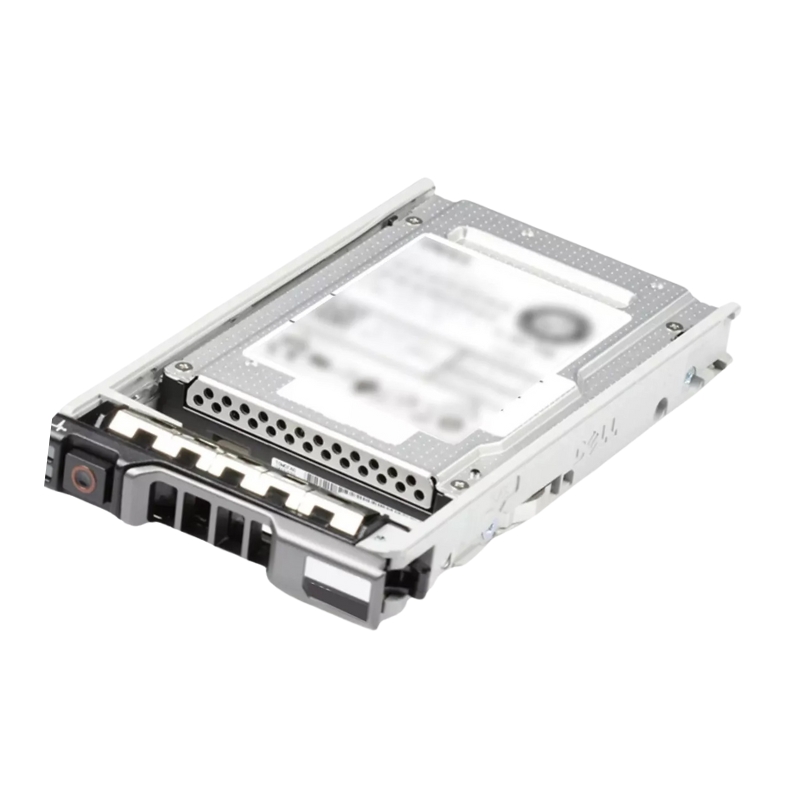


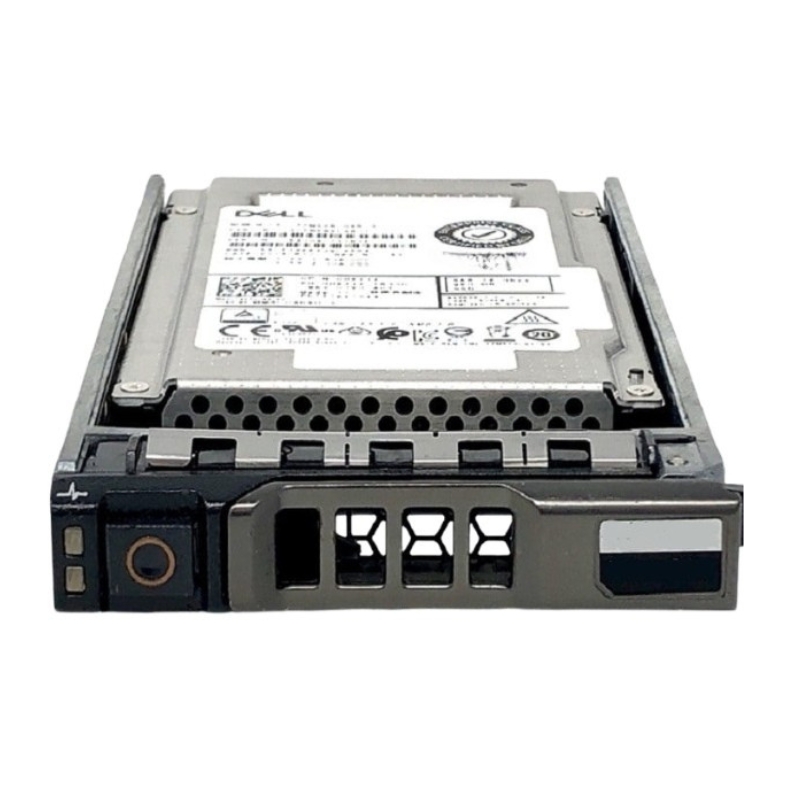
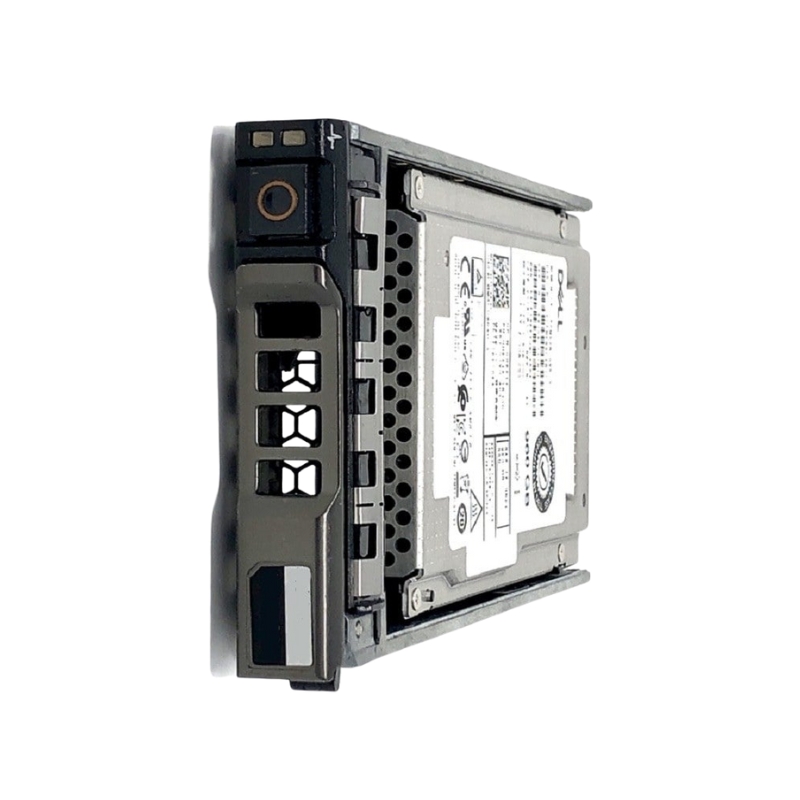
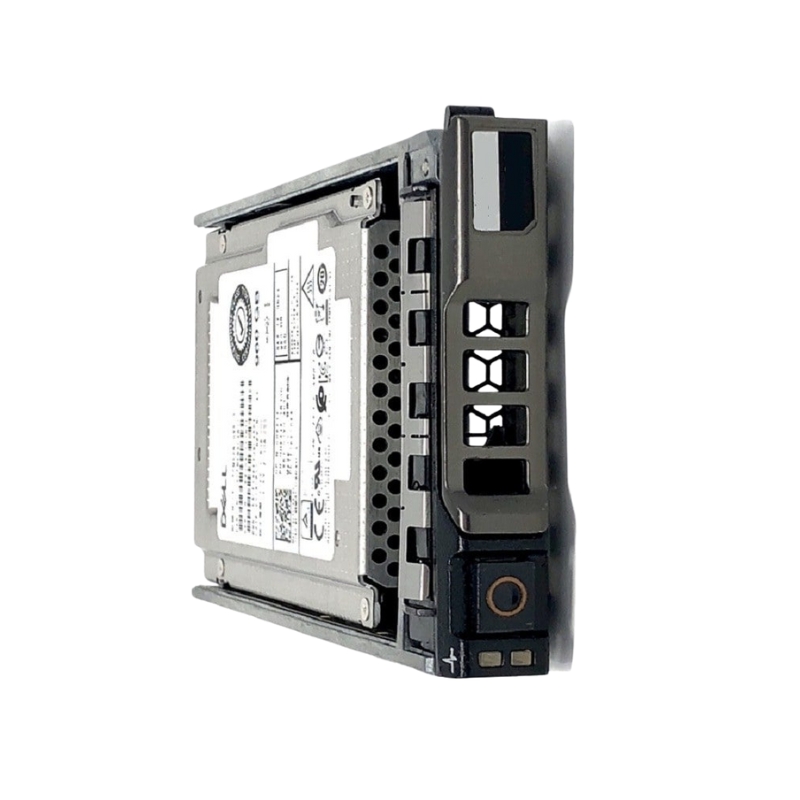
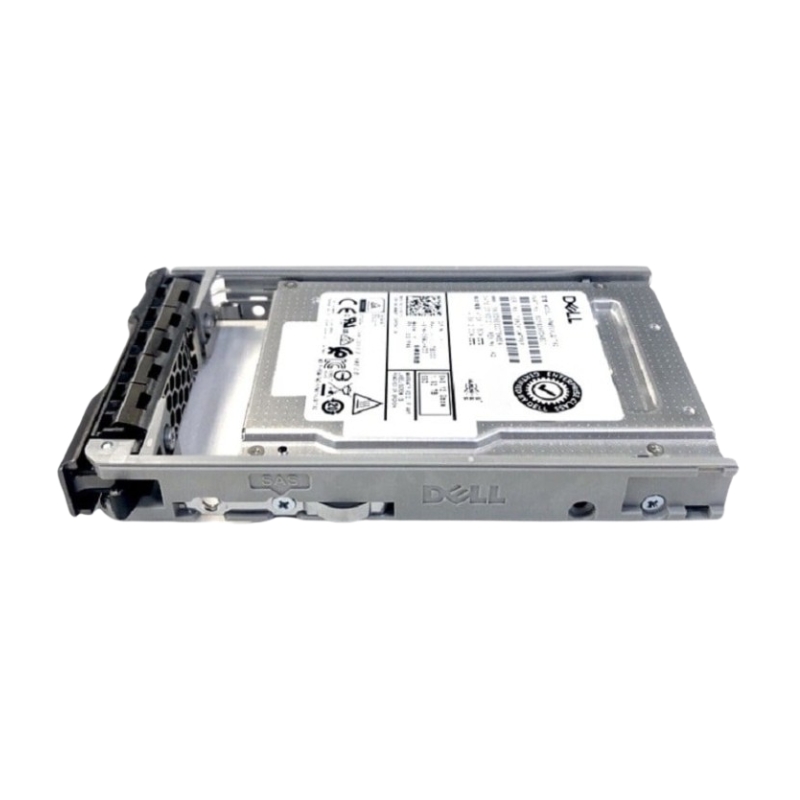
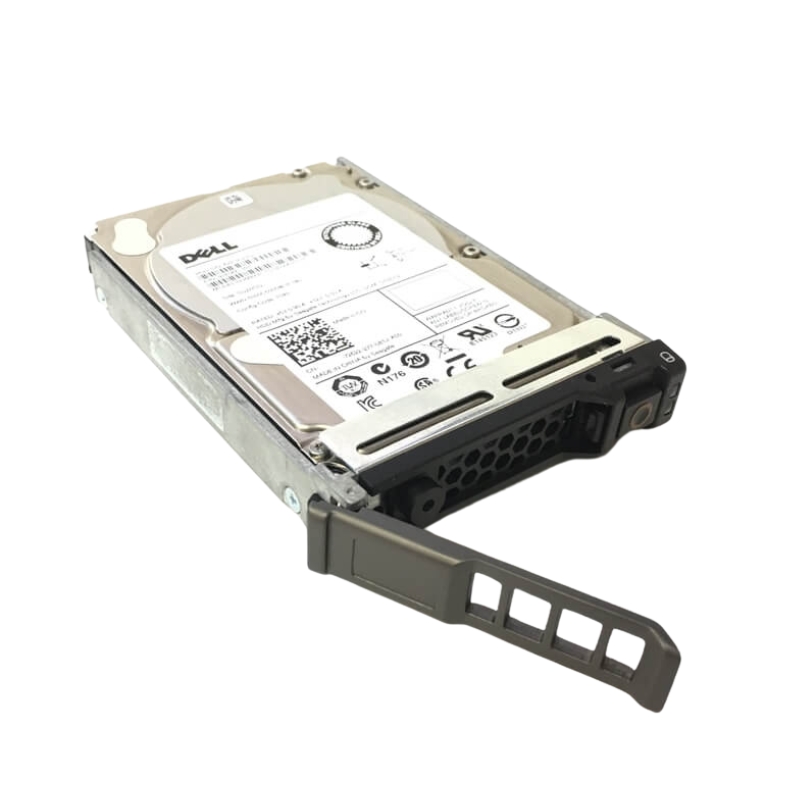
Dell 400-AXSK 3.84TB SATA 6GBPS SSD. Excellent Refurbished with 1 Year Replacement Warranty
| SKU/MPN | Warranty | Price | Condition | You save |
|---|---|---|---|---|
| 400-AXSK | 1 Year Warranty | $2,223.00 | New Sealed in Box (NIB) | You save: $778.05 (26%) |
| 400-AXSK | 1 Year Warranty | $940.00 | Excellent Refurbished | You save: $329.00 (26%) |
The Dell 400-AXSK is a high-capacity enterprise solid state drive (SSD) engineered for read-intensive workloads. With 3.84 TB of storage on a 2.5-inch form factor and a SATA 6Gb/s interface, this drive blends large capacity, consistent sequential throughput and Triple-Level Cell (TLC) NAND for cost-effective flash storage. Ideal as a cache layer, backup target or content repository, the 400-AXSK delivers reliable, rack-ready performance for modern Dell PowerEdge servers.
The 400-AXSK is compatible with a wide range of Dell PowerEdge servers. Confirm compatibility with your system’s firmware and drive carrier before deployment, but typical supported models include:
The Dell 400-AXSK 3.84TB Read-Intensive TLC SATA 6Gbps Solid State Drive represents a significant advancement in enterprise storage technology, specifically engineered for read-intensive applications that demand consistent performance, exceptional reliability, and high endurance. This SSD category bridges the gap between cost-effective storage and high-performance computing, offering organizations a balanced solution for their data center needs.
Designed specifically for server and storage environments, the 400-AXSK series delivers the performance consistency required for enterprise workloads. Unlike consumer-grade SSDs, these drives are built to operate 24/7 under demanding conditions with advanced error correction, power-loss protection, and enhanced endurance characteristics that ensure data integrity and application availability.
The 3.84TB capacity point represents an optimal balance between storage density and performance characteristics. This specific capacity is engineered to provide ample storage for read-intensive applications while maintaining consistent performance throughout the drive's lifespan. The 2.5-inch form factor with SATA interface ensures broad compatibility with existing server and storage infrastructure.
The 2.5-inch form factor design allows for seamless integration into most enterprise server configurations, storage arrays, and data center environments. This standardization ensures that organizations can deploy these drives without requiring specialized chassis or mounting hardware, simplifying procurement and maintenance processes.
The SATA 6Gbps interface provides a proven, reliable connection standard that delivers sufficient bandwidth for most read-intensive workloads. While not offering the extreme speeds of NVMe interfaces, SATA remains a cost-effective solution for applications where consistent performance and reliability outweigh raw speed requirements.
The widespread adoption of SATA interfaces in enterprise environments means these drives can be deployed across diverse hardware platforms without compatibility concerns. The mature ecosystem surrounding SATA technology ensures robust driver support, comprehensive management tools, and predictable performance characteristics.
The utilization of Triple-Level Cell (TLC) NAND flash represents a strategic balance between cost, capacity, and endurance. Modern TLC technology, when coupled with advanced controller algorithms and sufficient over-provisioning, delivers enterprise-grade reliability while maintaining competitive cost-per-gigabyte metrics that are crucial for large-scale deployments.
Through sophisticated wear-leveling algorithms, advanced error correction codes (ECC), and intelligent write amplification reduction techniques, modern TLC-based enterprise SSDs like the 400-AXSK achieve endurance levels that were previously only possible with more expensive MLC or SLC NAND technologies.
Specifically engineered for read-dominant applications, this SSD category excels in environments where write operations represent a smaller percentage of overall I/O patterns. The architecture prioritizes read performance consistency and latency predictability, making these drives ideal for database query operations, content delivery networks, and virtual desktop infrastructure.
With a specified drive writes per day (DWPD) rating appropriate for read-intensive workloads, the 400-AXSK provides sufficient write endurance for typical enterprise read scenarios while maintaining cost-effectiveness. This balanced approach ensures that organizations don't overpay for write endurance they won't utilize.
The Dell 400-AXSK delivers exceptional sequential read performance that approaches the theoretical maximum of the SATA 6Gbps interface. Sequential write performance is optimized for real-world enterprise workloads, ensuring consistent operation even during sustained write periods. This performance profile makes the drive particularly well-suited for large file access scenarios common in media streaming, data analytics, and backup applications.
Enterprise SSDs differentiate themselves from consumer models through their ability to maintain consistent performance under sustained workloads. The 400-AXSK implements advanced garbage collection algorithms, static and dynamic wear leveling, and background maintenance operations that minimize performance degradation over time.
Random read performance represents a key strength of this SSD category, with high IOPS (Input/Output Operations Per Second) numbers that ensure responsive application behavior even under heavy concurrent access patterns. Random write performance is tuned to handle the mixed workload characteristics typical of enterprise environments without significant performance cliffs.
Enterprise storage demands predictable latency profiles, and the 400-AXSK delivers consistent Quality of Service through advanced queue depth optimization, command processing prioritization, and tail latency management. These characteristics are critical for applications requiring consistent response times, such as transactional databases and real-time analytics platforms.
With an enterprise-class MTBF rating significantly higher than consumer SSDs, the 400-AXSK is designed for continuous operation in demanding data center environments. This reliability metric reflects the robust construction, quality components, and extensive validation processes that Dell enterprise storage products undergo before deployment.
The drive meets or exceeds enterprise standards for Uncorrectable Bit Error Rate, ensuring data integrity even in the presence of NAND flash imperfections or environmental factors. Advanced ECC capabilities correct a substantial number of bit errors before data becomes unrecoverable.
Enterprise environments require protection against data corruption during unexpected power events. The 400-AXSK incorporates robust power-loss protection circuits that provide sufficient holdup time to complete in-progress writes and flush cache contents to non-volatile storage, maintaining data consistency across power cycles.
By utilizing capacitors or other energy storage mechanisms, the drive ensures that data in the volatile write cache is protected long enough to be written to non-volatile NAND flash in the event of power interruption. This critical feature prevents data loss and filesystem corruption.
Read-intensive database operations, such as reporting queries, business intelligence analytics, and read replicas, benefit significantly from the consistent low-latency read performance of the 400-AXSK. The drive's ability to handle concurrent read requests makes it ideal for multi-user database environments where query responsiveness directly impacts user productivity.
While optimized for read-intensive tasks, the drive provides sufficient write performance for Online Transaction Processing (OLTP) environments with moderate write requirements. For Online Analytical Processing (OLAP) systems, the high sequential read speeds accelerate data scanning and aggregation operations.
VDI deployments, particularly those using non-persistent desktop pools, generate predominantly read-oriented I/O patterns as multiple users access common operating system and application images. The 400-AXSK delivers the high random read performance necessary for rapid boot storms and application launches in virtualized desktop environments.
The drive's excellent random read characteristics significantly reduce boot times for virtual machines, improving user experience and IT operational efficiency. This performance advantage becomes particularly noticeable during peak usage periods when multiple users access the system simultaneously.
Web servers, content delivery nodes, and media streaming applications benefit from the high sequential read performance and consistent latency of the 400-AXSK. The ability to serve static content quickly and reliably makes these drives well-suited for edge deployment scenarios where storage performance directly impacts customer experience.
When deployed as a caching layer in front of slower hard disk drive arrays, the 400-AXSK can dramatically improve application performance by serving frequently accessed data from flash storage. This hybrid approach delivers near-SSD performance while maintaining the cost advantages of high-capacity HDD storage.
The 400-AXSK is extensively validated with Dell PowerEdge server families, ensuring optimal performance and reliability when deployed in Dell infrastructure. This compatibility extends to management integration with Dell OpenManage systems management suite, providing comprehensive monitoring and alerting capabilities.
Dell maintains a robust ecosystem of firmware updates, device drivers, and management utilities specifically tuned for their enterprise SSDs. Regular firmware updates address security vulnerabilities, performance optimizations, and compatibility enhancements throughout the product lifecycle.
Beyond standalone server deployment, the 400-AXSK integrates seamlessly with Dell storage arrays including PowerVault and Compellent series. This flexibility allows organizations to standardize on a common SSD platform across both server and storage infrastructure, simplifying spare parts inventory and technical expertise requirements.
While optimized for Dell infrastructure, the 400-AXSK maintains compatibility with industry-standard server platforms from other manufacturers, provided they support the 2.5-inch SATA form factor. This cross-compatibility ensures deployment flexibility in heterogeneous data center environments.


 Contact Us
 Information
 Catalog
 Solid State Drives (SSD)
 Network Switches
 Hard Disk Drives
 HBA & Controllers
 PC & Servers
 PC & Server Memory
 CPU & Processors
 Network Routers
 Power Supplies
 Tape Drives & Libraries
 Network Devices
 Computer & Network Cables