(7% discount is applied at checkout)
Cart is empty
Your go-to destination for cutting-edge server products
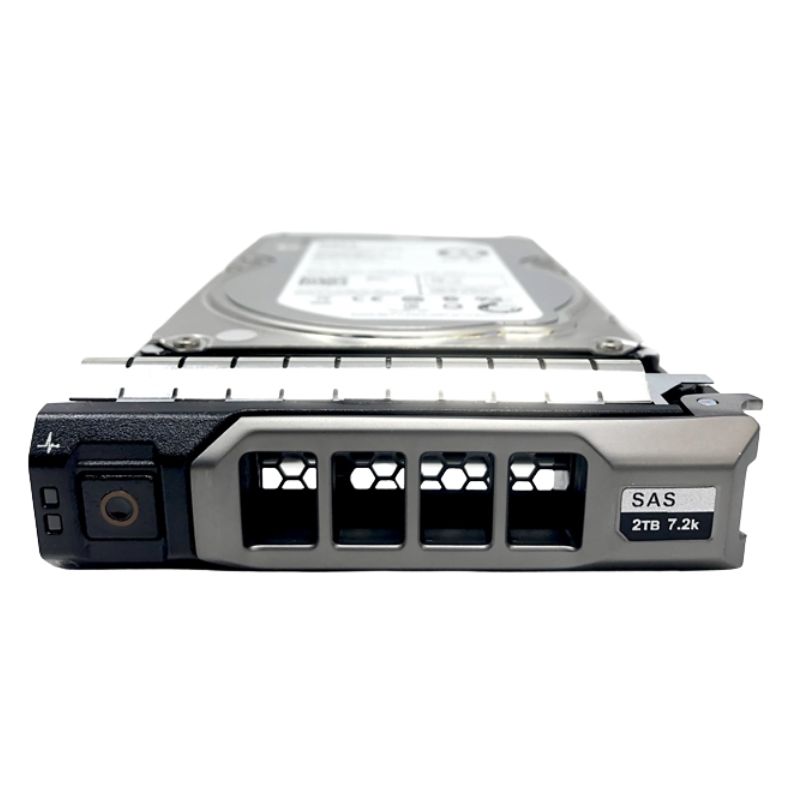


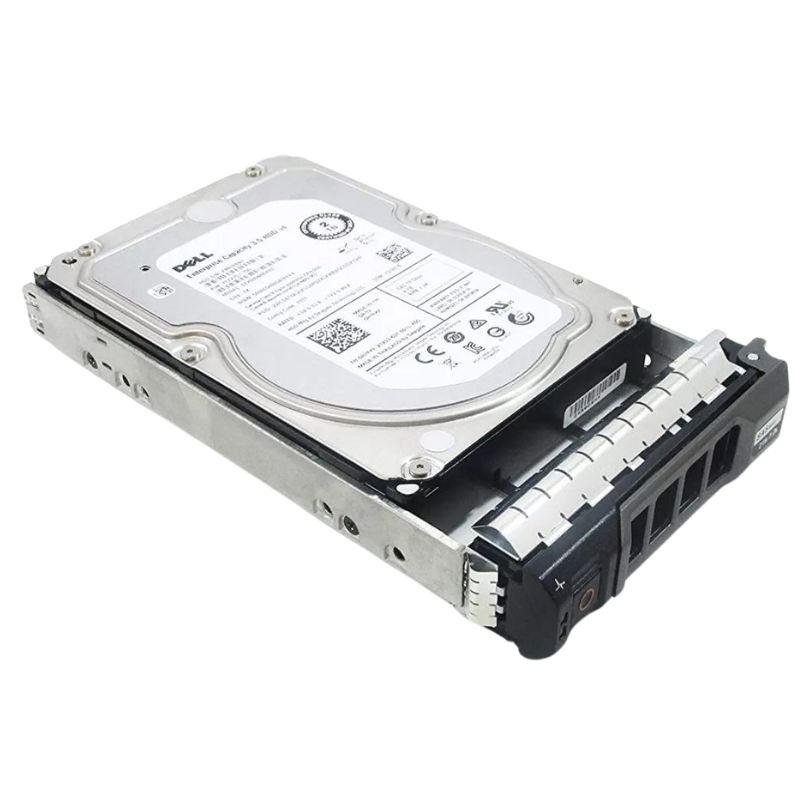
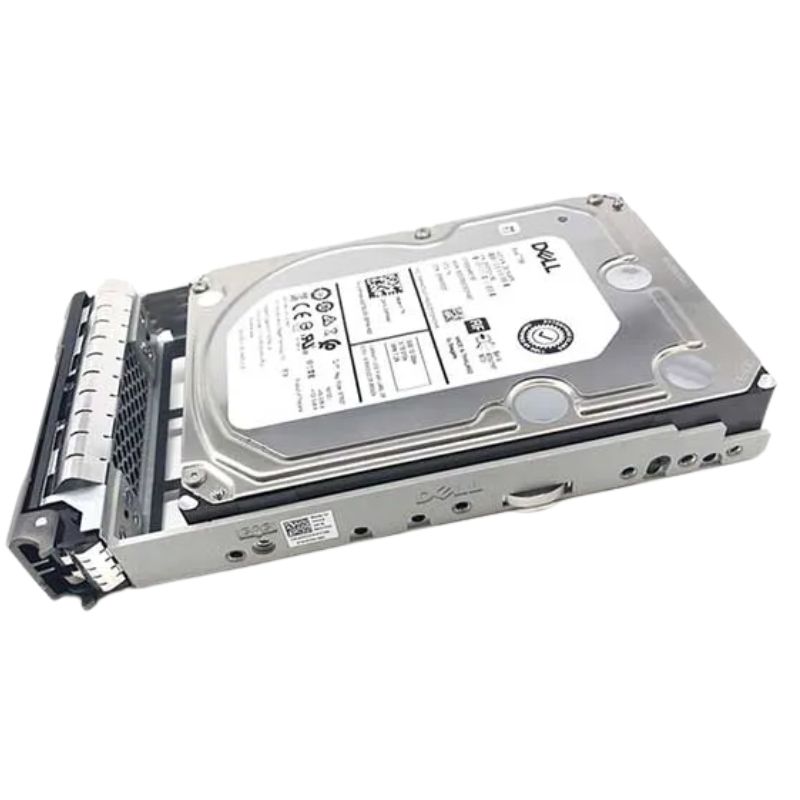
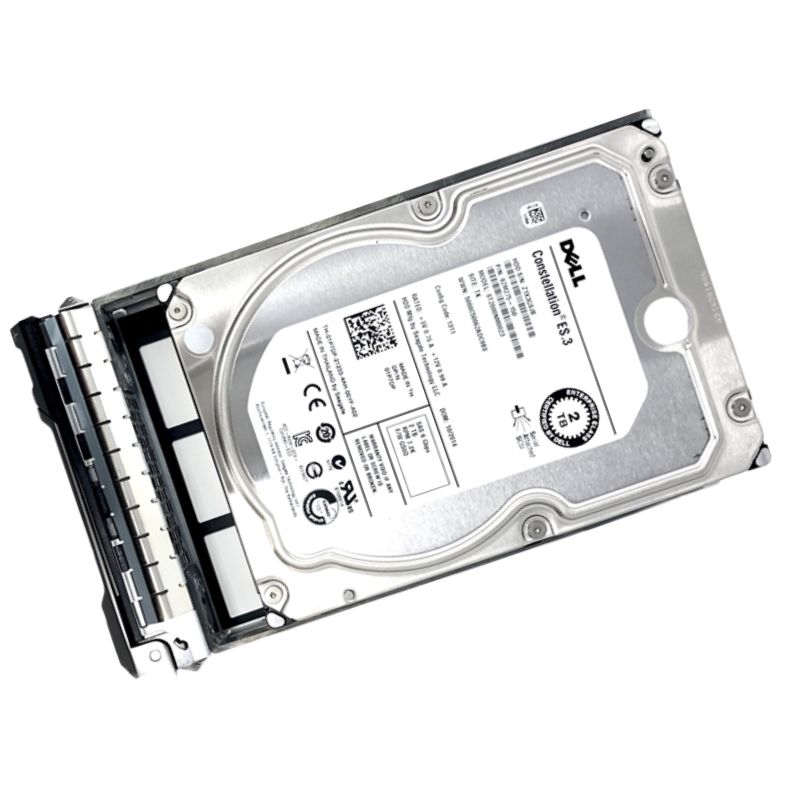
Dell 4XVVV 2TB SAS 6GBPS 7.2K RPM Internal Near Line Hard Drive. New Sealed in Box (NIB) with 1-Year Replacement Warranty
Engineered for dependable enterprise storage, the Dell 4XVVV 2TB SAS hard drive is designed to deliver stable performance, enhanced data integrity, and efficient scalability for demanding server infrastructures. Built for nearline applications, it ensures consistent access to large datasets while maintaining optimized throughput in multi-user environments.
The Dell 4XVVV 2TB SAS 6GBPS 7.2K RPM Internal Near Line Hard Drive is engineered for enterprise-level storage environments where consistent performance, long-term durability, and predictable data handling are essential. This storage device is built to support heavy workloads that are common in server infrastructures, virtualization systems, archival storage layers, and distributed database environments. Its architecture is optimized to ensure stable read and write cycles over extended operational periods while maintaining compatibility with enterprise-grade storage controllers and server backplanes.
The design philosophy behind this hard drive emphasizes balance between capacity efficiency and rotational performance. With a spindle speed of 7200 revolutions per minute, it is positioned in the near line storage category, offering a cost-effective solution for storing large volumes of data that do not require ultra-low latency access but still demand dependable retrieval speeds. The SAS 6GBPS interface ensures a robust communication channel between the drive and host systems, enabling efficient data transfer rates suitable for multi-user server environments.
The 7.2K RPM spindle speed plays a crucial role in defining the operational behavior of this drive. It provides a stable balance between energy consumption and performance output. Unlike higher RPM drives that prioritize speed over endurance, this near line solution focuses on sustained data throughput and predictable latency. This makes it particularly suitable for workloads such as backup repositories, file storage systems, and long-term data retention infrastructures.
Mechanical stability is a core strength of this drive. The internal components are designed to reduce vibration impact, which is critical in densely populated server racks where multiple drives operate simultaneously. Reduced vibration leads to better head positioning accuracy and fewer read/write errors, ultimately improving data integrity over time.
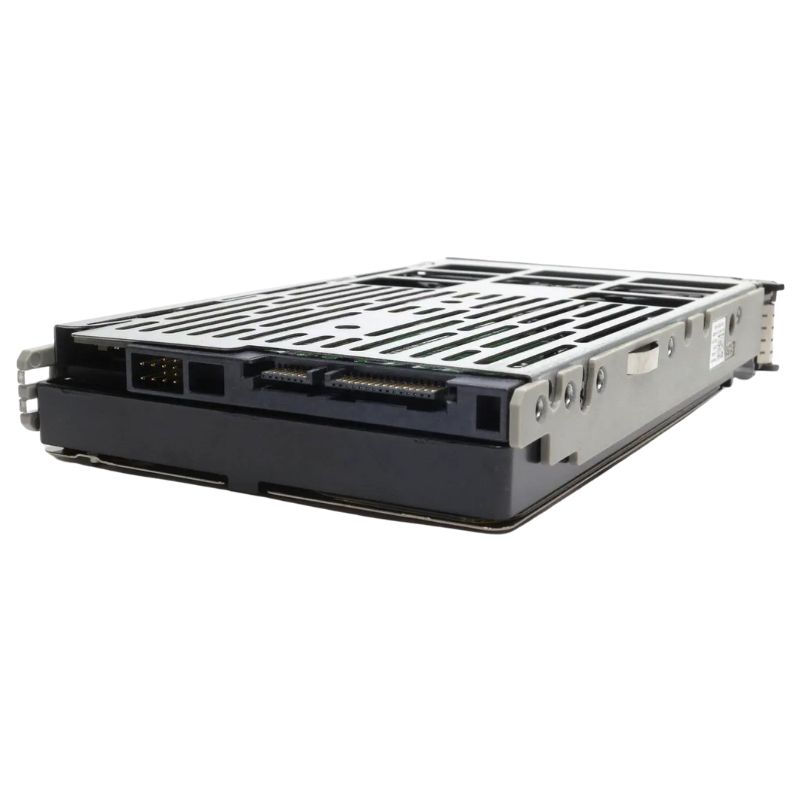
The Serial Attached SCSI interface operating at 6 gigabits per second ensures reliable and structured data transmission. SAS technology is widely recognized in enterprise environments for its dual-port capability, which allows redundant pathways for data access. This feature enhances system resilience and reduces downtime risks in mission-critical deployments.
Compared to standard SATA interfaces, SAS provides improved command queuing, better error handling, and higher scalability in multi-drive configurations. This makes the Dell 4XVVV hard drive suitable for RAID arrays where consistent performance and data redundancy are essential requirements.
Near line storage serves as an intermediate layer between high-speed primary storage and long-term archival systems. The Dell 4XVVV 2TB drive fits precisely into this layer by offering a combination of affordability, capacity, and reliability. It is commonly deployed in backup servers, secondary storage arrays, and cold data repositories that still require periodic access.
In large-scale data centers, this drive supports workloads that involve sequential data processing and batch-oriented tasks. These include system backups, log storage, media repositories, and historical data retention systems. Its mechanical configuration allows it to sustain prolonged read cycles without performance degradation.
Virtualized environments rely heavily on stable and predictable storage devices. The Dell 4XVVV hard drive contributes to virtualization infrastructure by providing dependable storage pools for virtual machine images, snapshots, and backup states. Its SAS interface ensures smooth integration with storage controllers that manage multiple virtual workloads simultaneously.
In cloud infrastructure environments, scalability is a critical requirement. These drives can be deployed in large arrays, enabling flexible expansion of storage capacity without compromising system stability. Their consistent performance profile ensures that virtualized applications maintain operational continuity even under fluctuating workloads.
The internal structure of the Dell 4XVVV drive is designed with precision-engineered components that ensure accurate head positioning and stable platter rotation. The drive utilizes advanced servo control mechanisms that adjust read/write head movement dynamically, allowing for efficient data retrieval even under heavy workload conditions.
Thermal stability is another key aspect of its design. Heat dissipation pathways are integrated into the drive housing to maintain optimal operating temperatures. This reduces the risk of thermal throttling and extends the overall lifespan of the device in high-density server environments.
Data integrity is maintained through built-in error correction algorithms that continuously monitor and adjust read/write operations. These systems detect inconsistencies in data signals and automatically correct them before they impact system performance. This ensures high reliability in mission-critical storage applications.
The drive also incorporates firmware-level optimization that enhances command processing efficiency. This allows it to handle multiple simultaneous requests without significant latency increases, making it suitable for enterprise workloads that require consistent data availability.
The Dell 4XVVV 2TB SAS drive is frequently deployed in RAID configurations where redundancy and performance optimization are critical. Its compatibility with RAID controllers allows it to function efficiently in mirrored, striped, and parity-based array setups. This enhances both data protection and system throughput.
In RAID environments, the consistent rotational speed and SAS interface contribute to predictable performance behavior across multiple drives. This uniformity is essential for maintaining synchronization within storage arrays and ensuring balanced workload distribution.
Fault tolerance is a fundamental requirement in enterprise storage systems. This hard drive supports recovery mechanisms that help maintain data accessibility even in the event of partial system failure. When integrated into redundant arrays, it contributes to rapid rebuild processes and minimized downtime.
The drive’s firmware is optimized to handle error recovery operations efficiently, reducing the impact of degraded performance states during reconstruction processes. This ensures that business-critical applications remain operational even during maintenance or hardware replacement cycles.
Energy efficiency is an important consideration in large-scale storage deployments. The Dell 4XVVV drive is designed to maintain a balanced power profile that reduces operational costs while preserving performance integrity. Its near line classification allows it to consume less energy compared to high-performance enterprise drives.
This reduced power consumption contributes to lower heat generation, which in turn improves overall system cooling efficiency. In data center environments where hundreds or thousands of drives may operate simultaneously, this energy efficiency becomes a significant operational advantage.
Thermal management is essential for maintaining consistent drive performance. The internal design of this storage device supports effective heat distribution, preventing localized overheating that could impact data integrity or mechanical performance. This allows it to function reliably in tightly packed server chassis.
Cooling systems in enterprise servers benefit from the predictable thermal output of this drive, enabling more efficient airflow design and reducing the strain on environmental control systems within data centers.
The Dell 4XVVV hard drive is designed for continuous operation over extended periods, making it suitable for environments where uptime is critical. Its mechanical components are rated for sustained usage cycles, ensuring consistent performance even under heavy workloads.
Long-term reliability is further enhanced by firmware-level monitoring systems that track drive health and performance metrics. These systems help administrators identify potential issues before they lead to system failure, allowing for proactive maintenance strategies.
Modern enterprise storage systems rely heavily on predictive analytics to maintain system health. This drive supports monitoring features that provide insights into performance trends, error rates, and operational stress levels. These insights allow IT administrators to optimize storage performance and plan replacements effectively.
By integrating with enterprise monitoring tools, the drive contributes to a proactive maintenance ecosystem that reduces downtime and enhances overall system reliability.
The Dell 4XVVV 2TB SAS drive is designed for seamless integration with enterprise server platforms and storage arrays. Its standardized form factor and interface ensure compatibility with a wide range of hardware configurations, including rack servers, blade systems, and external storage enclosures.
This broad compatibility allows organizations to deploy the drive across multiple infrastructure layers without requiring specialized adaptation or custom configuration, simplifying system expansion and maintenance processes.


 Contact Us
 Information
 Catalog
 Solid State Drives (SSD)
 Network Switches
 Hard Disk Drives
 HBA & Controllers
 PC & Servers
 PC & Server Memory
 CPU & Processors
 Network Routers
 Power Supplies
 Tape Drives & Libraries
 Network Devices
 Computer & Network Cables