(7% discount is applied at checkout)
Cart is empty
Your go-to destination for cutting-edge server products
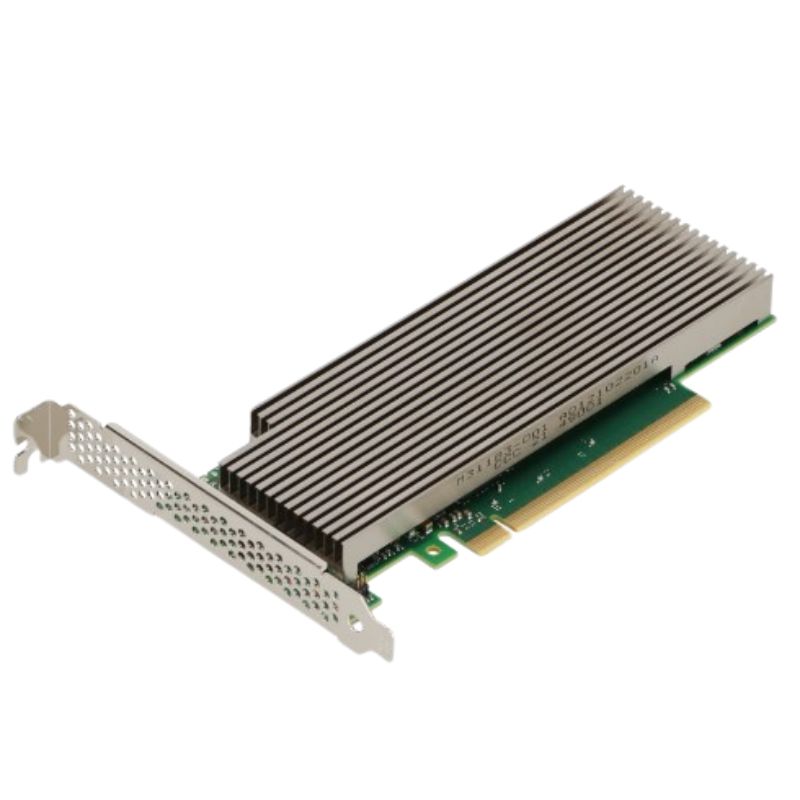


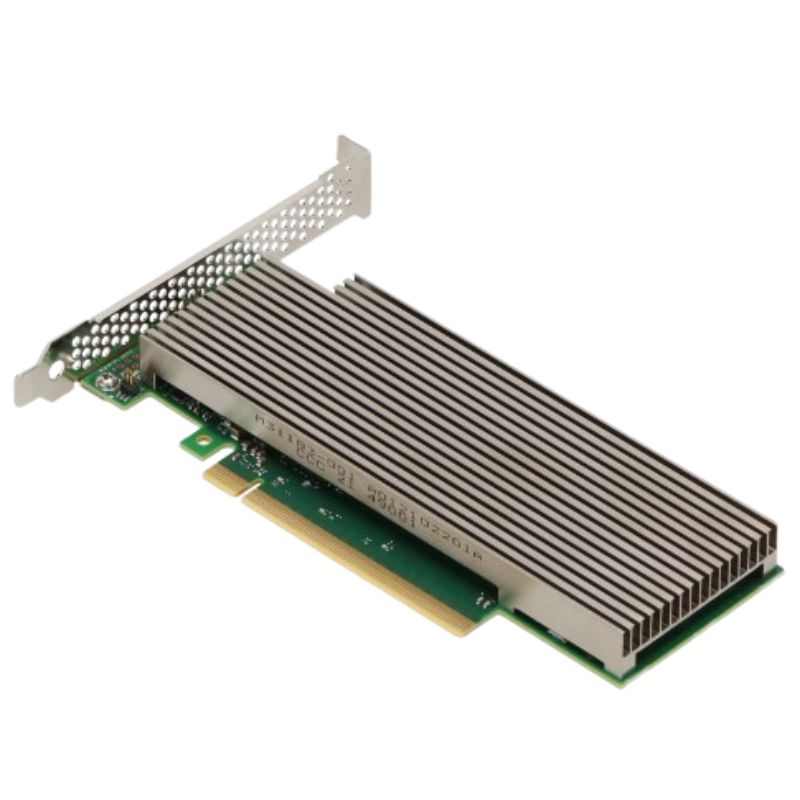
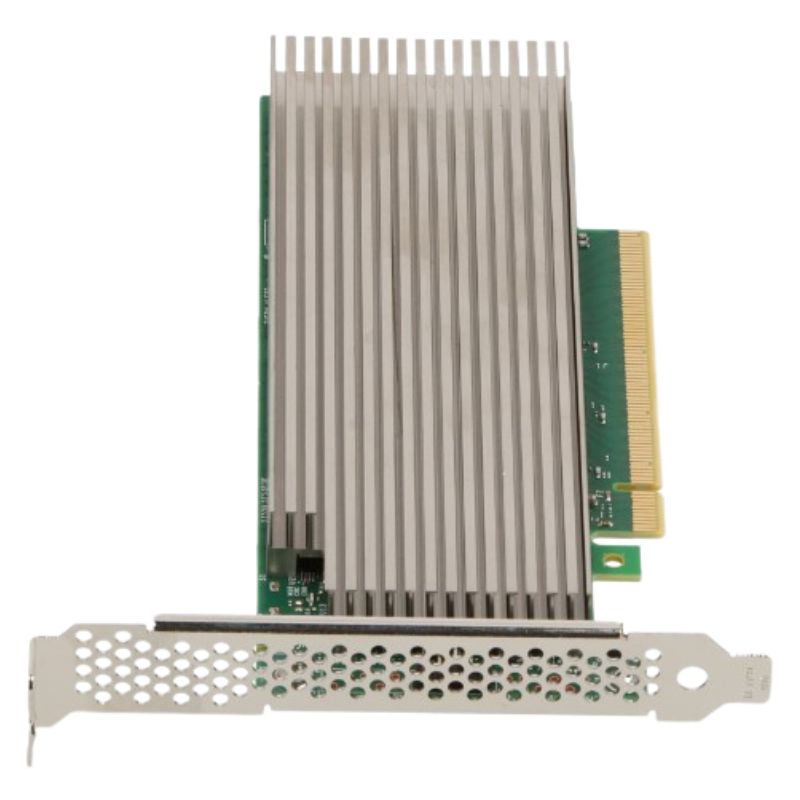
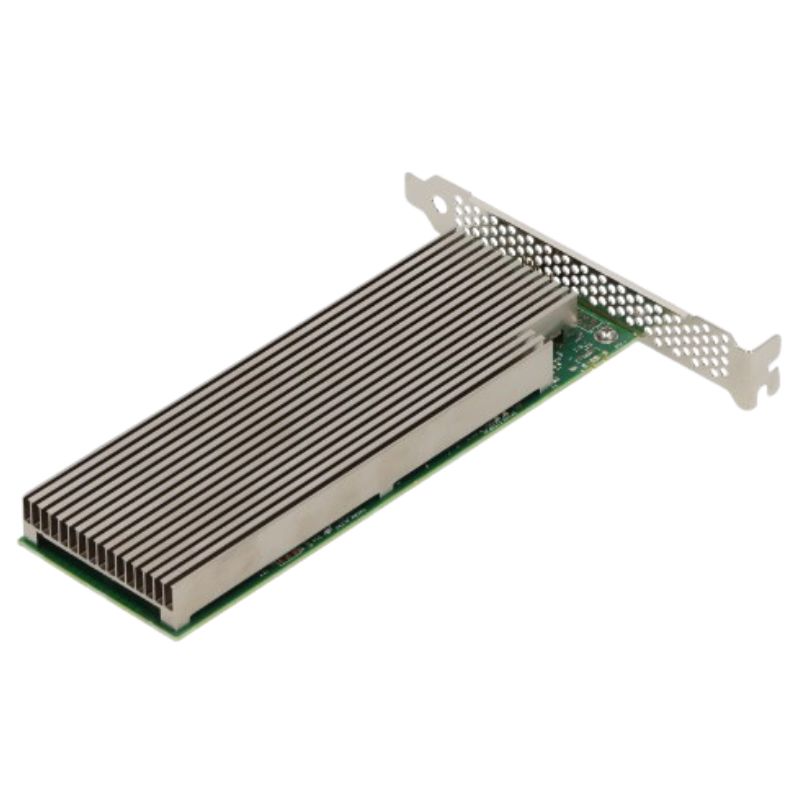
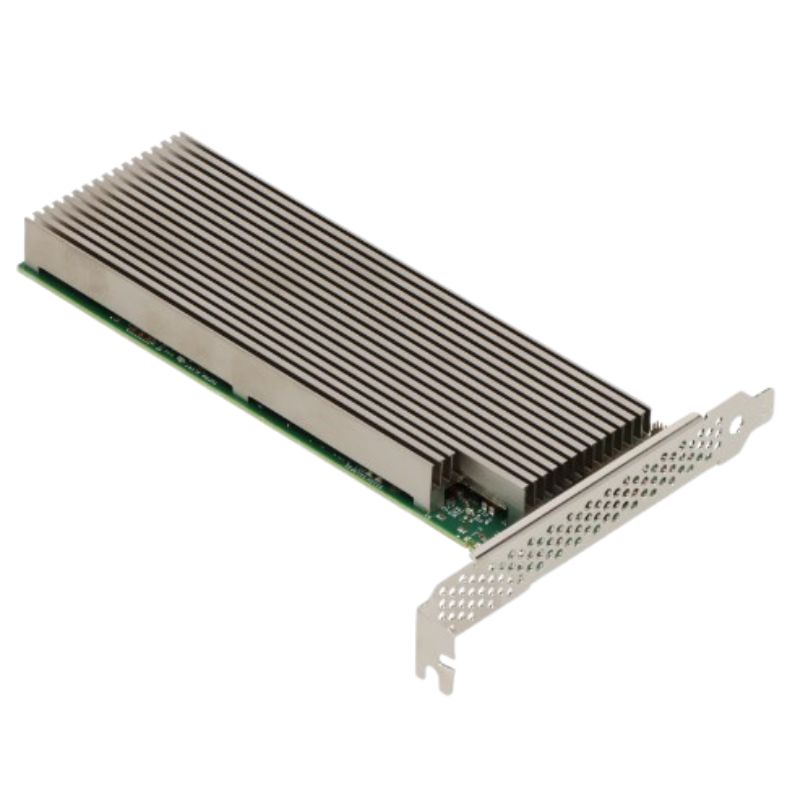
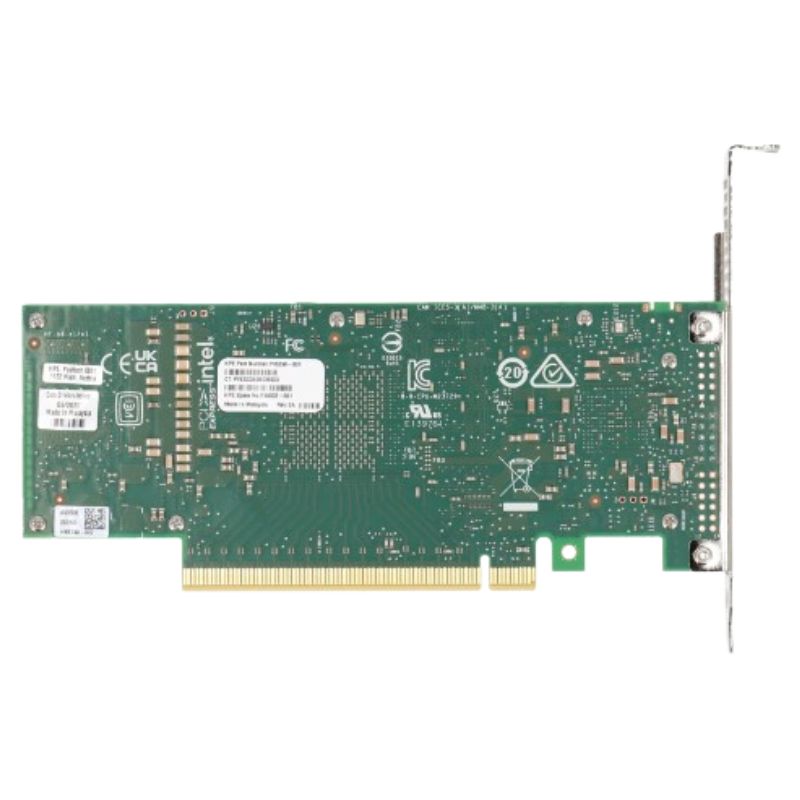
Dell 540-BDJF vRAN Accelerator ACC100 PCI-E Adapter. New Sealed in Box (NIB) with 1 Year Replacement Warranty
The Dell 540-BDJF vRAN Accelerator ACC100 PCIe Adapter is a high-performance application acceleration module engineered to enhance virtualized radio access network (vRAN) workloads. Built for modern telecom infrastructure, it delivers optimized processing for 4G LTE and 5G NR baseband operations with improved efficiency, scalability, and hardware-level acceleration.
The Dell 540-BDJF vRAN Accelerator ACC100 PCI-E Adapter is designed to support modern telecommunications infrastructures that require advanced hardware acceleration for virtualized radio access network environments. As mobile operators continue migrating from traditional hardware-based RAN architectures toward cloud-native and software-defined networks, specialized accelerator adapters have become critical components for achieving low latency, high throughput, and predictable network performance. The ACC100 platform enables telecom providers, edge computing operators, and enterprise network architects to efficiently process intensive Layer 1 wireless workloads while reducing CPU utilization across server environments.
Built around advanced forward error correction acceleration technologies, the Dell 540-BDJF adapter helps optimize network functions virtualization deployments by offloading computationally intensive processing tasks from general-purpose processors. This approach allows data center infrastructure to support larger subscriber densities, increased spectral efficiency, and enhanced wireless performance while maintaining operational efficiency. Organizations deploying 4G LTE, 5G NSA, and 5G SA environments often leverage hardware accelerators such as the ACC100 to meet stringent performance requirements.
Unlike traditional network interface cards that primarily handle packet transmission and reception, the Dell 540-BDJF vRAN Accelerator ACC100 PCI-E Adapter focuses on accelerating radio signal processing functions. Telecommunications workloads require substantial computational resources for encoding, decoding, error correction, scheduling, and real-time signal management. By introducing dedicated acceleration hardware into server environments, operators can significantly improve resource utilization while maintaining deterministic performance.
The adapter supports virtualization initiatives by enabling cloud-based radio access networks that separate software functions from proprietary hardware appliances. This flexibility helps organizations modernize their infrastructure while preserving carrier-grade reliability and scalability.
Virtualized radio access networks represent a major evolution in telecommunications architecture. Traditional RAN systems relied on purpose-built hardware components with tightly integrated software stacks. Modern vRAN environments move many of these functions into software running on industry-standard servers. The Dell 540-BDJF ACC100 adapter assists this transformation by providing specialized acceleration capabilities required to sustain telecom-grade performance.
Layer 1 processing is among the most demanding functions within a radio access network. Signal encoding, decoding, modulation support, and forward error correction require substantial computational power. The ACC100 accelerator enables efficient offloading of these tasks, reducing pressure on server CPUs and improving overall platform efficiency.
By moving repetitive and compute-intensive operations to dedicated hardware, operators can allocate processor resources toward orchestration, analytics, network optimization, and service delivery functions.
Wireless communications depend heavily on real-time processing capabilities. Delays introduced during packet handling, encoding, or decoding can negatively impact network performance. The Dell 540-BDJF adapter supports low-latency processing architectures that help maintain service quality across demanding telecommunications environments.
Consistent processing performance is particularly important in applications such as autonomous systems, industrial automation, smart city deployments, and ultra-reliable low-latency communication scenarios.
The PCI-E architecture provides a high-bandwidth connection between the accelerator card and host server. This connectivity ensures rapid data movement between system memory, processors, and accelerator resources. High-throughput communication paths are essential when supporting multiple radio sectors, carrier aggregation configurations, and high-capacity wireless deployments.
The PCI Express interface also enables compatibility with modern enterprise servers, making integration straightforward within existing infrastructure environments.
The Dell 540-BDJF ACC100 PCI-E Adapter can be incorporated into scalable server platforms supporting telecom workloads. Organizations can deploy acceleration resources according to network demand, allowing infrastructure expansion without requiring complete architectural redesigns.
This scalability supports both centralized and distributed deployment models, enabling operators to adapt infrastructure based on geographical coverage requirements and subscriber density.
Resource allocation remains a key consideration in virtualized network environments. Dedicated acceleration hardware allows infrastructure teams to balance workloads more effectively across compute resources. Instead of provisioning additional CPUs solely for Layer 1 processing, organizations can leverage acceleration hardware to maximize server utilization.
Many service providers continue operating extensive LTE networks while simultaneously expanding 5G coverage. The Dell 540-BDJF vRAN Accelerator ACC100 PCI-E Adapter supports environments where LTE services remain mission-critical. Hardware acceleration helps maintain network performance, reliability, and user experience across established LTE infrastructures.
Efficient processing of LTE workloads enables operators to optimize spectrum utilization while delivering consistent service quality to subscribers.
Fifth-generation wireless networks introduce substantially greater processing demands compared to earlier generations. Massive MIMO, network slicing, enhanced mobile broadband, and ultra-low latency services require sophisticated computational capabilities.
The ACC100 platform supports these evolving requirements by providing hardware-assisted processing that helps operators achieve target performance levels. This capability is especially valuable in dense urban environments where subscriber demand and traffic volumes continue increasing.
5G technology supports a wide range of applications, including smart manufacturing, connected transportation, remote healthcare, augmented reality, and large-scale IoT deployments. Each use case introduces unique network performance requirements that benefit from accelerated processing resources.
Hardware acceleration helps operators accommodate these varied workloads while maintaining service-level objectives and network reliability standards.
Forward Error Correction is a fundamental component of modern wireless communication systems. FEC techniques enable receivers to detect and correct transmission errors without requiring retransmission. These capabilities improve signal reliability and overall network efficiency.
Because FEC algorithms involve extensive mathematical computations, they can consume significant processor resources when executed exclusively on general-purpose CPUs.
The Dell 540-BDJF ACC100 adapter incorporates dedicated acceleration mechanisms that streamline FEC processing workflows. Specialized hardware architecture enables rapid execution of encoding and decoding operations while minimizing latency and computational overhead.
This hardware-centric approach contributes to improved network responsiveness and enhanced spectrum efficiency across wireless deployments.
Organizations implementing hardware-accelerated FEC processing can realize multiple operational benefits, including increased throughput, lower CPU utilization, enhanced workload density, and improved scalability. These advantages help support cost-effective network expansion strategies.
Telecommunications providers increasingly embrace open architectures that promote interoperability, flexibility, and vendor diversity. The Dell 540-BDJF vRAN Accelerator ACC100 PCI-E Adapter aligns with these objectives by supporting virtualized and cloud-native deployment models.
Open ecosystems enable organizations to integrate best-of-breed technologies while reducing dependence on proprietary infrastructure components.
Containerization has become a key strategy for deploying telecommunications workloads. Containerized network functions offer rapid deployment, simplified management, and improved scalability. Hardware accelerators complement these environments by delivering predictable performance for computationally intensive operations.
As telecom cloud platforms continue evolving, acceleration technologies remain important components for maintaining carrier-grade service quality.
Cloud-native infrastructures frequently rely on orchestration frameworks to automate deployment, scaling, monitoring, and lifecycle management. Hardware accelerators can be integrated into these environments, enabling dynamic resource allocation and operational efficiency.
Edge computing has emerged as a critical architecture for reducing latency and improving application responsiveness. Telecommunications providers deploy compute resources closer to end users to support time-sensitive services and localized processing requirements.
The Dell 540-BDJF ACC100 PCI-E Adapter contributes to edge computing strategies by enabling accelerated processing capabilities within compact server platforms deployed at edge locations.
Applications such as autonomous vehicles, industrial automation systems, interactive gaming platforms, and smart infrastructure solutions demand minimal latency. Hardware acceleration helps reduce processing delays and supports consistent service delivery across distributed environments.
By bringing accelerated compute resources closer to network endpoints, operators can enhance application performance and user experiences.
Edge facilities often operate with limited physical space, power availability, and cooling resources. Efficient accelerator technologies enable organizations to maximize computational performance without significantly increasing infrastructure footprints.


 Contact Us
 Information
 Catalog
 Solid State Drives (SSD)
 Network Switches
 Hard Disk Drives
 HBA & Controllers
 PC & Servers
 PC & Server Memory
 CPU & Processors
 Network Routers
 Power Supplies
 Tape Drives & Libraries
 Network Devices
 Computer & Network Cables