(7% discount is applied at checkout)
Cart is empty
Your go-to destination for cutting-edge server products
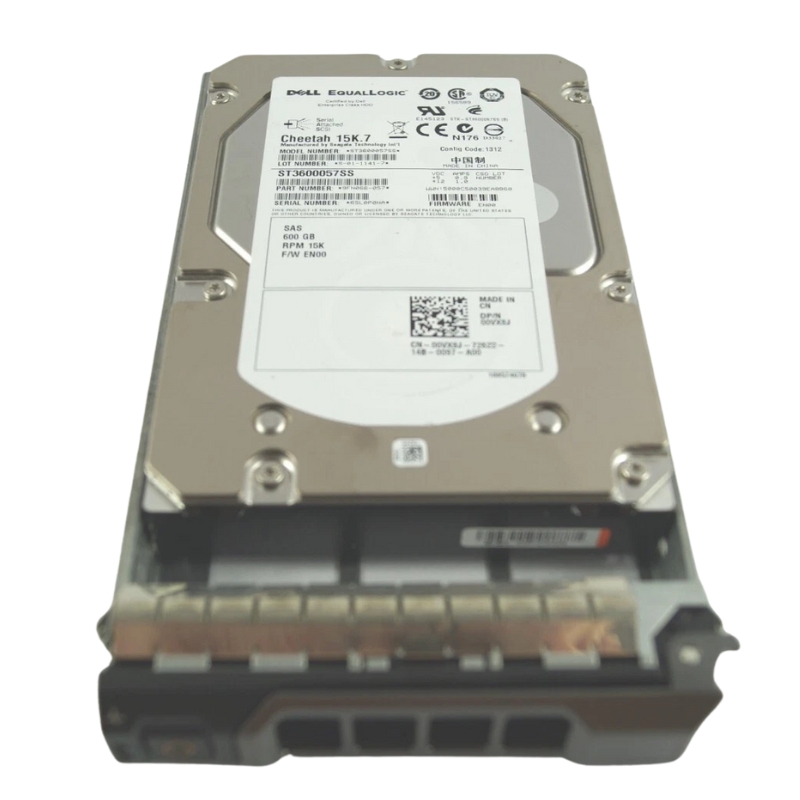


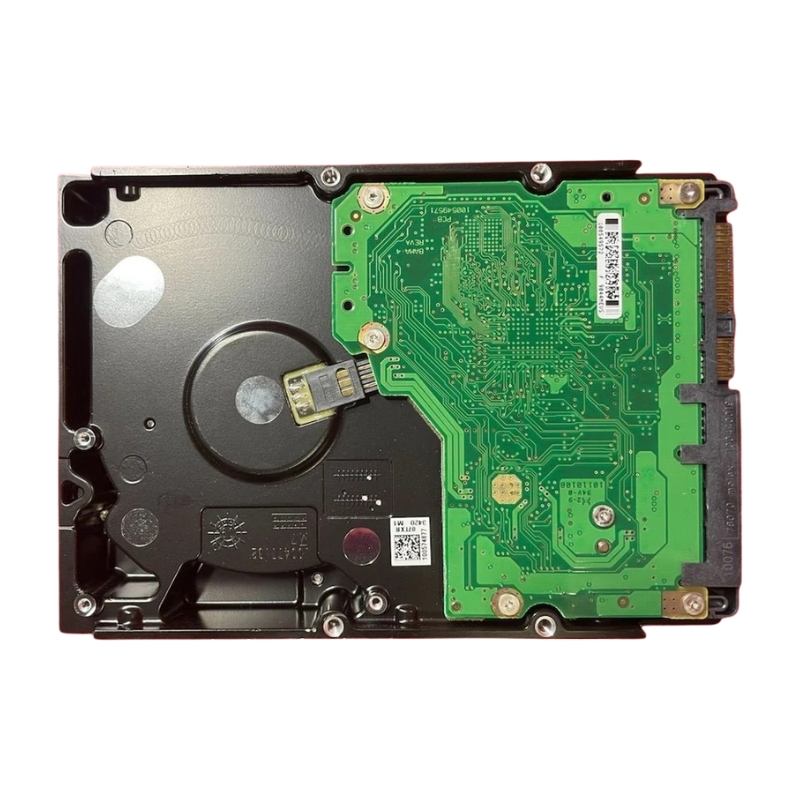
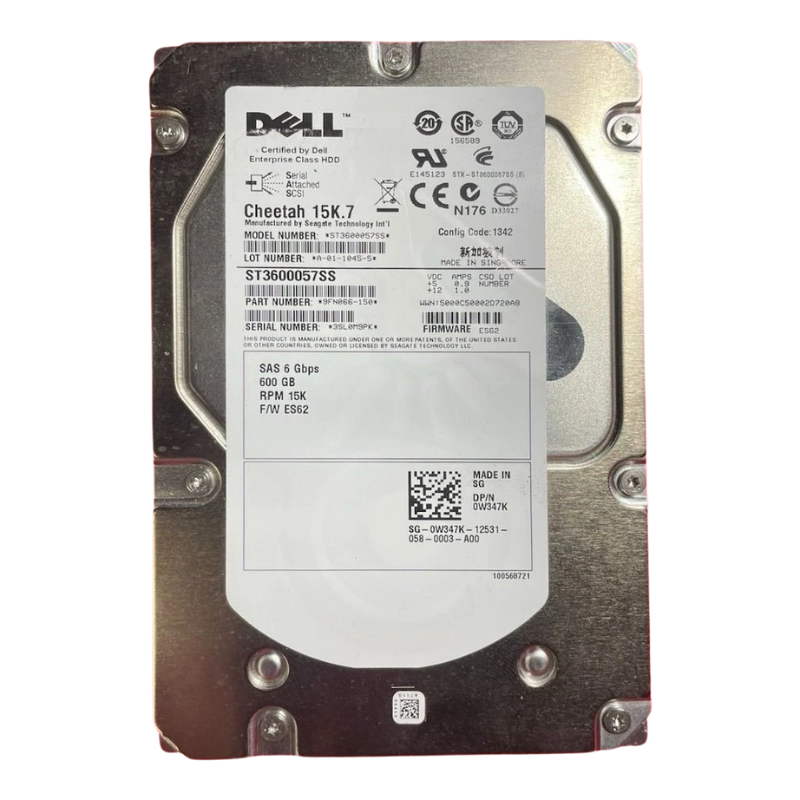
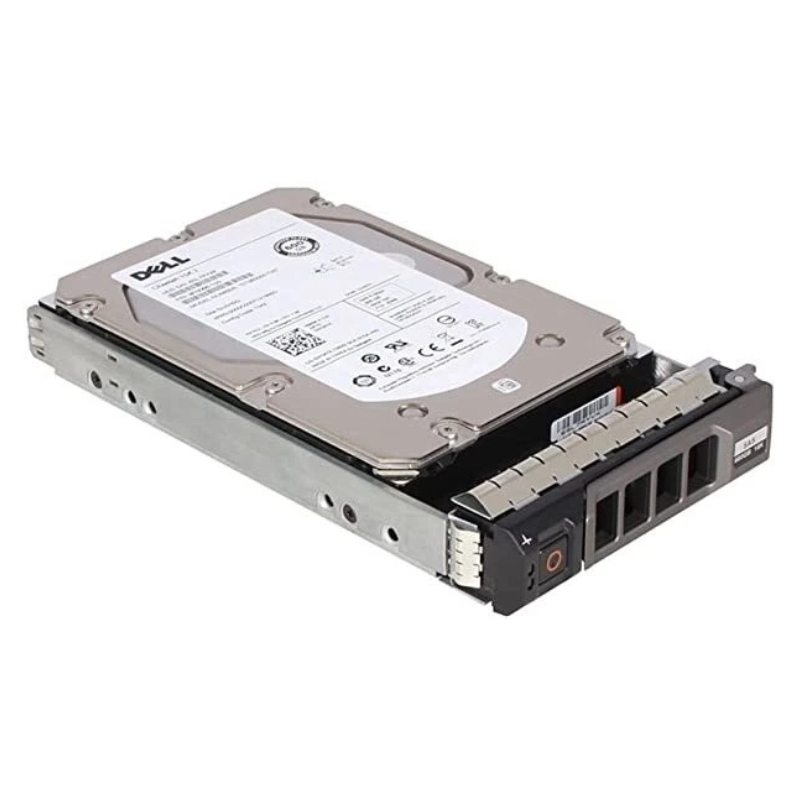
Seagate 9FN066-057 600GB Hard Drive 15K RPM SAS-6GBITS SFF. Excellent Refurbished with 1 year replacement warranty- Dell Version
The Seagate 9FN066-057 600GB 15K RPM SAS 6Gbps 3.5-inch Internal Hard Drive is designed for enterprise-level workloads, offering exceptional speed, reliability, and compatibility with high-performance server environments.
The Seagate 9FN066-057 600GB 15K RPM SAS 6Gbps 3.5-inch hard drive is a high-performance enterprise storage solution engineered for mission-critical environments that demand speed, reliability, and sustained workload handling. Designed for data centers, enterprise servers, and high-transaction systems, this storage device integrates mechanical precision with SAS interface efficiency to deliver consistent throughput and low latency performance under intensive workloads.
This category of enterprise hard drives is widely deployed in systems requiring fast data access, such as database servers, virtualization infrastructures, online transaction processing systems, and analytics platforms. With a rotational speed of 15,000 revolutions per minute, this drive class is positioned among the fastest mechanical storage technologies available, making it suitable for environments where SSD adoption is partial or hybrid storage architectures are implemented.
The defining characteristic of this storage category is the 15K RPM spindle speed, which significantly reduces average seek time compared to standard 7.2K or 10K RPM drives. This improvement directly impacts read and write latency, enabling faster data retrieval in workloads involving frequent random access operations. The mechanical precision required for maintaining stability at this speed is achieved through advanced bearing systems and vibration control mechanisms.
Lower latency is critical in transactional environments where milliseconds affect system responsiveness. The high rotational speed minimizes the time required for the read/write heads to locate data tracks, ensuring optimized performance in database queries, ERP systems, and real-time analytics platforms. This makes the drive suitable for environments that prioritize consistent response times over bulk sequential throughput.
Seagate’s engineering design focuses on maintaining mechanical integrity under continuous operation. The 9FN066-057 model incorporates rotational vibration sensors and firmware-level error correction algorithms that help maintain stability in multi-drive server enclosures. This ensures predictable performance even in densely populated storage arrays.
The SAS-6Gbps interface provides a robust and enterprise-grade communication channel between the storage device and the host system. Unlike consumer SATA interfaces, SAS supports full-duplex communication, allowing simultaneous read and write operations that enhance overall system efficiency.
SAS technology supports advanced command queuing, enabling multiple input/output operations to be processed concurrently. This reduces bottlenecks in high-demand environments where multiple users or applications access the storage system simultaneously. The result is improved data throughput consistency under sustained workloads.
The SAS interface ensures compatibility with a wide range of enterprise servers and storage controllers. It integrates seamlessly into RAID configurations and storage arrays, supporting scalable architectures in both legacy and modern data center environments.
The 600GB capacity is strategically designed for performance-focused applications rather than bulk archival storage. This capacity range allows for faster data access speeds due to reduced platter density, which contributes to improved read/write efficiency and lower mechanical overhead.
In tiered storage architectures, this drive is often used in high-performance tiers where active data resides. Frequently accessed datasets, system files, and application workloads benefit from its speed characteristics, while larger capacity drives handle archival storage layers.
Smaller capacity high-speed drives like this model enable more balanced data distribution across storage arrays. This reduces the risk of overloading individual drives and improves overall system longevity and performance consistency.
The 3.5-inch form factor ensures compatibility with a wide range of enterprise server chassis and storage enclosures. This physical standard allows for easy integration into existing infrastructure without requiring specialized mounting systems.
Larger drive enclosures contribute to improved heat dissipation, which is critical for maintaining performance stability in 15K RPM drives. Proper airflow management within server racks ensures that thermal thresholds remain within operational limits, extending drive lifespan and maintaining performance consistency.
Many deployments of this drive category support hot-swapping capabilities, enabling maintenance and upgrades without system downtime. This feature is essential for enterprise environments where continuous availability is required.
High-speed mechanical drives like this model are frequently deployed in database environments where rapid query execution and transaction processing are required. The reduced seek time improves response efficiency in structured query operations.
Virtualized environments benefit from the drive’s ability to handle multiple concurrent virtual machine disk requests. The SAS interface ensures smooth data flow between virtual machines and physical storage layers.
In scientific computing and analytics workloads, fast data retrieval is essential. This drive category supports such environments by delivering consistent I/O performance under sustained computational loads.
The Seagate 9FN066-057 is commonly used in RAID configurations where redundancy and performance are both critical. RAID 0, RAID 1, RAID 5, and RAID 10 setups benefit from the drive’s high-speed access capabilities.
Large-scale storage clusters utilize multiple units of this drive category to achieve scalable performance and redundancy. The consistent performance profile ensures predictable behavior across arrays.
RAID implementations enhance fault tolerance, allowing systems to continue operating even in the event of individual drive failure. This is essential for maintaining uptime in enterprise environments.
Despite high rotational speeds, enterprise drives are engineered for optimized power usage. Efficient motor control systems reduce unnecessary energy consumption during idle and active states.
Thermal control is essential in maintaining drive performance. The mechanical components are designed to operate within strict thermal thresholds to prevent performance throttling and hardware degradation.
These drives are typically deployed within systems that include advanced cooling mechanisms such as airflow channels and rack-mounted ventilation systems to ensure stable operating temperatures.
This drive category often serves as a component in hybrid storage systems where SSDs handle ultra-fast caching while high-RPM HDDs manage bulk active storage. This balance optimizes cost and performance efficiency.
Many enterprise environments still rely on mechanical storage systems for compatibility and cost efficiency. This drive category ensures continued support for legacy systems without compromising performance.


 Contact Us
 Information
 Catalog
 Solid State Drives (SSD)
 Network Switches
 Hard Disk Drives
 HBA & Controllers
 PC & Servers
 PC & Server Memory
 CPU & Processors
 Network Routers
 Power Supplies
 Tape Drives & Libraries
 Network Devices
 Computer & Network Cables