(7% discount is applied at checkout)
Cart is empty
Your go-to destination for cutting-edge server products
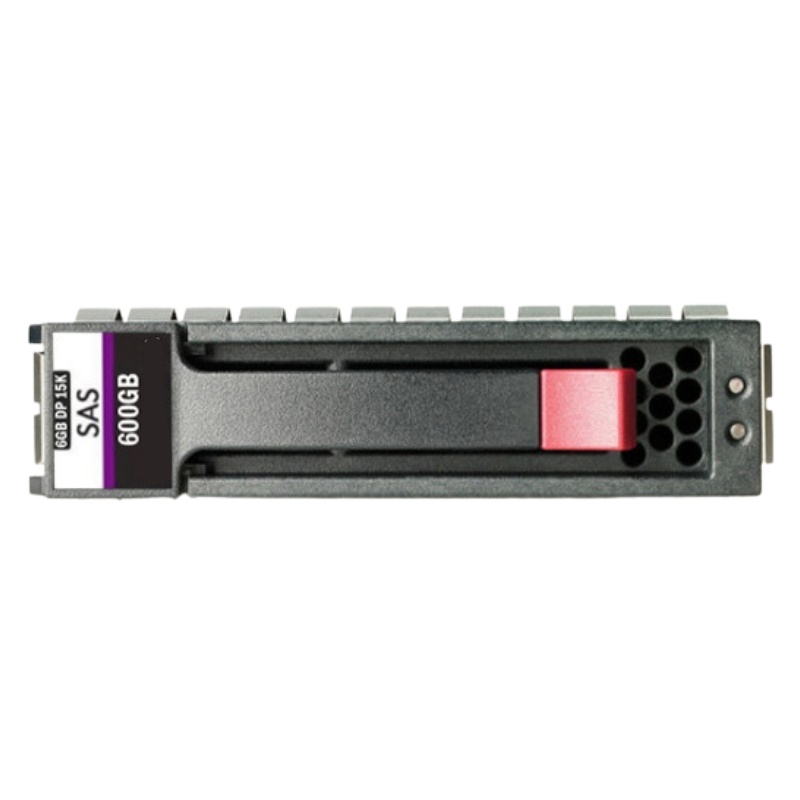


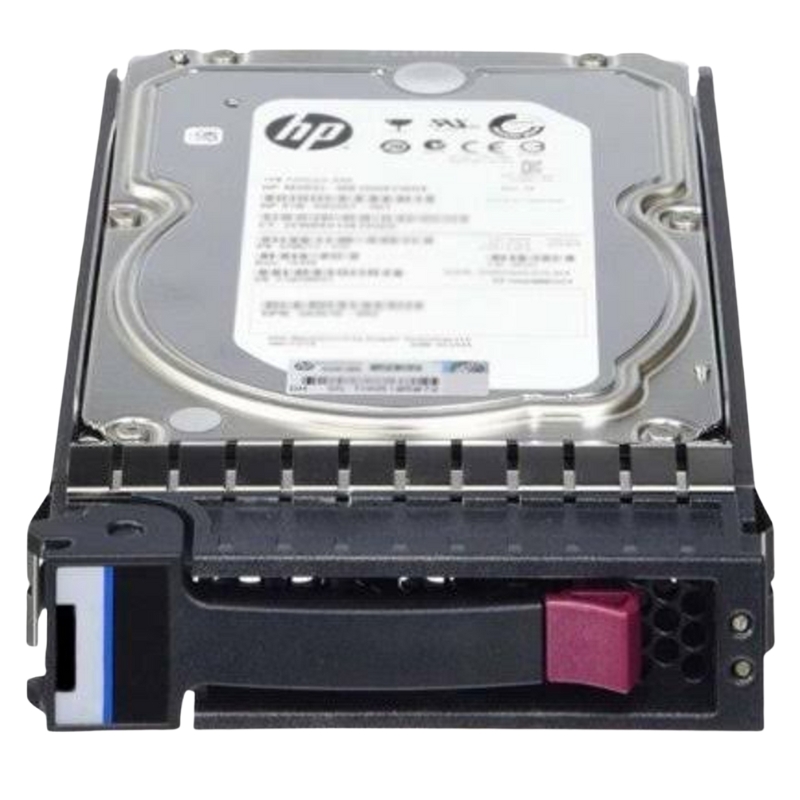
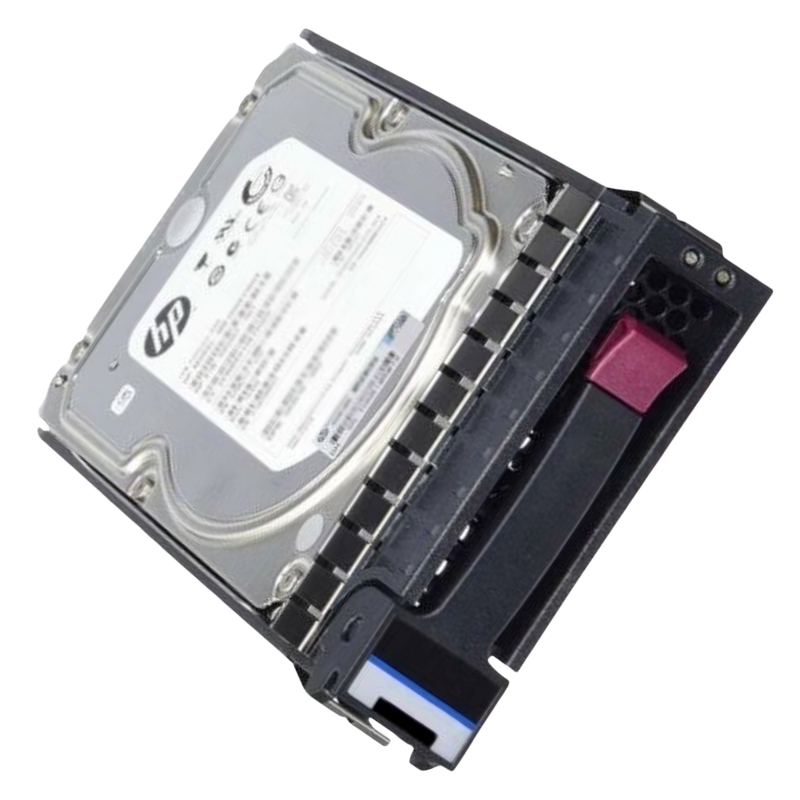
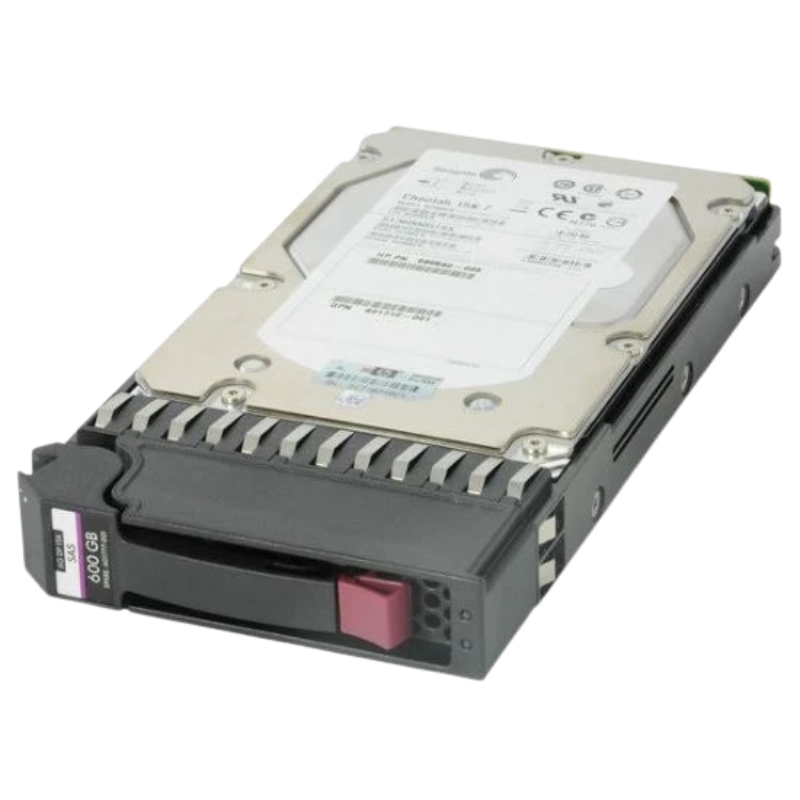
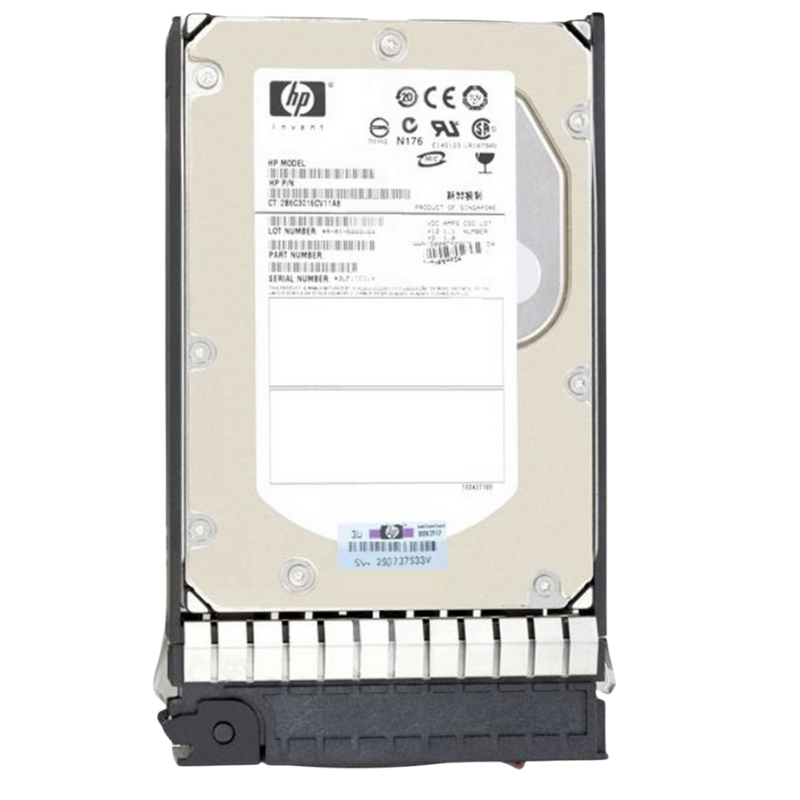
HP MSA 600GB 15K RPM 3.5 Inch LFF 2 Port SAS 6GBPS Hard Disk Drive 601712-001. Excellent Refurbished with 1 year replacement warranty
The HPE MSA 600GB 15K RPM LFF SAS 6Gbps HDD (601712-001) represents a high-performance enterprise-grade storage solution designed for mission-critical workloads requiring speed, reliability, and sustained throughput. Built for compatibility with Hewlett Packard Enterprise Modular Smart Array (MSA) storage systems, this category of large form factor (LFF) SAS hard drives is engineered to deliver consistent performance in demanding data center environments where latency, input/output operations per second (IOPS), and data integrity are essential.
This category of enterprise hard disk drives is widely deployed in virtualization environments, database hosting, cloud storage infrastructure, and high-availability server configurations. With a rotational speed of 15,000 RPM and a 6Gbps SAS interface, these drives are optimized for fast data retrieval and high reliability in continuous operation scenarios.
The 600GB capacity provides a balanced storage density suitable for enterprise workloads that require both performance and moderate capacity per drive. The Large Form Factor (LFF) design enhances thermal dissipation and mechanical stability, making it ideal for dense storage arrays where heat management and airflow optimization are critical.
Operating at 15,000 revolutions per minute, this HDD category significantly reduces seek time compared to 7.2K or 10K RPM drives. This higher rotational speed enables faster access to frequently used data blocks, making it suitable for transactional workloads such as SQL databases, ERP systems, and real-time analytics platforms.
The Serial Attached SCSI (SAS) 6Gbps interface provides dual-port connectivity for redundancy and enhanced throughput. This ensures continuous availability even in the event of a controller path failure. SAS architecture also improves command queuing, error handling, and data integrity compared to traditional SATA interfaces.
Firmware embedded within the 601712-001 model is optimized for enterprise RAID environments, ensuring predictable latency and consistent read/write cycles. Advanced error correction algorithms and sector remapping capabilities enhance long-term reliability and reduce the risk of data loss.
The 15K RPM spindle speed significantly improves IOPS performance, making this HDD category suitable for high-demand applications. It is particularly effective in environments where multiple users or applications access the storage simultaneously, such as virtualization clusters and cloud-based storage systems.
Reduced rotational latency is one of the primary benefits of this drive class. The faster spin rate minimizes the time required for the read/write head to locate the correct data sector. This results in improved system responsiveness and faster application load times.
While SSDs dominate random workloads today, this HDD category still performs efficiently in mixed workload environments. Sequential read/write performance is strong due to sustained platter rotation and optimized caching mechanisms, while random access performance is enhanced through high RPM mechanics.
The 601712-001 HDD is specifically designed for seamless integration with HPE MSA storage arrays. These systems rely on consistent drive performance and firmware alignment to maintain RAID stability and data redundancy. Compatibility ensures optimal communication between drive firmware and storage controllers.
This drive category supports multiple RAID configurations including RAID 0, RAID 1, RAID 5, RAID 6, and RAID 10. In enterprise deployments, RAID 5 and RAID 6 are commonly used for balancing redundancy and storage efficiency, while RAID 10 is preferred for high-performance database environments.
Hot-swappable functionality allows system administrators to replace or upgrade drives without shutting down the storage array. This feature is essential for maintaining uptime in enterprise data centers where continuous availability is a critical requirement.
Designed for 24/7 operation, the HPE MSA 600GB 15K RPM SAS HDD category is built with enterprise duty cycles in mind. This ensures sustained performance under continuous workloads, making it suitable for critical infrastructure applications.
Advanced error correction code (ECC) mechanisms are implemented to detect and correct data inconsistencies. This reduces the risk of silent data corruption and ensures that stored information remains accurate and reliable over time.
Enterprise environments often involve multiple drives operating in close proximity. These HDDs are engineered with rotational vibration sensors and compensation algorithms to maintain stability and performance consistency even in densely populated storage enclosures.
In virtualized environments, multiple virtual machines (VMs) rely on shared storage resources. The high RPM and SAS interface of this HDD category help deliver the required throughput for VM provisioning, migration, and runtime operations.
Relational database systems such as MySQL, Microsoft SQL Server, and Oracle Database benefit from the low latency and high IOPS characteristics of 15K RPM drives. These systems require fast query execution and efficient transaction processing.
Although SSDs are increasingly used, high-capacity SAS HDDs remain essential for cost-effective backup and archival storage solutions. The 600GB capacity per drive allows scalable expansion in large backup arrays.
Cloud service providers utilize this category of drives in hybrid storage architectures, where performance tiers are balanced between SSD and HDD layers. The SAS interface ensures consistent communication with storage controllers in multi-tenant environments.
SAS drives feature dual-port architecture, enabling redundant data paths between the drive and storage controller. This ensures uninterrupted access even if one path fails, enhancing overall system resilience.
Native Command Queuing (NCQ) in SAS systems allows the drive to optimize the order of read and write operations, improving efficiency and reducing unnecessary head movement.
SAS architecture supports large-scale expansion, making it suitable for enterprise storage arrays that require hundreds or thousands of drives operating simultaneously.
While SSDs offer superior speed, HDDs like the 601712-001 remain cost-effective for large-scale storage where capacity per dollar is a key consideration. Hybrid storage architectures often combine both technologies.
SAS drives outperform SATA drives in reliability, dual-port redundancy, and enterprise-level error handling. SATA is typically used in consumer or low-tier storage, while SAS is reserved for mission-critical applications.
Proper RAID stripe size configuration can significantly improve performance depending on workload type. Large stripe sizes benefit sequential workloads, while smaller stripes optimize random access patterns.
Distributing workloads evenly across multiple drives reduces bottlenecks and ensures consistent performance across the storage infrastructure.
Integrating SSD caching layers with SAS HDD arrays improves overall system responsiveness while maintaining cost efficiency for bulk storage.
As data volumes continue to increase, scalable HDD-based storage systems remain essential for accommodating archival and active datasets in enterprise environments.
The combination of enterprise firmware, SAS interface reliability, and mechanical engineering ensures long-term operational stability in critical infrastructure environments.
The 600GB capacity of the HP MSA Hard Disk Drive allows users to store large volumes of data in a single drive. This means that they can consolidate their information in one place, making it easier to manage and access when needed. Whether it's large video files, extensive databases, or complex software applications, the high capacity ensures that users have enough room to store their valuable data.
By providing a generous amount of storage space, the HP MSA Hard Disk Drive enhances productivity and efficiency for users. With ample room to save files and projects, professionals can work without interruptions caused by constant file transfers or the need to delete old data to make room for new information. This allows for smoother workflows and uninterrupted creativity or productivity.
The 600GB capacity also offers scalability options for users. As their storage needs grow over time, they can simply add more HP MSA Hard Disk Drives to their existing system, thereby expanding their storage capacity without the need for significant hardware upgrades. This scalability feature ensures that users can adapt to changing data storage requirements without disrupting their workflow or investing in expensive infrastructure changes.
The HP MSA Hard Disk Drive features a rotational speed of 15K RPM (revolutions per minute), making it a high-performance storage solution for demanding applications that require fast access to data. The speed of this drive provides several benefits to users, ensuring smooth operations and quick data retrieval.
With a 15K RPM rotational speed, the HP MSA Hard Disk Drive offers faster data access compared to drives with lower speeds. This means that users can retrieve information from the drive quickly, reducing the time it takes to access files, open applications, or run resource-intensive tasks. The improved data access speed translates into enhanced productivity and reduced wait times for users.
The high rotational speed of the HP MSA Hard Disk Drive optimizes overall system performance. It allows for faster data transfer rates, enabling applications to run smoothly and efficiently. Whether it's running virtual machines, processing large datasets, or performing complex calculations, the drive's speed ensures that users can complete tasks in a timely manner, without experiencing performance bottlenecks.
The 15K RPM speed of the HP MSA Hard Disk Drive significantly reduces latency, which is the delay between a user's request for data and the actual retrieval of that data. Low latency is crucial for applications that require real-time data processing or quick response times. With reduced latency, users can experience seamless interactions with their systems, resulting in improved user experience and higher productivity.
The HP MSA Hard Disk Drive boasts a form factor of 3.5 Inch LFF (Large Form Factor), offering users a reliable and compatible storage solution for their systems. The form factor plays a vital role in ensuring compatibility with various server configurations and simplifying installation processes.
The 3.5 Inch LFF form factor of the HP MSA Hard Disk Drive makes it compatible with a wide range of servers and storage systems available in the market. Users can seamlessly integrate this drive into their existing infrastructure without the need for additional modifications or adapters. It ensures a hassle-free upgrade process and minimizes downtime during installation.
The larger form factor of the drive allows for efficient utilization of available space within server enclosures. With a 3.5-inch size, the HP MSA Hard Disk Drive maximizes storage density, enabling users to accommodate more drives in their systems, resulting in increased storage capacity without sacrificing valuable rack space. This optimal use of space is particularly beneficial for data centers or server rooms with limited physical footprint.
The HP MSA Hard Disk Drive features a SAS (Serial Attached SCSI) interface with a speed of 6Gbps (Gigabits per second), offering users a high-performance and reliable data transfer solution. The interface plays a crucial role in ensuring fast and efficient communication between the drive and the host system.
The SAS-6GBPS interface of the HP MSA Hard Disk Drive enables high-speed data transfer between the drive and the connected system. With a data transfer rate of 6Gbps, users can enjoy rapid access to their data, whether it's reading or writing files, performing backups, or running resource-intensive applications. The fast data transfer ensures that users can complete tasks quickly and efficiently.
The SAS interface provides a reliable and robust connection between the HP MSA Hard Disk Drive and the host system. It offers advanced error detection and correction mechanisms, ensuring data integrity and minimizing the risk of data loss or corruption during transmission. This reliability is crucial for users who rely on their storage systems to store critical business data or perform mission-critical operations.
The HP MSA Hard Disk Drive features 2 ports, providing users with additional connectivity options and enhancing the versatility of their storage systems. The presence of multiple ports offers several benefits, including improved data transfer speed, redundancy, and expansion capabilities.
The 2-port configuration of the HP MSA Hard Disk Drive enables simultaneous data transfer between the drive and the host system through multiple channels. This parallel data transfer improves overall performance and accelerates data-intensive operations. Users can experience faster file transfers, faster backups, and quicker access to stored data, resulting in enhanced productivity and reduced wait times.
The dual-port configuration provides redundancy for users' storage systems. In case one port or connection fails, the other port ensures uninterrupted access to data, preventing downtime or data loss. This fault-tolerant design enhances the reliability of the storage solution, making it suitable for critical applications or environments where continuous access to data is essential.
The 2-port configuration also offers expansion capabilities for users' storage systems. They can connect multiple drives in a daisy-chain configuration, utilizing both ports to create larger storage pools or implement RAID (Redundant Array of Independent Disks) configurations. This expandability feature allows users to scale their storage capacity as their needs grow, ensuring future-proofing and adaptability to changing data storage requirements.


 Contact Us
 Information
 Catalog
 Solid State Drives (SSD)
 Network Switches
 Hard Disk Drives
 HBA & Controllers
 PC & Servers
 PC & Server Memory
 CPU & Processors
 Network Routers
 Power Supplies
 Tape Drives & Libraries
 Network Devices
 Computer & Network Cables