(7% discount is applied at checkout)
Cart is empty
Your go-to destination for cutting-edge server products
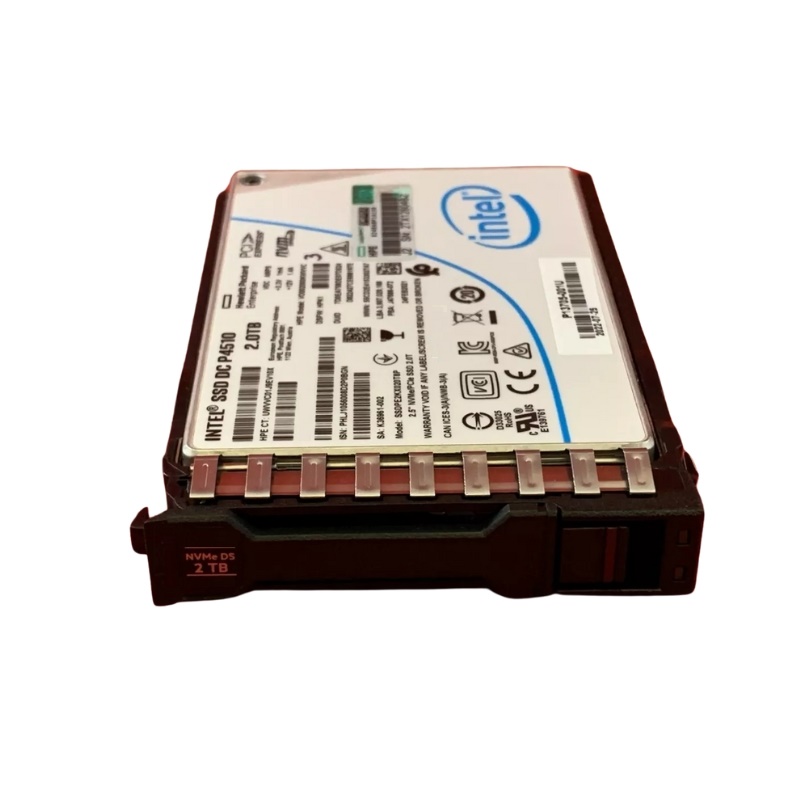


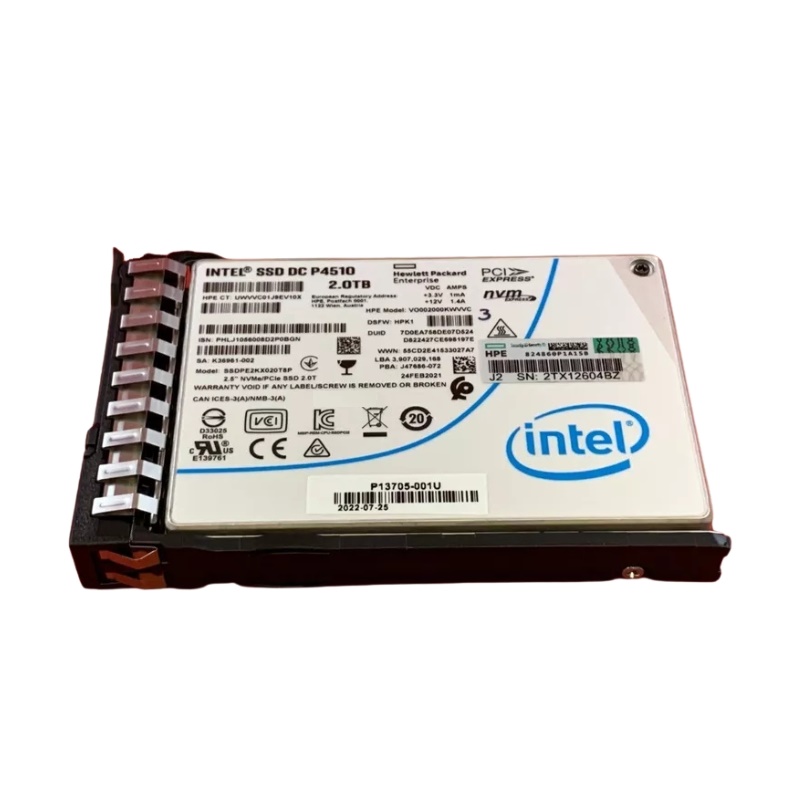
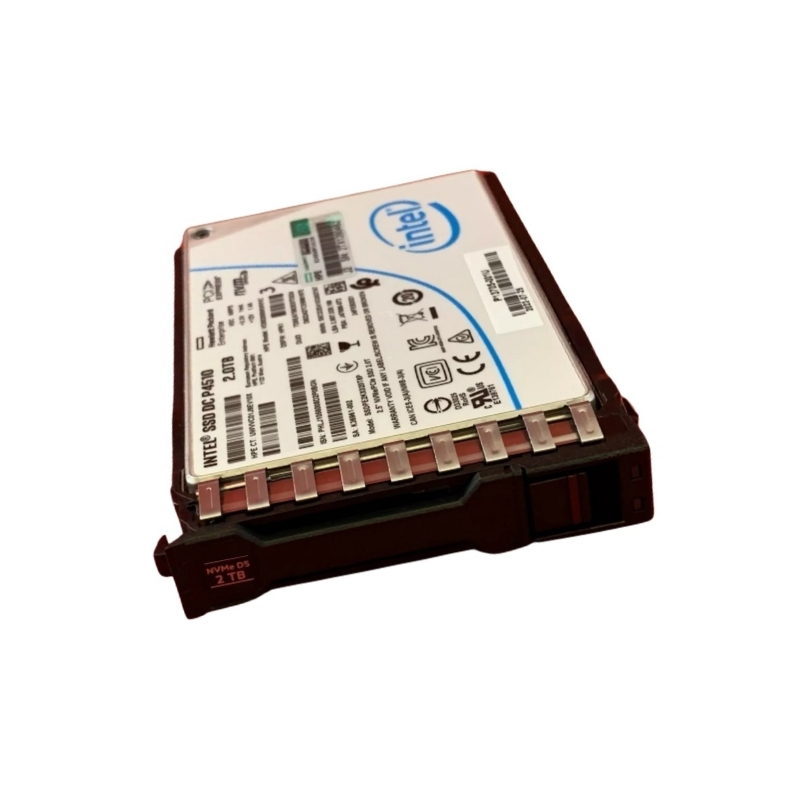
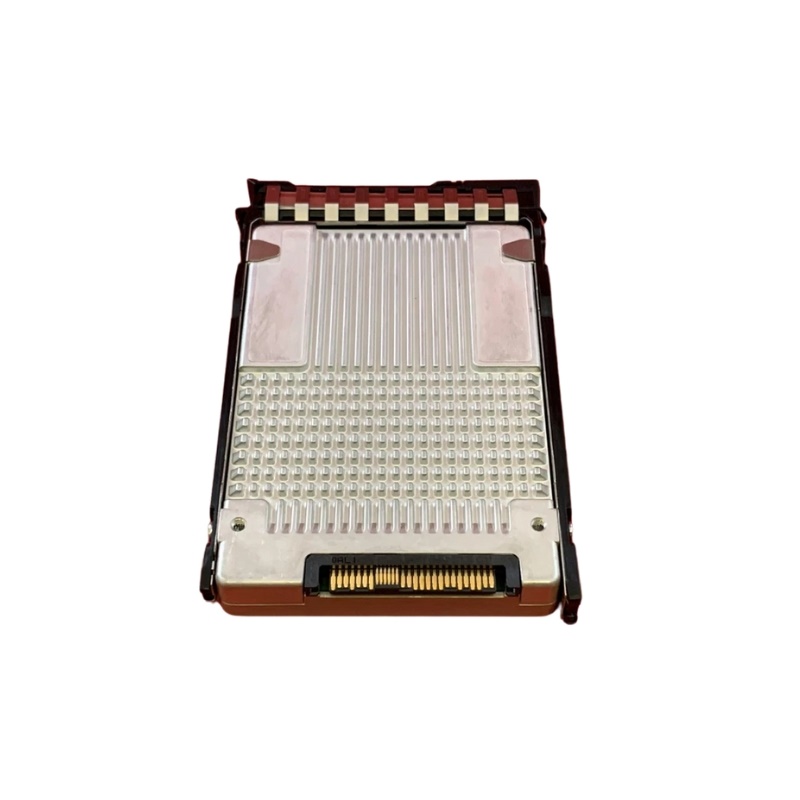
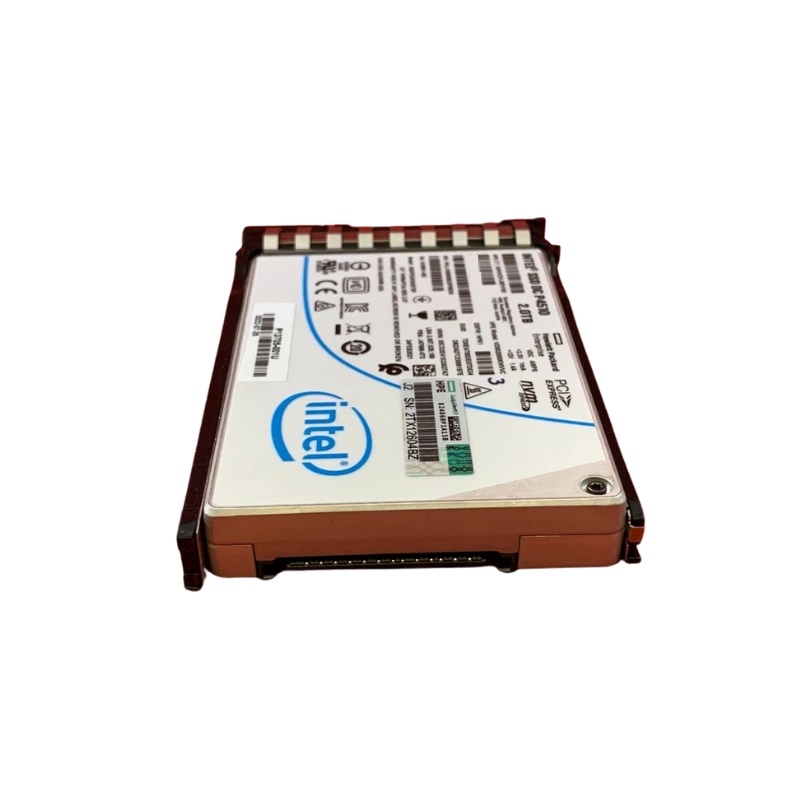
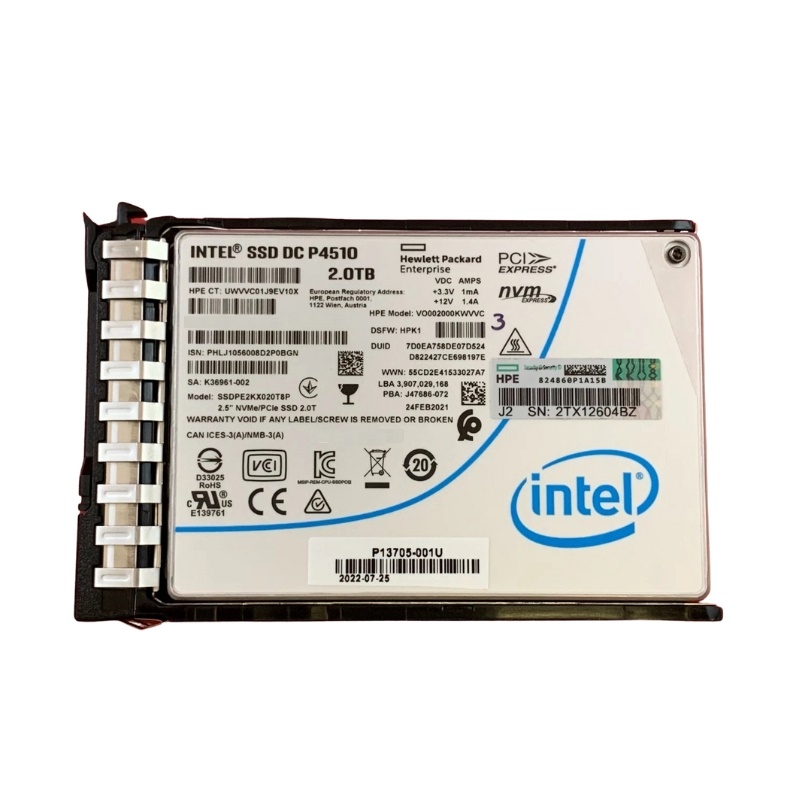
HPE 765069-001 2TB PCI-E Nvme Read Intensive SFF 2.5-inch SC2 SSD. Excellent Refurbished with 1 year replacement warranty
| SKU/MPN | Warranty | Price | Condition | You save |
|---|---|---|---|---|
| 765069-001 | 1 Year Warranty | $1,871.00 | New (System) Pull | You save: $654.85 (26%) |
| 765069-001 | 1 Year Warranty | $699.00 | Excellent Refurbished | You save: $244.65 (26%) |
Discover the HPE 765069-001, a 2TB PCIe NVMe solid-state drive tailored for read-intensive operations. This compact 2.5-inch SC2 drive is engineered for high-speed data access and enterprise-grade dependability.
This SSD integrates seamlessly with HPE ProLiant servers and storage systems supporting PCIe NVMe drives. Its plug-and-play design ensures smooth deployment across modern IT ecosystems.
NVMe (Non-Volatile Memory Express) offers superior bandwidth and lower latency compared to legacy SATA interfaces. The HPE 765069-001 leverages this protocol to deliver exceptional performance for read-heavy applications.
The HPE 765069-001 2TB PCI-E NVMe Read Intensive SFF 2.5" SC2 SSD category groups high-performance, enterprise-focused solid state drives designed for read-intensive workloads in modern data centers, storage arrays, and server deployments. These SC2-formatted drives combine HPE validation, NVMe protocol efficiency, and a small form factor to deliver a balanced blend of throughput, reliability, and density for environments that prioritize fast read access — for example, content delivery, boot volumes, analytics lookup tables, virtual desktop infrastructure (VDI) read caches, and large-scale web services. This category description focuses on technical attributes, compatibility considerations, performance characteristics, management features, deployment best practices, and comparative buying guidance tailored to IT procurement teams and system integrators.
At the core of this category is the PCIe NVMe interface. NVMe (Non-Volatile Memory Express) is engineered specifically for flash storage to exploit low-latency PCIe lanes, dramatically reducing I/O overhead compared to legacy storage protocols. The HPE 765069-001 series harnesses this interface for higher IOPS, lower latency, and improved queue depth handling — essential for read-heavy operations that depend on rapid lookup and small random-read transactions.
The 2TB capacity point offers a practical balance between cost-per-GB and usable space for mid-density storage tiers. The Small Form Factor (SFF) 2.5" profile allows dense server configurations and compatibility with HPE hot-swap bays and sleds. This format is optimal when maximizing rack-level capacity without sacrificing cooling efficiency or serviceability.
Drives in this category are specified as “Read Intensive,” meaning they are engineered for workloads where read operations far outnumber writes. Endurance (measured in drive writes per day or TBW — terabytes written) will be lower than mixed-use or write-intensive enterprise NVMe SSDs, but the firmware, over-provisioning, and wear-leveling mechanisms are tuned to extend life under read-heavy usage models while delivering superior read latency and consistency.
Read-intensive HPE SC2 NVMe SSDs are optimized for high random read IOPS at low latency, which matters for database index lookups, metadata services, and cache layers. Sequential throughput is also strong thanks to PCIe x4 lanes typically provisioned for NVMe devices, resulting in excellent large-block read performance for streaming and bulk retrieval tasks. When evaluating drives, look for published 4K random read IOPS and sustained sequential read MB/s figures to match the target workload.
Consistent low-latency reads are a hallmark of enterprise NVMe SSDs. HPE-certified models include firmware optimizations that minimize tail latency, improving QoS for latency-sensitive applications. For multi-tenant or virtualized environments, predictable latency under load prevents performance isolation issues and ensures fairness across VMs or containers.
While read-intensive SSDs offer lower write endurance than write-optimized drives, HPE-grade components deliver enterprise reliability through error correction (ECC), power loss protection (PLP) features where available, and robust wear-leveling strategies. When purchasing, verify TBW ratings and rated DWPD (drive writes per day) to ensure alignment with expected write patterns and longevity targets.
Many enterprise NVMe SSDs incorporate capacitive power-loss protection and internal mechanisms that flush volatile mapping tables to nonvolatile storage to prevent metadata corruption. Confirm if the HPE 765069-001 implementation provides this protection, particularly in mission-critical deployments where inadvertent power failures could otherwise lead to data loss or drive rebuild complexities.
Self-monitoring capabilities including S.M.A.R.T. attributes and vendor telemetry are essential for proactive health monitoring and predictive maintenance. HPE-certified NVMe drives surface key metrics like media wear, read/write counters, temperature, and error rates, enabling integration with HPE system management tools and third-party monitoring platforms for fleet-wide observability.
The HPE 765069-001 is intended for use in supported HPE ProLiant servers, HPE storage enclosures, and blade systems. Compatibility with specific server generations, BIOS/UEFI revisions, and HPE SmartArray or NVMe controllers should be validated against HPE compatibility matrices. Leveraging HPE-validated firmware and driver stacks ensures full feature support, warranty coverage, and predictable behavior during firmware updates.
Beyond HPE platforms, NVMe drives are broadly interoperable with standard PCIe slots and NVMe-capable backplanes. However, performance and feature parity depend on the host controller and firmware handshake. For cross-vendor installations, check vendor interoperability lists and test in lab environments whenever possible before large-scale rollouts.
The SFF 2.5" form factor combined with HPE hot-swap trays permits drive replacement in live systems without downtime. This serviceability is critical for high-availability clusters. Ensure drive caddies, carrier screws, and labeling comply with your asset management and change-control processes.
Telemetry and firmware management often integrate with HPE OneView and iLO (Integrated Lights-Out) management tools, allowing centralized inventory, firmware rollout, and health monitoring. Use these tools to schedule preventive maintenance and to automate alerts based on S.M.A.R.T. thresholds or telemetry anomalies.
Read-intensive SSDs excel in content delivery networks (CDNs), web frontends, and caching layers where reads dominate. Deploy the HPE 765069-001 for user-facing caches, CDN nodes, and microservice data layers that need fast fetch times with minimal write churn.
VDI environments often have heavy read storms during boot and login storms. Using read-optimized NVMe SSDs for profile and image caches significantly reduces boot times and improves user experience. Model the expected read IOPS and choose drive counts that provide headroom for peak concurrency.
Use cases such as in-memory databases backed by SSD for cold-lookup tables, search engine index shards, or metadata services benefit from NVMe read performance. Keep write amplification in mind and configure application-level caching to protect endurance.
2TB drives provide a balance between density and manageability. When planning capacity, account for usable capacity after RAID overhead or erasure coding. For example, selecting RAID 10 or RAID 6 affects effective usable space; factor in over-provisioning reserved by the SSD for wear leveling which slightly reduces host-visible capacity.
Drive count influences both aggregate capacity and performance. For read-heavy workloads, distributing reads across multiple drives and controllers reduces contention and latency. Consider controller queue depth and PCIe lane distribution when populating servers with multiple NVMe devices.
Dense NVMe deployments increase heat density. Ensure server and rack cooling can handle additional thermal load and that power delivery budgets account for peak drive power during sustained activity. Thermal throttling can negatively affect performance, so maintain headroom in cooling design.
Read-intensive drives prioritize read performance and optimize firmware and over-provisioning accordingly, which lowers manufacturing cost and improves read-centric latency. Mixed-use drives raise endurance and write performance at higher cost, making them preferable where write amplification or heavy transactional writes occur. Choose read-intensive HPE 765069-001 when writes are a small fraction of total I/O.
NVMe SSDs deliver higher throughput and lower latency than SATA or SAS SSDs because they leverage PCIe bandwidth and modern command sets. If your application needs sub-millisecond reads and high parallelism, NVMe is the clear choice. SATA/SAS may still be relevant for legacy systems or cost-sensitive bulk storage where NVMe advantages are not required.
NVMe-oF extends NVMe benefits over network fabrics (RDMA, TCP), enabling remote low-latency block storage. Local NVMe (as in HPE 765069-001) provides the lowest possible latency when installed directly in host servers. For shared storage pools across many hosts, NVMe-oF or converged fabrics may be preferable, but ensure your network fabric supports the performance profile you need.


 Contact Us
 Information
 Catalog
 Solid State Drives (SSD)
 Network Switches
 Hard Disk Drives
 HBA & Controllers
 PC & Servers
 PC & Server Memory
 CPU & Processors
 Network Routers
 Power Supplies
 Tape Drives & Libraries
 Network Devices
 Computer & Network Cables