(7% discount is applied at checkout)
Cart is empty
Your go-to destination for cutting-edge server products
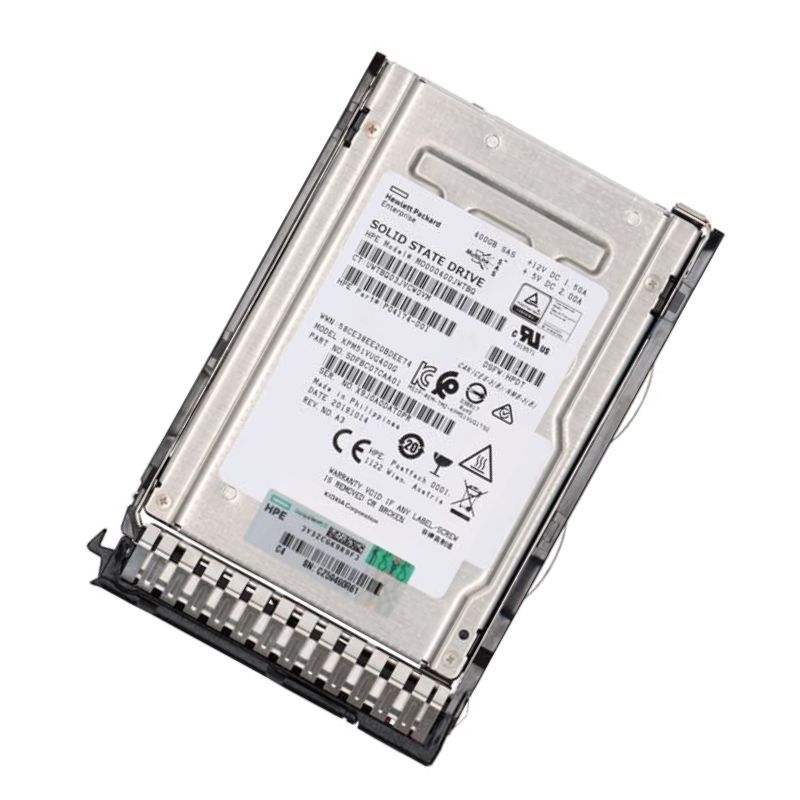


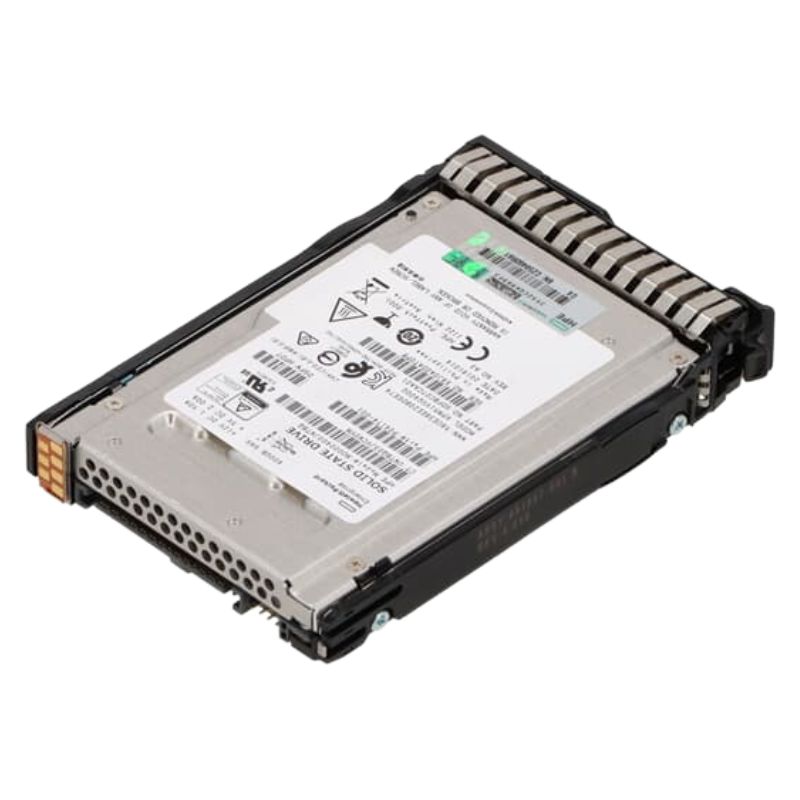
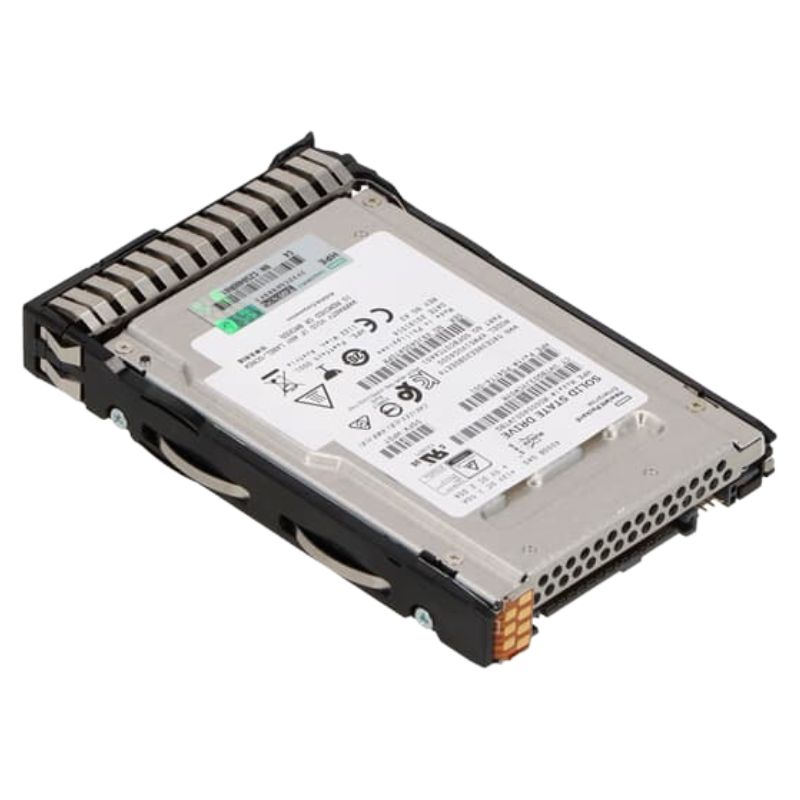
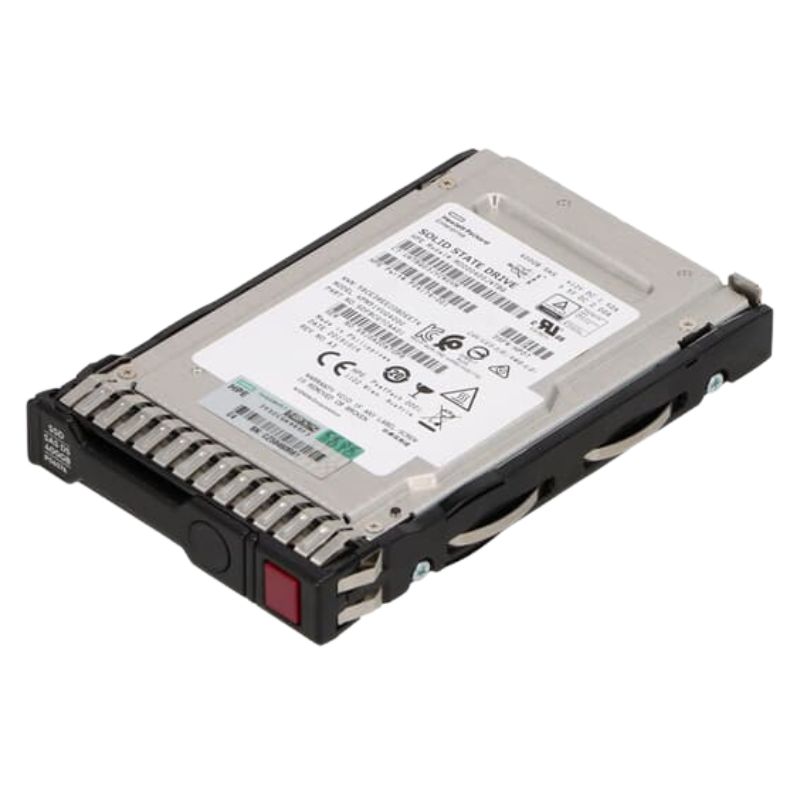
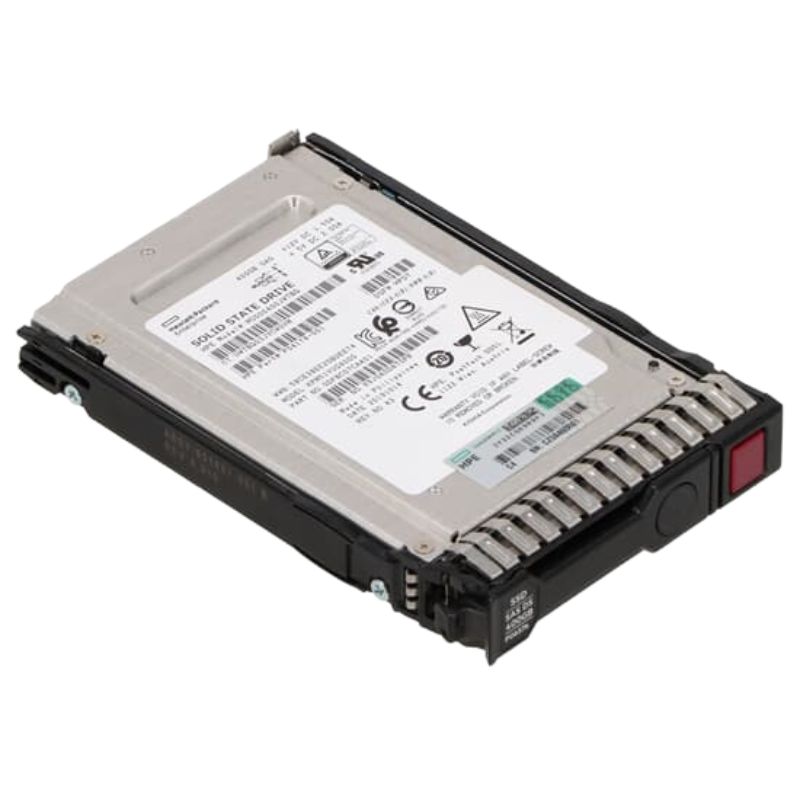
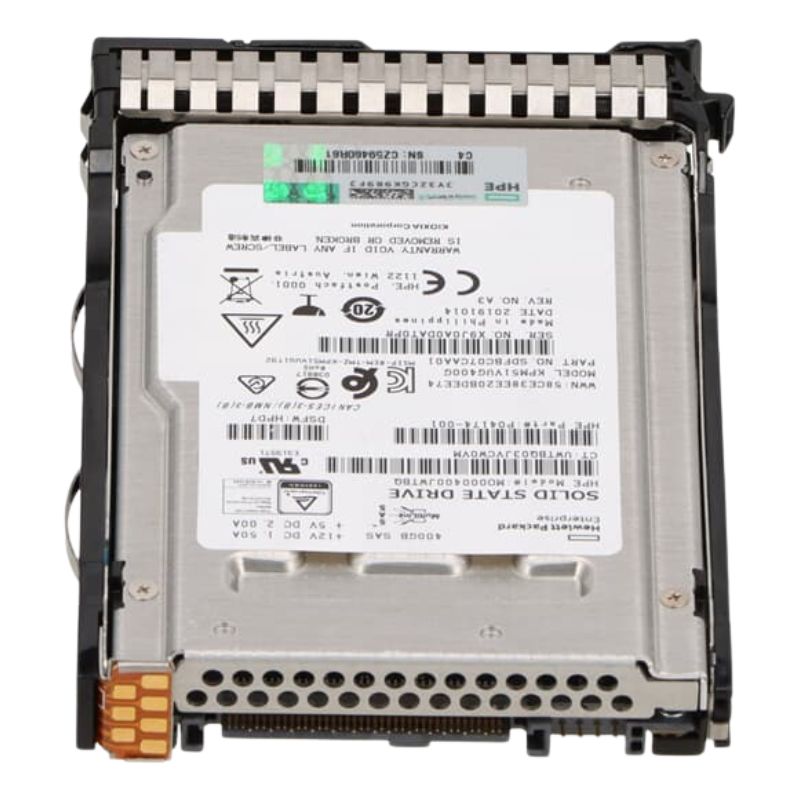
HPE P09088-H21 400GB SAS-12GBPS DS SC SSD. Excellent Refurbished with 1 year replacement warranty
This enterprise solid‑state drives encompasses 2.5‑inch small‑form‑factor (SFF) SAS drives designed for mixed‑use workloads, offering a balanced combination of read and write performance in a dual‑port, hot‑pluggable form factor.
This SSD is fully compatible with a range of HPE Gen10 servers featuring 2.5 inch drive bays, including but not limited to:
This category of enterprise solid‑state drives encompasses 2.5‑inch small‑form‑factor (SFF) SAS drives designed for mixed‑use workloads, offering a balanced combination of read and write performance in a dual‑port, hot‑pluggable form factor. In particular, the HPE P09088‑H21 model stands as a representative example of this class of drives, featuring a 400 GB capacity, SAS 12 Gb/s interface, a Smart Carrier, and digitally signed firmware. These mixed‑use SAS SSDs are engineered to serve in demanding data‑center environments, virtualization hosts, database systems, and other mission‑critical applications where performance, endurance, reliability, and compatibility are all vital.
The drives in this category adopt the 2.5 inch (SFF) mechanical form factor, enabling high‑density server configurations and efficient front‑bay utilization. The SAS‑12 Gb/s interface allows for full‑duplex data throughput and supports dual‑port connectivity, which is essential for high‑availability storage fabrics. With SAS at 12 Gb/s, the mixed‑use SSDs deliver significantly higher IOPS and lower latency compared to legacy SATA drives, making them well suited for enterprise‑grade workloads. The P09088‑H21 uses SAS 12 Gbps and features hot‑pluggability and dual‑port access, facilitating integration into HPE ProLiant Gen8, Gen9 and Gen10 infrastructure. :contentReference[oaicite:1]{index=1}
Within this category, the choice of NAND flash and the firmware architecture play key roles in overall reliability and endurance. The P09088‑H21 utilizes Triple‑Level Cell (TLC) NAND (sometimes marketed as multi‑level, but architecturally optimized for enterprise mixed‑use duty) and incorporates digitally signed firmware as a standard feature. The digitally signed firmware ensures that only authenticated firmware versions are loaded on the drive, helping guard against malicious code, unauthorized modifications, or firmware corruption—a crucial attribute in enterprise deployments where data integrity and security are paramount. :contentReference[oaicite:2]{index=2}
Mixed‑use SAS SSDs in this category are defined less by absolute maximum throughput and more by consistent random I/O capability, endurance ratings, and quality of service under sustained use. For the P09088‑H21, the drive supports high random read IOPS (for instance approximately 125 000 IOPS at 4 KiB, Q=16) and high random write IOPS (around 100 000 IOPS at 4 KiB, Q=16) as documented by vendor data. :contentReference[oaicite:3]{index=3} Peak random read performance is listed at approximately 210 000 IOPS at Q=64, making these drives capable of tackling demanding transactional workloads with agility. :contentReference[oaicite:4]{index=4}
One of the key differentiators of this category is the endurance specification, commonly expressed as Drive‑Writes‑Per‑Day (DWPD) over a specified warranty period. The P09088‑H21 carries an endurance rating of 3.0 DWPD, which means that the drive is designed to sustain writing the full capacity of the drive three times every day over the warranty period without exceeding its design life. :contentReference[oaicite:5]{index=5} Further, vendor testing and validation, often spanning millions of hours, ensure that the reliability of the module in enterprise environments meets rigorous standards. :contentReference[oaicite:6]{index=6}
This category of SSDs is specifically targeted at high‑density server and enterprise storage environments, with full support for hot‑swappable drive trays or caddies and broad compatibility across server generations. The P09088‑H21 is compatible with an extensive list of HPE ProLiant Gen10 systems, including the DL180 Gen10, DL20 Gen10, DL325 Gen10, DL360 Gen10 and DL380 Gen10 series in 2.5‑inch configurations. :contentReference[oaicite:7]{index=7} Such compatibility ensures that organizations can deploy these SSDs in existing server fleets without requiring significant changes to infrastructure or management. The Smart Carrier (SC) integrated with the drive provides status indicators, lock‑out buttons to prevent human error when removing active drives, and simplifies installation in enterprise environments. :contentReference[oaicite:8]{index=8}
Mixed‑use SAS SSDs like the P09088‑H21 find application in environments where both read and write IOPS are critical, but capacities remain moderate (in this case 400 GB) and dual‑port access, high reliability, and enterprise‑grade endurance are required. Typical use‑cases include virtualised server hosts supporting multiple VMs, database systems with moderate write loads, boot or operating system volumes for enterprise servers, high‑performance caching layers in storage controllers, and tiered flash storage deployments where cost per gigabyte and write endurance are balanced.
Within virtualised and database contexts, drives must deliver high random I/O performance under mixed read/write patterns. The SAS‑12 Gbps interface ensures that the P09088‑H21 is not bottlenecked by interface limitations, allowing the NAND controller and firmware to deliver consistent low latency. The high IOPS numbers mentioned earlier translate into real‑world responsiveness for transaction‑heavy workloads, making this category suitable for enterprise tier‑1 applications rather than just archival or sequential‑only loads.
Another deployment scenario for this category is as a boot or root volume in large‑scale server environments. Because the drive offers hot‑plug capability and dual‑port access via SAS, it integrates seamlessly into enterprise server boot configurations where redundancy and uptime are critical. The 2.5‑inch footprint helps maintain high density in blade or rack servers, and the Smart Carrier assists with quick swap operations and status monitoring.
By embracing a 12 Gb/s SAS interface, drives in this category like the P09088‑H21 move beyond the limitations of prior 6 Gb/s SATA or SAS solutions. This higher bandwidth translates into more headroom for random I/O, lower queue depths and latencies, and better service of high‑performance workloads. Because the drive supports high random IOPS, administrators can consolidate more workloads on fewer drives or hosts, reducing total cost of ownership and improving scalability in dense environments.
The incorporation of digitally signed firmware in drives of this category is an important security and integrity feature. By ensuring that the firmware is validated and trusted, the drive reduces the risk of compromised firmware introducing latent faults, unauthorized overwrites or malicious code. The P09088‑H21 emphasizes this in its specification, offering a secure foundation for enterprise storage where data integrity and regulatory compliance may be key. :contentReference[oaicite:10]{index=10}
While the P09088‑H21 model represents the 400 GB capacity class in this mixed‑use SAS SSD category, the same architecture is typically available in higher capacities too (for example 800 GB, 1.6 TB, etc.). Choosing the right capacity depends on workload demand, data‑growth expectations, and cost constraints. Performance-wise, organisations need to balance random read/write IOPS with sequential throughput if relevant, and ensure that the controller, host bus adapter and RAID or HBA subsystem are optimised for SAS‑12 Gb/s. Endurance is expressed in DWPD; the 3 DWPD rating of the P09088‑H21 is suitable for many enterprise mixed‑use deployments, but organisations with heavier write loads might select a higher endurance write‑intensive variant from the same family.
Selecting the 400 GB capacity in this category offers a cost‑effective entry into enterprise mixed‑use SAS SSDs, especially where workload sizes remain moderate. For future‑proofing, enterprises should consider projected data growth, RAID overhead, usable volume in virtualization hosts, and whether a higher capacity version of the same product family might reduce rebuild times, increase usable volume per host, or better align with future deployment plans.
Endurance metrics such as 3 DWPD mean that the drive is rated to have the equivalent of writing its full capacity three times each day. For many standard enterprise workloads this is more than adequate, but higher‑write environments such as analytics clusters, large‑scale caching or transactional databases may require drives with higher DWPD ratings. In that context, this category provides flexibility by offering models of mixed‑use and write‑intensive classification within the same broad form‑factor and interface family.
Enterprise mixed‑use SAS SSDs rely on validated firmware revisions for compatibility, reliability and performance. It is important to maintain a schedule of periodic firmware checks, ensure digitally signed versions are in use, and monitor for any advisories from the vendor. The built‑in support for monitoring remaining life via Wear Gauge or similar tool is a key part of operational readiness; failure to monitor can result in unexpected drive outages, which in high‑availability environments can cascade into broader service disruptions.
Aside from performance characteristics, operational aspects such as thermal load and power consumption play a role in enterprise deployment. The 2.5‑inch form factor helps maintain compact density, but air‑flow must be adequate, especially in blade or dense rack servers. Drives in this category often list idle and active power consumption metrics (e.g., for similar P09088‑series models idle around 3 watts, active read/write between 4.5‑7 watts) which must be accounted for when estimating power and cooling budgets. :contentReference[oaicite:11]{index=11} Additionally, an enterprise hot‑plug tray design (Smart Carrier) ensures ease of service and drives can be replaced without powering down the server, provided the server architecture supports hot‑swap operations.
Deploying 2.5‑inch mixed‑use SAS SSDs enables server vendors and storage architects to pack more storage drives into each server chassis (compared to 3.5‑inch drives), thereby increasing density and reducing rack footprint. The performance profile ensures that each drive can handle significant I/O loads, reducing the need for over‑provisioning or spreading workloads across many less capable drives. Over time, this drives down rack space usage, power, cooling and management overhead.
When selecting a drive in this category, there are several factors to evaluate. First, confirm that your host server platform supports SAS 12 Gb/s and is compatible with the Smart Carrier format and hot‑plug tray. Second, align the endurance rating (DWPD) with your expected workload—3 DWPD may be sufficient for many mixed‑use applications, but heavier write workloads may require higher endurance options. Third, consider the capacity size and whether future growth may render 400 GB insufficient; evaluate extending to larger models in the same family or planning for later upgrades. Fourth, verify firmware version, vendor support, and monitoring capabilities to ensure long‑term reliability. Lastly, evaluate cost‑effectiveness in comparison with other storage tiers (e.g., SATA SSD, NVMe, or higher‑capacity SAS SSDs) and ensure the chosen drive delivers the balanced mix of performance, endurance and manageability for your environment.


 Contact Us
 Information
 Catalog
 Solid State Drives (SSD)
 Network Switches
 Hard Disk Drives
 HBA & Controllers
 PC & Servers
 PC & Server Memory
 CPU & Processors
 Network Routers
 Power Supplies
 Tape Drives & Libraries
 Network Devices
 Computer & Network Cables