(7% discount is applied at checkout)
Cart is empty
Your go-to destination for cutting-edge server products
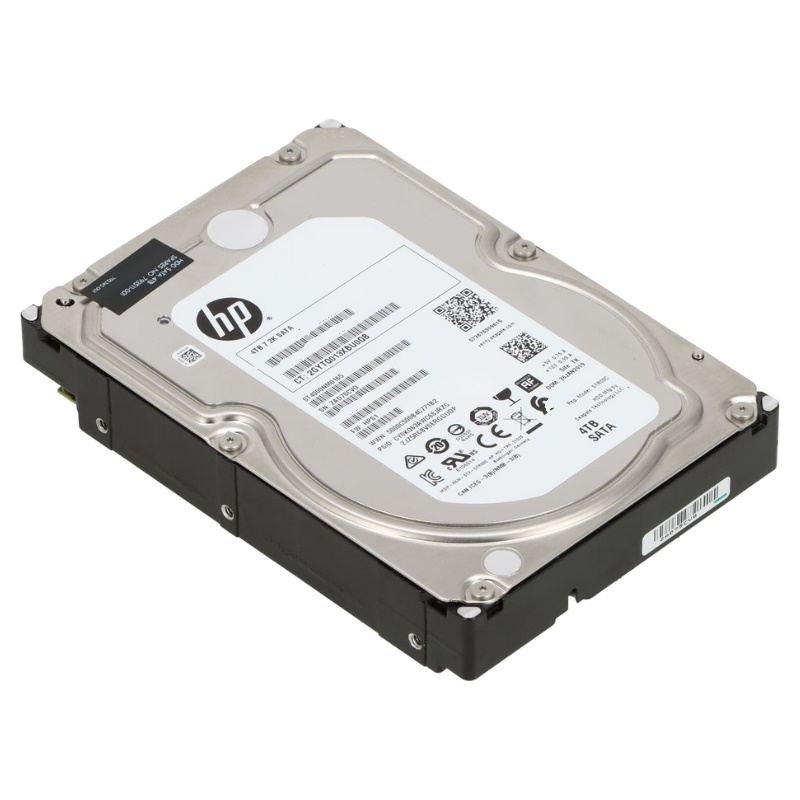


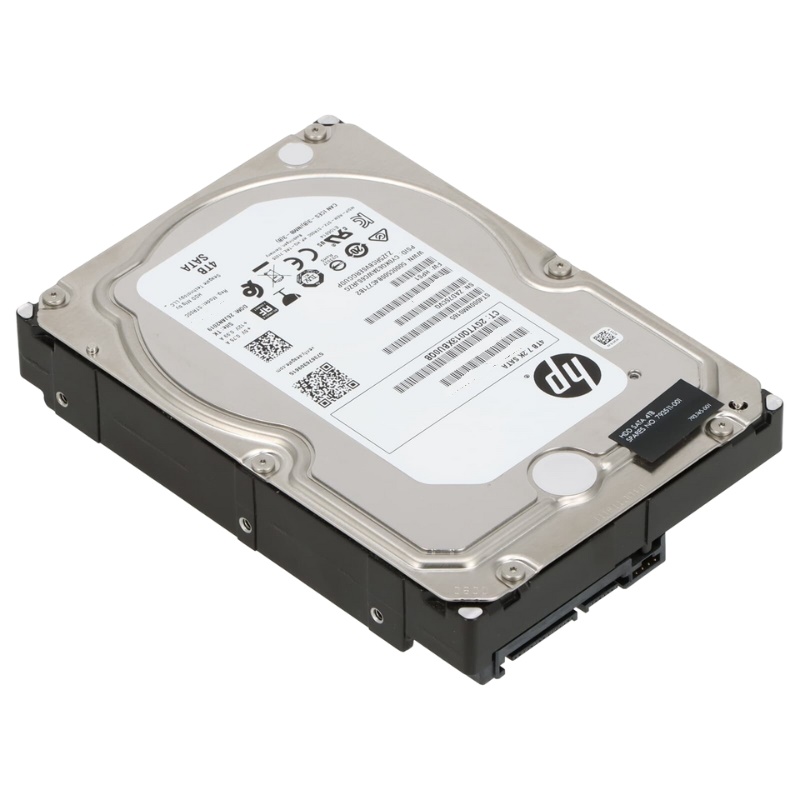
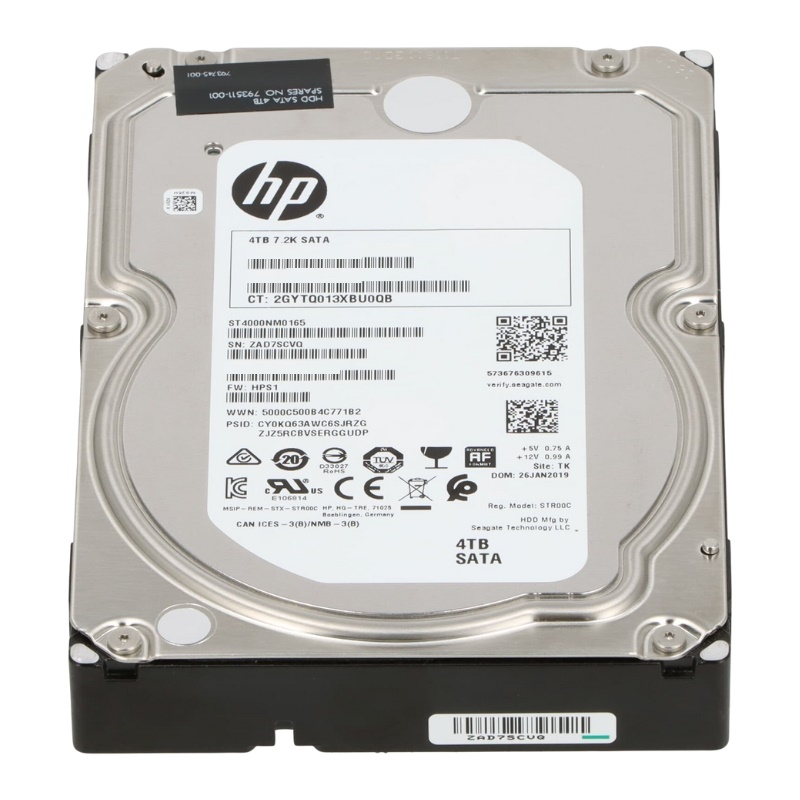
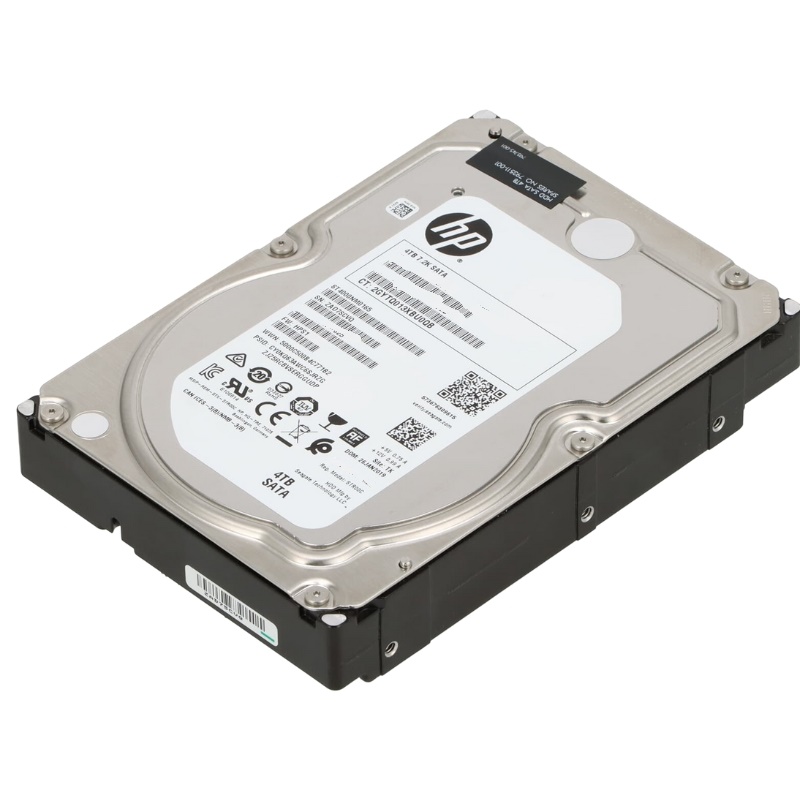
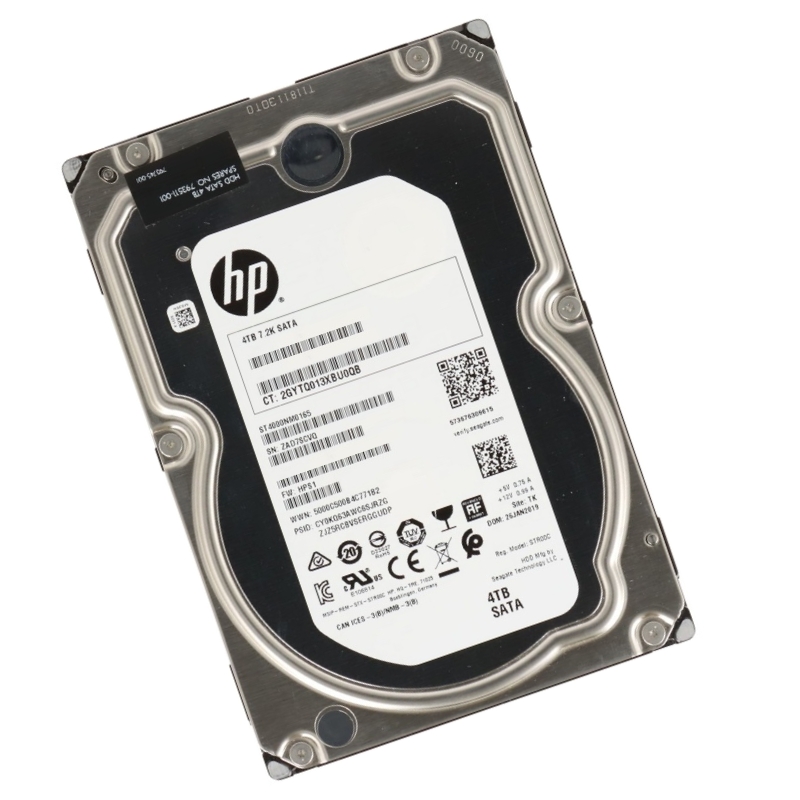
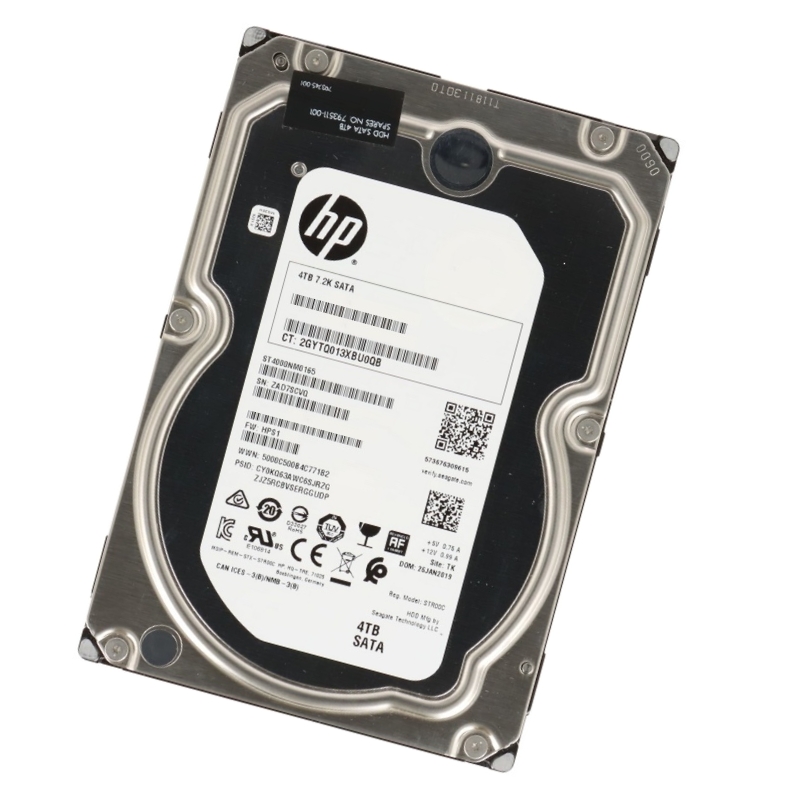
HPE MB004000GWFWB 4TB SATA 6G Midline 7.2K RPM LFF (3.5in) SC Digitally Signed Firmware Hard Drive With Tray. Excellent Refurbished with 1 year replacement warranty
The HPE MB004000GWFWB is a high-capacity 4TB hard disk designed for enterprise-grade environments. Built to handle demanding workloads, this drive offers dependable storage expansion for servers, data centers, and business-critical systems. Its digitally signed firmware enhances security while ensuring compatibility with HPE infrastructures.
The HPE MB004000GWFWB 4TB SATA 6G Midline 7.2K RPM LFF (3.5-inch) SC Digitally Signed Firmware Hard Disk Drive with Tray represents a specialized category of enterprise-grade storage solutions engineered to deliver dependable performance, scalability, and data integrity in modern IT environments. This category is particularly focused on high-capacity midline drives that strike a balance between performance and cost efficiency, making them suitable for bulk storage, archival systems, backup solutions, and data-intensive applications within enterprise infrastructures.
As businesses continue to generate and manage vast volumes of data, the demand for reliable, high-capacity storage devices has significantly increased. The HPE midline drive category is designed to meet these evolving requirements by offering optimized storage density, enhanced firmware security, and compatibility with a wide range of server and storage platforms. The inclusion of digitally signed firmware further elevates this category by ensuring that only authenticated and trusted firmware is executed, thereby protecting systems from malicious attacks and unauthorized modifications.
Midline hard drives, such as the HPE MB004000GWFWB, occupy a unique position between entry-level desktop drives and high-performance enterprise drives. They are engineered for environments that demand higher workload capabilities than standard consumer drives but do not necessarily require the ultra-high performance of mission-critical drives. This category is particularly suitable for applications that involve large-scale data storage, moderate access frequencies, and cost-conscious deployments.
These drives typically operate at 7,200 revolutions per minute, providing a balanced level of performance and energy efficiency. The SATA 6G interface ensures sufficient data transfer speeds for bulk storage tasks while maintaining compatibility with a wide range of systems. The large form factor (LFF) 3.5-inch design allows for greater storage capacity compared to smaller form factor drives, making them ideal for data centers and enterprise storage arrays.
The 4TB capacity offered within this category addresses the growing need for scalable storage solutions capable of handling large datasets. Organizations dealing with multimedia content, database management, cloud storage, and backup systems benefit significantly from this level of capacity. The ability to store large volumes of data on a single drive reduces the need for multiple disks, thereby simplifying storage architecture and lowering operational complexity.
This capacity also supports long-term data retention strategies, which are essential for compliance, auditing, and historical data analysis. Enterprises can efficiently manage their storage infrastructure by deploying fewer drives while still meeting their storage demands, leading to improved energy efficiency and reduced hardware footprint.
One of the defining characteristics of this category is the inclusion of digitally signed firmware. This feature represents a significant advancement in storage security, addressing the growing concerns surrounding firmware-level attacks. Digitally signed firmware ensures that only code verified and approved by the manufacturer is executed on the drive, preventing the installation of malicious or unauthorized firmware.
In enterprise environments, where data security is paramount, this feature provides an additional layer of protection that complements existing security measures. It helps safeguard sensitive data, maintain system integrity, and reduce the risk of data breaches caused by compromised storage devices.
Compliance with industry regulations and data governance standards is a key concern for many organizations. The security features embedded within this category support compliance efforts by ensuring that storage devices adhere to strict security protocols. Digitally signed firmware helps organizations meet regulatory requirements related to data protection, integrity, and auditability.
This capability not only reduces the risk of non-compliance but also enhances overall data governance by providing a secure foundation for data storage and management. Organizations can implement comprehensive data protection strategies with confidence, knowing that their storage infrastructure is built on trusted and verified components.
The performance profile of this category is defined by the 7,200 RPM rotational speed and SATA 6G interface. While not designed for high-performance transactional workloads, these drives offer sufficient speed for a wide range of enterprise applications. The SATA interface provides a reliable and cost-effective solution for data transfer, making it a popular choice for bulk storage environments.
The balance between performance and cost efficiency is a key advantage of this category. Organizations can achieve reliable data access and storage without incurring the higher costs associated with faster, high-performance drives. This makes HPE midline drives an attractive option for businesses looking to optimize their storage investments.
Consistency in data access is a critical factor in enterprise storage environments. The 7.2K RPM drives in this category are designed to deliver stable and predictable performance, ensuring that data can be accessed reliably when needed. This is particularly important for applications such as file storage, backup systems, and content repositories, where consistent performance is more important than peak speed.
The robust design and rigorous testing processes associated with HPE drives further enhance their reliability. These drives are built to withstand the demands of continuous operation in enterprise environments, providing long-term performance and durability.
The 3.5-inch large form factor design is a defining feature of this category, offering several advantages in terms of capacity, performance, and cost efficiency. Larger drives can accommodate more platters, allowing for higher storage capacities compared to smaller form factor drives. This makes them ideal for applications that require substantial storage space.
The LFF design also contributes to better thermal management and durability, as the larger physical size allows for improved heat dissipation. This is particularly important in data center environments, where maintaining optimal operating temperatures is essential for ensuring the longevity and reliability of storage devices.
Durability is a critical consideration in enterprise storage environments, where drives are often subjected to continuous operation and heavy workloads. The HPE MB004000GWFWB and similar drives in this category are designed to withstand these conditions, offering robust construction and reliable performance over extended periods.
The inclusion of a tray further enhances durability and ease of installation, allowing for quick and secure integration into compatible systems. This feature simplifies maintenance and reduces the risk of damage during installation or replacement.
Compatibility is a crucial aspect of this category, as enterprise storage solutions must integrate seamlessly with existing infrastructure. The HPE midline drives are specifically designed to work with HPE ProLiant servers and storage arrays, ensuring optimal performance and reliability. This compatibility extends to firmware, hardware interfaces, and management tools, providing a cohesive and streamlined storage experience.
By using drives that are certified and validated for specific systems, organizations can avoid compatibility issues and ensure that their storage infrastructure operates at peak efficiency. This also simplifies system management, as administrators can rely on integrated tools and support services provided by HPE.


 Contact Us
 Information
 Catalog
 Solid State Drives (SSD)
 Network Switches
 Hard Disk Drives
 HBA & Controllers
 PC & Servers
 PC & Server Memory
 CPU & Processors
 Network Routers
 Power Supplies
 Tape Drives & Libraries
 Network Devices
 Computer & Network Cables