(7% discount is applied at checkout)
Cart is empty
Your go-to destination for cutting-edge server products
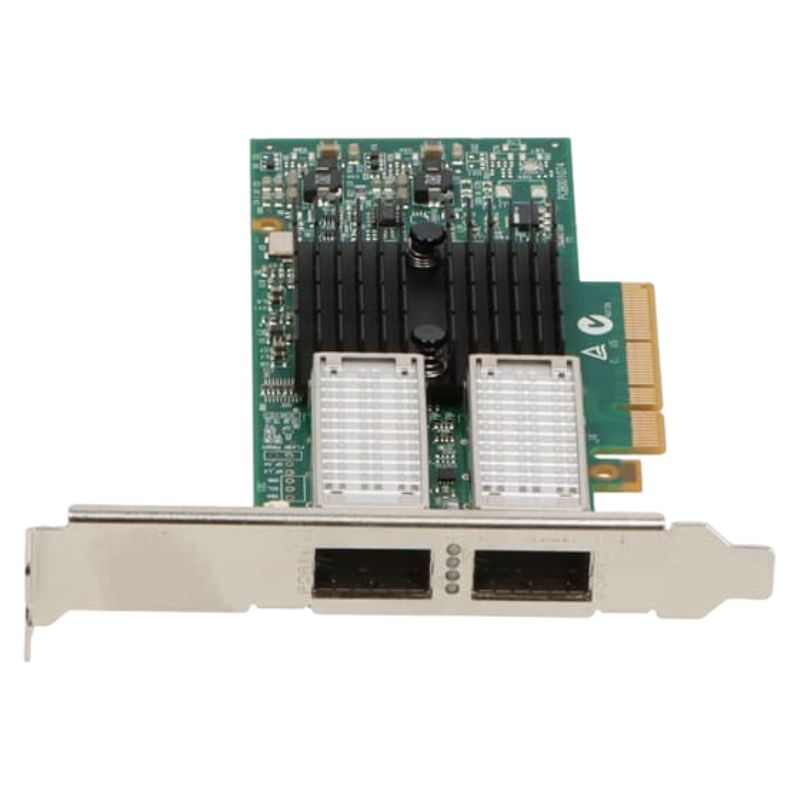


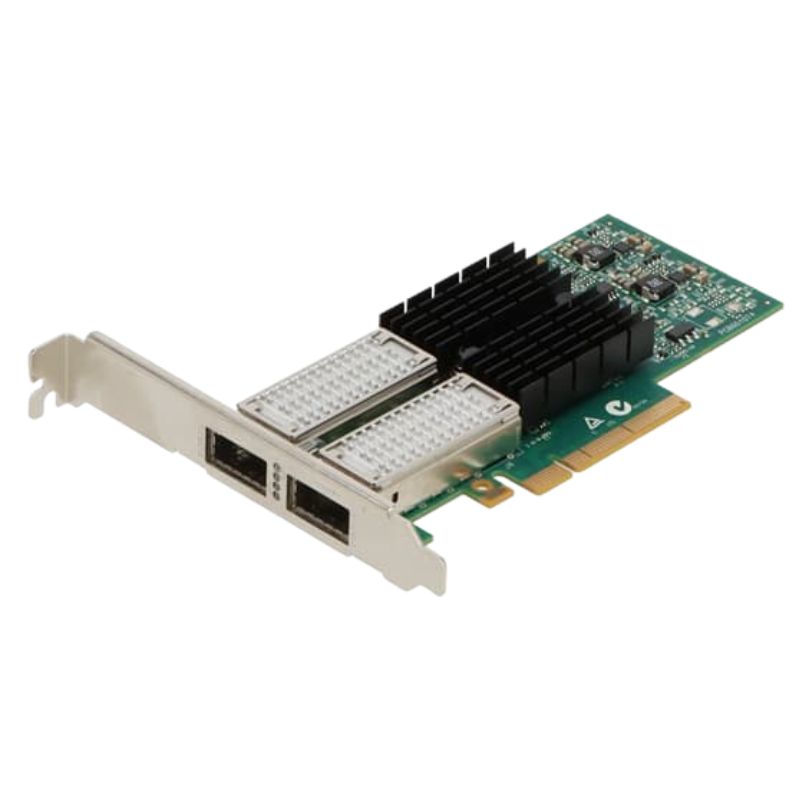
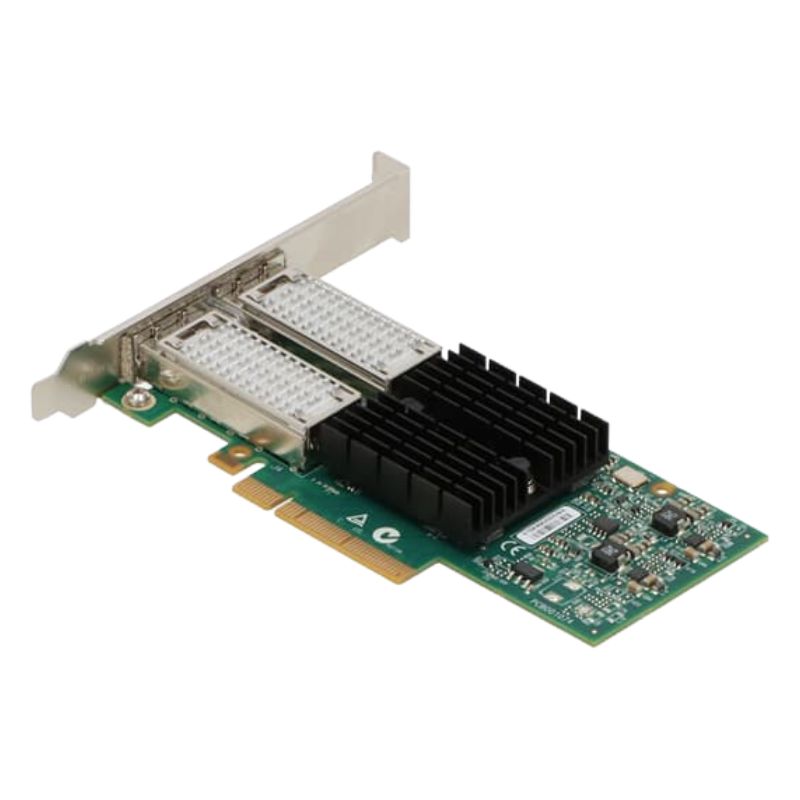
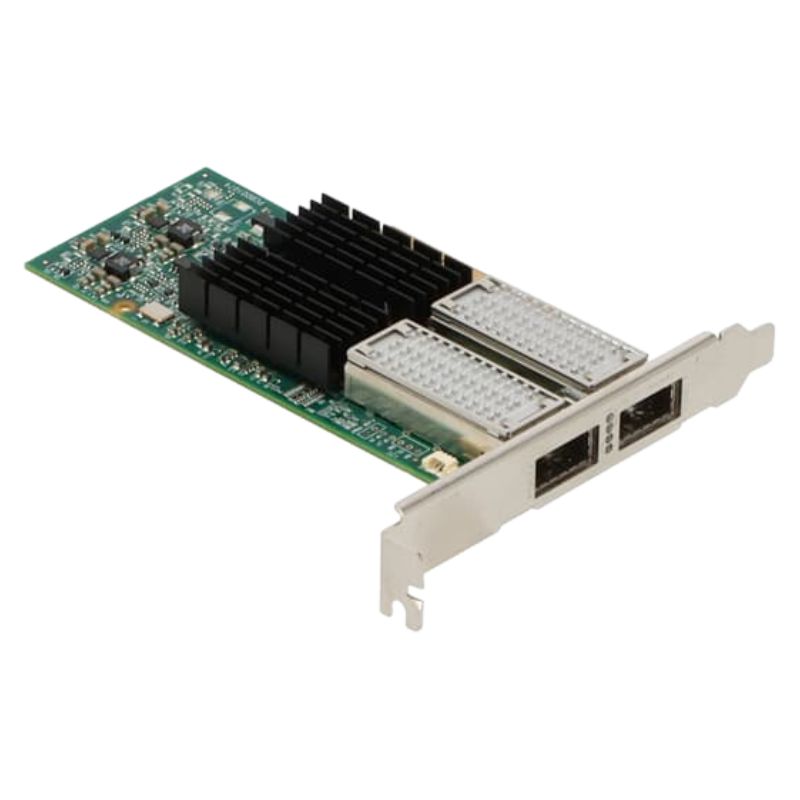
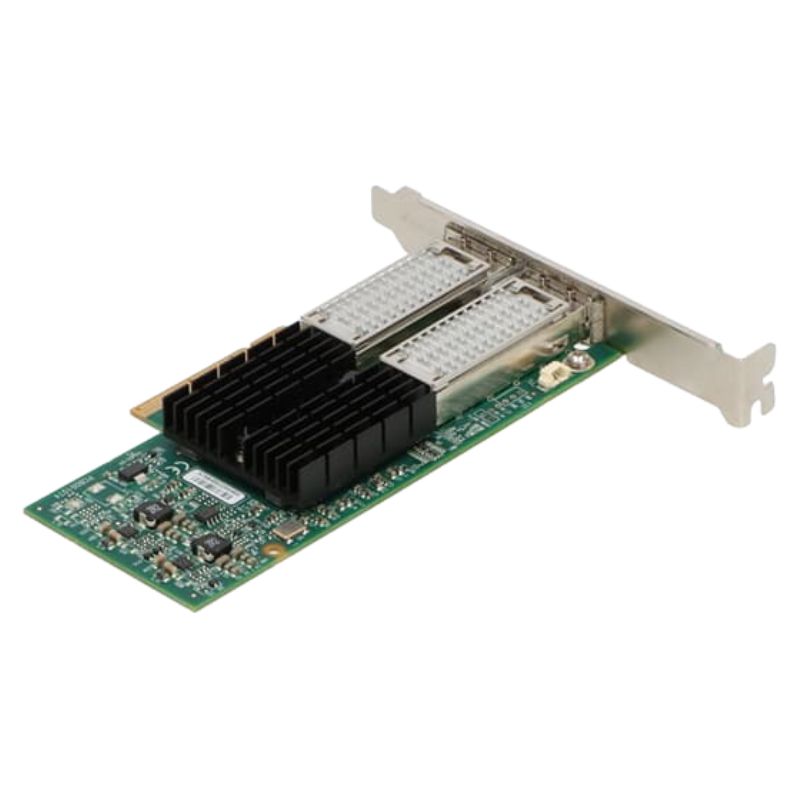
HPE 764736-001 Infiniband Fdr/Ethernet 10GB/40GB 2 Port 544+Qsfp Adapter. Excellent Refurbished with 1 year replacement warranty
The HPE 764736-001 Infiniband FDR/Ethernet Adapter is a high-performance dual-port solution designed for enterprise servers. With support for both 10Gb and 40Gb Ethernet as well as Infiniband FDR, it ensures fast, reliable, and scalable connectivity for modern data centers.
The HPE 764736-001 InfiniBand FDR / Ethernet 10Gb/40Gb 2-Port 544+ QSFP Adapter represents a high-performance converged network interface solution designed for modern enterprise data centers, high-performance computing environments, virtualization clusters, and storage-intensive infrastructures. This category of adapter is engineered to deliver flexible connectivity options, allowing seamless switching between InfiniBand fabric interconnects and Ethernet networking, making it a critical component for scalable, low-latency, and high-throughput computing architectures.
As enterprise IT environments evolve toward hybrid workloads and massively parallel computing systems, demand for adaptable and ultra-fast network adapters continues to grow. This adapter category supports both InfiniBand FDR (Fourteen Data Rate) and Ethernet standards, ensuring compatibility across diverse networking ecosystems. With dual-port QSFP interface design, it provides enhanced bandwidth aggregation and redundancy capabilities that support mission-critical operations.
The core architectural principle behind this adapter category is convergence. Instead of requiring separate network interface cards for InfiniBand and Ethernet connectivity, this solution integrates both technologies into a unified hardware platform. This convergence reduces hardware complexity, lowers operational costs, and simplifies data center network topology while maintaining extremely high performance levels.
InfiniBand FDR technology provides ultra-low latency communication optimized for HPC workloads, while Ethernet compatibility ensures interoperability with standard enterprise networking infrastructure. The dual-mode operation enables administrators to dynamically adapt the adapter usage based on workload requirements and network configuration strategies.
The adapter utilizes QSFP+ (Quad Small Form-factor Pluggable Plus) interfaces, which are designed for high-density and high-bandwidth networking environments. Each port is capable of handling multiple lanes of high-speed data transmission, allowing efficient throughput scaling up to 40Gb per port in Ethernet mode or equivalent performance in InfiniBand mode.
The dual-port design provides redundancy and load balancing capabilities, ensuring continuous network availability. In enterprise environments where downtime is unacceptable, this structural design contributes significantly to fault tolerance and network resilience.
Signal integrity plays a crucial role in maintaining stable high-speed data transmission. The adapter category incorporates advanced error correction mechanisms, lane alignment technologies, and optimized PCB layouts to minimize signal degradation. This ensures consistent performance even under sustained high-throughput workloads.
One of the defining characteristics of this adapter category is its ability to deliver extremely high bandwidth throughput. In Ethernet mode, each port supports up to 40Gbps, while in InfiniBand FDR mode, the adapter achieves comparable ultra-low-latency throughput suitable for tightly coupled computational tasks. This makes it ideal for environments where large-scale data movement is a daily requirement.
The architecture is designed to reduce packet processing overhead and maximize data pipeline efficiency. This ensures that applications relying on real-time data exchange experience minimal bottlenecks.
Latency is a critical factor in high-performance computing environments. The adapter category is optimized to minimize communication delays between compute nodes. InfiniBand FDR technology inherently supports sub-microsecond latency, enabling rapid synchronization between distributed systems.
This low-latency design is especially beneficial in scientific computing, financial modeling, and artificial intelligence training workloads where computational efficiency is tightly coupled with network responsiveness.
The adapter supports highly parallel data processing pipelines, enabling simultaneous transmission and reception across both ports. This parallelism enhances overall system efficiency and reduces congestion in high-demand environments.
The HPE 764736-001 adapter category is designed for seamless integration with HPE ProLiant server families. These servers are widely used in enterprise data centers and cloud infrastructure deployments, making compatibility a key design consideration.
The adapter works in conjunction with system firmware and HPE management tools to ensure optimal configuration and performance tuning. This integration allows IT administrators to deploy the adapter with minimal configuration overhead while maintaining enterprise-grade stability.
Modern virtualization platforms require efficient network I/O to handle multiple virtual machines and containerized workloads. This adapter category provides hardware acceleration features that reduce CPU overhead and improve virtual machine density.
By offloading network processing tasks from the CPU, the adapter enables better resource allocation within virtual environments, increasing overall system efficiency.
The adapter is optimized for compatibility with major hypervisors, ensuring that virtual switches and network bridges operate efficiently. This reduces latency between virtual machines and enhances data throughput consistency.
The adapter operates with firmware-level optimization that enhances packet processing efficiency and ensures compatibility with HPE management ecosystems. Firmware updates provide ongoing performance improvements and security enhancements.
The adapter category supports multiple operating systems commonly used in enterprise environments, ensuring broad compatibility and deployment flexibility. Drivers are optimized for performance and stability under heavy network loads.
System-level integration ensures that the adapter communicates efficiently with hardware abstraction layers and network stacks, reducing overhead and improving throughput consistency.
Scalability is a key factor in modern data center design. This adapter category supports scalable deployment across thousands of nodes, enabling consistent performance in large distributed systems.
Proper network topology design enhances the effectiveness of this adapter category. Spine-leaf architectures and fat-tree topologies are commonly used in conjunction with InfiniBand and high-speed Ethernet deployments.
Efficient bandwidth allocation ensures that critical workloads receive priority network resources. This adapter supports dynamic bandwidth distribution based on workload demands.
Security in high-speed networks is essential for protecting sensitive enterprise data. This adapter category supports secure transmission protocols that help safeguard data integrity during transfer.
In cloud and virtualized environments, network isolation ensures that workloads remain separated and secure. The adapter supports segmentation features that enhance multi-tenant security.
Optimizing throughput involves configuring system parameters, buffer sizes, and network routing policies. This adapter category allows fine-tuning to achieve maximum performance based on workload type.
Reducing latency involves minimizing processing overhead and optimizing data paths. The adapter’s architecture is designed to support these strategies effectively.
Different workloads such as AI training, database processing, and virtualization require different optimization approaches. This adapter category provides flexibility to adapt to each scenario efficiently.


 Contact Us
 Information
 Catalog
 Solid State Drives (SSD)
 Network Switches
 Hard Disk Drives
 HBA & Controllers
 PC & Servers
 PC & Server Memory
 CPU & Processors
 Network Routers
 Power Supplies
 Tape Drives & Libraries
 Network Devices
 Computer & Network Cables