(7% discount is applied at checkout)
Cart is empty
Your go-to destination for cutting-edge server products


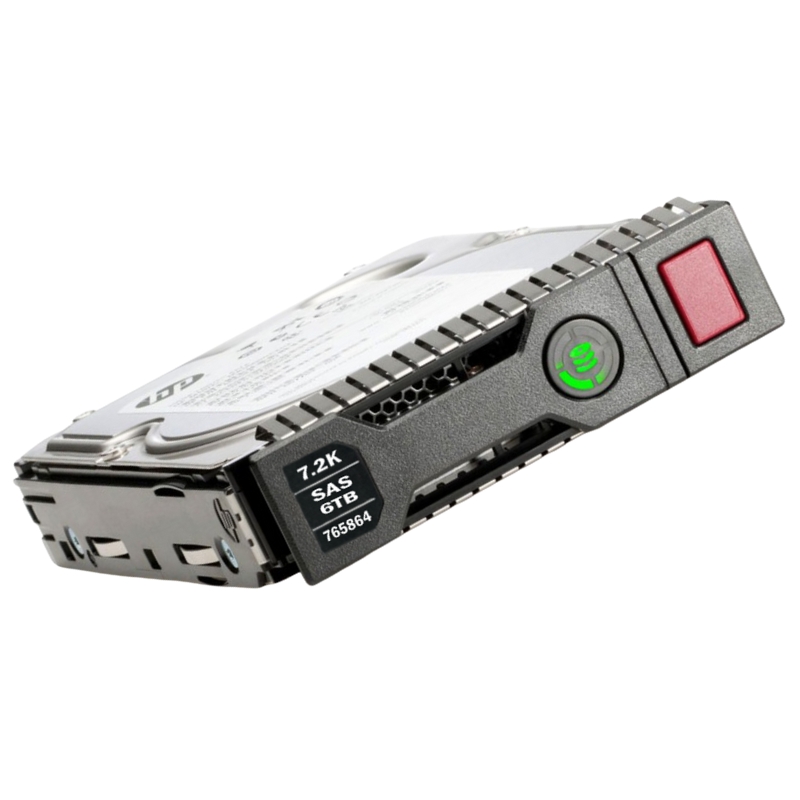
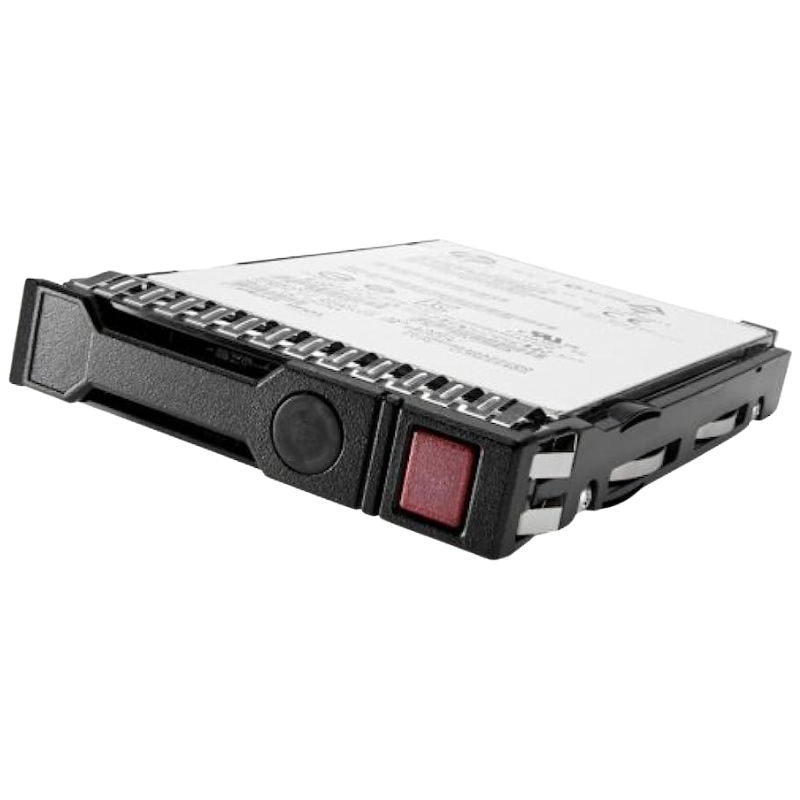
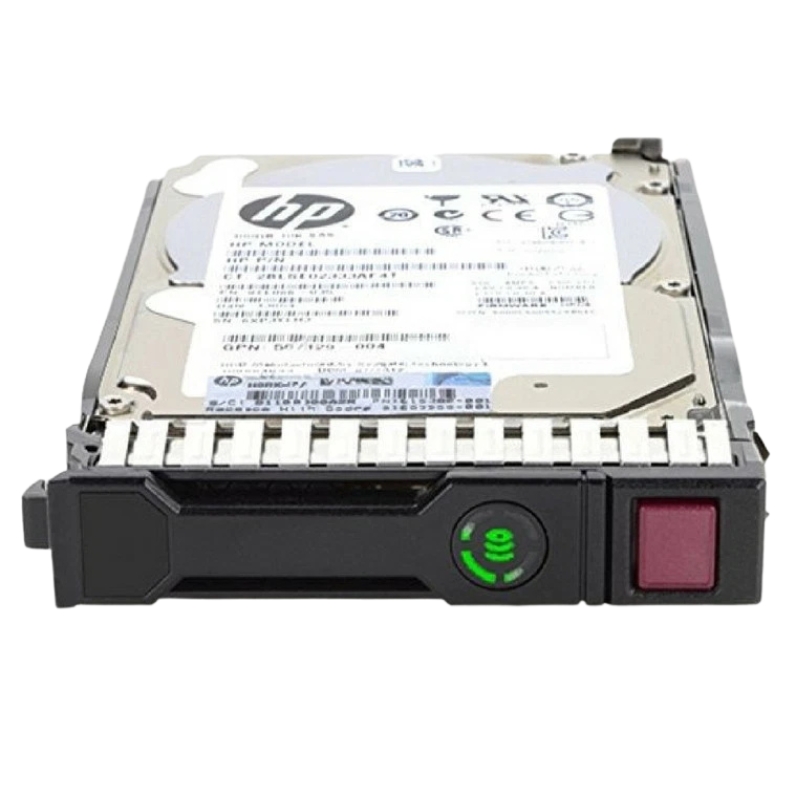
The HPE 765252-002 is a high-capacity 6TB enterprise-class SAS hard disk drive engineered for dependable performance in data-intensive server environments. Designed with a 3.5-inch large form factor (LFF), it delivers stable storage efficiency for business-critical workloads and scalable infrastructure deployments.
Built for reliability and continuous operation, this SAS drive integrates advanced engineering suitable for modern enterprise storage systems.
The LFF design improves airflow efficiency and supports higher capacity storage expansion in enterprise-grade server racks and storage arrays.
The enterprise storage ecosystem continues to evolve around high-capacity, reliable, and performance-balanced mechanical drives, and the HPE 765252-002 6TB 7.2K RPM SAS 12Gbps LFF Hard Disk Drive category represents one of the most widely deployed solutions in large-scale data centers, hybrid storage infrastructures, and mission-critical server environments. Designed for compatibility with Hewlett Packard Enterprise storage systems, this class of drive is engineered to support sustained workloads, scalable storage expansion, and long-term operational durability. In modern IT architectures where data growth is exponential, the demand for cost-effective bulk storage remains high, making this category a fundamental building block for enterprise-level infrastructure.
This category is particularly relevant for organizations that require high-capacity spinning disk storage with balanced performance characteristics. Unlike SSD-centric environments that prioritize ultra-low latency, SAS hard drives like this model focus on achieving a reliable equilibrium between capacity, throughput, and cost efficiency. The 6TB capacity provides substantial room for archival data, virtualization repositories, backup environments, surveillance storage, and big data workloads. The 7,200 RPM rotational speed ensures consistent mechanical performance, while the 12Gbps SAS interface delivers high-speed connectivity suitable for multi-drive enterprise arrays.
Within enterprise storage architectures, this category of drive is typically deployed in scalable SAN (Storage Area Network) and DAS (Direct Attached Storage) environments. Its role is essential in tiered storage configurations, where data is classified according to frequency of access. Frequently accessed data is often placed on SSD or high-RPM SAS drives, while less frequently accessed information is allocated to high-capacity 7.2K RPM drives like this category. This enables organizations to optimize cost per terabyte while maintaining acceptable performance levels for large datasets.
In data centers, workload balancing is a critical concern. The HPE SAS 6TB 7.2K RPM class is commonly used for sequential read/write workloads, such as backup operations, log storage, and media streaming repositories. Its design prioritizes sustained throughput rather than burst performance, making it ideal for environments where large continuous data transfers are more common than random I/O operations. This makes the category highly relevant in enterprise backup solutions and disaster recovery systems.
Virtualized environments benefit significantly from high-capacity SAS drives. Virtual machine snapshots, container storage layers, and virtual disk images require stable and predictable storage performance. The HPE 765252-002 6TB 7.2K RPM SAS 12Gbps LFF Hard Disk Drive category ensures that virtualization clusters maintain consistent storage availability without excessive cost overhead. Cloud service providers also rely on such drives for backend storage pools where redundancy and scalability are more important than ultra-low latency.
The engineering behind this category of hard disk drive is based on proven magnetic storage principles optimized for enterprise workloads. The 7.2K RPM spindle speed allows the drive to maintain a balance between energy efficiency and mechanical throughput. While higher RPM drives exist, they typically consume more power and generate more heat, which can be a limiting factor in dense rack deployments. This category prioritizes thermal stability and endurance over maximum speed.
The Serial Attached SCSI (SAS) 12Gbps interface is a defining feature of this category. It enables full-duplex communication between the drive and the storage controller, ensuring higher data integrity and improved queue depth handling compared to SATA alternatives. This results in better performance in multi-user environments where simultaneous read and write requests are common. The dual-port architecture also enhances redundancy, allowing failover support in enterprise storage arrays.
One of the most important performance characteristics of SAS drives is their ability to handle deep command queues. In enterprise systems, multiple applications often access storage simultaneously. The drive’s firmware is optimized to prioritize and reorganize I/O requests efficiently, reducing latency spikes and ensuring consistent throughput. This capability is particularly important in transactional databases and enterprise resource planning systems where data consistency and access speed must be maintained under heavy load.
The Large Form Factor (LFF) design, typically 3.5 inches, allows this category of drive to deliver higher storage density per unit compared to smaller form factors. LFF drives are commonly used in storage enclosures where physical space is optimized for maximum capacity rather than compactness. This makes them ideal for archival systems, backup arrays, and cold storage environments.
The physical size of LFF drives allows for improved heat dissipation. In high-density server racks, thermal management is a critical concern. This category benefits from reduced thermal stress, which contributes to longer operational lifespan and lower failure rates. Mechanical stability is also enhanced due to larger platters and improved vibration tolerance, which is essential in multi-drive chassis environments.
The performance profile of this drive category is defined by consistent throughput rather than peak burst speeds. Sequential read and write operations are optimized for large datasets, making the drive suitable for workloads that prioritize sustained data movement. In backup and archival systems, where data is written in large blocks, this category performs efficiently without introducing bottlenecks.
Enterprise-grade drives in this category are engineered with high MTBF ratings, ensuring long-term reliability in 24/7 operational environments. Redundant storage systems often rely on predictive failure monitoring, and these drives are designed to integrate seamlessly into such monitoring frameworks. Firmware-level diagnostics continuously evaluate drive health, enabling proactive replacement strategies in enterprise infrastructure.
This category is designed for moderate to heavy workloads typical of enterprise storage systems. It is not intended for extreme write-intensive database applications but performs exceptionally well in mixed-read environments. Backup repositories, file storage servers, and content distribution systems are common use cases where endurance and reliability are prioritized over ultra-low latency.
Hewlett Packard Enterprise storage systems are designed with compatibility and scalability in mind, and this category of hard drive integrates seamlessly into HPE ProLiant servers, storage arrays, and modular storage enclosures. The firmware alignment between the drive and HPE systems ensures optimized performance tuning, error handling, and system-level monitoring.
In many HPE deployments, drives in this category are installed using smart carriers that support hot-swapping. This allows administrators to replace or upgrade drives without system downtime. The hot-swap capability is essential in enterprise environments where uptime is critical and maintenance windows are limited.
HPE systems incorporate advanced diagnostics that continuously monitor drive health metrics such as temperature, read/write errors, and vibration levels. This integration ensures that potential issues are detected early, reducing the risk of data loss and system interruptions. The predictive analysis capabilities further enhance operational stability across large storage clusters.
One of the key advantages of this category is its scalability. Enterprises can expand storage capacity incrementally by adding additional drives to existing arrays without major infrastructure redesigns. This modular expansion model is cost-effective and allows organizations to respond dynamically to growing data requirements.
Drives in this category are commonly deployed in RAID configurations such as RAID 5, RAID 6, and RAID 10. These configurations provide varying levels of redundancy and performance optimization depending on organizational requirements. The consistent performance characteristics of SAS drives make them suitable for maintaining parity calculations and data striping operations efficiently.
In RAID environments, fault tolerance is a critical requirement. The predictable failure behavior of enterprise SAS drives allows storage controllers to manage rebuild processes efficiently. In the event of a drive failure, replacement drives can be integrated without significant disruption, ensuring data integrity is preserved across the array.
Energy consumption is a significant factor in data center design. The 7.2K RPM configuration is optimized to balance performance with power efficiency. Compared to higher-speed drives, this category consumes less power per terabyte stored, making it suitable for large-scale deployments where operational costs must be controlled.
Lower rotational speeds result in reduced heat output, which directly impacts cooling requirements in server environments. Efficient thermal management reduces the load on HVAC systems, contributing to lower overall infrastructure costs. This makes the category particularly attractive for long-term archival storage systems where drives remain operational for extended periods with minimal access.
Data integrity is a cornerstone of enterprise storage design. This category includes advanced error correction algorithms and sector remapping technologies that ensure data remains consistent even under heavy workload conditions. Firmware updates provided within HPE ecosystems further enhance reliability by optimizing performance and addressing potential vulnerabilities.
Enterprise SAS drives include sophisticated error recovery mechanisms that detect and correct data inconsistencies before they escalate into system-level issues. These mechanisms are essential in environments where data corruption cannot be tolerated, such as financial systems, healthcare databases, and compliance-driven storage archives.


 Contact Us
 Information
 Catalog
 Solid State Drives (SSD)
 Network Switches
 Hard Disk Drives
 HBA & Controllers
 PC & Servers
 PC & Server Memory
 CPU & Processors
 Network Routers
 Power Supplies
 Tape Drives & Libraries
 Network Devices
 Computer & Network Cables