(7% discount is applied at checkout)
Cart is empty
Your go-to destination for cutting-edge server products
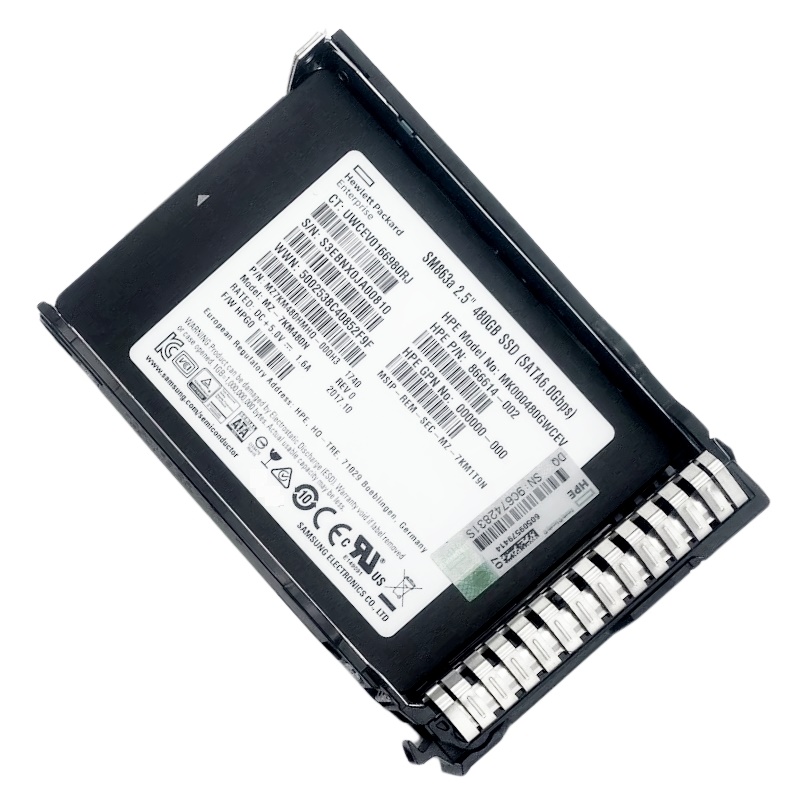


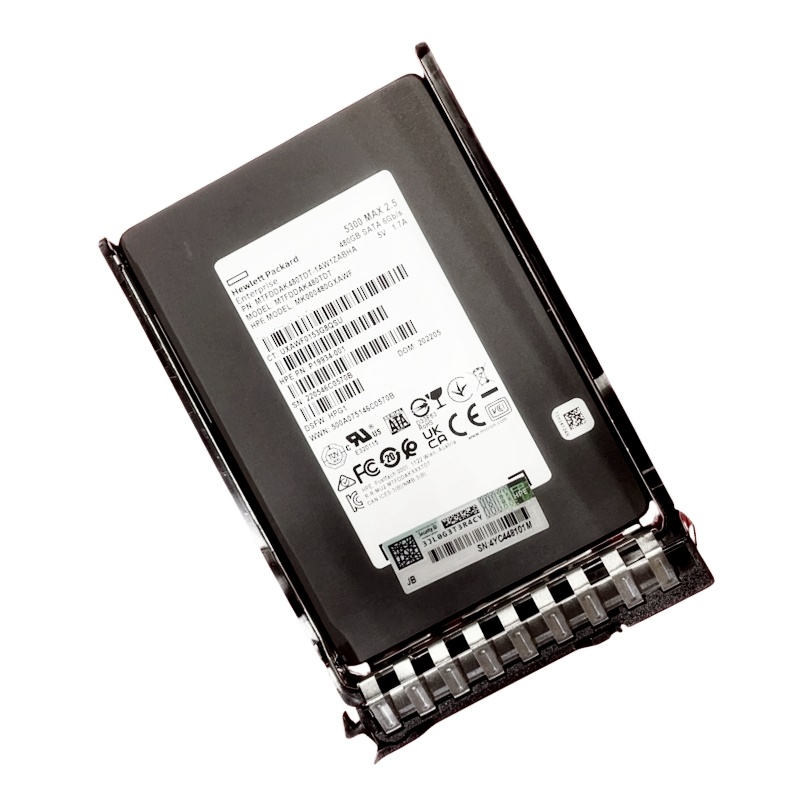
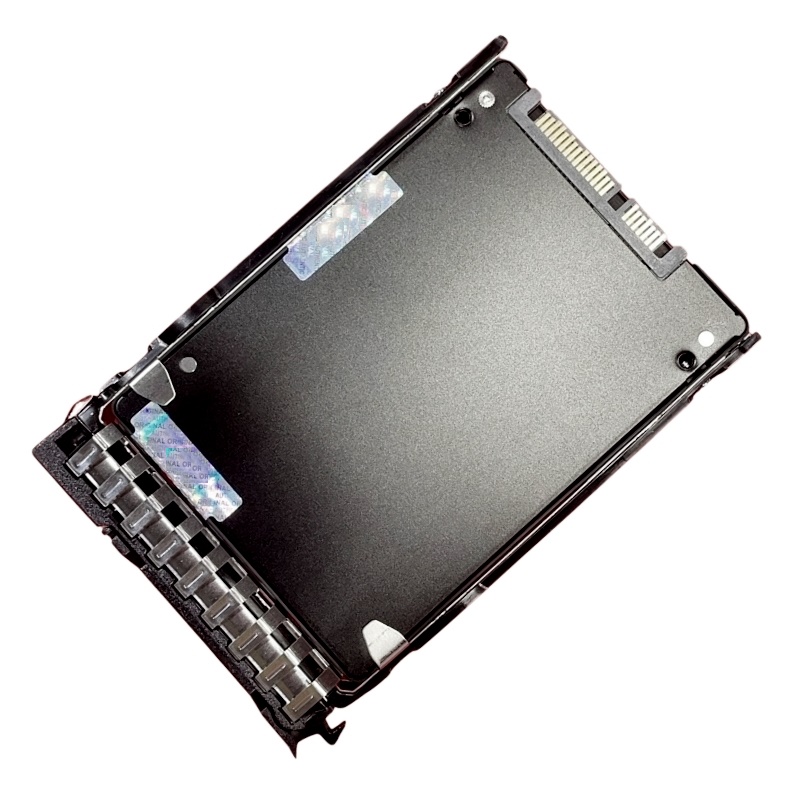
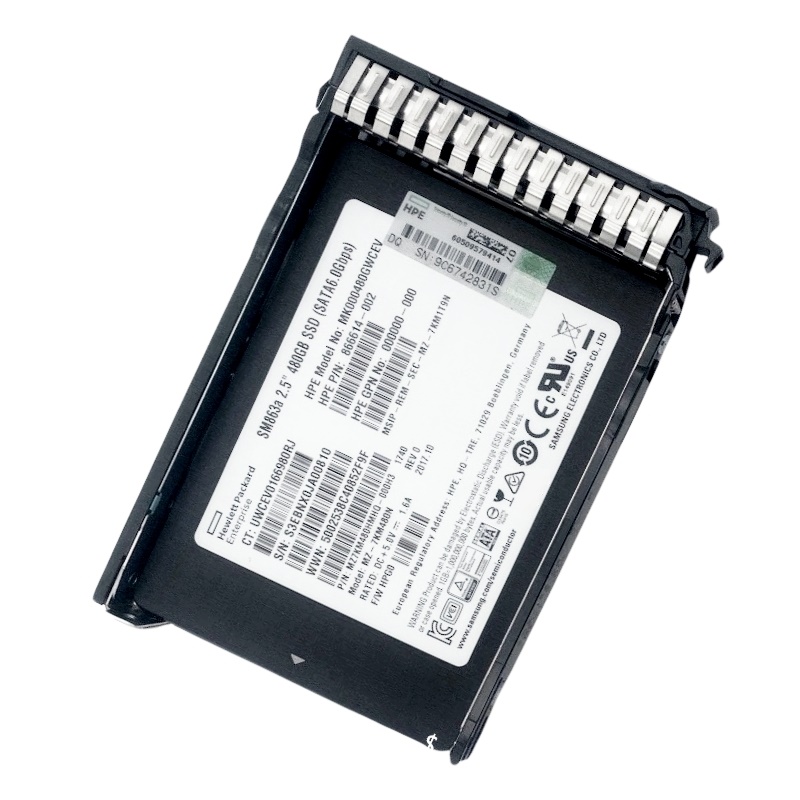
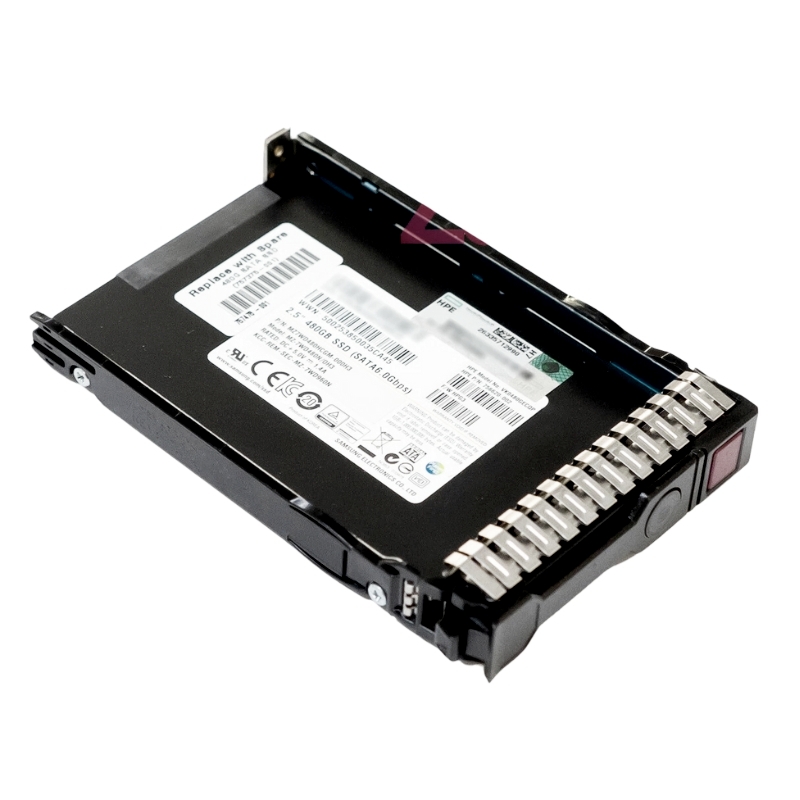
HPE 817108-001 480GB SATA 6GBPS Mixed Use 3.5 Inch SSD. New (System) Pull with 1 year replacement warranty
The HPE 817108-001 is a reliable solid-state drive engineered for balanced performance and endurance. Tailored for enterprise environments, it combines optimal speed with dependable data retention, making it a versatile choice for mixed workload systems.
Designed for consistent data throughput, this SSD is perfect for applications requiring steady performance without compromise.
This HPE solid-state drive ensures a stable and efficient connection, thanks to its industry-standard interface.
Crafted with eco-conscious materials and certified for global standards, this SSD aligns with sustainable IT practices.
The 817108‑001 HPE 480GB SATA 6Gbps Mixed‑Use 3.5‑Inch SSD falls under high‑performance mixed‑workload solid‑state drives designed for data centers, servers, and demanding business environments. This category of drives bridges the gap between pure read‑intensive and write‑intensive SSDs, offering a versatile solution that supports substantial input/output operations per second (IOPS), consistent throughput, and endurance for mixed read/write workloads. Enterprises that require reliable storage for virtualization, database operations, caching, and tiered storage benefit most from this class of SSDs.
The mixed‑use classification means this SSD is built to handle a combination of heavy reads and moderate writes. Key endurance factors include:
Though specific wattage depends on operation, drives in this category typically employ efficient power draw under idle and active states, together with thermal designs (heat‑sink compatibility, airflow optimization) to maintain performance stability over extended periods.
This category of SSDs is designed with environmental responsibility in mind. Eco‑friendly coatings, recyclable packaging, and low‑power standby/idle modes contribute to reduced environmental impact and lower operating costs for large server deployments.
Mixed‑use SSDs like the 817108‑001 are particularly valuable in virtualized environments, supporting multiple virtual machines with read/write demands. They help reduce latency for VM boot storms, snapshots, and migrations.
For small‑to‑medium transactional databases, they provide reliable write performance and consistent reads, helping safeguard data integrity during high concurrent transactions. They accommodate log files, indices, and hot data caching without frequent failures.
Though not always the primary choice for cold or archival storage, mixed‑use SSDs can handle semi‑active backup sets or frequently accessed archive data, striking a balance between performance and cost without the latency of spinning disks or the expense of ultra‑high endurance SSDs.
Look beyond just capacity and throughput—strong endurance metrics (such as DWPD or TBW) are critical in mixed loads. Evaluate write amplification, wear leveling, and firmware support when choosing a drive from this category.
Read‑intensive models favor high sequential read performance, ideal for streaming or content delivery. Mixed‑use drives, conversely, are engineered to balance reads and writes, making them more versatile, though with slightly lower peak read performance.
High endurance drives endure far more write cycles and are built for write‑heavy workloads (e.g. logging, continuous data ingestion). Mixed‑use models offer a middle ground: better endurance than read‑optimized SSDs, lower cost than write‑intensive ones.
Ensure that firmware is kept up‑to‑date for security patches, performance optimizations, and bug fixes. Vendor support for repair or replacement and firmware distribution is pivotal in enterprise environments.
Deploy Redundant Array of Independent Disks (RAID) configurations, implement snapshot and backup solutions, and consider dual‑port or mirrored setups to protect against failures. Mixed‑use SSDs should be part of a strategy that anticipates wear and usage patterns.


 Contact Us
 Information
 Catalog
 Solid State Drives (SSD)
 Network Switches
 Hard Disk Drives
 HBA & Controllers
 PC & Servers
 PC & Server Memory
 CPU & Processors
 Network Routers
 Power Supplies
 Tape Drives & Libraries
 Network Devices
 Computer & Network Cables