Your go-to destination for cutting-edge server products
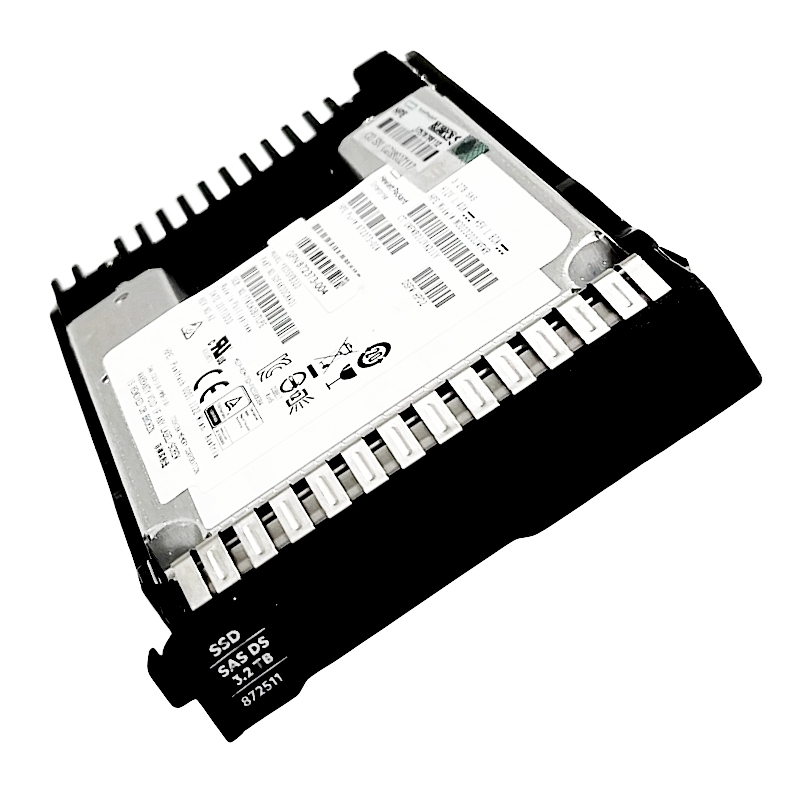
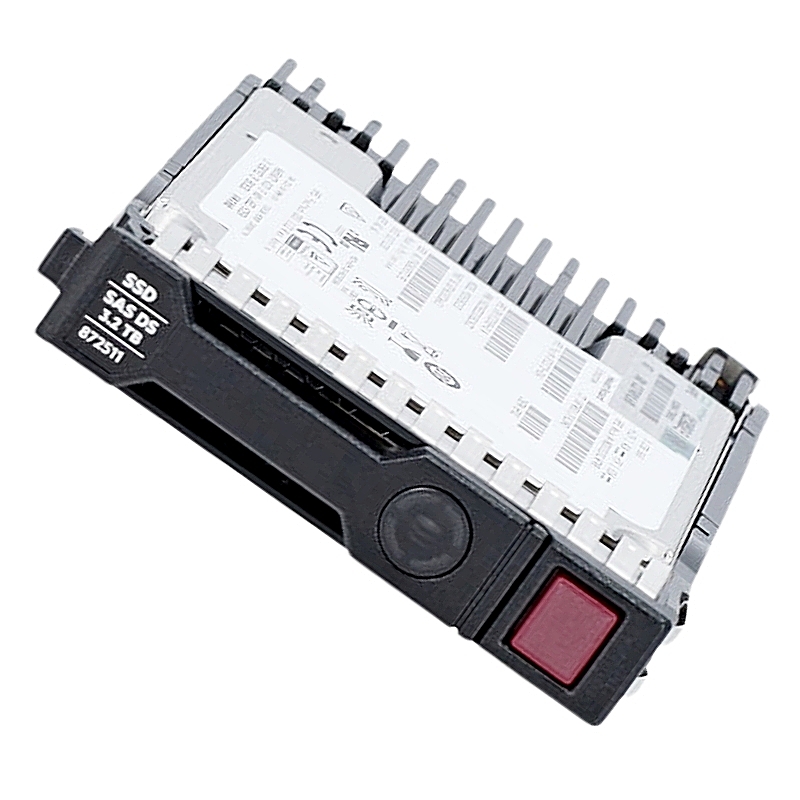
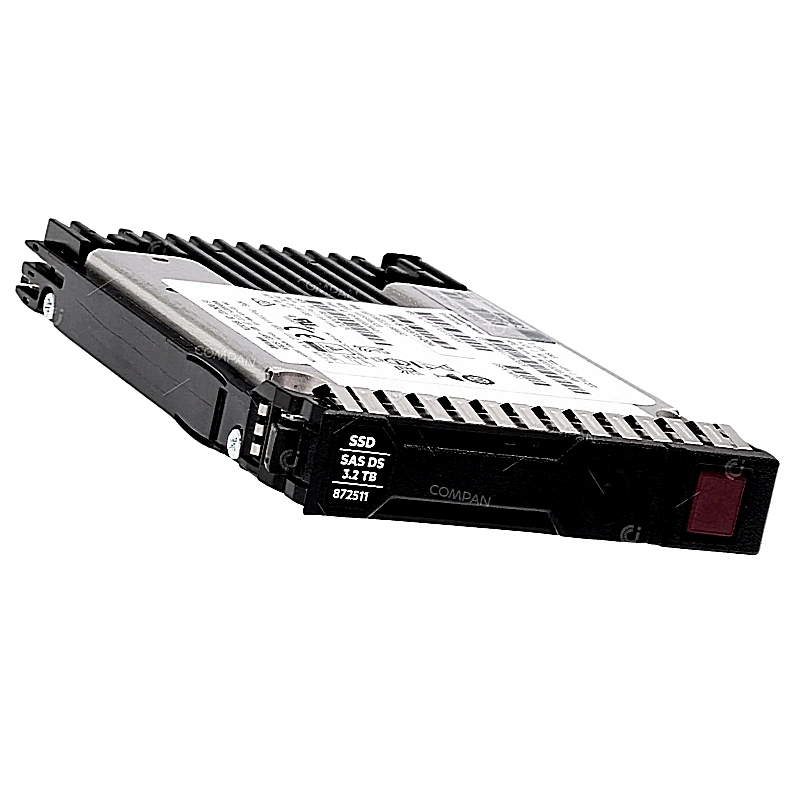
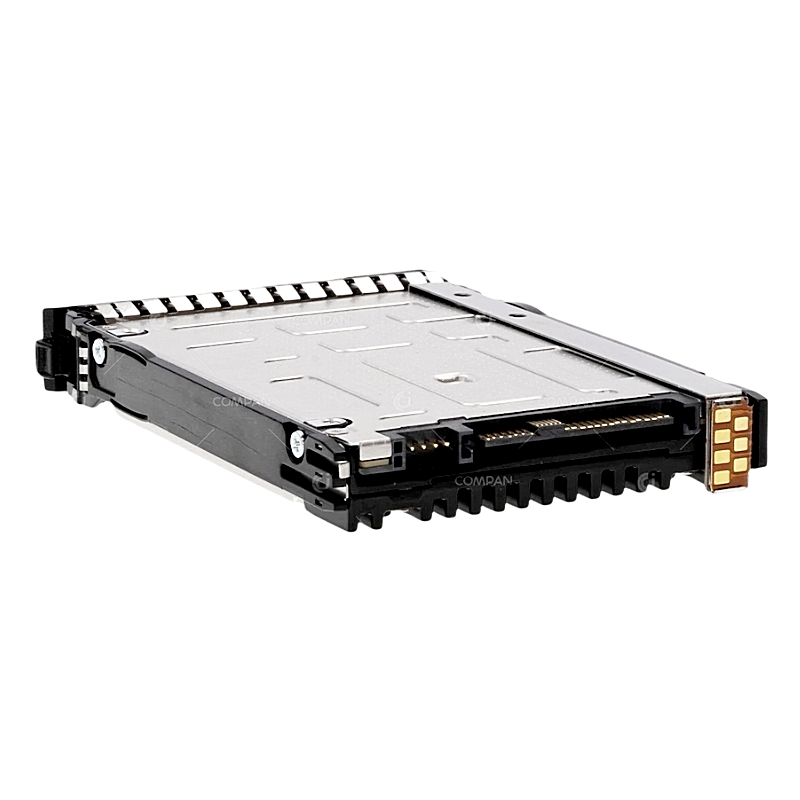
822790-001 HPE 3.2TB SAS 12GBPS Smart Carrier Mixed Use SSD.

822790-001
* Product may have slight variations vs. image
Hover on image to enlarge

Brief Overview of 822790-001

HPE 822790-001 3.2TB SAS 12GBPS Mixed Use Smart Carrier Solid State Drive. Factory-Sealed New in Original Box (FSB) with 3 Year Warranty

$1,814.40
$1,344.00
You save: $470.40 (26%)
Ask a question
+
Quote

Additional 7% discount at checkout

SKU/MPN822790-001Availability✅ In StockProcessing TimeUsually ships same day ManufacturerHPE Manufacturer Warranty3 Years Warranty from Original Brand Product/Item ConditionFactory-Sealed New in Original Box (FSB) with 3 Year Warranty ServerOrbit Replacement Warranty1 Year Warranty
Google Top Quality Store Customer Reviews
Our Advantages
Payment Options
  • — Visa, MasterCard, Discover, and Amex
  • — JCB, Diners Club, UnionPay
  • — PayPal, ACH/Bank Transfer (11% Off)
  • — Apple Pay, Amazon Pay, Google Pay
  • — Buy Now, Pay Later - Affirm, Afterpay
  • — GOV/EDU/Institutions PO's Accepted 
  • — Invoices
Delivery
  • — Deliver Anywhere
  • — Express Delivery in the USA and Worldwide
  • — Ship to -APO -FPO
  • For USA - Free Ground Shipping
  • — Worldwide - from $30
Description

Product Overview of HPE 3.2TB SAS 12GBPS SSD

The “822790‑001 HPE 3.2TB SAS 12 Gbps Smart Carrier Mixed‑Use SSD” category encompasses enterprise-class solid-state storage devices engineered for demanding workloads. This subcategory pertains to drives that combine high capacity, robust performance, and server-grade reliability. Systems integrators, data center operators, and IT procurement teams often evaluate drives in this category when they require mid-tier endurance, mixed read/write balance, and seamless integration with HPE server infrastructure.

General Information

  • Manufacturer: Hewlett Packard Enterprise (HPE)
  • Part Number: 822790-001
  • Drive Type: Mixed-use Solid-State Drive with Smart Carrier

Technical Specifications

  • Storage Capacity: 3.2 Terabytes of solid-state storage
  • Drive Interface: High-speed 12GBPS SAS connectivity
  • Form Factor: Compact 2.5 Inch Small Form Factor (SFF)
  • Memory Type: Triple-Level Cell (TLC) NAND Flash
  • Mounting: Equipped with HPE Smart Carrier design

Reliable Mixed-Use Performance for Enterprise Workloads

  • Engineered for environments requiring balanced read/write operations
  • Ideal for virtualization, databases, and transactional applications
  • Optimized endurance to handle diverse storage demands

Advanced Carrier Technology with HPE Smart Carrier

  • Visual activity indicators for easy monitoring
  • Enhanced firmware support for drive status and diagnostics
  • Designed for seamless integration with HPE ProLiant and Apollo servers

Key Benefits of Choosing the HPE 822790-001 Drive

  • Maximized IOPS with ultra-fast SAS 12G interface
  • Supports Power Loss Protection (PLP) to safeguard your data
  • Reduced latency and improved throughput under mixed workloads

Durability and Data Integrity at Its Core

  • Includes built-in protections against unexpected power failures
  • Smart error correction mechanisms enhance data reliability
  • Consistent performance under varying workloads and conditions

Plug-and-Play Compatibility

  • Hot pluggable design supports quick swaps and replacements
  • Compatible with numerous HPE server platforms
  • No need for system shutdown during drive replacement

Deployment Scenarios

  • Data center storage expansion
  • Virtual desktop infrastructure (VDI) deployments
  • High-speed transactional systems and analytics engines

Energy Efficiency

  • Smart power consumption profiles reduce energy usage
  • Minimized heat output with efficient component design
  • Built to operate within demanding server environments

Position within the SSD Portfolio

This category sits between pure read-intensive (e.g. caching, boot-acceleration) SSDs and heavy-duty endurance units (such as write-intensive or logging-class drives). It offers a compromise: more endurance than a pure read-optimized drive, but more cost-efficiency than ultra-high endurance models. Mixed-use SSDs in this class support general-purpose workloads such as virtualization, databases, and application hosting, making them a versatile choice in hybrid enterprise storage arrays.

Key Differentiators of Mixed‑Use SAS 12 Gbps SSDs

  • Balanced read/write performance suited to general application demands
  • Cost-per-gigabyte that remains competitive relative to high-endurance variants
  • Compatibility with server backplanes supporting 12 Gbps SAS lanes
  • Support for advanced features such as power-loss protection, error correction, and SMART monitoring

Performance Characteristics

In real-world mixed workload scenarios, drives under this category can deliver solid throughput, IOPS, and latency balance. Because the SAS 12 Gbps interface is mature and well-supported in server platforms, the drive can scale performance linearly under well-tuned systems. Controllers in servers often include caching or queuing enhancements to complement drive behavior.

Latency, IOPS & Throughput Behavior

  • Low-latency responses for random reads and writes under concurrency
  • Consistent IOPS performance under a heavy mix of reads and writes
  • Throughput scaling when used in RAID arrays or storage pools

Reliability, Endurance & Data Protection

  • Wear-leveling algorithms and overprovisioned NAND capacity
  • Power‑Loss Protection (PLP) to guard write cache during outages
  • Error Correction Code (ECC) support to detect and correct bit errors
  • SMART / S.M.A.R.T. monitoring compatible with server management tools
Thermal and Power Profile

This category is engineered to balance power draw and thermal dissipation. Unlike ultra high-endurance drives, these mixed-use SSDs are optimized to draw moderate power under bursts, while maintaining safe operating temperatures in dense server racks.

Use Cases and Deployment Scenarios

Virtualization and Hypervisor Storage

Because the mixed-use class handles both reads and writes well, it is ideal for virtual machine storage layers. The 822790‑001 series is often deployed as datastore disks behind VMware ESXi, Microsoft Hyper-V, or KVM clusters. The balance between capacity and endurance means fewer drive replacements and lower total cost of ownership.

Database and Transactional System

Apps that require frequent updates—such as OLTP databases, logging systems, or real-time analytics—benefit from mixed-use SSD performance. The 3.2 TB capacity allows multiple database files or partitions on the same drive, and the Smart Carrier enables drive-level health diagnostics in the server stack.

Analytics / BI & Reporting Engines

Though some analytics workloads are read-heavy, many BI systems also write intermediate results or indexes. Mixed-use SSDs from this category can accommodate such workloads more economically than write-intensive drives.

Primary & Secondary Storage in Tiered Architectures

  • As a primary tier for mixed-use workloads
  • As a secondary tier behind caching layers to host warm data
  • Used in hybrid arrays combining HDD and SSD layers

Scale-Out & Rack-Based Storage Deployments

In large-scale deployments, multiple 822790‑001 drives are used in arrays or pools. Their consistent performance and compatibility with SAS backplanes make them suitable for dense blade or rack systems. The Smart Carrier also simplifies maintenance across racks by providing drive-level status to management consoles.

Advantages and Trade‑Offs

Strengths of the 822790‑001 Mixed-Use SSDs

  • Strong performance across a variety of workload types
  • High storage density in 2.5‑inch format
  • Integrated diagnostics with Smart Carrier design
  • Hot-swap capable, minimizing system downtime during maintenance
  • Broad compatibility in HPE server ecosystems

Considerations and Limitations

  • TLC flash has lower endurance than SLC/MLC in write-intensive settings
  • In environments with extremely heavy writes (e.g. logging servers), a write-optimized drive might outperform
  • Cost per gigabyte may be higher than consumer-grade SSDs, though justified by enterprise features
  • Thermal management must be adequate in dense rack installations

Higher-Endurance Drive Makes Sense

If your workload is dominated by sequential large writes, logging, or caching under sustained write load, you may want to look at dedicated write-intensive enterprise SSDs. However, for balanced workloads with mixed reads and writes, the 822790‑001 class remains an optimal choice.

Compatibility & Integration

Server and Storage Array Compatibility

These SSDs are fully compatible with server platforms that support 12 Gbps SAS lanes and proper firmware support. Within HPE’s ProLiant, Apollo, and Synergy lines, the Smart Carrier integration allows straightforward install and removal. Many HPE-certified storage systems accept these drives directly in drive bays.

Firmware and Driver Updates

  • Maintained firmware updates through HPE channels
  • Host drivers that support advanced SSD features (who detect SMART, error reports)
  • Support for enterprise management protocols (SCSI / SAS management commands).

SMART and Event Logging

  • Support for attributes like power-on hours, temperature, media wear indicators
  • Event logs capturing ECC corrections, bad block reassignments, etc.
  • Alerts when thresholds are being approached, enabling proactive replacement

Practical Buying & Deployment Guidelines

Choosing the Right Capacity & Quantity

Select the number of drives based on performance and capacity targets. In many configurations, multiple 3.2 TB units are grouped to deliver aggregate bandwidth and redundancy. Ensure your RAID or erasure coding scheme accounts for data protection while optimizing usable capacity.

Thermal Planning & Airflow Considerations

In rack systems with densely packed drives, ensure sufficient airflow and cooling. These SSDs generate moderate heat under stress; layout, spacing, and directed airflow greatly influence long-term drive longevity.

Firmware Version Validation & Upgrades

Before deploying, verify that the drive firmware is up to date. Outdated firmware can limit performance, cause compatibility issues, or forego health features. Many HPE systems support in-place firmware updates via management tools.

Hot-Swap Procedures & Drive Servicing

Thanks to hot-pluggable design, drives in this category can be replaced without power down. During swap operations, ensure the drive is properly ejected or marked failed in storage software. The Smart Carrier sled design simplifies physical removal and reduces the risk of damage.

Labeling & Asset Tracking

Ensure each drive’s part number and serial number is tracked in inventory. The 822790‑001 identifier, plus metadata like firmware revision and health metrics, should be logged to support maintenance, warranty claims, and lifecycle planning.

Comparative Analysis: 822790‑001 vs Alternate SSD Classes

Mixed‑Use vs Read‑Intensive SSDs

  • Read-intensive category is optimized for read-heavy workloads with lower write endurance
  • 822790‑001 mixed-use SSDs accept higher write loads while still retaining strong read throughput
  • The trade-off: slightly higher cost and reduced write lifespan relative to consumer-level SSDs

Mixed‑Use vs Write‑Intensive SSDs

  • Write-intensive SSDs are tuned for sustained write workloads but often at lower capacity per drive
  • Mixed-use SSDs like the 822790‑001 provide more capacity and reasonable durability at balanced performance
  • For most general enterprise workloads, mixed-use class often delivers better cost-efficiency

Hot Spare and Redundancy Planning

In enterprise arrays, maintain hot spares of the same 3.2 TB class to enable automatic rebuilds after drive failure. This maintains performance consistency and lowers risk from rebuild stress.

Firmware Updates & Preventive Patching

Regularly deploy firmware updates provided by HPE to fix bugs, improve performance, or patch vulnerabilities. Apply updates during maintenance windows to avoid disruption.

Firmware Rollback Considerations

Always test updates in pre-production environments before mass rollout. Maintain fallback firmware images if rollback is necessary due to incompatibility or regressions.

Long‑Tail & Use Case Keywords

  • 3.2TB HPE SAS SSD for virtualization
  • HPE Smart Carrier drive for ProLiant
  • Mixed-use SSD for database workloads 12 Gb/s
  • Hot-pluggable 2.5″ enterprise SAS SSD
  • HPE 822790‑001 endurance and diagnostics

The 822790‑001 Mixed‑Use SSD Class

This category addresses enterprise SSD buyers seeking a balanced solution: robust enough for demanding workloads (databases, virtualization, mixed I/O) and yet more affordable than extreme endurance drives. The 822790‑001 family signifies the specific part-line—3.2 TB capacity, 12 Gbps SAS, embedded Smart Carrier sled, and optimized firmware for mixed-read/write patterns. When deployed correctly in compatible HPE server or storage environments, drives from this category deliver high uptime, solid performance, and manageable maintenance overhead.


Features
Manufacturer Warranty:
3 Years Warranty from Original Brand
Product/Item Condition:
Factory-Sealed New in Original Box (FSB) with 3 Year Warranty
ServerOrbit Replacement Warranty:
1 Year Warranty