(7% discount is applied at checkout)
Cart is empty
Your go-to destination for cutting-edge server products
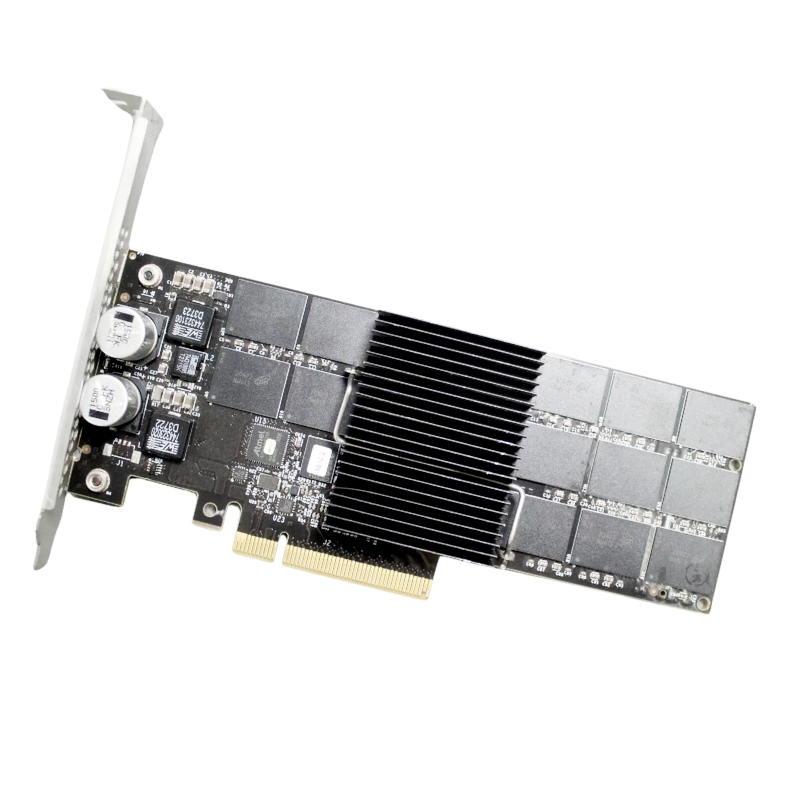


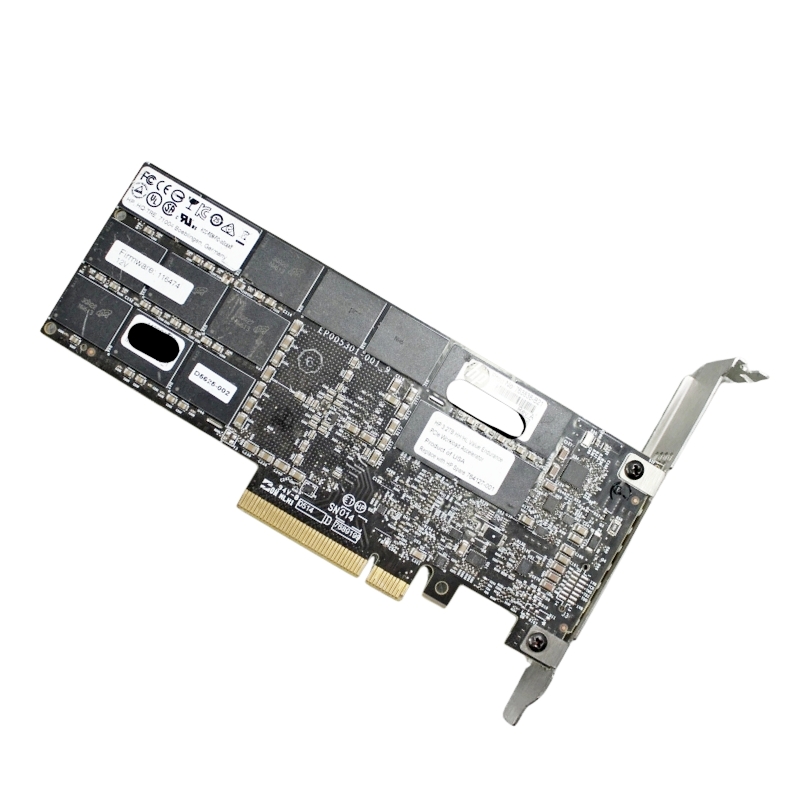
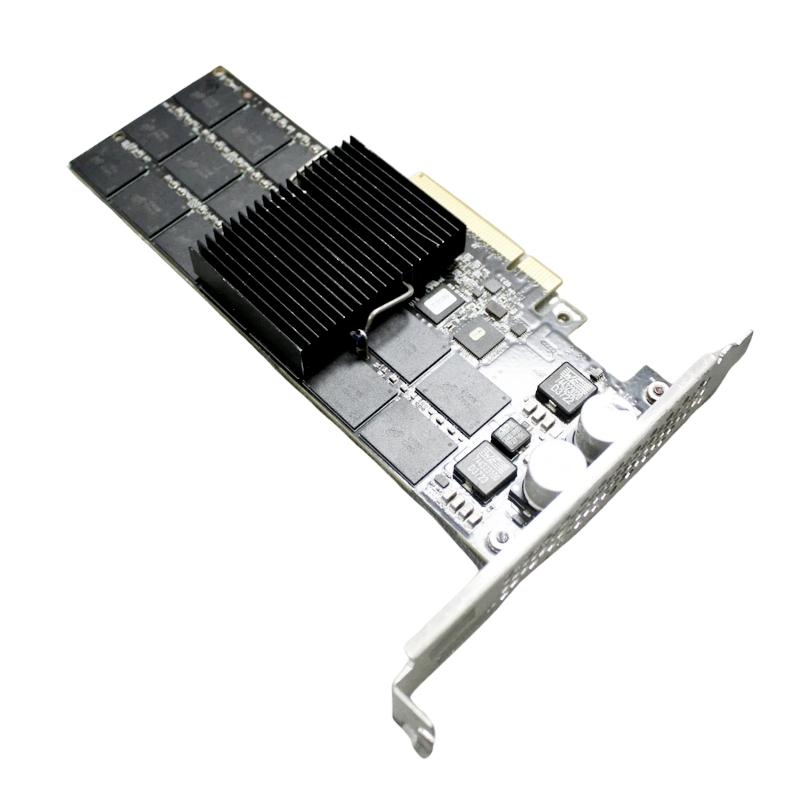
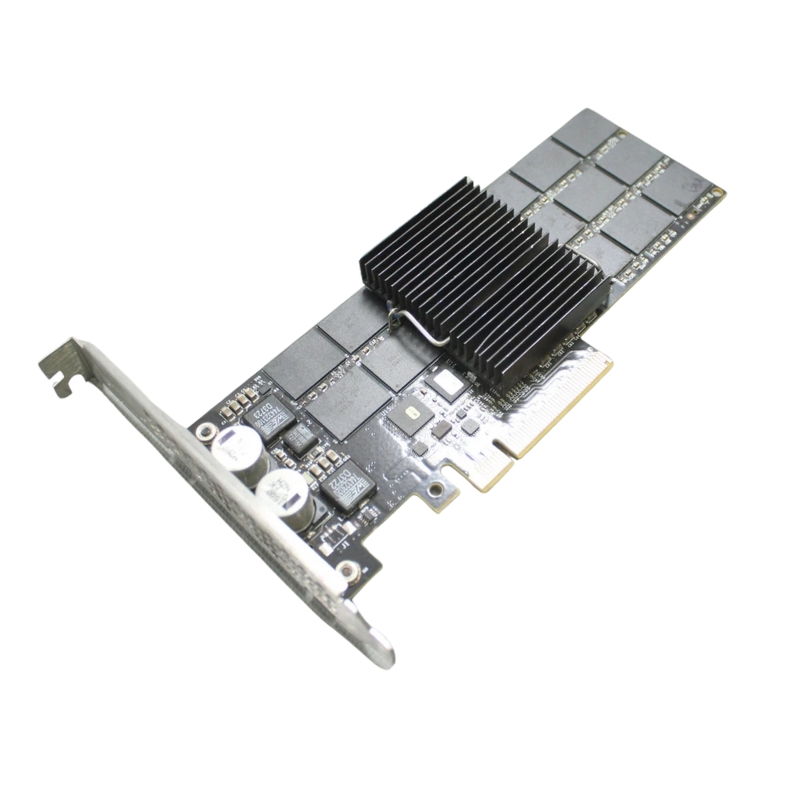
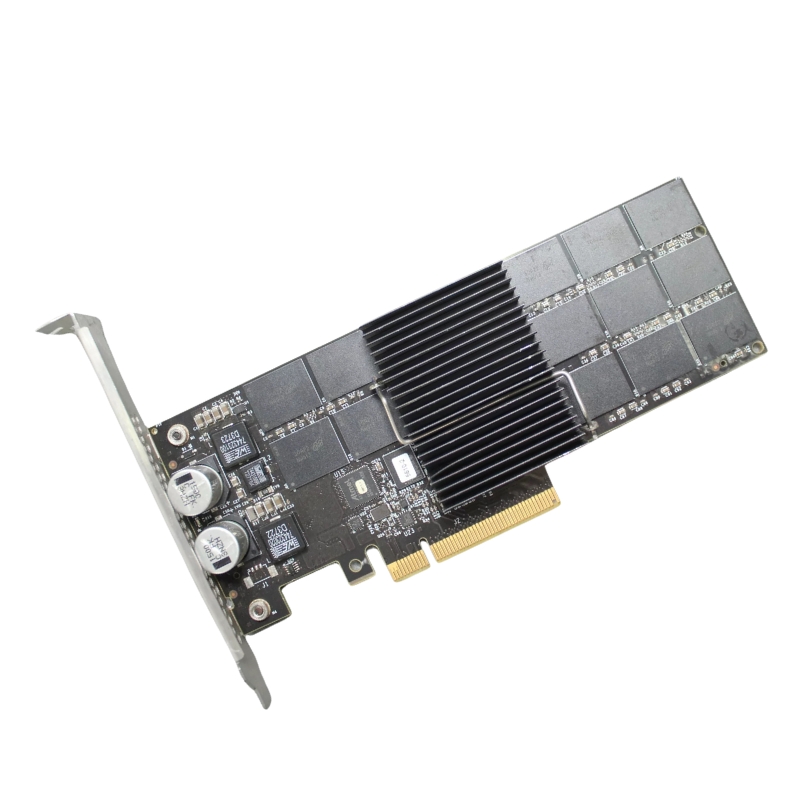
HPE 831735-B21 1.6TB PCIE Read Intensive Half Height Half Length 2.0 X 8 SSD. New (System) Pull with 1 year replacement warranty
The HPE 831735-B21 is a high-performance solid-state drive engineered for enterprise-level read-intensive applications. Designed for efficiency and reliability, this internal drive offers remarkable speed and endurance, perfectly suited for data centers and high-demand environments.
The 831735‑B21 HPE 1.6 TB PCIe Read‑Intensive HHHL SSD is a high-end enterprise storage component engineered to meet the rigorous demands of read-centric workloads in modern data centers. It occupies the Half‑Height Half‑Length (HHHL) form factor and leverages a PCIe 2.0 ×8 interface to deliver robust performance, reliability, and efficiency in server and storage systems. This product belongs to a category of solid-state drives optimized for read-heavy tasks, making it ideal for caching layers, virtualization, big data analytics, and web services that require frequent access to data but relatively lower write volumes.
Under sustained read workloads, the drive maintains consistent throughput with minimal performance degradation. Caching techniques, internal buffers, and firmware enhancements allow it to serve repeated read requests efficiently. This is important in situations like analytics clusters, in-memory databases, or search engines where read consistency is paramount.
The HHHL form factor is particularly beneficial in multi-node or blade-server environments. Its compact footprint enables better airflow, easier cooling, and reduced obstruction within the server bay. For high-performance computing (HPC) clusters or virtualized infrastructures, the ease of integration and minimal spatial footprint is a key asset.
Designed for read‑intensive workloads, this SSD emphasizes long-life stability under heavy reading. Though not suited for heavy write patterns, the endurance is optimized to prevent wear-out under repetitive read cycles and occasional writes such as metadata or firmware updates.
Although read-intensive SSDs generate less heat than heavy-write counterparts, thermal behavior is still crucial. The 831735‑B21 supports thermal throttling, internal heat-sinks, and firmware-level safeguards to maintain performance under extended workloads. Its construction is built to withstand shock, vibration, and ESD events typical in data center environments.
This SSD is ideal as a boot or system cache drive in virtualization platforms like VMware ESXi, Hyper-V, or KVM. It increases pool read response and reduces boot times by caching frequently accessed system files and OS components.
Deploying it as a read cache or read-optimized partition in relational databases (such as SQL Server, PostgreSQL) or NoSQL systems (such as Cassandra, Elasticsearch) can dramatically boost query performance, reduce latency, and scale user responsiveness.
When used in web servers, content delivery nodes, or application servers, the 831735‑B21 ensures rapid retrieval of static assets, media, scripts, and APIs. It reduces I/O bottlenecks and enhances end-user experience.
Analytics clusters handling large read datasets (log aggregation, OLAP queries, time-series reads) benefit from the drive’s sustained read throughput. It supports in-memory accelerators and reduces I/O wait times.
In a multi-tier storage architecture, this drive can function as a mid-tier cache — bridging slower HDD arrays and high-performance write-tier SSDs. It offloads read requests from slower media and maintains fast access paths for commonly used data.
For distributed edge deployments, a compact, high-throughput SSD like this ensures consistent data fetching performance in localized nature of edge computing, especially when network latency is constrained.
Mixed-use and write-intensive SSDs are designed to balance or favor write operations, making them more expensive per TB and often overpowered for read-centric tasks. The 831735‑B21 offers a cost-effective alternative when writes are minimal but frequent reads dominate.
Though newer generation NVMe read‑intensive drives deliver higher bandwidth per lane, their adoption often requires platform upgrades. The 831735‑B21’s PCIe 2.0 ×8 interface ensures compatibility with legacy systems and offers sufficient throughput for many current workloads.
Before deployment, verify that the target server or chassis supports HHHL PCIe x8 devices. Confirm BIOS or firmware compatibility, whether the system sees the drive natively, and that there are no blacklists or vendor restrictions.
Apply the latest firmware approved by HPE to ensure optimum performance, compatibility, and security. Always validate firmware upgrades in a staging environment and monitor health metrics post-update.
In systems that support hot-swap trays or drive bays, integrate the SSD in a redundant cluster or mirror configuration when critical. Use RAID‑1 or read-only mirrors for failover of read-critical data pools.
Ensure adequate airflow and cooling in server racks to prevent thermal throttling. Use firmware settings to moderate power draw during idle periods and adjust drive queues to match workload patterns.
Bullet lists—like those in this description—enhance scannability and improve the likelihood of being displayed in featured snippets. Use tables for comparative spec overviews when appropriate. Provide succinct, direct definitions and numeric attributes that search engines can digest for rich results.
When users browse this category, sort options could include lowest to highest price, highest capacity, newest firmware, or highest read throughput. Prioritize the 831735‑B21 in listings when filters match “1.6 TB” and “read‑intensive” so it ranks near the top for relevant queries.
Ensure that synonyms like “PCIe SSD 1.6 TB,” “HPE read-intensive solid state drive,” “enterprise HHHL PCI‑Express drive,” and “server cache SSD” appear across product titles, specs, and description text to catch a broad spread of user search intents.
In hyper-converged setups, compute nodes often require local caching layers to accelerate read transactions. The 831735‑B21 can sit in a tier between memory and slower storage, handling high-read bursts without burdening main storage arrays.
In distributed database systems (e.g. MySQL Galera, PostgreSQL replication, MongoDB), read replicas serve client queries. Placing the 831735‑B21 in replica nodes accelerates read operations, reduces query latency, and frees up primary nodes for writes.
Search engines like Elasticsearch or Solr rely heavily on index reads. The high-throughput and reliability of this SSD make it a preferred choice for index storage, enabling faster query returns, lower I/O wait, and high concurrency support.
In large-scale file servers (e.g., NFS or object storage fronts), metadata operations (file enumeration, permission checks) are frequent. Offloading metadata storage to this SSD speeds such operations and reduces overhead on bulk disks.
A content delivery network (CDN) edge node might host static assets for thousands of users. By using the 831735‑B21 for caching frequently accessed static objects, the node achieves sub-millisecond response time, offloads HDDs, and maintains consistent throughput even under surges.
Tune the host operating system's I/O scheduler to favor large sequential read queues. Adjust the queue depth to balance throughput and latency—too deep may cause contention; too shallow might underutilize the PCIe link.
Use 4 K or 8 K block sizes aligned to drive boundaries. Proper alignment avoids read-modify-write penalties or unaligned I/O overhead. Also, ensure partitions and file systems are boundary-aligned for optimal performance.
Pair the SSD with vendor-supplied drivers or HPE-approved firmware versions. Out-of-date BIOS or driver stacks may not support advanced features like error correction, telemetry, or power states, which can hinder performance.
Maintain consistent temperature below thermal throttling thresholds. Use airflow design, blanking panels, and server cooling to prevent hotspots. Monitor temperature sensors periodically to detect anomalies.
Get rapid read access to data stored on this SSD, reducing bottlenecks in mission-critical read operations. The result is improved user experience, faster application responses, and smoother scaling under load.
As workloads grow, multiple 831735‑B21 drives can be deployed in parallel. Their uniform performance, stable throughput, and compatibility make scaling easier. Also, the architecture can often be upgraded later without replacing the entire infrastructure.
Ensure each heading conveys clear meaning (not “Section 3”) — e.g. “Performance Tuning & Optimization Tips” rather than “Tuning.” This helps search engines extract context and improves the chance of appearing in zero-click answers.
Bulleted lists improve readability and help Google highlight content in its “featured snippet” cards. Use them for specs, benefits, use cases, and best practices to allow easy scanning and indexing.


 Contact Us
 Information
 Catalog
 Solid State Drives (SSD)
 Network Switches
 Hard Disk Drives
 HBA & Controllers
 PC & Servers
 PC & Server Memory
 CPU & Processors
 Network Routers
 Power Supplies
 Tape Drives & Libraries
 Network Devices
 Computer & Network Cables