(7% discount is applied at checkout)
Cart is empty
Your go-to destination for cutting-edge server products
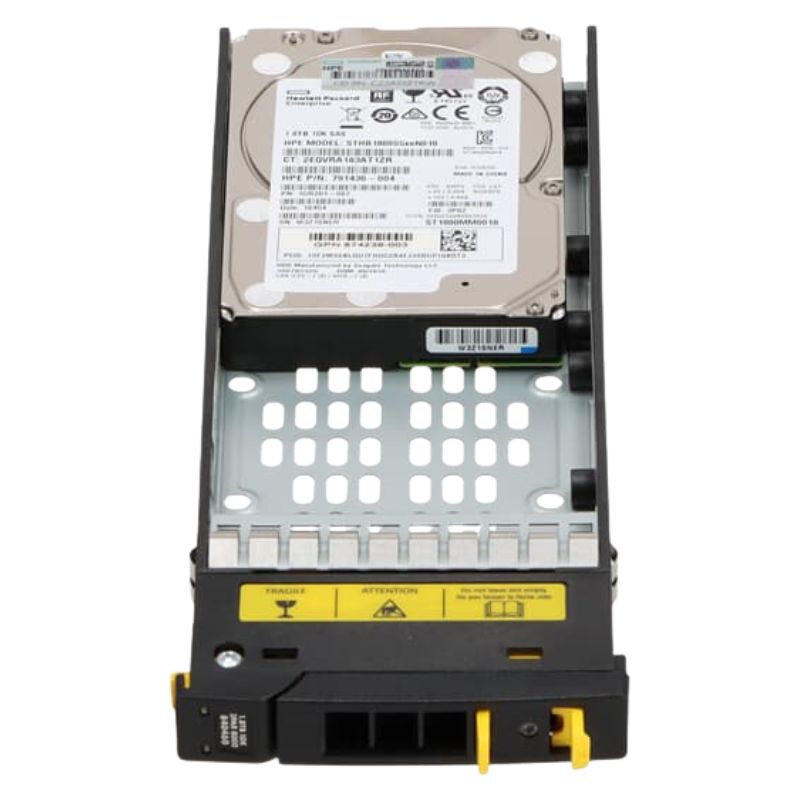


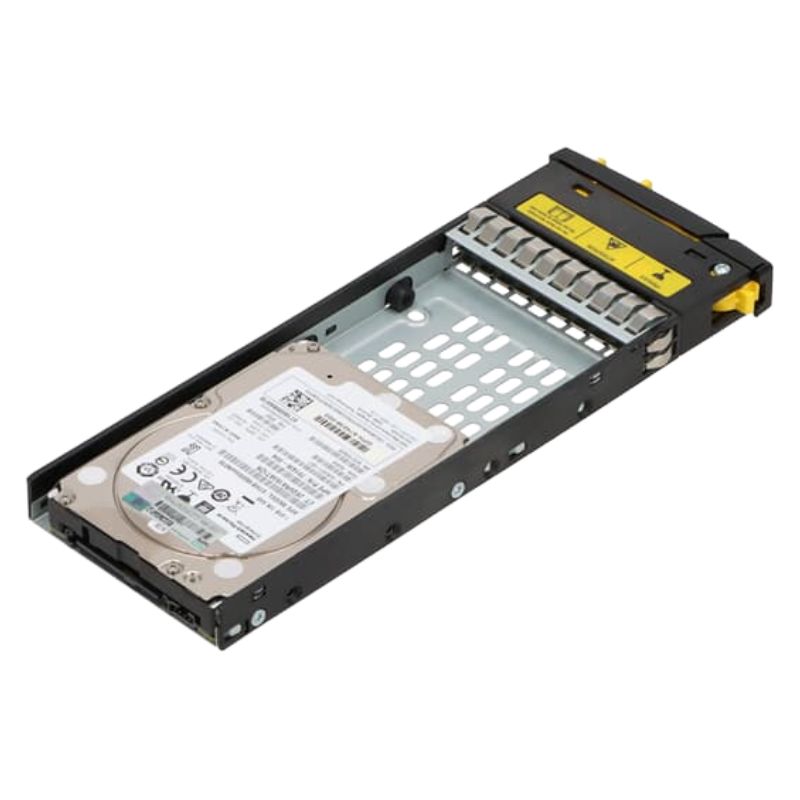
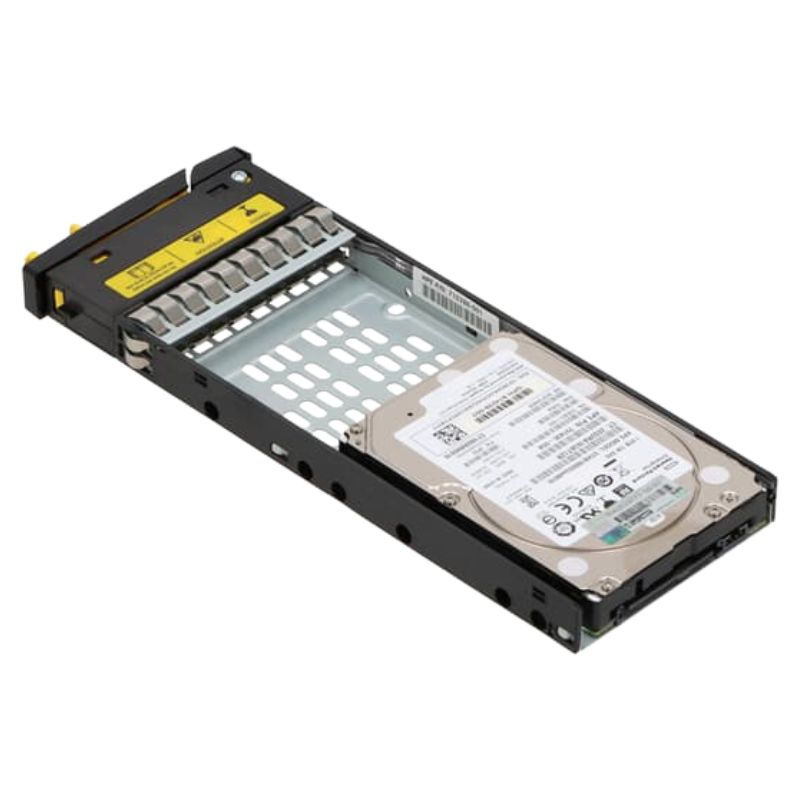
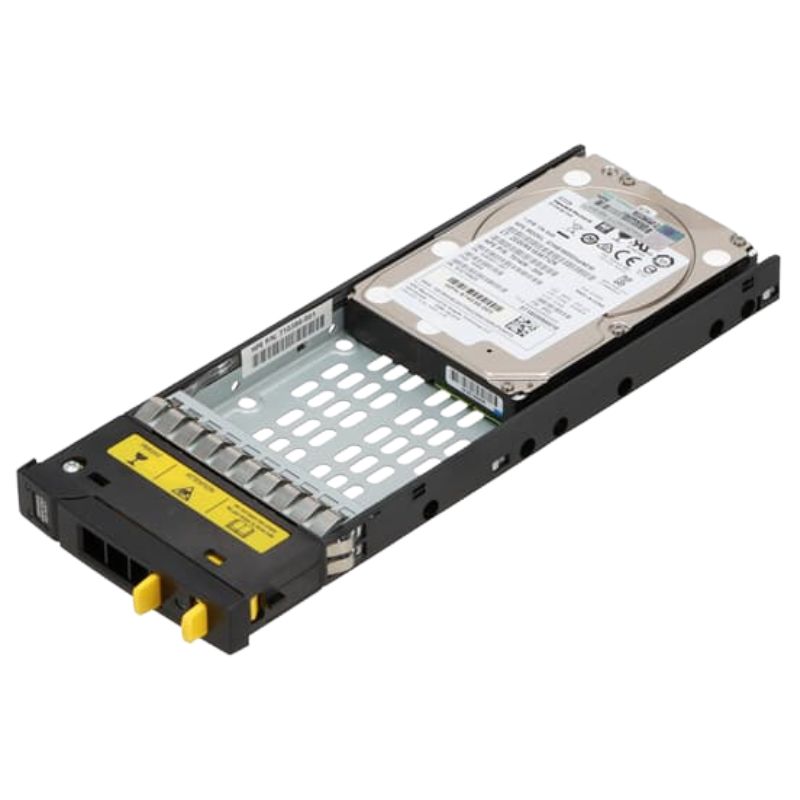
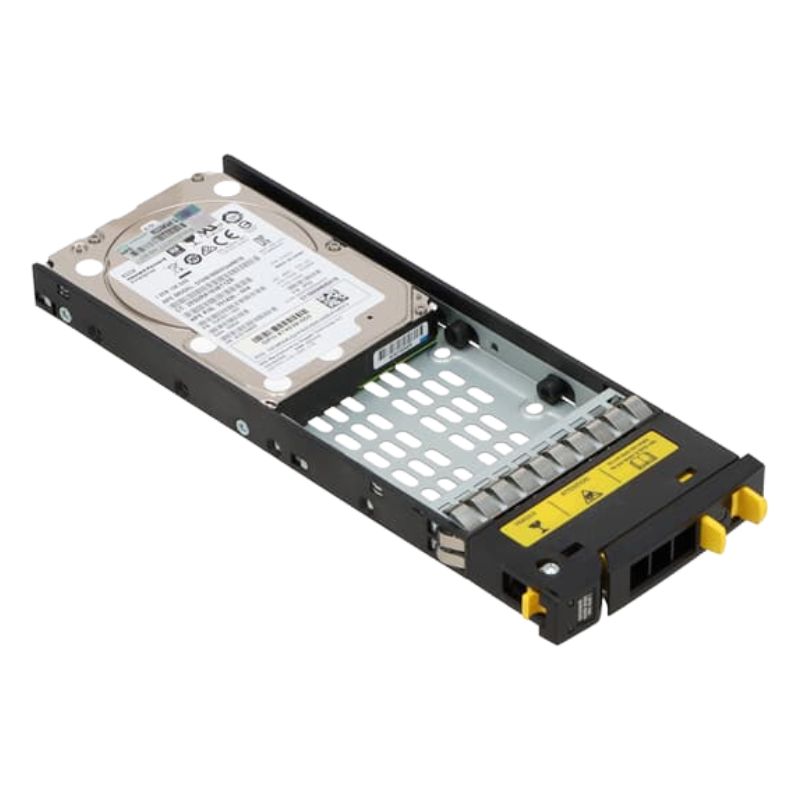
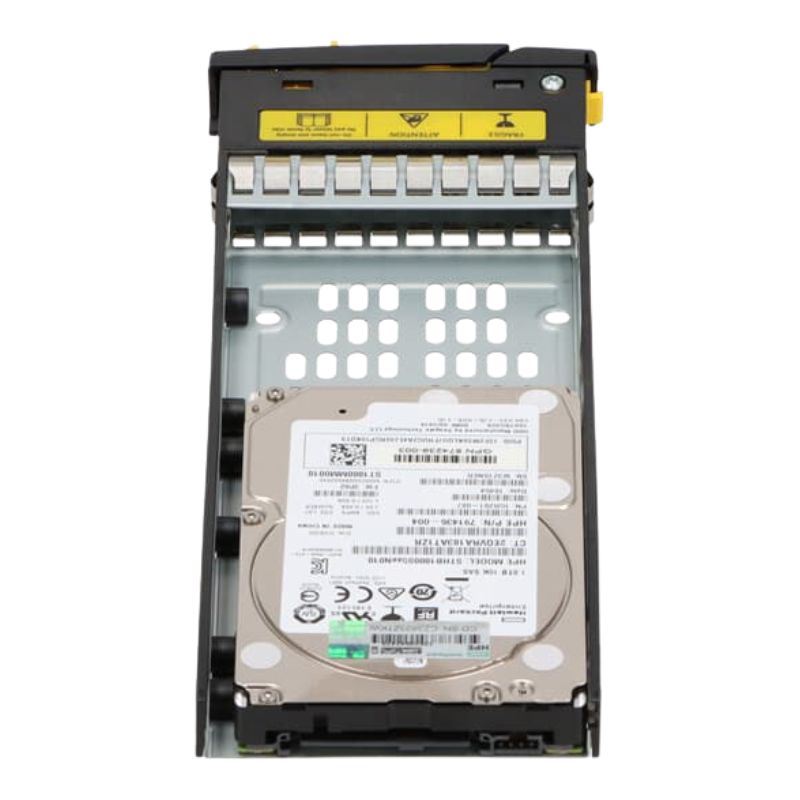
HPE 1.8TB SAS 6GBPS 10K RPM SFF Hard Drive with Tray 862450-004. Excellent Refurbished with 1 year replacement warranty
The HPE 862450-004 is a high-performance enterprise-grade hard disk drive designed to deliver reliable storage solutions with enhanced speed and efficiency. This compact 2.5-inch Small Form Factor (SFF) drive ensures seamless integration into modern data centers and server environments.
Interface
The HPE 862450-004 1.8TB SAS 6Gbps 10K RPM SFF Hard Disk Drive with Tray represents a highly specialized enterprise storage component designed for mission-critical workloads where consistent performance, reliability, and scalability are essential. This category of storage device is engineered to support modern data center infrastructures that demand balanced performance between capacity and rotational speed while maintaining compatibility with enterprise server ecosystems. As a Small Form Factor (SFF) hard disk drive operating at 10,000 RPM with a SAS 6Gbps interface, it occupies a strategic position between high-capacity nearline storage and ultra-high-performance SSD solutions, making it a key component in hybrid storage architectures.
The Small Form Factor design of the HPE 862450-004 drive is central to its role in enterprise environments. SFF drives are typically designed in a 2.5-inch physical footprint, enabling significantly higher storage density per rack unit compared to larger LFF counterparts. This compact architecture allows data centers to maximize storage capacity within limited physical space while improving airflow management and thermal efficiency. The reduced physical dimensions also support dense storage arrays in blade servers, rack-mounted systems, and modular storage enclosures where space optimization is critical.
The engineering behind SFF hard drives is not only about size reduction but also about maintaining mechanical stability under continuous operation. The internal platter design, actuator assembly, and vibration dampening systems are all calibrated to ensure consistent read and write performance even when multiple drives operate in close proximity within high-density arrays.
A defining characteristic of this drive category is its 10K RPM rotational speed, which significantly enhances data access performance compared to traditional 7.2K RPM enterprise drives. The higher rotational velocity reduces latency by decreasing the time required for the disk platters to reach the correct sector during read and write operations. This improvement is particularly beneficial in transactional workloads, database systems, and virtualization environments where rapid random access is essential.
The mechanical precision required to sustain 10,000 revolutions per minute demands advanced spindle motor engineering, balanced platter design, and sophisticated vibration control mechanisms. These systems ensure that the drive maintains stable operation even under sustained enterprise workloads, where continuous data access cycles are the norm.
The Serial Attached SCSI (SAS) 6Gbps interface provides a robust and reliable communication channel between the drive and the host system. SAS technology is widely adopted in enterprise environments due to its dual-port capability, full-duplex communication, and superior error correction mechanisms compared to consumer-grade SATA interfaces. The 6Gbps bandwidth allows efficient data transfer rates suitable for mixed read-write workloads in enterprise applications.
Beyond raw throughput, SAS architecture introduces enhanced command queuing, improved scalability, and better fault tolerance. These characteristics are essential for RAID configurations and high-availability storage systems, where uninterrupted data access is critical.
The HPE 862450-004 drive category is widely deployed in enterprise data centers where reliability and predictable performance are more important than peak sequential speed. These drives are commonly integrated into storage arrays that support enterprise resource planning systems, customer relationship management platforms, and large-scale transactional databases.
Data centers rely on this class of storage device to maintain operational continuity under heavy I/O loads. The combination of rotational speed, SAS connectivity, and enterprise-grade firmware ensures that these drives can handle simultaneous multi-user access patterns without significant degradation in performance.
Virtualization platforms benefit significantly from the characteristics of 10K RPM SAS drives. Virtual machine environments generate highly randomized I/O workloads due to multiple operating systems accessing shared physical storage resources. The low latency and improved seek times of this drive class help maintain consistent virtual machine performance even under high consolidation ratios.
In multi-tenant environments, storage predictability is essential. The deterministic performance profile of enterprise SAS drives allows system architects to design storage pools that support mixed workloads without introducing unpredictable bottlenecks.
Cloud infrastructure providers often deploy 10K RPM SAS drives as part of tiered storage architectures. These drives serve as intermediate storage layers between high-performance SSD caches and high-capacity archival storage. This tiered approach enables efficient cost balancing while maintaining responsive data access for frequently accessed datasets.
Scalability is a core requirement in cloud environments, and the SFF design of this drive supports dense storage configurations that allow rapid expansion of storage capacity without significant physical footprint increases.
One of the most significant advantages of the HPE 862450-004 drive is its reduced latency profile compared to lower RPM enterprise drives. Latency in mechanical drives is primarily influenced by seek time and rotational delay. By operating at 10,000 RPM, the drive minimizes rotational latency, resulting in faster data retrieval for random access workloads.
This performance characteristic is particularly important in database environments where small, frequent read and write operations dominate workload patterns. Applications that rely on structured query processing benefit from the reduced access time, leading to improved transaction throughput and system responsiveness.
Enterprise environments require storage systems that maintain consistent throughput over extended periods of operation. The HPE 862450-004 drive is engineered to sustain stable data transfer rates even during prolonged high-load conditions. This stability is achieved through advanced firmware optimization and mechanical balancing that reduce thermal and vibrational impact on performance.
Sustained throughput consistency is essential for backup operations, large-scale data migrations, and continuous data ingestion pipelines. The ability to maintain predictable performance under stress ensures that system architects can design reliable storage workflows without unexpected degradation.
SAS-based storage systems support advanced command queuing mechanisms that allow multiple data requests to be processed efficiently. This capability reduces idle time within the drive and optimizes head movement patterns, leading to improved overall system performance. In enterprise environments where multiple applications may simultaneously access shared storage resources, command queuing plays a critical role in maintaining responsiveness.
Enterprise SAS drives are designed with significantly higher reliability standards compared to consumer-grade storage devices. The Mean Time Between Failure (MTBF) rating reflects the expected operational lifespan under continuous usage conditions. The HPE 862450-004 category is engineered to support 24/7 workloads typical of enterprise environments, ensuring long-term operational stability.
Durability is further enhanced through vibration resistance technologies that mitigate the effects of multi-drive enclosure environments. This is particularly important in densely populated server racks where mechanical resonance can impact drive longevity.
This drive is designed to integrate seamlessly within HPE server environments, ensuring compatibility with a wide range of ProLiant servers and storage arrays. The firmware is optimized for HPE systems, enabling efficient communication between the drive and system controllers.
Compatibility extends to hot-swap backplanes, RAID controllers, and enterprise management tools that monitor drive health and performance. This tight integration simplifies deployment and reduces administrative overhead in large-scale infrastructures.
The inclusion of a tray-based design enables hot-swap capability, allowing drives to be replaced or upgraded without shutting down the system. This feature is essential in enterprise environments where downtime must be minimized. Hot-swap functionality ensures continuous availability of storage resources during maintenance operations.
The mechanical design of the tray ensures secure mounting and stable electrical connections, reducing the risk of disruption during drive insertion or removal.
The HPE 862450-004 drive is frequently deployed within RAID arrays to enhance performance and redundancy. RAID striping distributes data across multiple drives, increasing read and write throughput by allowing parallel access. This configuration is particularly beneficial in high-demand environments where large volumes of data must be processed simultaneously.
RAID configurations also provide data redundancy, ensuring that information remains accessible even in the event of a single drive failure. The reliability characteristics of SAS drives make them well-suited for RAID environments where consistent performance and fault tolerance are required.
Effective heat dissipation is essential for maintaining drive longevity. The SFF design contributes to improved airflow within server enclosures, allowing cooling systems to maintain optimal operating temperatures. Proper thermal management reduces the risk of performance throttling and hardware degradation.


 Contact Us
 Information
 Catalog
 Solid State Drives (SSD)
 Network Switches
 Hard Disk Drives
 HBA & Controllers
 PC & Servers
 PC & Server Memory
 CPU & Processors
 Network Routers
 Power Supplies
 Tape Drives & Libraries
 Network Devices
 Computer & Network Cables