(7% discount is applied at checkout)
Cart is empty
Your go-to destination for cutting-edge server products
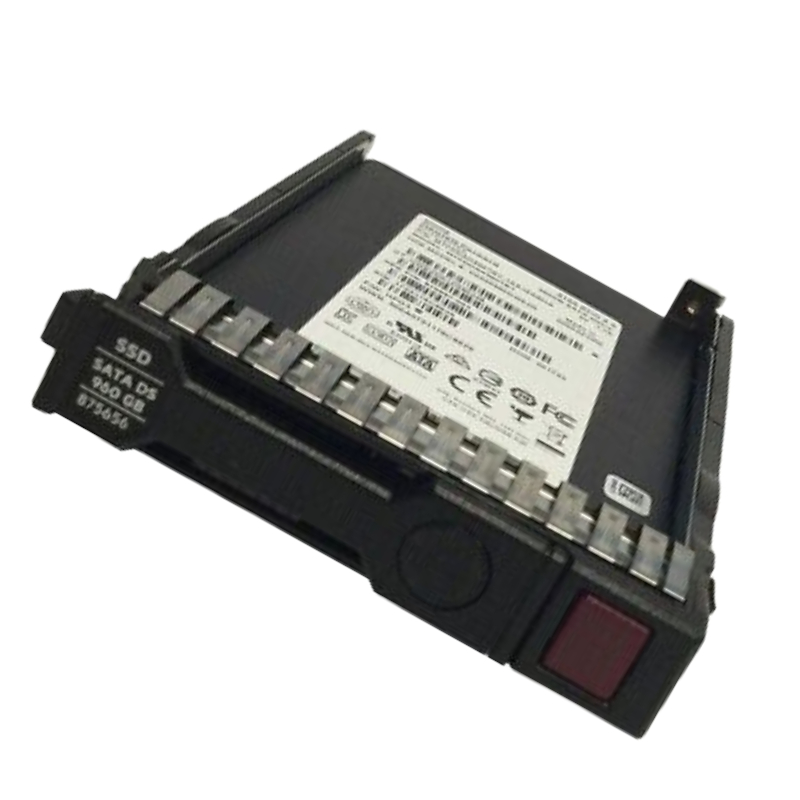


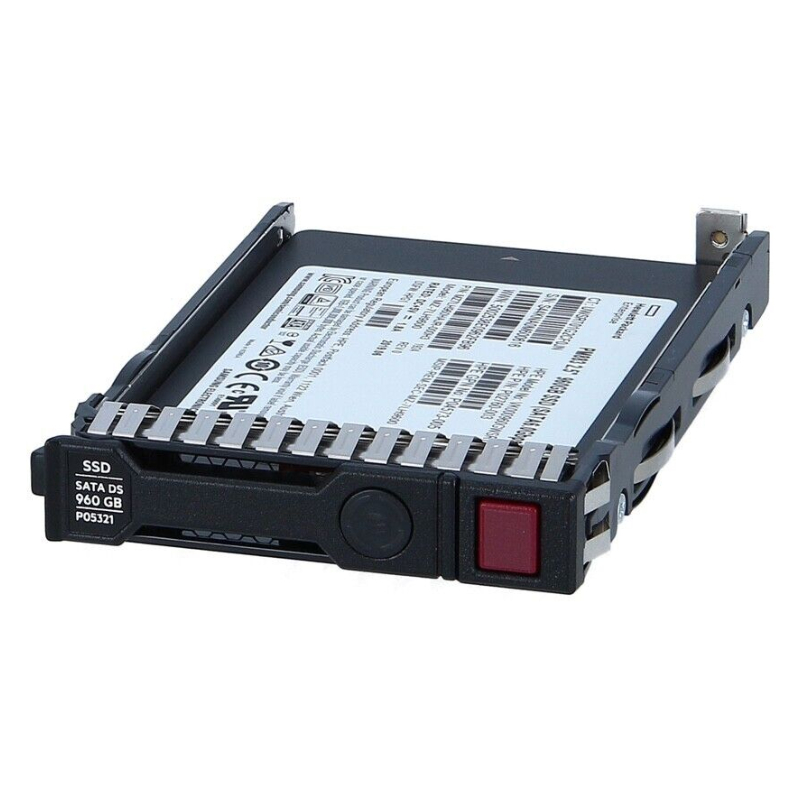
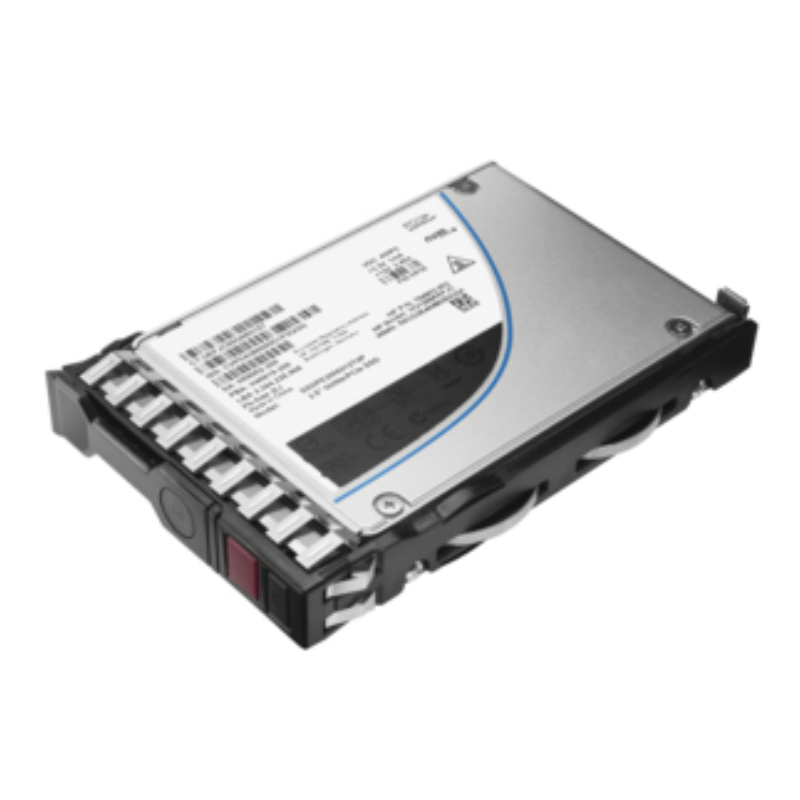
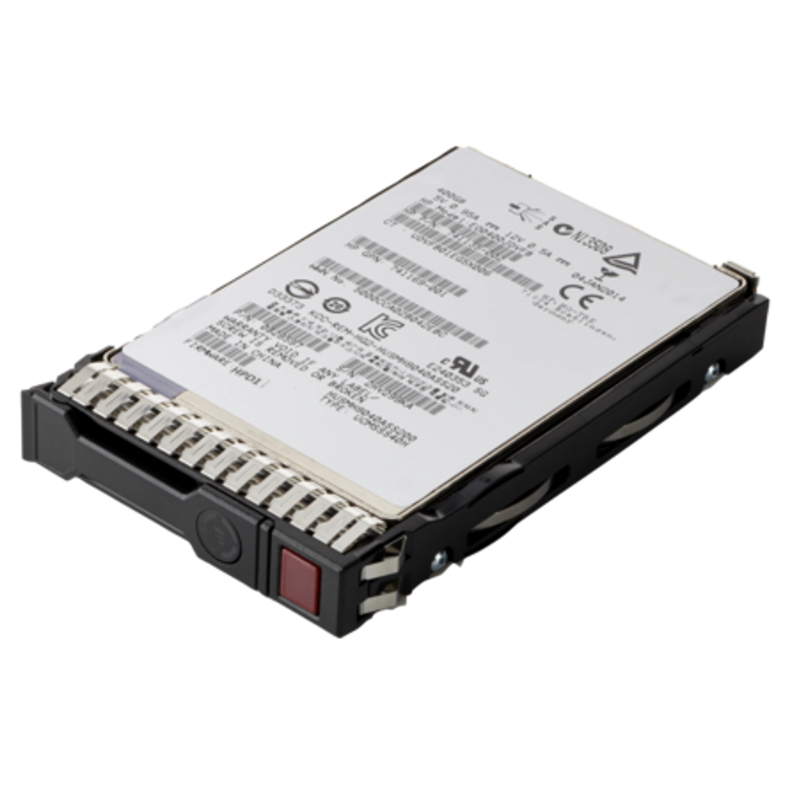
HPE 875511-B21 960GB Solid State Drive SATA 6GBPS Read Intensive DSF. Excellent Refurbished with 1 year replacement warranty
This enterprise-grade SSD is engineered for environments where read operations dominate. Ideal for data retrieval tasks, it ensures consistent throughput and minimal latency.
Designed with a single SATA 6Gb/s port, this drive fits seamlessly into 2.5" SFF bays, offering plug-and-play convenience for rapid deployment.
Fully compatible with a wide range of HPE ProLiant Gen9 and Gen10 systems across multiple series:
The HPE 875511-B21 960GB SATA-6GBPS Read Intensive SFF Hot Swap SC Solid State Drive with tray for ProLiant Gen9 and Gen10 servers is engineered to deliver a balance of capacity, endurance and enterprise-level reliability optimized for read-heavy workloads. This category of drives targets infrastructures where predictable read performance, low latency and the resilience of server-class components are required. Designed specifically for HPE ProLiant server platforms, the drive combines a 960GB capacity in a small form factor with SATA 6Gb/s interface compatibility to service applications such as database read replicas, content delivery, caching tiers, analytics nodes and virtual desktop infrastructure read caches. Its digitally signed firmware provides a layer of integrity verification that helps ensure firmware authenticity and reduces exposure to unauthorized firmware tampering, while the hot-swap tray and SFF design allow rapid servicing and high drive density in server enclosures.
This HPE SSD uses the Small Form Factor (SFF) 2.5-inch profile which is the de facto standard for modern server bay layouts in ProLiant Gen9 and Gen10 chassis. The physical tray included with the drive is keyed and formatted to fit HPE carrier assemblies so installation is tool-free and alignment with the server backplane is immediate. Because it conforms to HPE mechanical and electrical carrier specifications, the drive can be used in mixed populations with other HPE-certified storage media, reducing the risk of incompatibility. For procurement and lifecycle planning, the tray simplifies replacement: technicians swap drives without powering down eligible nodes, minimizing maintenance windows and preserving cluster availability. Thermal and vibration tolerances are calibrated to typical rack-mount server environments, and the SFF footprint maximizes the number of drives per chassis to increase aggregate read capacity in dense server deployments.
The SATA-6GBPS interface provides broad interoperability with legacy and current HPE storage controller hardware and offers a well-understood, stable protocol for sustained read throughput. The 960GB capacity supports sizable dataset footprints per drive which, when deployed across arrays or software-defined storage layers, simplifies capacity management and reduces the number of devices required to achieve target storage pools. Performance characteristics are tuned for read-intensive workloads: customers see improved read latency, consistent throughput for streaming reads and fast random read response compared with spinning media. These traits make the drive a suitable choice for workloads that perform a high ratio of reads to writes, where endurance demands are lower than mixed-use or write-intensive classes but predictable, low-latency retrievals are mission-critical.
Read-intensive SSDs like this model are optimized with firmware and flash management policies that prioritize read performance and data integrity over write endurance. For deployments that perform frequent sequential and random reads and only occasional writes, this provides an ideal cost-to-performance ratio. It is important to align endurance expectations with workload patterns: while enterprise-grade, read-focused SSDs will tolerate many read operations with minimal wear, administrators should assess write amplification characteristics introduced by hosting services and caching layers. When used as a caching tier in front of larger HDD stores or as read-only replicas for distributed databases, the drive’s endurance profile generally exceeds requirements. If a server environment will perform sustained heavy writes, choose a higher endurance class SSD or allocate write-friendly tiers to ensure longevity. Monitoring write metrics and tracking drive health through HPE system tools enables proactive lifecycle management without service interruption.
Digitally signed firmware is a defining security attribute of this HPE part. The signature mechanism authenticates official HPE firmware images and provides protection against unauthorized or tampered firmware being installed on the device. From a security operations perspective, digitally signed firmware reduces attack surface and aligns with enterprise compliance programs that require controlled firmware provenance. In addition, the drive integrates with HPE server management stacks that can verify firmware signatures prior to acceptance and can log signature validation events for auditing purposes. Administrators should follow HPE guidance on firmware update procedures and avoid unofficial images. For sensitive deployments, pairing this drive with hardware-based encryption solutions or self-encrypting drive features in compatible models ensures that data-at-rest protection is in place when drives are removed from systems for service or disposal.
Hot-swap design enables the drive to be replaced without shutting down the server, provided the surrounding infrastructure supports it and redundancy is configured appropriately. This is crucial for high-availability clusters, virtualization hosts and scale-out systems where scheduled downtime is expensive or unacceptable. The included HPE tray is designed for simple release and insertion; slide-and-click mechanics lock the drive securely and guarantee correct backplane contact. Technical teams appreciate the reduced operational friction: failed drives can be replaced within minutes, and the enterprise environment typically supports reclaiming lost capacity through RAID rebuilds or software-defined resiliency mechanisms. Always observe server LED indicators, follow hot-swap procedures as defined in hardware guides, and ensure the system BIOS and controller firmware support online drive replacement for minimized rebuild times.
Compatibility with ProLiant Gen9 and Gen10 servers makes this drive an appropriate upgrade and maintenance part for modern HPE environments. These server families are widely deployed across enterprise datacenters and cloud providers, and HPE validates device interoperability across typical controller and backplane combinations used in those generations. Firmware and driver compatibility matrices should be consulted before mass deployment to ensure the controllers and management agents can leverage the drive’s features fully. HPE OneView, Smart Storage Administrator and iLO can surface drive health, predictive failure alerts and firmware revision states to simplify operations. Using vendor-validated hardware accelerates warranty support and streamlines incident response in case of hardware anomalies.
The HPE 875511-B21 960GB read-intensive SSD is ideal for a range of real-world scenarios where read performance matters more than write endurance. Typical use cases include web content servers where fast retrieval of assets improves user experience, database read replicas that service high query volumes, analytics nodes that scan large datasets for aggregated insight, VDI solutions where read latency affects boot storms, and caching layers in front of slower storage tiers. In cloud-native and containerized environments, the drive can serve as an ephemeral read cache for stateless application replicas, accelerating service responsiveness while keeping persistent writes on more durable tiers. For hybrid flash setups, these drives act as cost-effective read tier components that extend flash benefits across larger dataset footprints.
Successful deployment begins with aligning the drive’s capabilities to application IO patterns. Implement the SSD in ensembles that provide redundancy such as RAID configurations that tolerate a drive failure while rebuilds complete. Configure caching solutions to direct transient writes or high-churn data to write-optimized tiers, leaving the read-intensive SSDs as serving layers for read-heavy content. When deploying in virtualized clusters, pin frequently accessed images and templates to nodes backed by these SSDs to reduce network load and accelerate boot times. Regularly inventory drive firmware versions and apply HPE-approved updates during maintenance windows to benefit from performance and reliability improvements. Keep an eye on SMART attributes and HPE storage logs to detect shifts in performance or health metrics that presage replacement needs.
Performance of SATA SSDs in server environments is influenced by controller settings, queue depths, and multipath configurations. Optimal results are achieved by tuning storage controller policies for read-caching and write-back behavior appropriate to cluster needs. For example, enabling controller cache and setting appropriate write-commit policies can significantly reduce perceived latency while maintaining data safety when backed by battery- or capacitor-protected caches. Multipath I/O configurations improve throughput and failover characteristics, especially in scale-out storage fabrics. When deploying multiple drives in an array, aligning stripe sizes with workload IO sizes reduces read-modify-write penalties and yields higher sustained throughput for the primary read workload. Measuring performance under real-world load with representative tests is essential before committing to large-scale rollouts.
Against traditional HDDs, this HPE read-intensive SATA SSD offers dramatically lower latency, higher IOPS for random reads and improved determinism in response times, which directly benefits read-heavy applications. Versus NVMe solutions, SATA SSDs may offer lower cost per gigabyte and broader backward compatibility with older controllers, while NVMe delivers higher throughput and lower latency for the most demanding workloads. Within HPE product lines, choose read-intensive SATA SSDs when workload analysis highlights a dominant read pattern and when budget or controller compatibility precludes NVMe adoption. For mixed workloads or write-heavy databases, consider higher endurance or enterprise NVMe models to match endurance and sustained write performance needs.


 Contact Us
 Information
 Catalog
 Solid State Drives (SSD)
 Network Switches
 Hard Disk Drives
 HBA & Controllers
 PC & Servers
 PC & Server Memory
 CPU & Processors
 Network Routers
 Power Supplies
 Tape Drives & Libraries
 Network Devices
 Computer & Network Cables