(7% discount is applied at checkout)
Cart is empty
Your go-to destination for cutting-edge server products
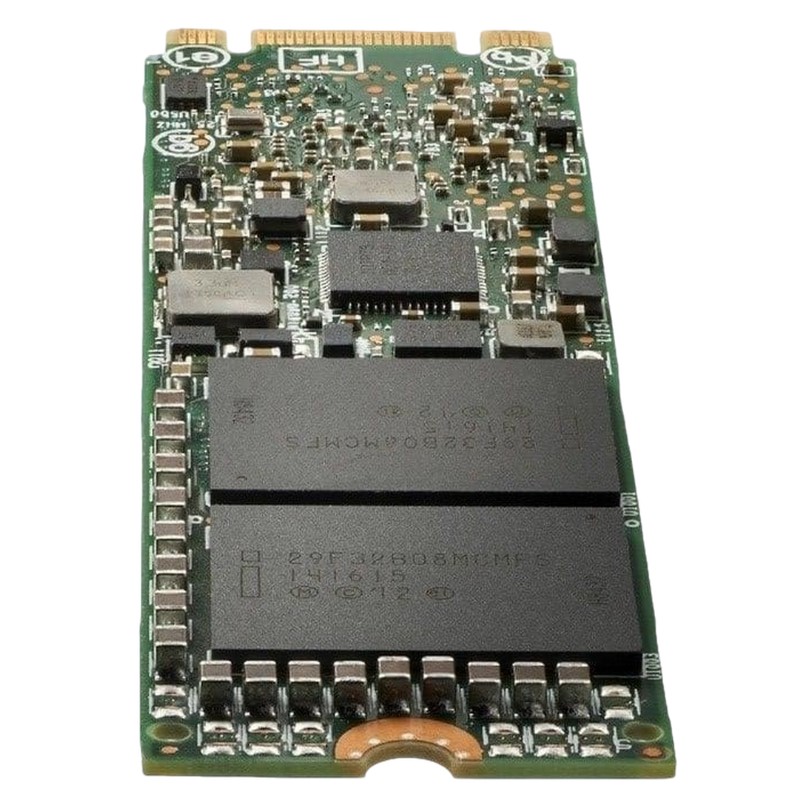


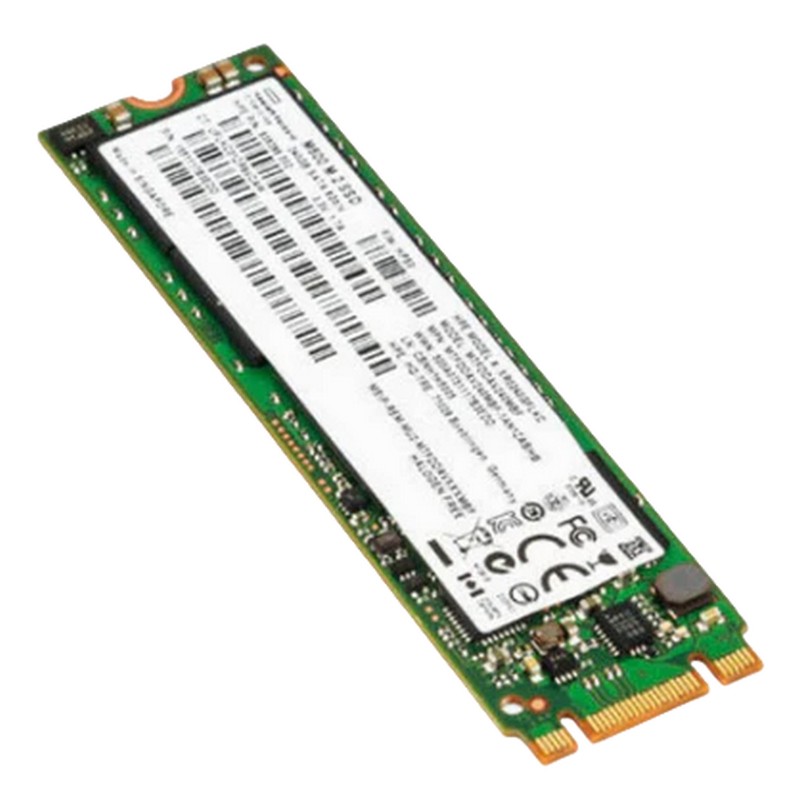
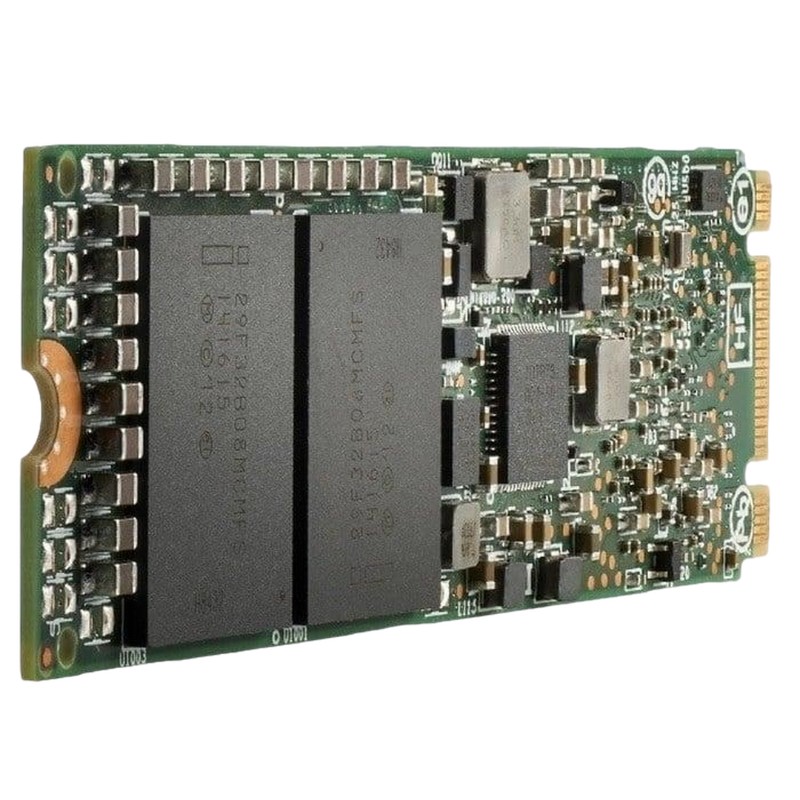
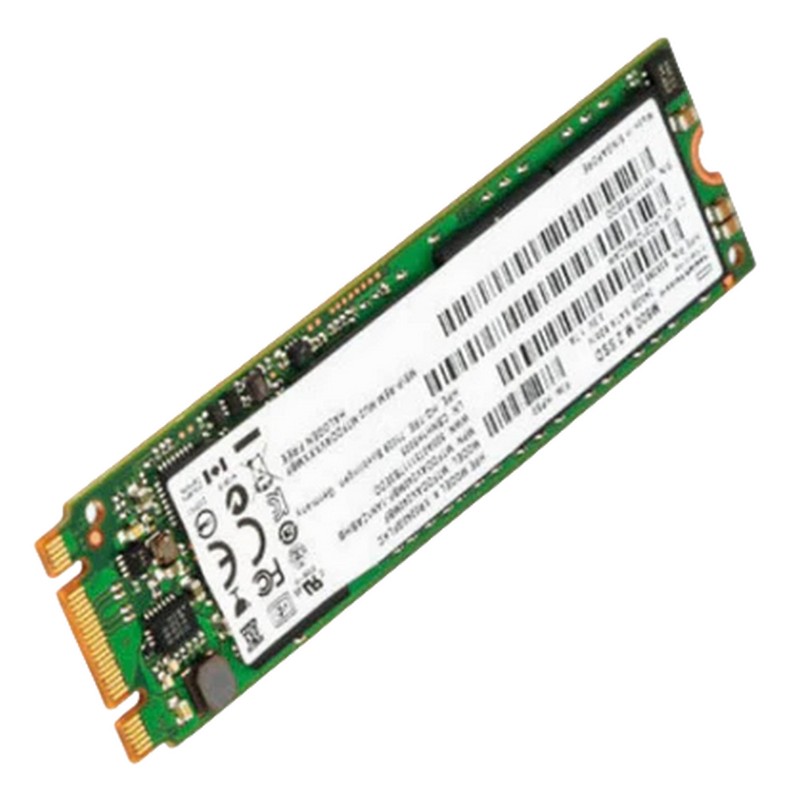
HPE 875579-B21 Server PCI Multi-Level Cell 480GB SSD Read Intensive. Excellent Refurbished with 1 year replacement warranty
The HPE 875579-B21 480GB DS NVMe x4 Lanes Read Intensive M.2 22110 G10 Solid State Drive occupies a specific niche within enterprise storage: a compact M.2 22110 form factor delivering NVMe connectivity across four PCIe lanes, engineered for read-intensive workloads and optimized for data center and edge applications where compact size, low latency, and predictable read performance are paramount. This category is aimed at system integrators, server administrators, OEMs, and IT buyers who require a small-footprint SSD that fits space-constrained systems while maintaining the reliability characteristics expected of HPE-branded storage components. The category description below expands on the technology foundation, performance and endurance considerations, practical deployment scenarios, compatibility and integration factors, firmware and management expectations, and procurement and lifecycle planning advice, providing a comprehensive resource for merchants to convert visitors and for engineers to validate fit and function.
The designation M.2 22110 refers to a module 22 millimeters wide and 110 millimeters long, a length that allows more NAND capacity and thermal headroom compared to shorter M.2 variants. For enterprise-class SSDs, the extended 22110 length accommodates improved thermal dissipation solutions and larger controller and flash packages, which are beneficial for consistent read performance under sustained load. This form factor is a critical consideration for system layout: server chassis, blade systems, and rack-mounted appliances designed to accept 22110 modules will allow the HPE 875579-B21 to be installed without adapters, preserving airflow and thermal pathways already engineered into the host.
NVMe is the native storage protocol designed for low-latency access to non-volatile memory through the PCI Express fabric. The HPE 875579-B21 leverages four PCIe lanes, which provides a balance between bandwidth and host resource utilization. For workloads dominated by random and sequential read operations, NVMe over x4 gives servers the ability to retrieve data with minimal command overhead and reduced CPU cycles per I/O compared to legacy interfaces, improving application responsiveness. Buyers should consider host slot availability and PCIe lane allocation policies in multi-device configurations to ensure the drive operates with the intended bandwidth.
Read-intensive drives are engineered and qualified for workloads where read operations significantly outnumber write operations. Typical scenarios include large-scale content delivery, web caching, database indexing replicas, analytics read-replay, virtual desktop infrastructure images (VDI read-heavy pools), boot volumes, and read-tier layers in hybrid storage architectures. In such contexts the HPE 875579-B21’s design choices prioritize predictable read latency, consistent throughput for streaming reads, and firmware tuned to maximize read path efficiency while still providing sufficient write endurance for background writes, logging, and metadata updates.
When assessing read-intensive NVMe drives, focal metrics include sustained sequential read throughput, random read IOPS at relevant queue depths, read latency percentiles under mixed I/O, and thermal throttling behavior during sustained access. For enterprise deployments, it is vital to evaluate how the drive behaves under realistic patterns—simulated using the same block sizes and queue depths as target applications—rather than relying solely on peak synthetic numbers. The M.2 22110 package in combination with NVMe x4 lanes offers low latency and enough parallelism to satisfy demanding read operations when properly provisioned and cooled inside a server bay.
Because the HPE 875579-B21 conforms to the M.2 22110 specification, compatibility is contingent on host support for the physical slot, adequate standoff and screw location, and the system BIOS or UEFI exposing NVMe devices in the expected manner. Many enterprise server platforms include dedicated M.2 22110 slots on the motherboard or on storage risers; others may require a carrier or adapter to provide the correct mechanical support and connection. Engineers must also verify that the host’s thermal profile, fan curves, and airflow paths accommodate M.2 modules of this length, since inadequate cooling can lead to throttling during sustained reads or firmware operations.
Endurance ratings are typically specified as drive writes per day or total bytes written over a warranty period. Read-intensive drives balance cost and endurance by allocating sufficient over-provisioning and using firmware wear-leveling techniques to meet expected write workloads without incurring enterprise endurance costs associated with mixed-use or write-heavy SSDs. For deployments where periodic large writes occur, architects should fit the HPE 875579-B21 into a tiered storage or ensure write amplification is minimized by the host workload. Planning for endurance involves mapping typical daily write volumes and projecting across the intended service life so that warranty and maintenance cycles align with operational expectations.
Enterprise SSDs often include features to protect metadata and user data against unexpected power loss and error conditions. While power-loss capacitors are more common in larger form factors, M.2 devices typically implement controller-level protections and firmware strategies to preserve metadata integrity on sudden power transitions. Error correction codes and background data scrubbing are part of the drive’s arsenal to maintain data integrity over time. Administrators should verify the presence and behavior of such features and align the drive’s capabilities with higher-level redundancy strategies like RAID, erasure coding, or synchronous replication for mission-critical data.
Read-intensive M.2 NVMe modules serve well as a read-tier in hybrid storage architectures where hot data requires fast access but does not justify high-endurance write-optimized media. The HPE 875579-B21 can act as a cache layer or a read-mostly tier, accelerating application boot times, content delivery, and read-dominant database queries. In software-defined storage contexts, these drives are commonly integrated as capacity-optimized NVMe nodes to reduce latency for read operations without the cost of write-heavy enterprise SSDs. Architectural decisions should account for redundancy mechanisms above the SSD layer to protect against device failure.
Because of their small form factor and quick read responsiveness, M.2 NVMe devices are frequently used for operating system boot volumes, hypervisor images, and read-cache volumes for databases and virtual machines. When configuring such roles, administrators must ensure that the device’s endurance is sufficient for the write patterns expected from OS logs or cache eviction processes. Employing wear-minimizing strategies in the OS, such as moving swap or temporary directories off the M.2 device when not necessary, extends available lifespan and aligns the drive’s capabilities with the intended workload.
Read-intensive SSDs should be contrasted with mixed-use and write-optimized categories when selecting hardware. Mixed-use drives provide a balanced endurance profile suitable for workloads with more equal read and write distributions, while write-optimized drives deliver higher endurance at a higher cost for applications like heavy logging, telemetry ingestion, and high-frequency transactional databases. The HPE 875579-B21 is positioned for environments where read ratios dominate and total cost of ownership is a priority, but selecting the correct class avoids premature drive replacement driven by unexpected write patterns.
For deployments where capacity, endurance, or integrated power-loss protections are prioritized over compactness, U.2, EDSFF, or PCIe add-in-card form factors may be preferable. These alternatives provide different thermal and mechanical envelopes and are more commonly used where scalable capacity or serviceability are top priorities. The M.2 22110 form factor excels in small-form-factor systems where board-level connections or compact carriers are the only viable option.


 Contact Us
 Information
 Catalog
 Solid State Drives (SSD)
 Network Switches
 Hard Disk Drives
 HBA & Controllers
 PC & Servers
 PC & Server Memory
 CPU & Processors
 Network Routers
 Power Supplies
 Tape Drives & Libraries
 Network Devices
 Computer & Network Cables