(7% discount is applied at checkout)
Cart is empty
Your go-to destination for cutting-edge server products
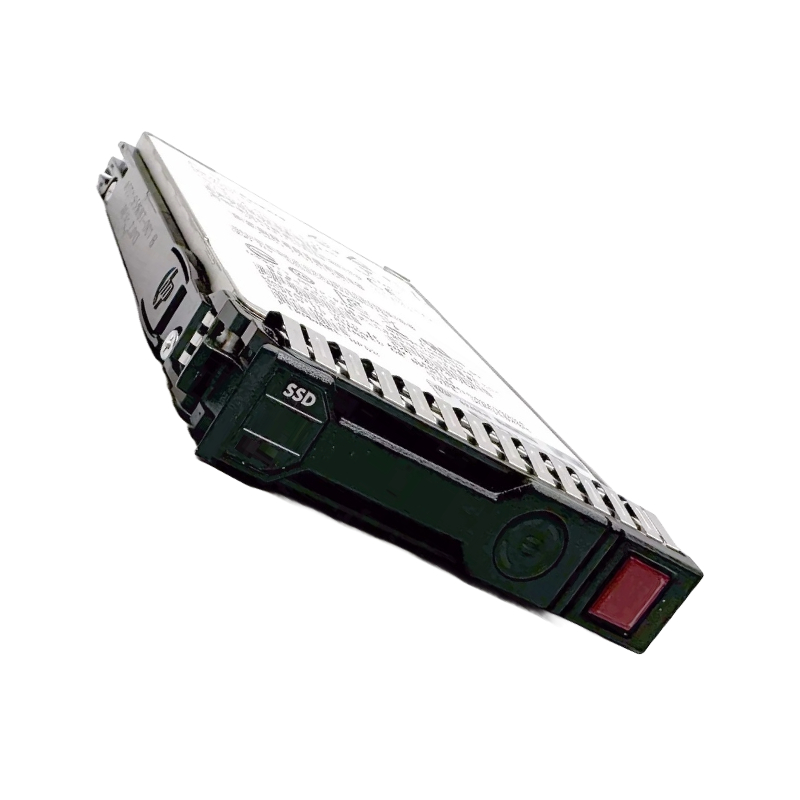


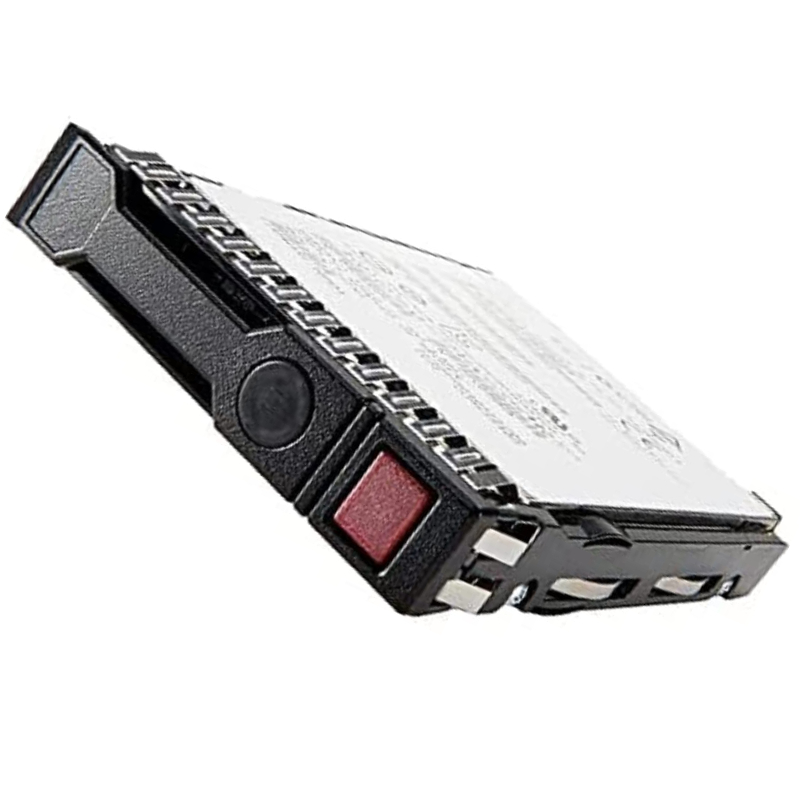
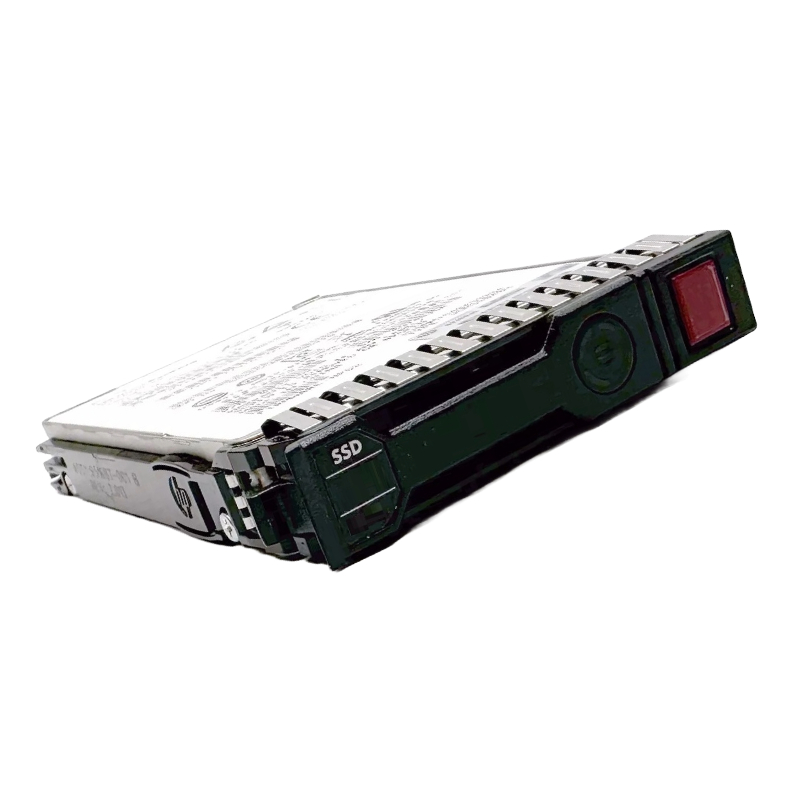
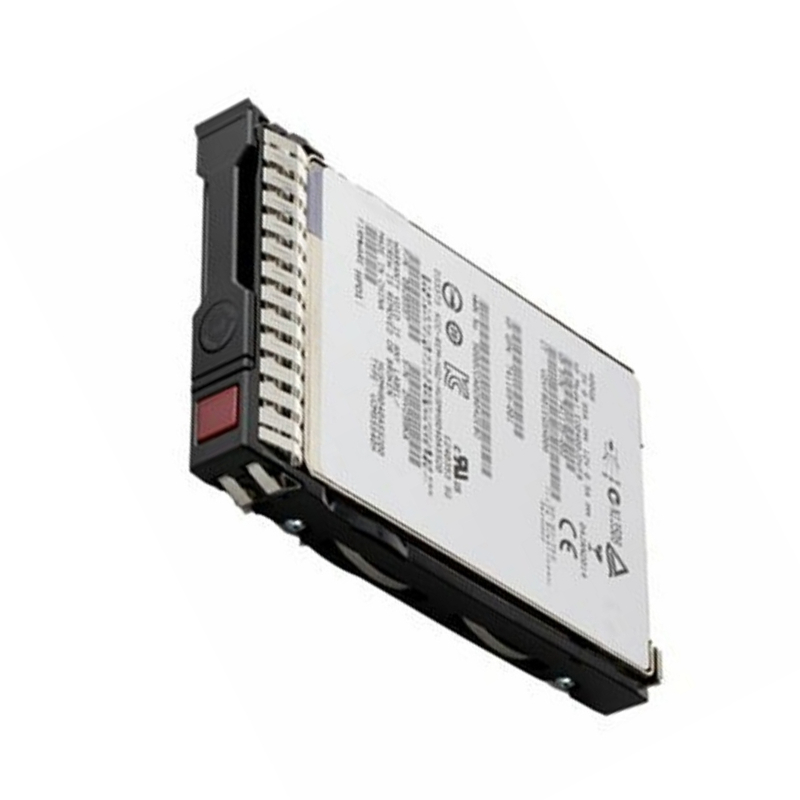
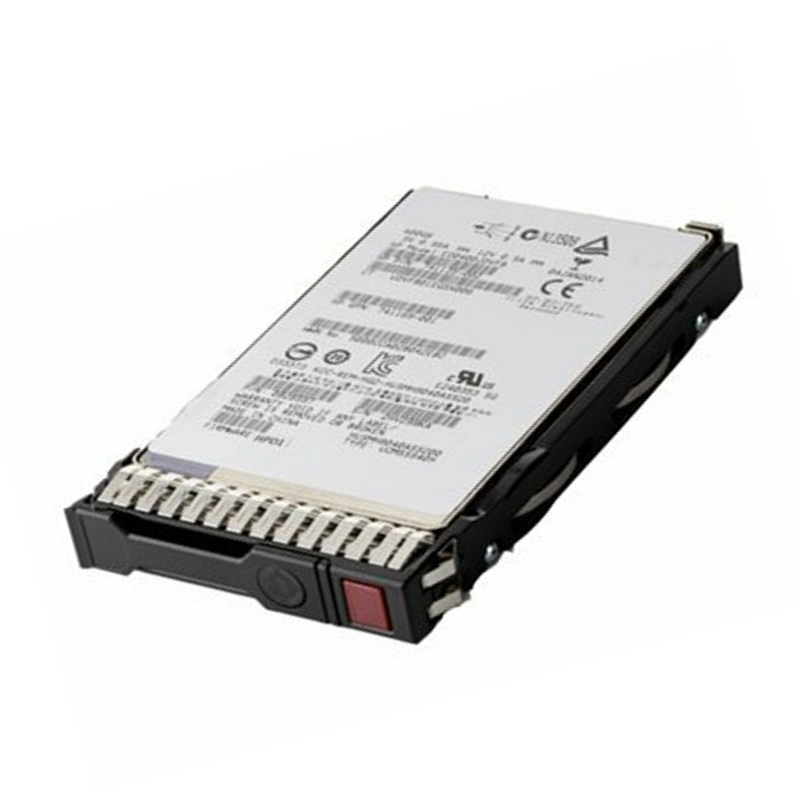
HPE 875873-001 1.92TB PCI-E SSD Read Intensive SFF X4 Nvme Hot Swap. Excellent Refurbished with 1 year replacement warranty
The HPE 875873-001 1.92TB PCI-E Read-Intensive SFF x4 NVMe Hot Swap Solid State Drive occupies a category defined by high-performance, enterprise-grade nonvolatile storage designed for read-heavy workloads. This section describes the category in depth: the hardware characteristics that define it, the performance expectations and measurement metrics, typical and advanced use cases, deployment and management considerations, and the reasons IT architects choose this class of device for modern data center environments. This category is characterized by compact small form factor (SFF) modules that deliver NVMe performance across four PCIe lanes, support hot-swap operation for serviceability, and are optimized for read-intensive applications where consistent low latency and high throughput are essential.
Drives in this category use a small form factor that fits into high-density server and storage arrays, often in 2.5-inch bays compatible with HPE ProLiant and other enterprise servers. The SFF form allows more drives per chassis, enabling higher aggregate capacity and performance density. The PCI-Express x4 NVMe interface delivers native storage access over PCIe lanes, providing significant latency and throughput advantages over legacy SAS and SATA interfaces. Hot-swap capability means drives can be removed or replaced while the system remains powered, reducing maintenance windows and improving serviceability for mission-critical systems.
Compatibility for these drives depends on drive carriers, backplane compatibility, and firmware validation with HPE server platforms. The physical connector typically conforms to industry SFF standards, but customers should verify that the server backplane supports NVMe x4 devices and that the system firmware and BIOS have been updated to recognize NVMe boot devices if booting is required. Many enterprise deployments pair these SFF NVMe drives with HPE validated carriers and backplanes to ensure proper power delivery, thermal management, and hot-swap signaling.
Read-intensive NVMe drives like the HPE 875873-001 are engineered for workloads where reads dominate I/O traffic and where predictable low latency matters. Typical performance attributes include high sustained read throughput (GB/s), elevated random read IOPS, and read-optimized internal firmware that prioritizes read path efficiency and caching strategies. While write performance is adequate for many tasks, these drives are not primarily targeted at write-heavy databases or logging systems that may benefit from endurance-optimized or mixed-use SSDs. Instead, read-intensive excel in use cases such as content delivery, virtualization read caches, analytics query nodes, large-scale search indexes, media streaming, machine learning inference serving, and nested virtualization where read amplification is high.
NVMe's architectural advantages allow drives in this category to sustain consistently low read latencies in the sub-millisecond range under typical load, and to scale to very high IOPS for random read workloads. Throughput scales with the number of PCIe lanes and internal NAND channels; x4 implementations balance lane utilization and power for a cost-effective performance point. Real world performance will vary by queue depth, block size, and access pattern, so benchmarking and profiling with representative workloads is recommended for precise capacity planning and to avoid overcommitting I/O resources.
Enterprise NVMe drives include features that protect data integrity and increase drive longevity. Endurance for read-intensive drives is specified in drivewrite-hours, drive writes per day (DWPD), or total terabytes written (TBW) over the warranty period. Because these prioritize read performance, their endurance rating for sustained heavy write cycles will typically be lower than mixed-use or write-intensive SSD families. Nevertheless, onboard error correction, power loss protection for outstanding metadata, end-to-end data path protection, and SMART reporting help ensure predictable behavior in production systems. Firmware features often include background garbage collection tuned to minimize latency impact during peak reads and built-in mechanisms to monitor NAND wear levels so administrators can schedule proactive replacements before failures occur.
Small form factor NVMe drives make it possible to maximize capacity and performance per chassis, but they require careful thermal planning. High density configurations produce concentrated heat that must be mitigated with targeted airflow, appropriate drive sled design, and firmware thermal throttling that can kick in to protect NAND when temperatures rise. When planning high-density deployments, architects balance the number of drives, expected workload intensity, and the chassis cooling architecture to maintain sustained performance without resorting to throttling or risking drive lifetime reduction due to elevated operating temperatures.
Organizations deploy read-intensive NVMe SFF drives across several common patterns. One pattern is the use of these drives as caching layers fronting higher capacity HDD or slower flash tiers, delivering accelerated read responses for frequently accessed datasets. Another pattern leverages the drives for read-heavy virtual desktop infrastructure (VDI) pools, database read replicas and analytics nodes where query response time is critical. Content delivery and streaming providers use this category to scale read throughput for media assets, while search engines and indexing services use the low latency and high IOPS to reduce query times across massive indexes. Machine learning inference servers that serve preloaded benefit from these drives’ ability to stream large files rapidly to memory or to perform frequent cold reads during updates.
In hybrid storage topologies, read-intensive NVMe drives act as the hot tier in a tiered architecture. Automated tiering software migrates frequently accessed blocks to NVMe automatically, while less active data is retained on high-capacity HDDs or cost-effective SSDs. For caching, software or hardware caching layers use NVMe drives to store cold-to-hot transitions with policies that maximize read hit rates. When combined with NVMe over Fabrics (NVMe-oF) front ends, these drives can serve as pooled hot tiers across racks, enabling flexible scaling and centralized management while preserving the low-latency characteristics of local NVMe.
Firmware compatibility is a common operational challenge when integrating new NVMe drives into an existing fleet. Firmware may change drive behavior in subtle ways — for example, altering garbage collection aggressiveness or thermal management thresholds — which can impact latency and endurance. Because of this, production environments typically require preproduction validation of candidate firmware revisions across representative workloads. Many vendors publish validated firmware matrices mapping drive firmware versions to specific server and storage platform firmware levels, and these matrices should be consulted prior to wide rollout.


 Contact Us
 Information
 Catalog
 Solid State Drives (SSD)
 Network Switches
 Hard Disk Drives
 HBA & Controllers
 PC & Servers
 PC & Server Memory
 CPU & Processors
 Network Routers
 Power Supplies
 Tape Drives & Libraries
 Network Devices
 Computer & Network Cables