(7% discount is applied at checkout)
Cart is empty
Your go-to destination for cutting-edge server products
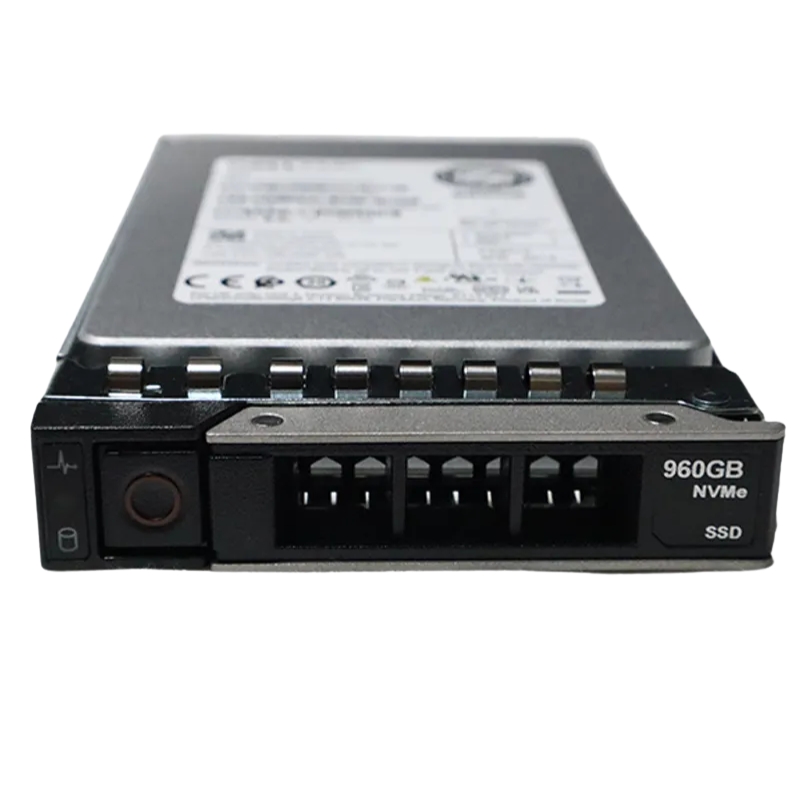


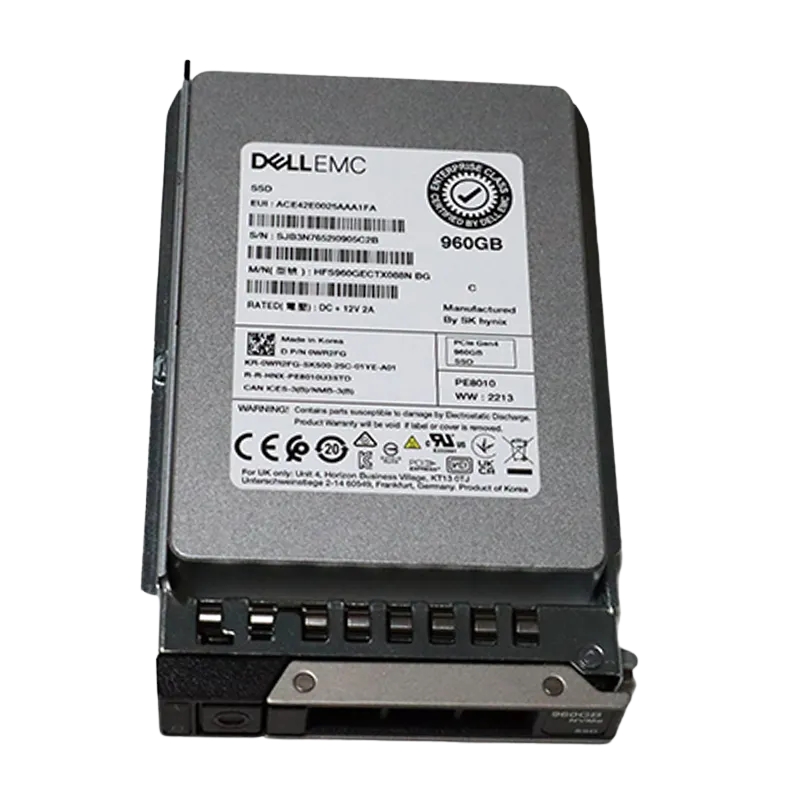
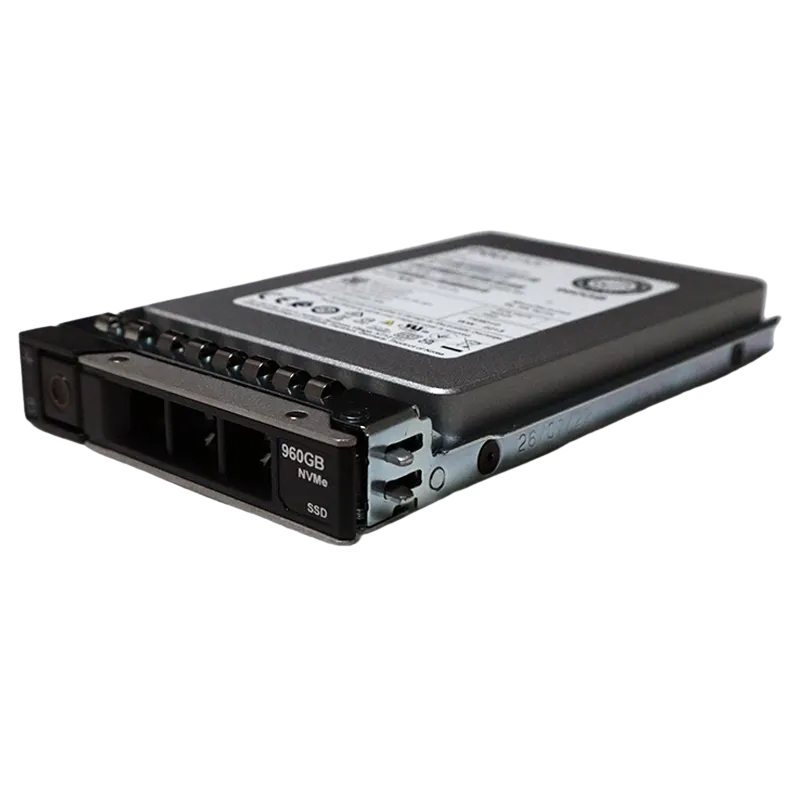
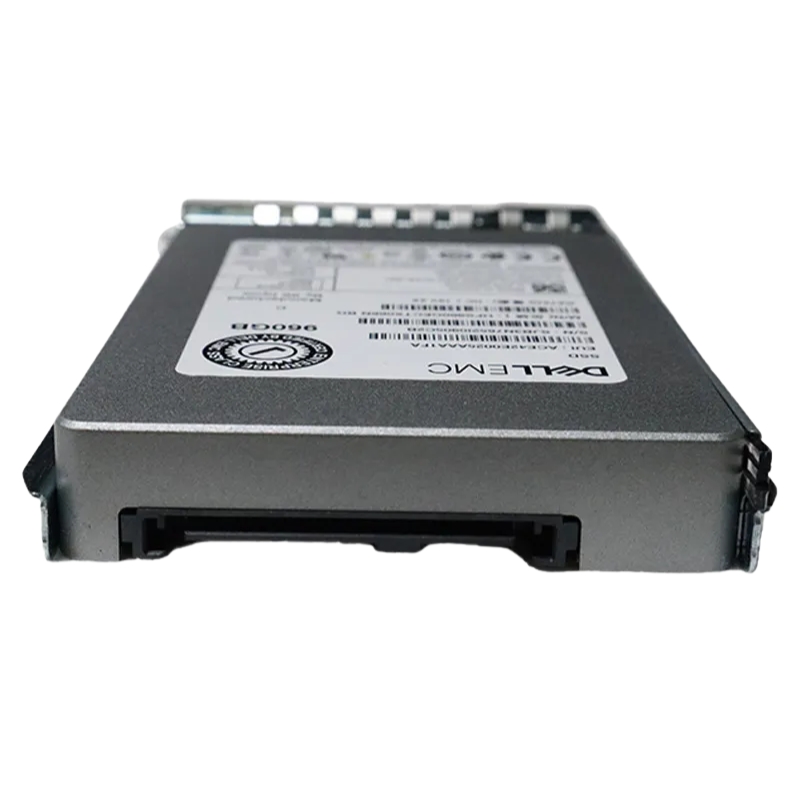
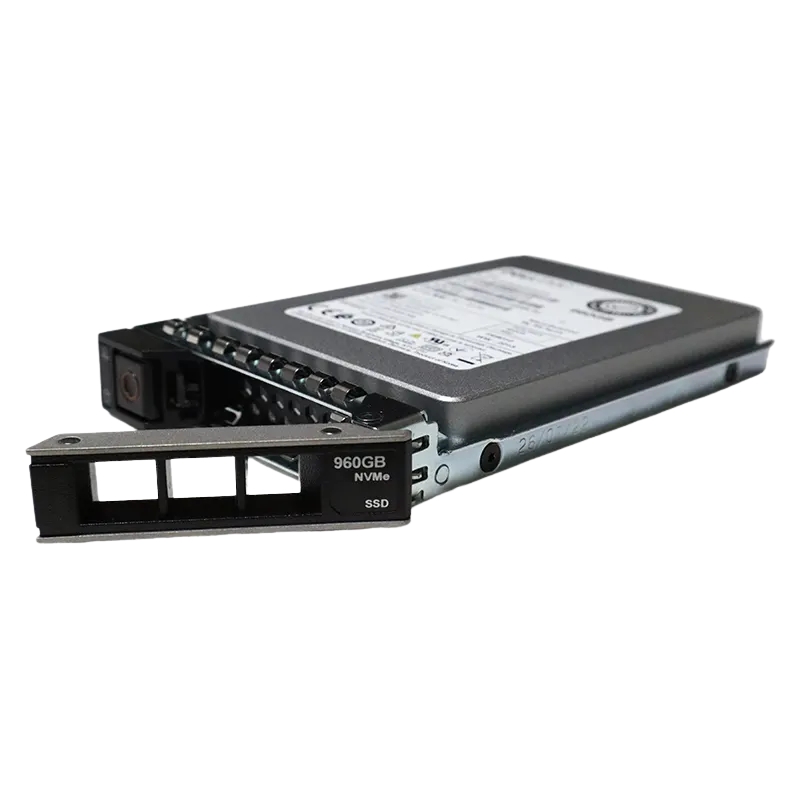
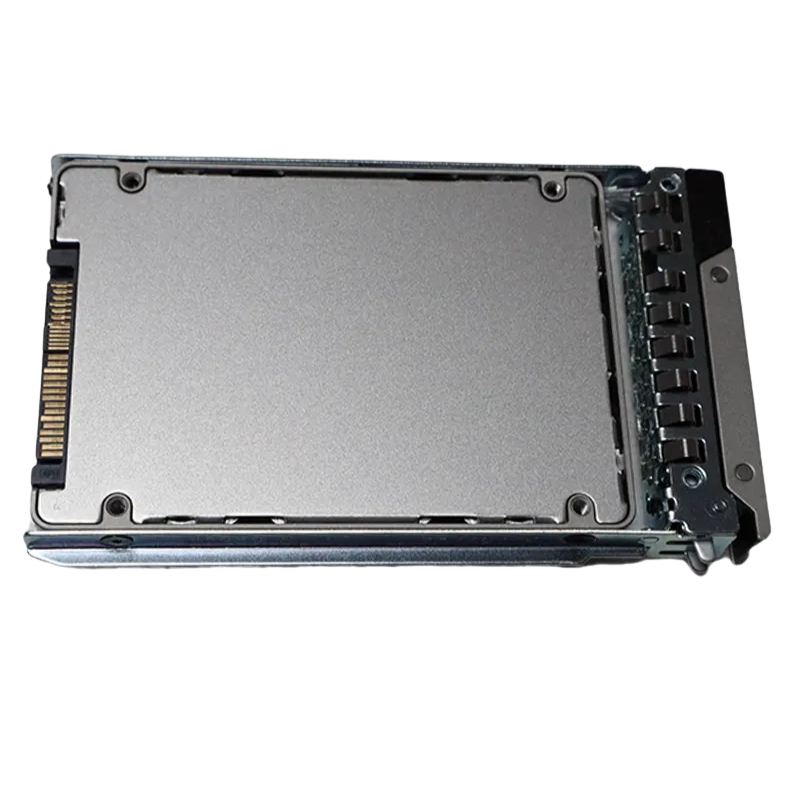
HPE P07190-B21 960GB Solid State Drive NVMe DS Read Intensive. New (System) Pull with 1 year replacement warranty
The HPE P07190-B21 is a high-performance 960GB solid-state drive engineered for read-intensive workloads. Designed with advanced digital firmware security, this 2.5-inch SFF NVMe SSD offers exceptional reliability and efficiency for enterprise-grade servers and data centers.
The HPE P07190-B21 SSD is tailored for broad deployment across HPE ProLiant servers:
The HPE P07190-B21 960GB 2.5-inch SFF Digitally Signed Firmware NVMe U.2 PCIe x4 Mainstream Performance SCN Read Intensive Solid State Drive represents a category of enterprise-grade storage designed to deliver high-speed, low-latency performance for read-intensive workloads. This category focuses on mainstream performance NVMe SSDs optimized for environments that require frequent data access rather than heavy write operations. With a 960GB capacity, U.2 interface, and PCIe x4 NVMe connectivity, these drives provide the speed, reliability, and integration capabilities required for modern data center applications, virtualization platforms, analytics workloads, and cloud infrastructure environments.
Drives in this category utilize the NVMe protocol over PCIe x4 lanes through a U.2 connector, providing high throughput and low latency compared to legacy SATA or SAS SSDs. The HPE P07190-B21 960GB NVMe SSD leverages enterprise-grade NAND technology and advanced controller design to optimize read operations while maintaining consistent performance under sustained workloads. The 2.5-inch small form factor (SFF) allows for high-density deployment in servers and storage arrays, enabling data centers to maximize capacity and performance within limited physical space. This category emphasizes the advantages of NVMe technology for mainstream enterprise workloads, ensuring predictable, high-speed access to frequently read data.
HPE P07190-B21 SSDs belong to a class of drives optimized for read-intensive workloads, where the ratio of read to write operations is high. Applications that benefit from this optimization include online analytical processing (OLAP) databases, content delivery systems, virtualization, file serving, and business intelligence platforms. By focusing on read performance, these SSDs provide deterministic throughput, low latency, and consistent IOPS, allowing enterprises to maintain responsive applications and reduce data access bottlenecks. Advanced NAND management, wear leveling, and error correction ensure that read-intensive drives can sustain consistent performance over the drive lifecycle.
A defining feature of this category is the use of digitally signed firmware, which ensures that the drive firmware is authentic, verified, and free from unauthorized modifications. This enhances system security, reduces the risk of firmware-related failures, and maintains operational stability. HPE’s SCN (Smart Carrier Notification) technology provides seamless integration with HPE management software, allowing administrators to monitor drive health, performance metrics, and predictive failure alerts in real time. This integration streamlines management, reduces downtime, and supports proactive maintenance strategies, critical for enterprise deployments.
Drives in this category, such as the HPE P07190-B21, are engineered for high-speed read access and predictable performance. The PCIe x4 NVMe interface ensures minimal latency, while advanced controllers manage queues efficiently, allowing the drive to handle simultaneous read requests with high throughput. Low-latency operation is crucial for virtualization environments, VDI workloads, database querying, and analytics applications where fast data retrieval directly impacts overall system responsiveness and user experience. By focusing on mainstream read-intensive performance, this category ensures that critical applications maintain consistent operational speed.
Reliability is a central component of this SSD category. HPE P07190-B21 drives include features such as error correction code (ECC), wear leveling, power-loss protection, and advanced health monitoring, ensuring data integrity and predictable drive lifespan. While designed for read-intensive workloads, these drives still offer sufficient endurance to support moderate write operations, providing a balanced solution for mainstream enterprise applications. Integration with HPE ProLiant servers and storage arrays ensures compatibility and predictable behavior within validated system configurations, enhancing overall data center reliability.
This category of SSDs is fully integrated with HPE server and storage management platforms, including HPE OneView and Smart Storage Administrator. Administrators can monitor drive status, performance, temperature, and predictive failure alerts through a centralized interface. Integration simplifies deployment, reduces management overhead, and ensures that read-intensive drives operate optimally within HPE ecosystems. Centralized management allows IT teams to maintain high availability, plan for capacity growth, and implement performance optimizations efficiently.
The 2.5-inch SFF form factor allows for high-density storage deployment within servers and storage arrays. Enterprises can populate multiple read-intensive SSDs in a single chassis to maximize capacity while maintaining low-latency, high-throughput access to critical datasets. This category emphasizes scalability for mainstream workloads, allowing organizations to grow storage infrastructure incrementally without sacrificing performance. Proper planning for airflow, thermal management, and power delivery is essential to ensure consistent operation in dense configurations.
HPE P07190-B21 and similar drives are designed for energy-efficient operation, reducing power consumption and heat generation even under sustained read-heavy workloads. Efficient thermal management helps maintain drive performance, extend operational lifespan, and reduce cooling costs in the data center. The U.2 interface and SFF design enable optimal airflow within server chassis, ensuring stable temperatures and consistent performance for high-density deployments.
This category incorporates advanced security features to protect enterprise data, including digitally signed firmware, optional self-encrypting drive (SED) functionality, and secure erase capabilities. Compliance with enterprise and industry standards ensures that read-intensive SSDs meet regulatory requirements for data protection. Security integration with HPE management tools enables centralized encryption policy enforcement, ensuring consistent protection across the storage infrastructure. This makes read-intensive SSDs in this category suitable for organizations handling sensitive or regulated data.
The HPE P07190-B21 category is ideal for workloads where fast, predictable read performance is essential. Common use cases include virtualization and VDI environments, online analytics platforms, database query acceleration, content delivery systems, and file serving applications. By optimizing for read-intensive operations, this category ensures that frequently accessed data can be retrieved quickly, enhancing application responsiveness and user experience. The balance of performance, endurance, and reliability makes these SSDs suitable for mainstream enterprise deployments requiring consistent, low-latency read access.
HPE read-intensive NVMe SSDs include features that simplify maintenance and lifecycle management. SCN Smart Carrier technology enables real-time monitoring, predictive analytics, and secure firmware updates without disrupting operations. Hot-swappable drive design allows administrators to replace or service drives with minimal downtime. HPE management tools provide dashboards for drive health, utilization, and performance, supporting proactive maintenance and extending overall drive lifecycle. These capabilities help enterprises maintain high availability and reduce operational risks associated with storage infrastructure.
The HPE P07190-B21 category offers a combination of high-speed NVMe performance, read-intensive optimization, enterprise-grade reliability, and seamless integration within HPE server and storage ecosystems. These SSDs provide low-latency access, predictable throughput, and high IOPS, ensuring consistent performance for mission-critical applications. Energy-efficient design, high-density deployment capability, and secure firmware further enhance operational efficiency and data protection. Enterprises benefit from streamlined management, reduced downtime, and the ability to scale storage infrastructure according to application demands.
To maximize the benefits of read-intensive SSDs, enterprises can implement strategies such as workload-aware provisioning, storage tiering, and optimized NVMe queue management. Monitoring performance metrics such as latency, IOPS, and throughput through HPE management tools allows administrators to fine-tune deployment for predictable, high-speed read access. Combining multiple read-intensive drives in dense configurations can increase aggregate performance while maintaining low-latency response, ensuring that applications operate efficiently under high-demand scenarios.


 Contact Us
 Information
 Catalog
 Solid State Drives (SSD)
 Network Switches
 Hard Disk Drives
 HBA & Controllers
 PC & Servers
 PC & Server Memory
 CPU & Processors
 Network Routers
 Power Supplies
 Tape Drives & Libraries
 Network Devices
 Computer & Network Cables