(7% discount is applied at checkout)
Cart is empty
Your go-to destination for cutting-edge server products
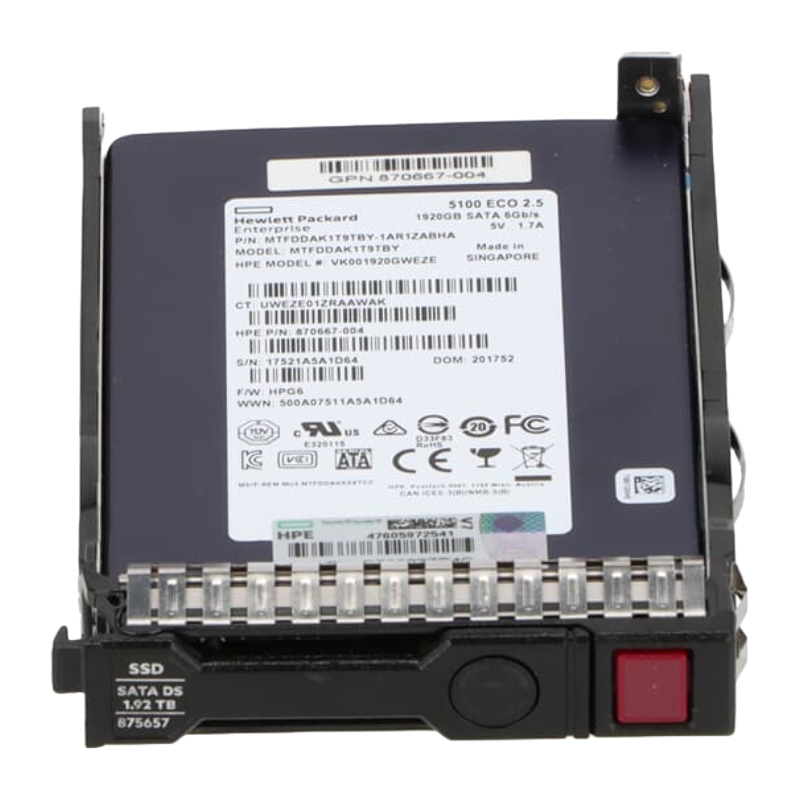


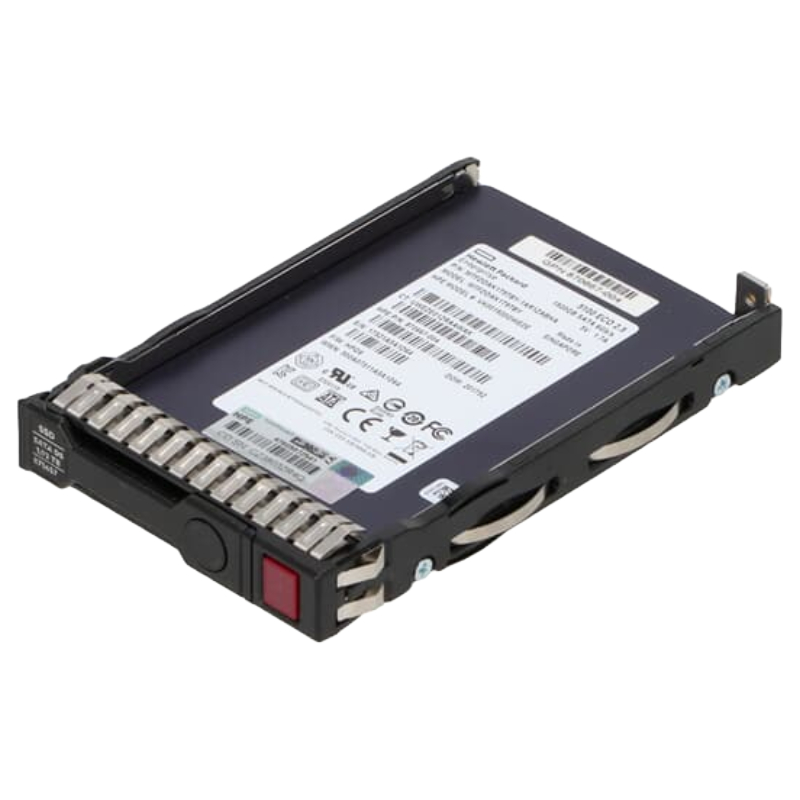
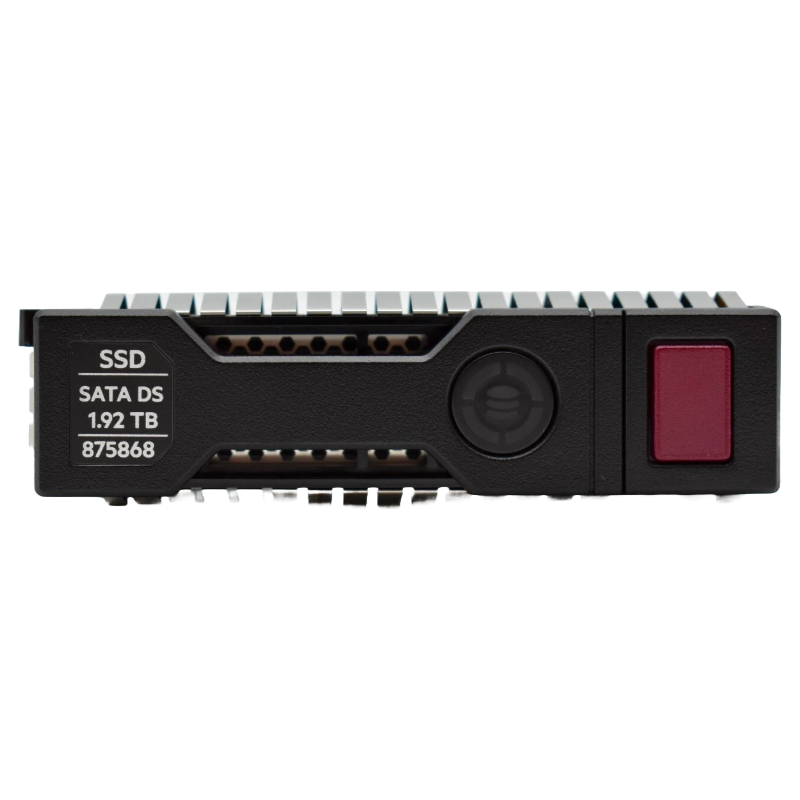
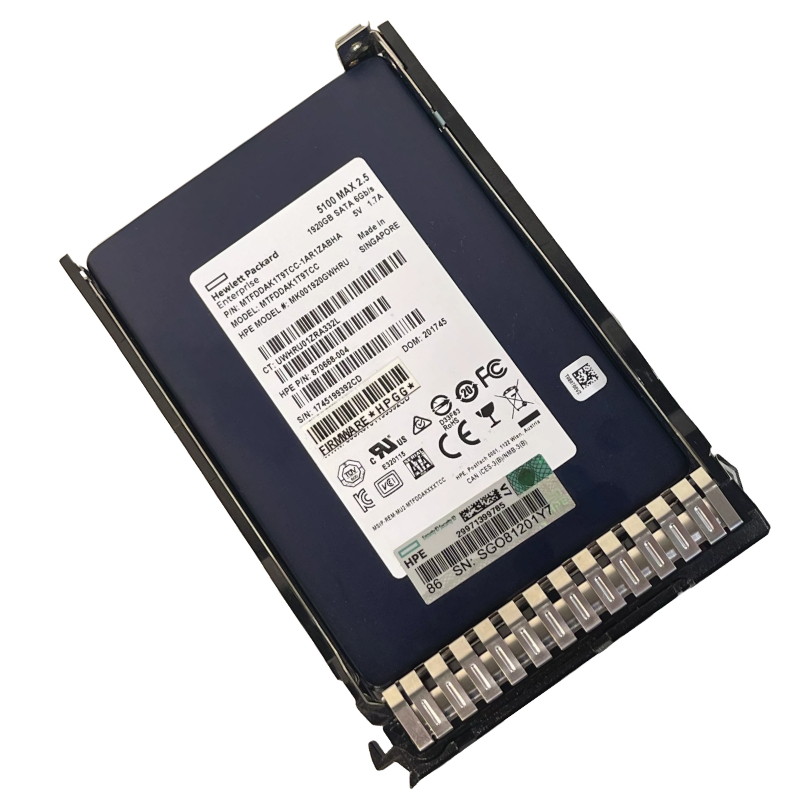
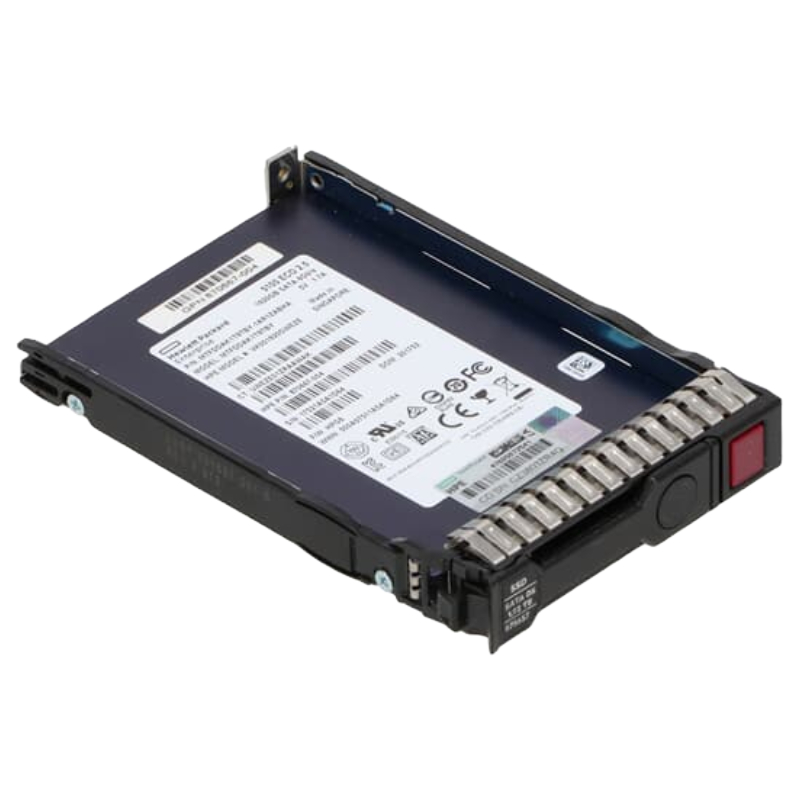
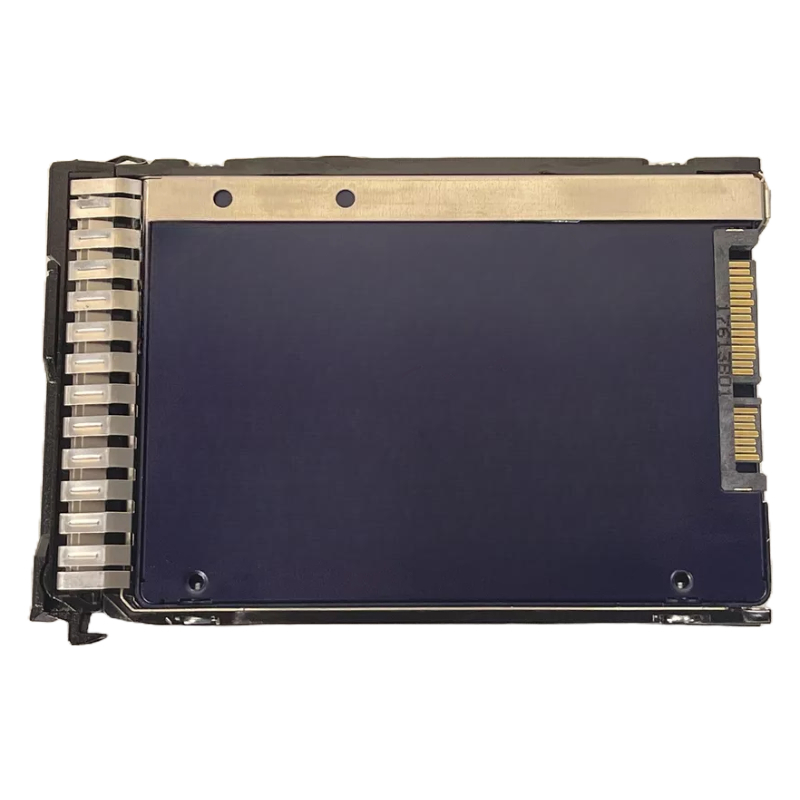
HPE P07934-K21 1.92TB SATA 6GBPS 3.5 Inch DS LPC Mixed Use Digitally Signed SSD. Excellent Refurbished with 1 year replacement warranty
| SKU/MPN | Warranty | Price | Condition | You save |
|---|---|---|---|---|
| P07934-K21 | 1 Year Warranty | $474.00 | Excellent Refurbished | You save: $165.90 (26%) |
| P07934-K21 | 1 Year Warranty | $2,064.00 | Factory-Sealed New in Original Box (FSB) | You save: $722.40 (26%) |
HPE 1.92TB SATA 6Gbps 3.5″ DS LPC Mixed Use SSD belongs to a category that balances endurance and performance across read‑ and write‑intensive workloads. This emphasizes a 3.5‑inch form factor combined with digitally signed a designation for mixed use.
In the realm of enterprise storage, the P07934‑K21 HPE 1.92TB SATA 6Gbps 3.5″ DS LPC Mixed Use SSD belongs to a category that balances endurance and performance across read‑ and write‑intensive workloads. This subcategory emphasizes a 3.5‑inch form factor (via a low profile converter) combined with digitally signed (DS) firmware, SATA connectivity, and a designation for mixed use. These drives are designed to meet the rigorous demands of data center, virtualization, OLTP, analytics, and caching environments in which sustained responsiveness and predictable latency are essential.
Within this subclass, the defining pillars include the use of a 3.5‑inch drive footprint enabled by the LPC adapter, signed firmware for enhanced integrity, and architecture tailored to endure both read and write operations. The “mixed use” designation highlights that the drive is neither solely read‑oriented nor purely write‑oriented, but rather engineered to handle a balanced mix of random I/O streams without succumbing to performance degradation. The drive’s internal firmware must manage wear leveling, garbage collection, error correction, and predictive health monitoring. In this subcategory, compatibility with existing server trays, backplanes, and drive cages is critical. A drive like the P07934‑K21 class must seamlessly integrate into common enterprise hardware without requiring extensive retooling or bespoke adapters.
While internal modules often adopt compact dimensions, the 3.5″ DS LPC class ensures that the SSD can be housed in standard large form factor drive bays. By bundling a low profile converter, these drives maintain backward compatibility with systems expecting 3.5″ drives, while preserving density and thermal design. The addition of digital signing (DS) does not change the mechanical layout but ensures that firmware integrity is upheld in enterprise fields.
This subclass utilizes the SATA III interface operating at 6 Gigabits per second. Though not as cutting‑edge as NVMe or PCIe, this protocol remains highly prevalent in legacy and hybrid storage systems. Drives in this category implement features such as NCQ (Native Command Queuing), robust error correction coding, and command queuing depths to maximize throughput under contention. Integration with SATA controllers, RAID cards, and host bus adapters is a prerequisite. The P07934‑K21 class is expected to support TRIM or equivalent maintenance commands and SMART telemetry for health reporting.
In the mixed use SSD subclass, performance is often judged by random read and write IOPS under queue depth stresses. A P07934‑K21 class drive might deliver tens of thousands of IOPS in both read and write modes across realistic queue depths, maintaining sustained performance without long latency stalls. Consistency is a hallmark in this class: the drive must deliver predictable performance as load increases, instead of spiking early and degrading.
Endurance is measured in DWPD (drive writes per day). For the 3.5″ DS LPC mixed use category, ratings around 3 to 10 DWPD are common, with many drives centred at 5 DWPD for balanced workloads. This enables sufficient write headroom for caching, logging, snapshots, and I/O bursts across sustained usage. Firmware in this subclass dedicates reserved spare sectors, dynamic overprovisioning, and background garbage collection to manage write amplification and extend drive life.
One of the more critical expectations for this class is stable latency under all conditions. Even under heavy background tasks like wear leveling, cleaning, and rebuilds, the foreground I/O should remain responsive. Designing firmware to prioritize foreground traffic over background chores is a distinguishing characteristic in the subclass. Under high concurrency the 3.5″ DS LPC mixed use drives must avoid latency spikes that degrade host applications or VM performance.
The “DS” in this subclass name stands for Digital Signature. In enterprise deployments, firmware integrity is paramount to prevent tampering or unauthorized modifications. Drives within this category must load only authenticated firmware versions via secure boot or cryptographic signing. This mitigates risks of malicious firmware attacks, rootkits, and unauthorized updates — an essential requirement for zero‑trust or audited enterprise environments.
Firmware upgrades within this category must follow strict procedures, leveraging digital signatures and rollback protections. The drive architecture must support in‑field upgrades without corrupting user data, ensuring that the enterprise storage environment remains consistent. The presence of signed firmware also aids long‑term compatibility with system management tools, vendor support cycles, and patch pipelines.
The 3.5″ DS LPC mixed use SSD class is engineered to operate within controlled power envelopes. Consumption under sustained load must remain within specified wattage limits, while idle or standby modes use reduced power states. Efficiency is a key factor in large-scale deployment, where dozens or hundreds of drives operate in parallel. Drives may include dynamic voltage scaling or clock gating to reduce energy draw when activity is low.
Heat is a challenge in dense server racks. Drives in this category employ thermal sensors, regulated throttling, or internal heuristics to adjust background workloads when temperature crosses thresholds. Maintaining data integrity and performance under thermal stress is expected. The 3.5″ DS LPC mixed use class may also require adequate airflow planning in chassis layout and spacing to avoid thermal coupling between adjacent drives or heat sources.
Enterprise SSDs in this subclass are rated for operating temperature ranges (e.g., 0 °C to 70 °C) and non‑operating ranges beyond that. They are designed for shock and vibration tolerance per server standards, and should function reliably in the environmental extremes found in enterprise data centers or colocation facilities.
The mixed use class is ideal for platforms running virtual machines, containers, or multi-tenant environments where I/O patterns switch rapidly between read and write. Storage tiers backing guest OS filesystems, snapshots, swap, and logging benefit from the balanced I/O endurance. The 3.5″ DS LPC mixed use drives maintain stability even under shifting loads common in platform-as-a-service and infrastructure-as-a-service deployments.
Within multi‑tier architectures, this subclass often serves at the metadata or caching layer — hot data that moves frequently but does not require the highest possible throughput. It bridges between ultra-fast NVMe or PCIe tiers and slower capacity drives. Because of balanced endurance and performance, this category can absorb bursts without immediate burnout, making it a robust choice for cache or meta tiers.
Log storage, indexing services, and search backends frequently generate sustained write traffic interspersed with queries. Drives in this 3.5″ DS LPC mixed use group perform well under these conditions, as they are built to handle both writes and reads continuously. This makes them suitable for backend ingest pipelines, logging farms, and index query layers where consistency and throughput matter.
Drives in this category implement strong ECC, scrubbing, background integrity checks, and sometimes power-loss protection circuits. Even though the 3.5″ DS LPC mixed use class may not always include full supercapacitors, firmware ensures that pending writes are safely committed in failure scenarios. Internal metadata redundancy and checks guard against silent data corruption.
Drives in this class are required to be hot-swappable so that maintenance or replacement can occur without service interruption. The 3.5″ DS LPC mixed use drives must signal readiness and health status so that redundant arrays, RAID controllers, or storage clusters can auto-failover or rebuild without disrupting workflow. The design supports seamless reintegration following replacement or firmware updates.
In this category, compatibility with SATA controllers, HBA cards, RAID backplanes, and storage shelves is essential. The drives must support standard command sets, fallback modes, and negotiate link speeds reliably. The 3.5″ DS LPC mixed use class is expected to be validated with major enterprise ecosystems and certified by vendors for interoperability in mission-critical arrays.
Selecting a drive in this subclass involves determining acceptable DWPD levels relative to capacity. While a 1.92TB model with 5 DWPD may suffice for many mixed workloads, some applications demand more or less endurance. Buyers must align workload projections with specification margins to avoid overspending or underspecifying.
Enterprise systems evolve, and the mixed use class must scale. Drives like those in the P07934‑K21 3.5″ DS LPC mixed use subclass allow uniform deployment across racks, easy firmware standardization, and consistent performance scaling. When newer technologies (e.g. NVMe) are introduced, these may be repurposed into secondary tiers or caching pools without major rework.


 Contact Us
 Information
 Catalog
 Solid State Drives (SSD)
 Network Switches
 Hard Disk Drives
 HBA & Controllers
 PC & Servers
 PC & Server Memory
 CPU & Processors
 Network Routers
 Power Supplies
 Tape Drives & Libraries
 Network Devices
 Computer & Network Cables