(7% discount is applied at checkout)
Cart is empty
Your go-to destination for cutting-edge server products
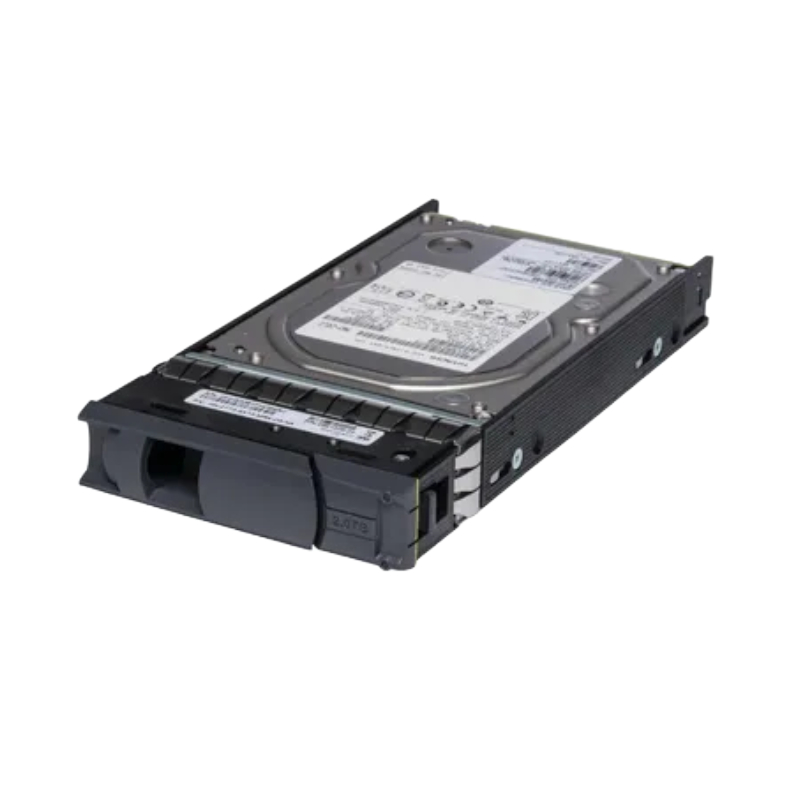


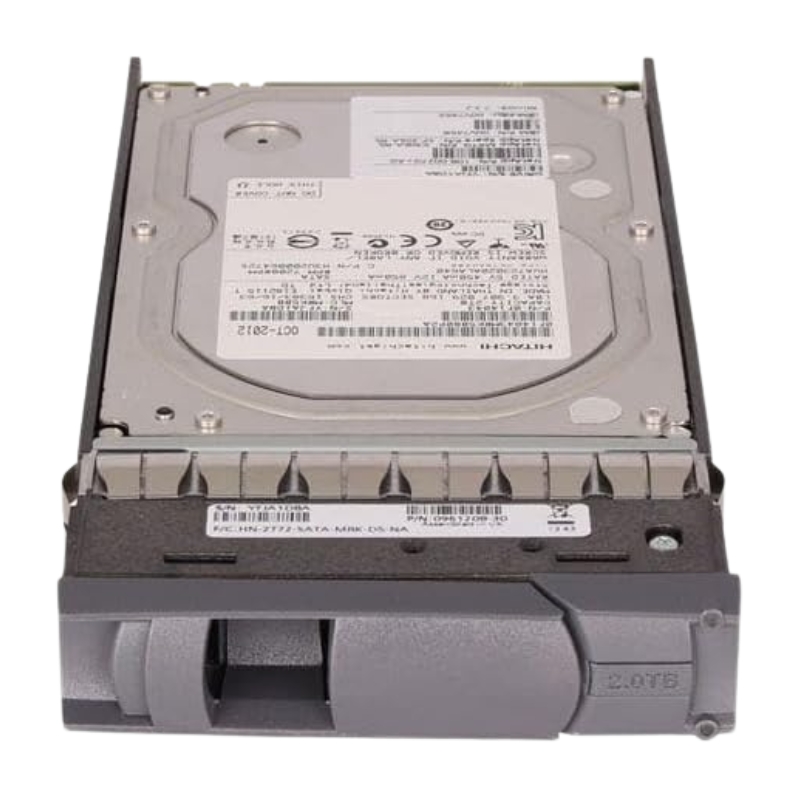
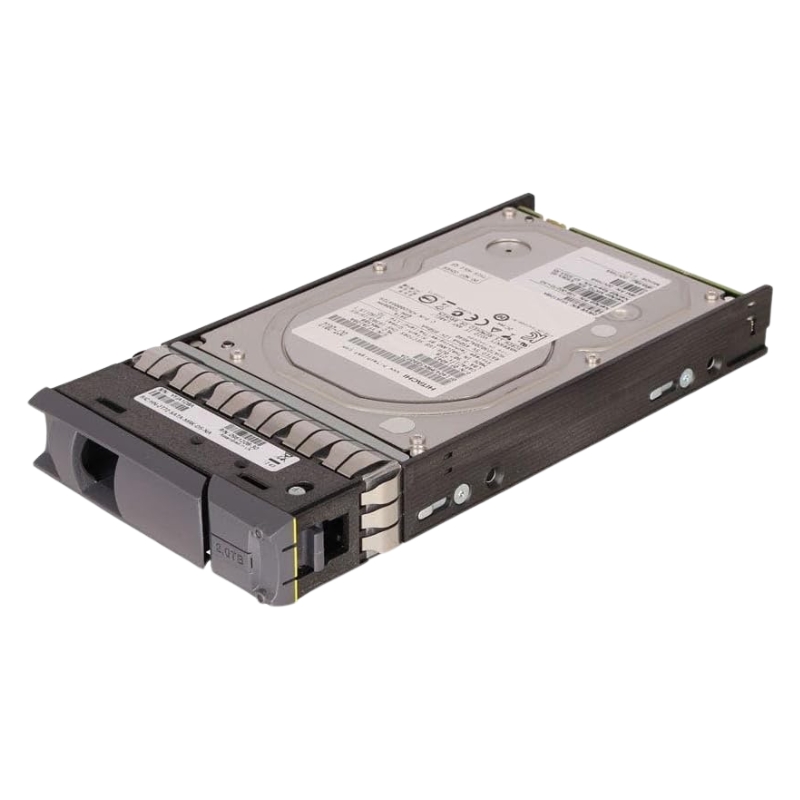
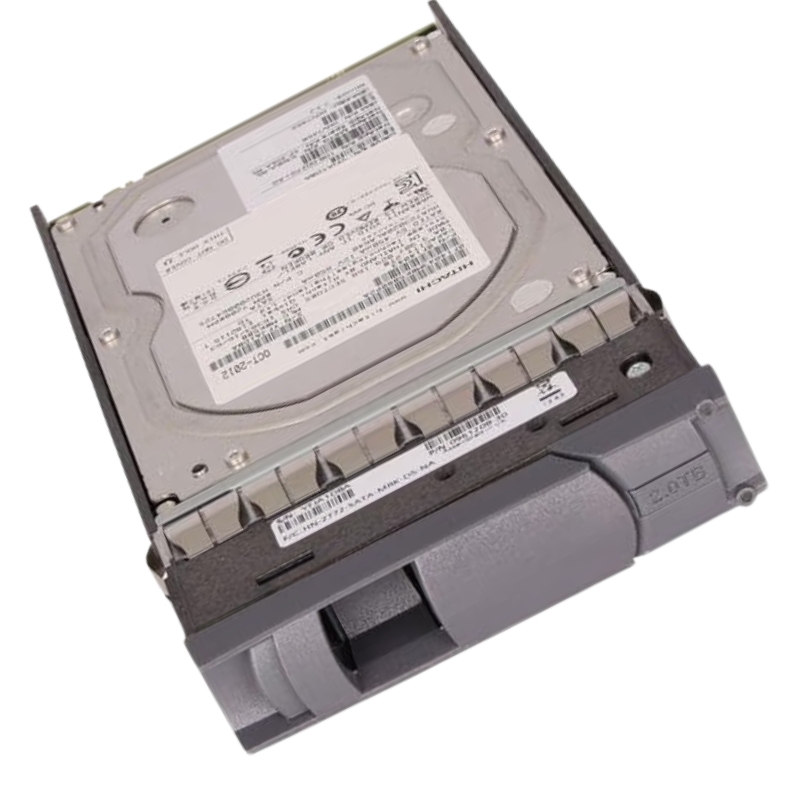
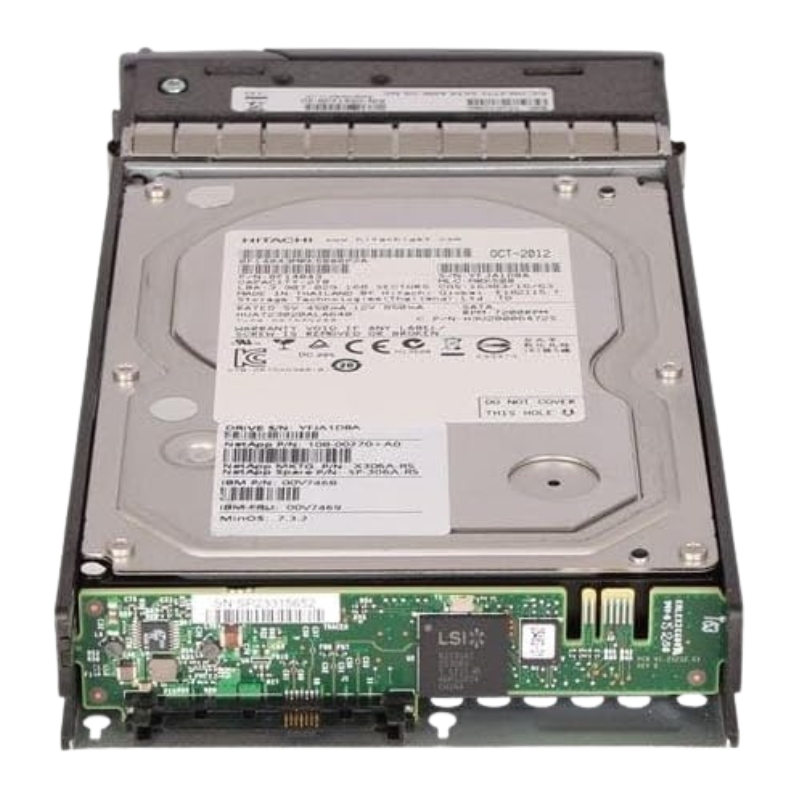
NetApp SP-306A-R5 2TB 7.2K RPM SATA 3GBPS Hard Drive With Tray For Netapp Storage Shelf DS4243. Excellent Refurbished with 1 year replacement warranty
The NetApp SP-306A-R5 is a reliable 2TB 7.2K RPM SATA 3Gbps internal hard disk drive with tray, engineered for seamless integration with NetApp DS4243 storage shelves. Designed to deliver dependable performance and compliance with industry standards, this drive is ideal for enterprise-level storage solutions.
The NetApp SP-306A-R5 2TB 7.2K RPM SATA 3GBPS with tray designed for NetApp storage shelf DS4243 represents a specialized enterprise-grade storage solution engineered for high-density data environments. This hard disk drive category is built to serve demanding storage infrastructures where reliability, consistent performance, and seamless integration into NetApp storage ecosystems are critical. It is widely used in enterprise data centers, virtualization environments, backup infrastructures, and scalable storage arrays where predictable throughput and long operational lifespan are essential.
As part of the NetApp spare parts and shelf-optimized drive lineup, the SP-306A-R5 is designed specifically for compatibility with the DS4243 storage shelf system, ensuring plug-and-play deployment with minimal configuration overhead. The inclusion of a pre-mounted tray enhances hot-swapping efficiency and ensures stable physical mounting within high-density chassis environments.
Enterprise storage systems depend heavily on standardized and validated drive models that guarantee compatibility, thermal efficiency, and performance consistency. The NetApp SP-306A-R5 belongs to a category of shelf-optimized hard disk drives that are tested and certified for specific NetApp storage enclosures. This ensures that system administrators can deploy storage expansions without encountering firmware mismatches or mechanical incompatibilities.
These drives are commonly used in RAID configurations where redundancy and fault tolerance are essential. Within such architectures, each drive contributes to a distributed storage pool that balances performance and data protection. The SP-306A-R5 fits into this ecosystem as a reliable 2TB capacity unit that supports sustained data throughput and predictable latency patterns.
The DS4243 storage shelf is a high-density disk enclosure designed to accommodate multiple hot-swappable drives in a compact rack-mounted form factor. The SP-306A-R5 drive is engineered to align precisely with the backplane connectivity, airflow design, and vibration tolerance requirements of this shelf system. This ensures optimized cooling and stable performance under continuous workloads.
Compatibility extends beyond physical fitment and includes firmware alignment, power management signaling, and error reporting synchronization. This deep integration allows storage administrators to maintain operational stability while scaling storage capacity across multiple DS4243 shelves in large data environments.
The 7,200 revolutions per minute spindle speed of the SP-306A-R5 provides a balanced performance profile between high-speed enterprise SAS drives and lower-cost archival storage drives. This rotational speed is commonly used in nearline storage applications where sustained throughput and cost efficiency must be balanced.
In practical workloads, 7.2K RPM drives provide stable sequential read and write performance, making them suitable for backup storage, large database archives, and media storage systems. The consistent rotational latency contributes to predictable performance behavior under heavy multi-user access conditions.
The SATA 3GBPS interface used in the SP-306A-R5 ensures compatibility with a wide range of NetApp storage controllers while maintaining sufficient bandwidth for enterprise workloads. Although newer SATA standards offer higher bandwidth, the 3GBPS interface remains widely used in legacy enterprise systems where stability and compatibility are prioritized over peak transfer rates.
This interface allows the drive to integrate seamlessly into DS4243 shelves without requiring additional protocol conversion or controller modifications. It also supports efficient command queuing and error recovery features essential for enterprise storage reliability.
Hot-swapping capability is a critical feature in enterprise storage environments where system uptime must be maintained continuously. The SP-306A-R5 supports hot-swappable operations within compatible NetApp shelves, allowing drives to be replaced or added without powering down the system.
This capability is essential for maintaining service availability in environments such as cloud hosting, financial systems, and large-scale data analytics platforms where even minimal downtime can have significant operational impact.
The SP-306A-R5 is commonly deployed within RAID-based storage configurations that enhance data protection and performance. RAID systems distribute data across multiple drives to achieve redundancy, fault tolerance, and improved read/write performance. Within DS4243 shelves, these drives often form part of large RAID groups managed by NetApp storage controllers.
Depending on configuration, RAID levels such as RAID 5, RAID 6, or NetApp-specific RAID-DP provide varying degrees of protection and performance optimization. The consistent behavior of 7.2K RPM drives ensures predictable rebuild times and stable performance during degraded array conditions.
In enterprise environments, workload distribution across multiple SP-306A-R5 drives ensures that no single disk becomes a performance bottleneck. This distributed architecture allows storage systems to handle concurrent access requests efficiently while maintaining consistent throughput levels.
The SATA 3GBPS interface, combined with RAID striping techniques, enables effective balancing of input/output operations across the drive array. This results in improved system responsiveness under multi-user or multi-application workloads.
The SP-306A-R5 is engineered for 24/7 operation in enterprise environments where continuous uptime is required. Unlike consumer-grade drives, enterprise hard drives undergo rigorous validation testing to ensure durability under sustained workloads, temperature variations, and vibration conditions.
This makes them suitable for data centers where storage systems operate continuously without scheduled downtime. The mechanical and firmware design is optimized to reduce failure rates and extend operational lifespan.
In high-density storage shelves such as the DS4243, thermal management is a critical factor. The SP-306A-R5 is designed to operate within controlled airflow systems that maintain optimal temperature ranges. Proper heat dissipation ensures consistent performance and reduces wear on mechanical components.
Additionally, vibration resistance is essential in multi-drive enclosures where mechanical interference between adjacent drives can impact performance. Enterprise-grade design mitigates these risks through reinforced chassis construction and adaptive vibration tolerance mechanisms.
The DS4243 storage shelf is a modular enclosure designed to support high-capacity storage expansion. It provides multiple drive bays connected through a unified backplane that facilitates power distribution and data communication. The SP-306A-R5 integrates directly into this architecture, ensuring seamless recognition by NetApp controllers.
This enclosure is commonly used in scalable storage deployments where multiple shelves are connected to expand overall capacity. The standardized drive compatibility simplifies inventory management and system upgrades.
Scalability is a defining feature of NetApp storage ecosystems. By integrating SP-306A-R5 drives into DS4243 shelves, organizations can expand storage capacity incrementally without disrupting existing workloads. This modular expansion model supports long-term infrastructure growth while controlling capital expenditure.
In virtualized environments, storage systems must support multiple virtual machines accessing shared storage resources simultaneously. The SP-306A-R5 contributes to these systems by providing consistent performance across multiple workloads, ensuring stable virtual machine operations.
Cloud infrastructure providers also utilize these drives in tiered storage systems where different performance levels are allocated based on data access frequency.


 Contact Us
 Information
 Catalog
 Solid State Drives (SSD)
 Network Switches
 Hard Disk Drives
 HBA & Controllers
 PC & Servers
 PC & Server Memory
 CPU & Processors
 Network Routers
 Power Supplies
 Tape Drives & Libraries
 Network Devices
 Computer & Network Cables