(7% discount is applied at checkout)
Cart is empty
Your go-to destination for cutting-edge server products
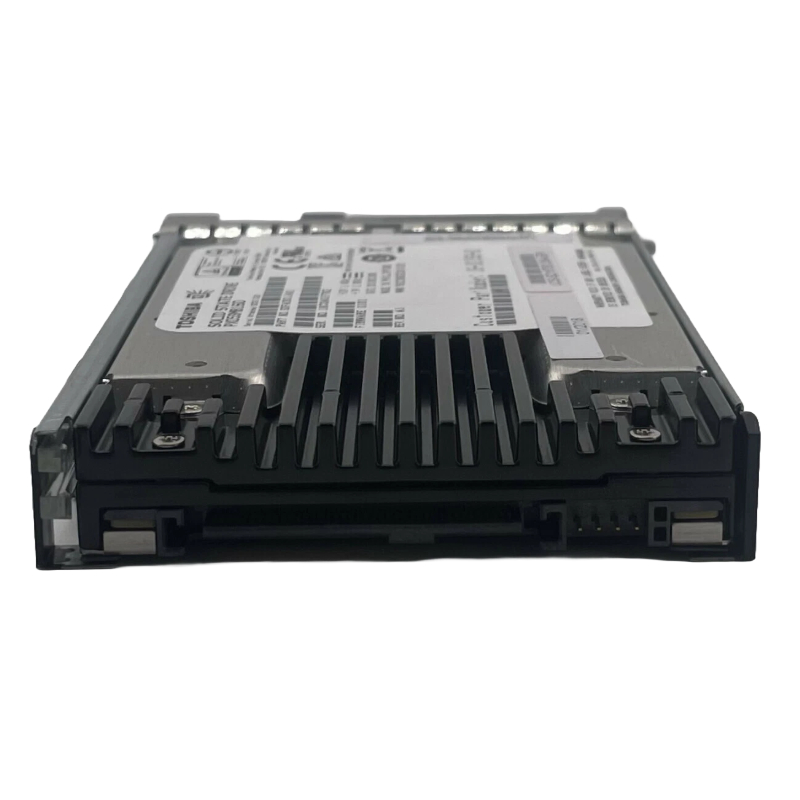


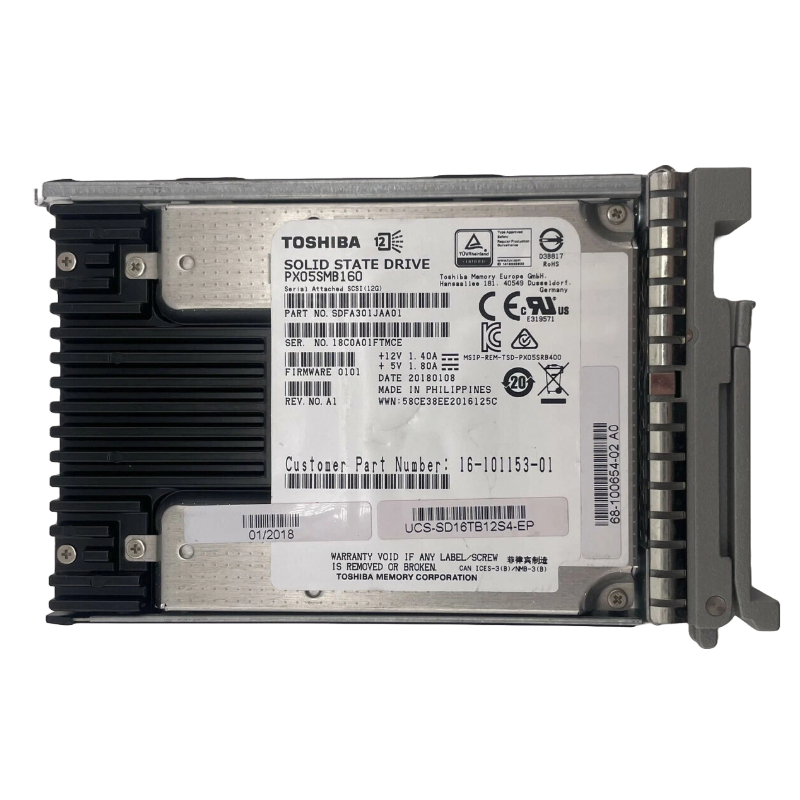
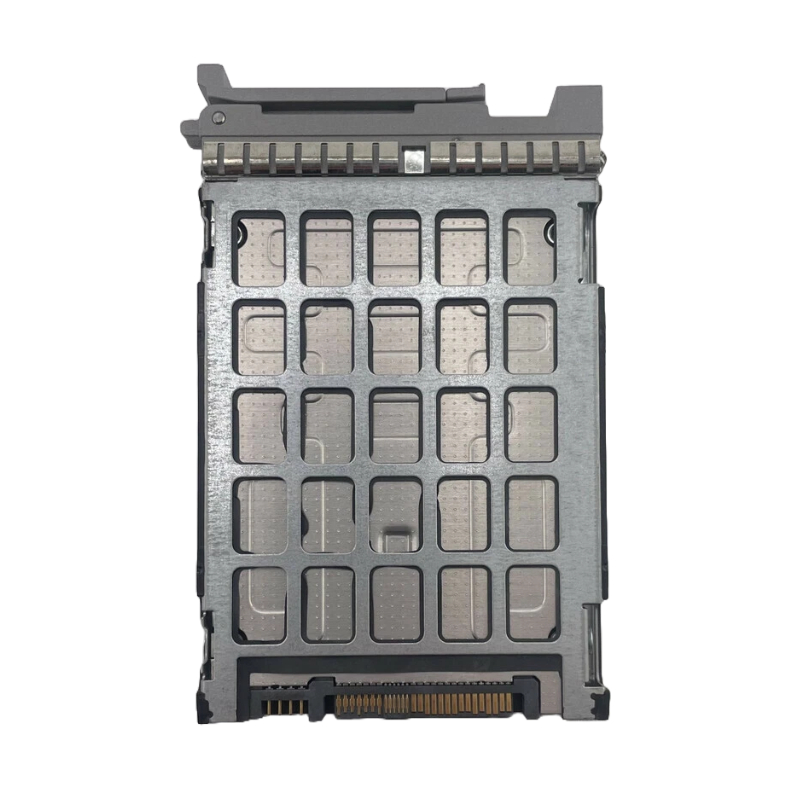
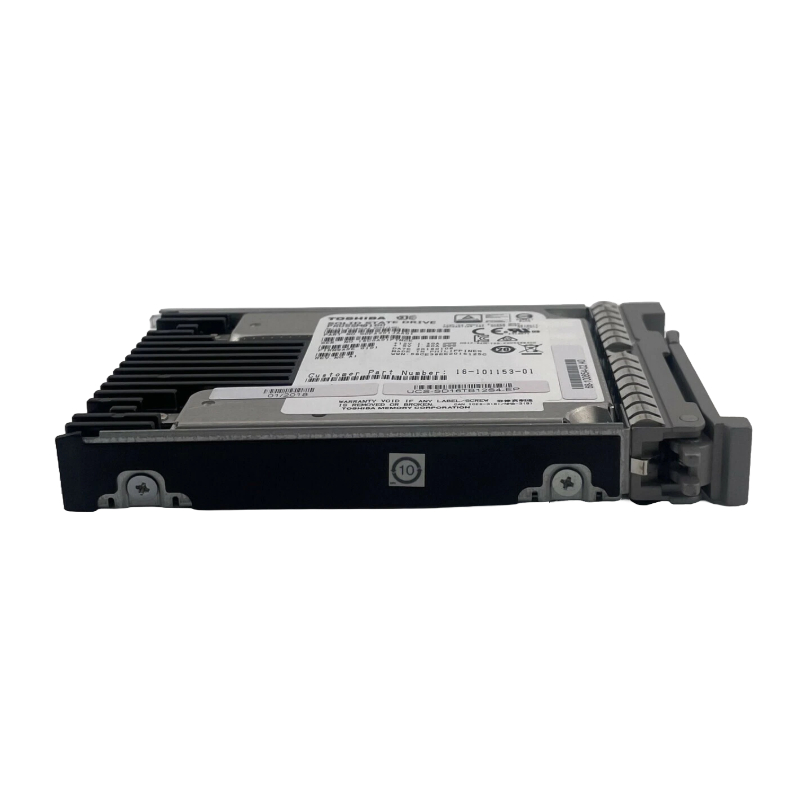
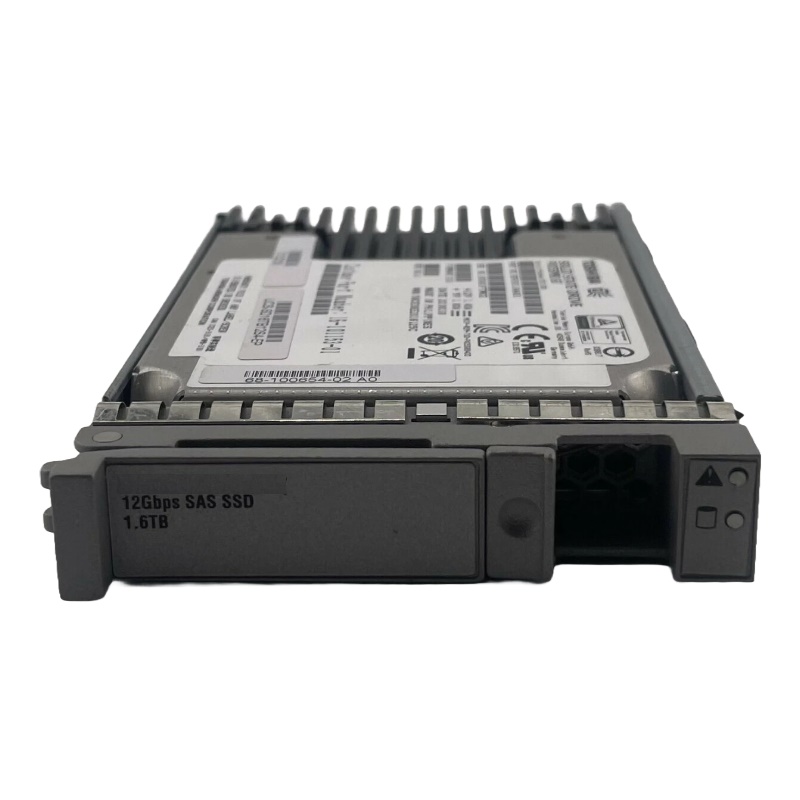
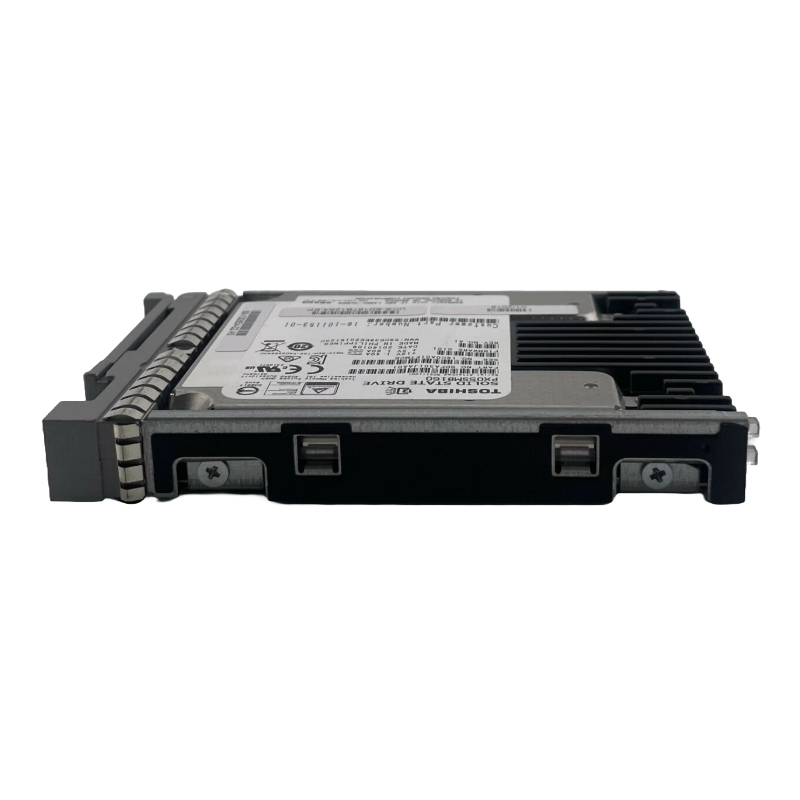
Toshiba THNSF81Q60CSE 1.6TB SATA 6GBPS Mixed Use MLC Hot Swap Enterprise SSD. Excellent Refurbished with 1 year replacement warranty
The Toshiba THNSF81Q60CSE HK4E is a high-performance 1.6TB solid-state drive engineered for enterprise-grade applications. Designed for Mixed-Use, it delivers consistent throughput and exceptional reliability for data-intensive operations.
The Toshiba THNSF81Q60CSE HK4E 1.6TB SATA-6GBPS SFF Mixed-Use MLC Enterprise Internal Solid State Drive stands as a practical pillar in the enterprise storage category that balances performance, endurance, and cost-efficiency. This drive, designed for mixed-use workloads, targets a broad class of applications where sustained throughput, predictable latency, and reliable data retention are paramount. The Toshiba THNSF81Q60CSE HK4E 1.6TB SATA-6GBPS SFF Mixed-Use MLC Enterprise Internal Solid State Drive acts as a representative example for servers, storage arrays, virtualization hosts, and read/write intensive database clusters where mixed-use flash media is preferred over strictly read-optimized or write-optimized alternatives. The category description explores how the device’s small form factor, SATA 6 Gbps interface, MLC NAND architecture, and enterprise-grade firmware align to create a dependable building block in modern data centers and edge deployments.
At the heart of the category description are the technical attributes that enterprise buyers rely on to compare options. The Toshiba THNSF81Q60CSE HK4E 1.6TB SATA-6GBPS SFF Mixed-Use MLC Enterprise Internal Solid State Drive presents a 1.6 terabyte capacity implemented in a small form factor (SFF) drive size suitable for dense server configurations. The SATA 6 Gbps interface remains highly relevant for many enterprise platforms where backward compatibility and broad ecosystem support matter more than the bleeding edge bandwidth offered by NVMe. Multi-Level Cell (MLC) NAND provides a balance between cost per gigabyte and endurance characteristics, making the drive viable for mixed read/write ratios commonly found in virtual machine storage, email servers, and transactional database systems.
The small form factor SFF design of the Toshiba THNSF81Q60CSE HK4E 1.6TB SATA-6GBPS SFF Mixed-Use MLC Enterprise Internal Solid State Drive enables high drive density within standard server chassis, blade servers, and storage enclosures. For systems designed around 2.5-inch bays or SFF sleds, the physical compatibility of the drive reduces retrofitting expense and simplifies hot-swap serviceability. The SATA 6 Gbps interface offers a friendlier upgrade path for many legacy arrays and RAID controllers compared to NVMe, making the drive category especially attractive for large-scale refresh projects where backward compatibility is a cost and time driver. The category narrative should clarify the trade-offs: SATA provides wide compatibility at slightly lower peak throughput than PCIe/NVMe devices but often at a better price point for the effective capacity and endurance delivered by enterprise MLC NAND. This balance is why many enterprises continue to deploy SATA-based mixed-use SSDs alongside NVMe tiers in a multi-tier storage architecture.
The performance profile of a mixed-use enterprise SSD is better understood through real workloads than raw sequential read/write numbers alone. The Toshiba THNSF81Q60CSE HK4E 1.6TB SATA-6GBPS SFF Mixed-Use MLC Enterprise Internal Solid State Drive is engineered to deliver consistent IOPS across a blend of random reads and writes typical of virtualized servers and transactional applications. The controller, firmware optimizations, and MLC NAND together reduce latency spikes and maintain higher sustained I/O performance during steady-state and peak activity. In practice, category-level buyers evaluate drives by how well they preserve performance when subjected to mixed-proportion workloads and when background maintenance tasks like wear leveling, garbage collection, and metadata updates are active. Drives in this category are benchmarked for predictable latency percentiles — for example, 99th and 99.9th percentile response times — because these metrics matter to application SLAs far more than peak MB/s throughput alone.
Consistency of response is a defining characteristic of enterprise-class SSDs; thus, the category must emphasize latency control and quality of service (QoS) behaviors. The Toshiba THNSF81Q60CSE HK4E 1.6TB SATA-6GBPS SFF Mixed-Use MLC Enterprise Internal Solid State Drive includes firmware-level QoS strategies that minimize long-tail latency variability. This is crucial for databases, search indexes, and real-time analytics where occasional latency spikes can cascade into timeouts and service degradation.
Mixed-use MLC occupies an important niche between read-centric and write-centric flash media. The Toshiba THNSF81Q60CSE HK4E 1.6TB SATA-6GBPS SFF Mixed-Use MLC Enterprise Internal Solid State Drive leverages MLC NAND to achieve a compromise: higher endurance and lower write amplification than consumer-grade TLC drives, while maintaining better cost-efficiency per gigabyte than legacy SLC options. This makes mixed-use MLC a pragmatic choice for mid-tier enterprise workloads where predictable performance is required but the budget does not justify the premium of SLC or purely NVMe-based high-endurance media.
Physical deployment factors such as hot-swap support, bay mapping, and chassis airflow can have material impacts on reliability and serviceability. The SFF form factor of the Toshiba THNSF81Q60CSE HK4E 1.6TB SATA-6GBPS SFF Mixed-Use MLC Enterprise Internal Solid State Drive makes it suitable for dense chassis designs, but administrators should still consider airflow patterns and tray alignment. A category page that details these practical considerations reduces friction during implementation and highlights the operational advantages of using standardized sleds and connector types. Including guidance on how to label and track drive location within racks and arrays also supports faster fault isolation and more efficient hardware replacements during maintenance windows.
Industry-specific use cases help buyers visualize the role of the Toshiba THNSF81Q60CSE HK4E 1.6TB SATA-6GBPS SFF Mixed-Use MLC Enterprise Internal Solid State Drive within their own operations. Typical applications include virtual desktop infrastructure where predictable IOPS and moderate write endurance are essential, mid-sized transactional databases that require low-latency random access, mail and collaboration servers that need consistent responsiveness, and caching tiers for web and content delivery systems. The mixed-use category fits scenarios where both reads and writes are significant and where budgets favor SATA compatibility without sacrificing enterprise-class controls and durability.


 Contact Us
 Information
 Catalog
 Solid State Drives (SSD)
 Network Switches
 Hard Disk Drives
 HBA & Controllers
 PC & Servers
 PC & Server Memory
 CPU & Processors
 Network Routers
 Power Supplies
 Tape Drives & Libraries
 Network Devices
 Computer & Network Cables