(7% discount is applied at checkout)
Cart is empty
Your go-to destination for cutting-edge server products
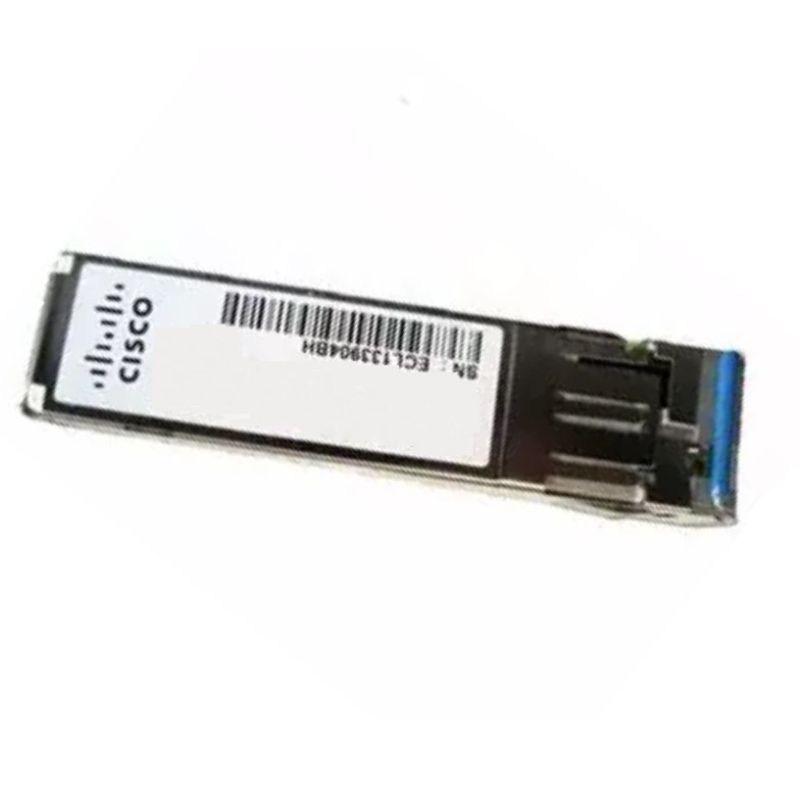


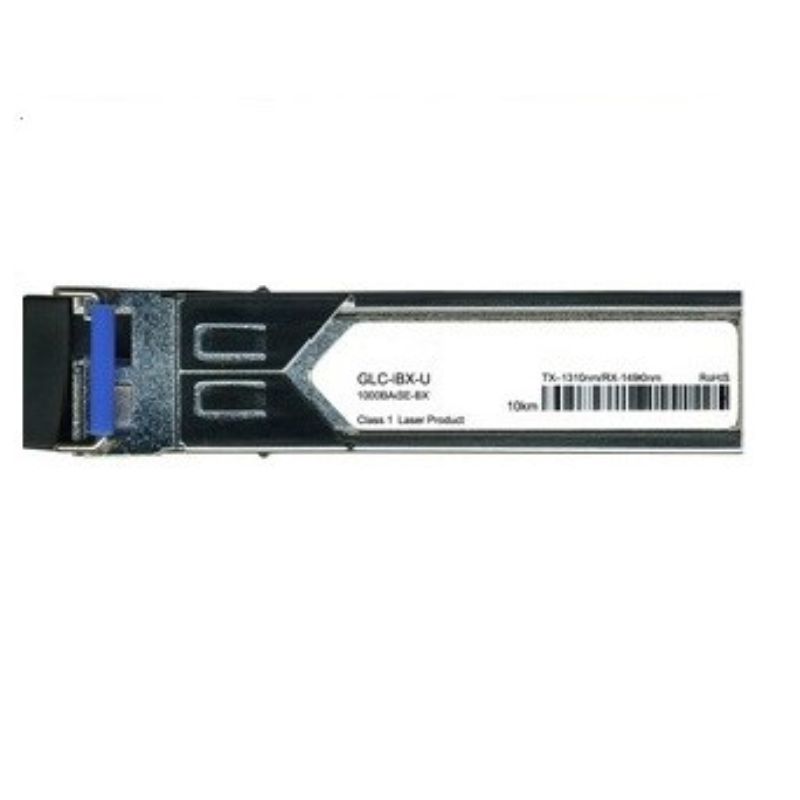
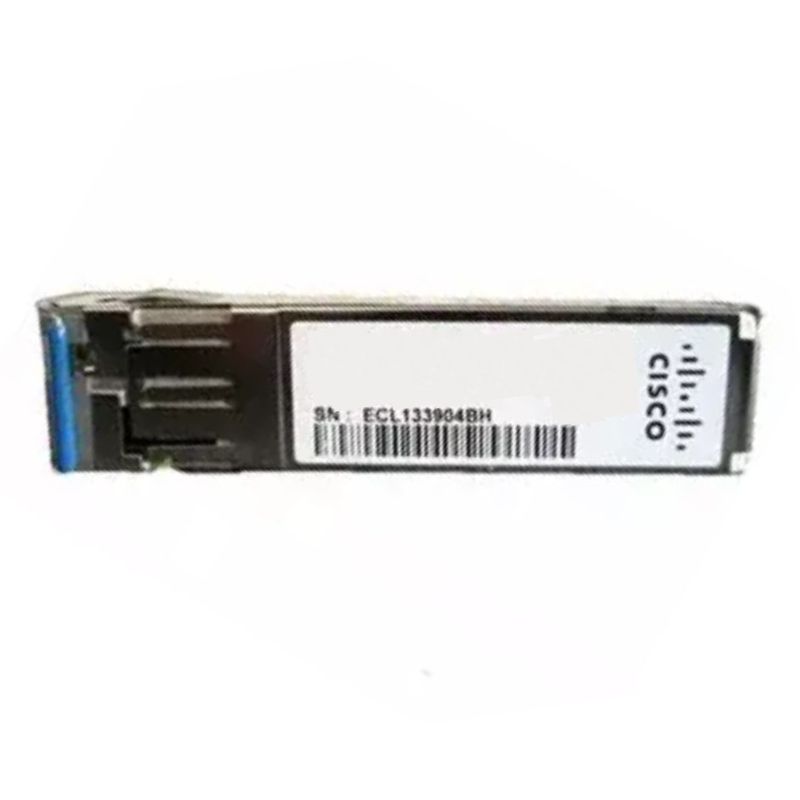
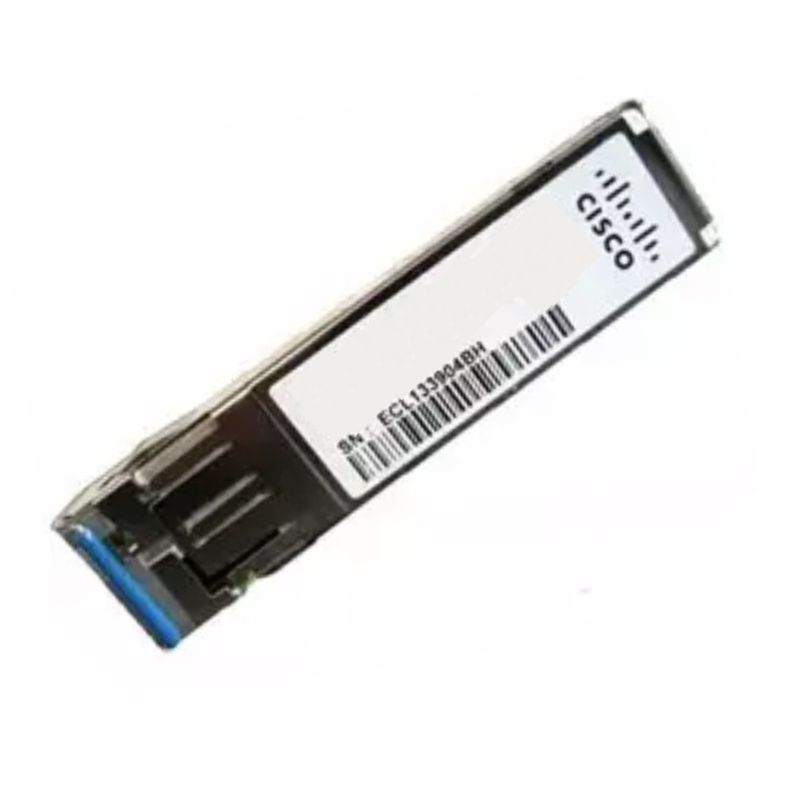
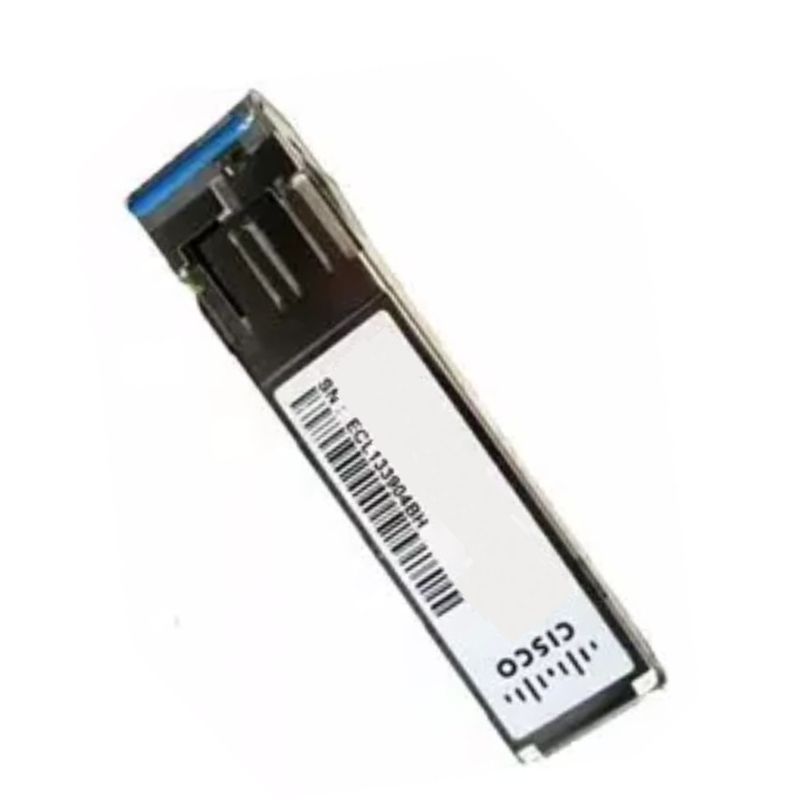
Cisco 10-2094-01 1000Base-BX10 SFP Transceiver Module. Factory-Sealed New in Original Box (FSB) with 1 year replacement warranty
Insight into the Cisco 10-2094-01 SFP transceiver Module
The Cisco 10-2094-01 1000BASE-BX10-U upstream bidirectional SFP transceiver module is engineered for reliable Gigabit Ethernet deployment over a single strand of fiber. Designed to optimize bandwidth utilization and extend network reach, this module integrates advanced Digital Optical Monitoring (DOM) capabilities, enabling administrators to supervise optical performance with precision and confidence. Built for environments requiring dependable long-distance communication, it supports efficient connectivity while keeping operational costs low.
The Cisco 10-2094-01 1000Base-BX10 SFP transceiver occupies a specific and important niche in modern fiber networking: compact, single-fiber, bidirectional gigabit optics designed for point-to-point links where fiber count is constrained but performance and manageability cannot be compromised. This category centers on SFP (Small Form-Factor Pluggable) optics built to the 1000BASE-BX10 family of IEEE/industry standards and typically marketed under Cisco OEM part numbers (often cross-referenced with model names such as GLC-BX-U or equivalent "BX10" identifiers). The defining characteristics of modules in this category are single-strand single-mode fiber operation, bi-directional (BiDi) optical channels that use two different wavelengths for transmit and receive, digital optical monitoring (DOM) support for real-time telemetry, and IEEE-compliant electrical and optical interfaces designed to fit into Cisco switches and routers that accept SFP form factors.
At the heart of the category is the idea of maximizing fiber utility without changing the host equipment. A 1000Base-BX10 SFP uses a single strand of standard single-mode fiber (SMF) and transmits and receives on different wavelengths so the same physical fiber carries traffic in both directions. This reduces cabling complexity in environments where laying an additional fiber is expensive or physically impractical, such as in ducted campus runs, across bridges, within industrial facilities, or in incremental upgrades of older fiber infrastructure. The modules are commonly used to extend Gigabit Ethernet links to typical metropolitan campus distances up to around ten kilometers, offering a sweet spot between reach, cost, and simplicity.
These transceivers follow the SFP mechanical and electrical form factor specifications, which means they are a hot-swappable plug-in module that fits into SFP slots in a wide range of Cisco switches, routers, and optical interface cards. The SFP footprint allows network administrators to change link characteristics by simply swapping modules rather than changing entire line cards or chassis. Cisco part numbers such as 10-2094-01 map to specific 1000BASE-BX10-U (upstream) or 1000BASE-BX10-D (downstream) variants in the BiDi ecosystem; the U and D designation indicates complementary wavelengths so that two paired devices—one U and one D—form a complete duplex link over a single fiber. OEM compatibility notes and cross-reference lists are commonly provided by aftermarket vendors, but network teams should always verify support statements for their specific platform and IOS/firmware version before deployment.
Modules in this category operate by using two distinct wavelengths: one wavelength for transmission and another for reception. Typical wavelength pairs seen across BX10 modules include 1310 nm transmit paired with 1490 nm receive (or similar combinations depending on the exact U/D designation). This approach enables full-duplex communication on a single fiber core. Practical reach for BX10 modules is engineered for metro and campus spans and is commonly specified at up to 10 kilometers over standard single-mode fiber; some vendor compatible modules or variants may list extended reaches, but operators should design around conservative link budgets and account for splices, connectors, and aging fiber attenuation. When laying out a link, pay attention to transmitter power, receiver sensitivity, and margin requirements to ensure a stable link including the effects of temperature, wavelength drift, and passive optical losses.
One of the practical advantages of many Cisco-branded and Cisco-compatible 1000Base-BX10 SFPs is support for Digital Diagnostic Monitoring (also called DOM or DDM). DOM provides real-time access to critical optical parameters through the host platform’s management plane. Typical telemetry includes optical transmit power, optical receive power, temperature, laser bias current, and supply voltage. Having DOM available on a link simplifies commissioning, fault isolation, and ongoing health checks: a technician can remotely confirm that the transmitter is emitting within spec, that received power is within expected thresholds, and whether environmental anomalies are affecting the transceiver. DOM-compatible modules therefore reduce truck rolls and on-site troubleshooting time in distributed networks.
In a mature operations workflow, DOM readings feed network monitoring dashboards and alerting rules. For example, a gradual decline in receive power might indicate fiber bend loss developing at a splice point, while sudden drops could signal a connector dislodgement or broken fiber. DOM also facilitates inventory reconciliation: administrators can query SFP part numbers and serials and match installed optics against procurement records. When integrating DOM into a network management system, prioritize normalized thresholds (so sites with different fiber plant characteristics don’t generate floods of alarms) and use historical baselining to detect subtle drifts in optical performance before they manifest as outages.
1000Base-BX10 SFPs are commonly leveraged in a handful of recurring scenarios where their single-fiber, bidirectional nature provides clear advantages. First, point-to-point campus interconnects—such as connecting edge access switches back to distribution aggregation in older buildings—benefit from BiDi optics where spare fiber pairs are limited. Second, service providers delivering fiber-to-the-curb or fiber-to-the-building services may use BX10 modules to minimize fiber infrastructure costs and to provide manageable, trackable customer links. Third, industrial and municipal projects where trenching or conduit capacity is constrained will select single-strand optics to minimize civil works and to accelerate installation timelines. Finally, temporary or emergency deployments—pop-up data links after a disaster or events—use BiDi optics to make the best use of available fiber.
When planning a BX10 deployment, the engineer must pair complementary devices (one 1000BASE-BX10-U with a 1000BASE-BX10-D) so the transmit and receive wavelengths align correctly. Fiber type matters: use single-mode fiber (OS1/OS2 or equivalent) for the expected reach and attenuation. Account for connector types—these SFPs typically use LC connectors—and ensure that patch panels and jumpers are compatible. If the link traverses unmanaged splice closures or older plant with higher attenuation, calculate the link budget conservatively and consider optical amplifiers or regeneration only if truly needed. Finally, check host hardware compatibility lists and IOS/firmware releases for any known transceiver firmware checks; some Cisco platforms enforce vendor checks and will only enable operation for recognized SFP identifiers unless the platform or software is configured to accept third-party optics.
1000Base-BX10 SFP modules are low-power devices that typically operate from a 3.3 V supply and consume around one watt of power under normal conditions. Operating temperature ranges are commonly aligned with commercial specifications (for example 0°C to 70°C), but industrial variants that tolerate wider extremes exist for harsh environments. When aggregating many SFPs in a chassis, account for cumulative heat dissipation and ensure the chassis cooling and airflow design remains within Cisco’s platform limits. Environmental resilience, including adherence to ESD precautions during insertion and removal, should be observed to protect the delicate optoelectronic components.
To verify compatibility, document the exact platform model, software release, and SFP part number. Consult the platform’s transceiver compatibility matrix and release notes; many vendors publish matrices indicating which optics are tested and supported at specific software levels. If the information is not explicit, use a lab test to validate power-up behavior, link negotiation, DOM reporting, and long-term stability under load. Keep a log of the module’s serial numbers and firmware versions for support interactions. Where vendor lock is enforced by a platform, consider configuring the device to allow third-party optics if your operational policy permits it, or plan procurement around validated OEM parts.
The BX10 family is not the only way to provision gigabit fiber links. Conventional duplex SFPs require two fibers (one transmit, one receive) and may be preferred where spare fibers are abundant or where simplicity and symmetry are valued. Multimode options (SX variants) suit shorter links and environments where lower cost fiber or existing multimode runs exist. When comparing, prioritize the physical constraints and long-term growth plans: BX10 shines when fiber conservation matters and the network topology is simple point-to-point. Duplex SFPs can be more flexible in multi-fiber or complex topologies and may offer easier troubleshooting because each direction is on a separate fiber. Choose based on operational practice, spare inventory, and the physical plant.
This model takes advantage of wavelength-division multiplexing (WDM) to deliver high-speed connectivity while using only one physical fiber. This is ideal for expanding networks where fiber resources are limited or costly to deploy. The upstream wavelength enhances traffic efficiency, making it an excellent solution for multi-node infrastructures, campuses, and metro-access networking environments.
By transmitting and receiving at different wavelengths, the module enables full-duplex communication through a single optical path. This dramatically reduces fiber consumption and simplifies installation efforts.
Single-fiber solutions minimize the need for additional fiber runs, reduce trenching and infrastructure expenses, and streamline overall maintenance requirements.
With extended-reach capabilities, the Cisco 10-2094-01 provides dependable data transmission across distances that exceed typical multimode solutions. It caters to organizations managing geographically dispersed facilities or requiring stable uplink paths.
The integrated DOM feature allows network engineers to measure optical input/output power, supply voltage, temperature, and laser bias current. These built-in tools support proactive monitoring and troubleshooting, lowering the risk of unexpected link failures.
By providing granular diagnostics, the module reduces the need for physical inspections and enables quick identification of faults. This translates into faster problem resolution and stronger network resilience.
Cisco designed the 10-2094-01 1000BASE-BX10-U module to operate smoothly across a broad range of switching and routing platforms. Whether deployed in access networks, aggregation layers, or distribution frameworks, it delivers stable, predictable performance.
The hot-swappable SFP form factor enables plug-and-play deployment. Technicians can replace or upgrade modules without rebooting the host device, keeping operations uninterrupted.
Built to Cisco’s rigorous quality standards, the module offers consistent performance even under demanding conditions. Its stable optical characteristics and robust mechanical construction ensure longevity in 24/7 networking applications.
Engineered for precision, the module maintains strong signal integrity over long distances, reducing packet loss and improving overall link clarity.
Thanks to thoroughly tested operating thresholds, the module delivers dependable service even when exposed to temperature fluctuations or minor voltage irregularities.
From enterprise buildings to metropolitan networks, the Cisco 10-2094-01 fits seamlessly into diverse architectures. Its ability to support upstream data flow makes it suitable for networks requiring precise traffic direction and optimized throughput.
Companies benefit from reduced cabling requirements and improved network organization. The module provides dependable links for departments, remote wings, and multi-floor infrastructures.
Telecom providers frequently implement BX-series transceivers to expand connectivity without exhausting fiber resources. The extended reach supports efficient city-wide distribution networks.
The long-haul capability and consistent optical output make it suitable for industrial automation, security systems, and remote site connections that depend on steady data flow.
Organizations aiming for standardized infrastructure appreciate the Cisco 10-2094-01 for its unified power, wavelength, and diagnostic features. Consolidating transceiver types simplifies network management and reduces the need for diverse spare stock.
The module’s reliability and compatibility promote longevity, giving organizations a long-term return on investment while maintaining peak network stability.


 Contact Us
 Information
 Catalog
 Solid State Drives (SSD)
 Network Switches
 Hard Disk Drives
 HBA & Controllers
 PC & Servers
 PC & Server Memory
 CPU & Processors
 Network Routers
 Power Supplies
 Tape Drives & Libraries
 Network Devices
 Computer & Network Cables