(7% discount is applied at checkout)
Cart is empty
Your go-to destination for cutting-edge server products
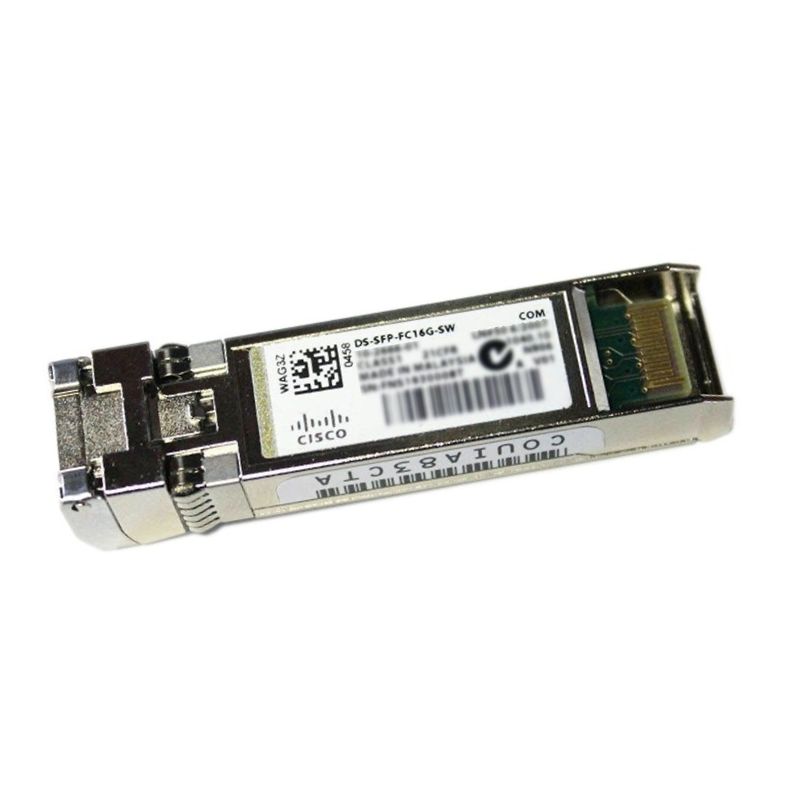


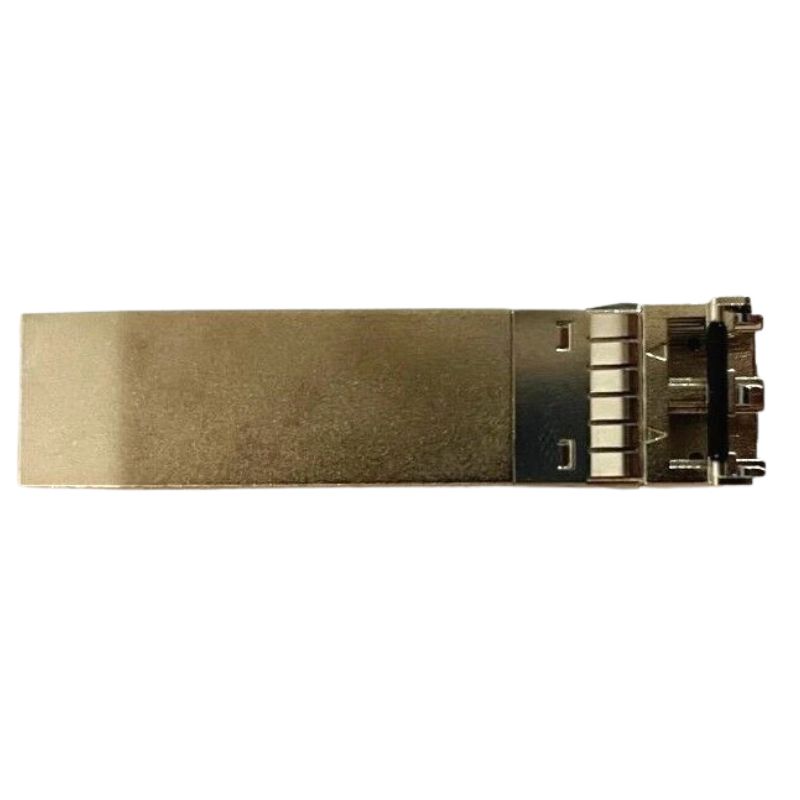
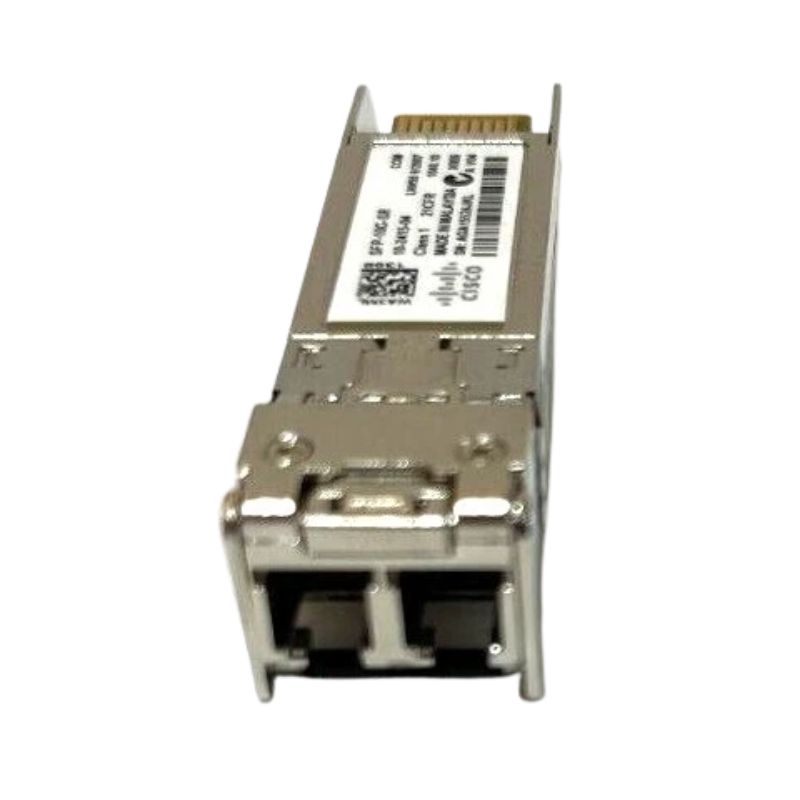
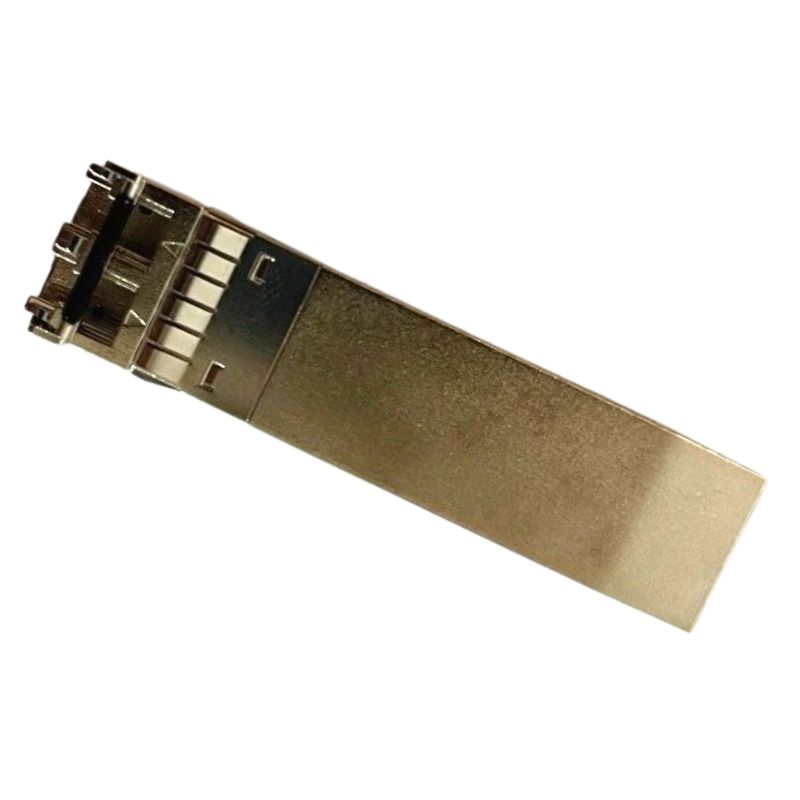
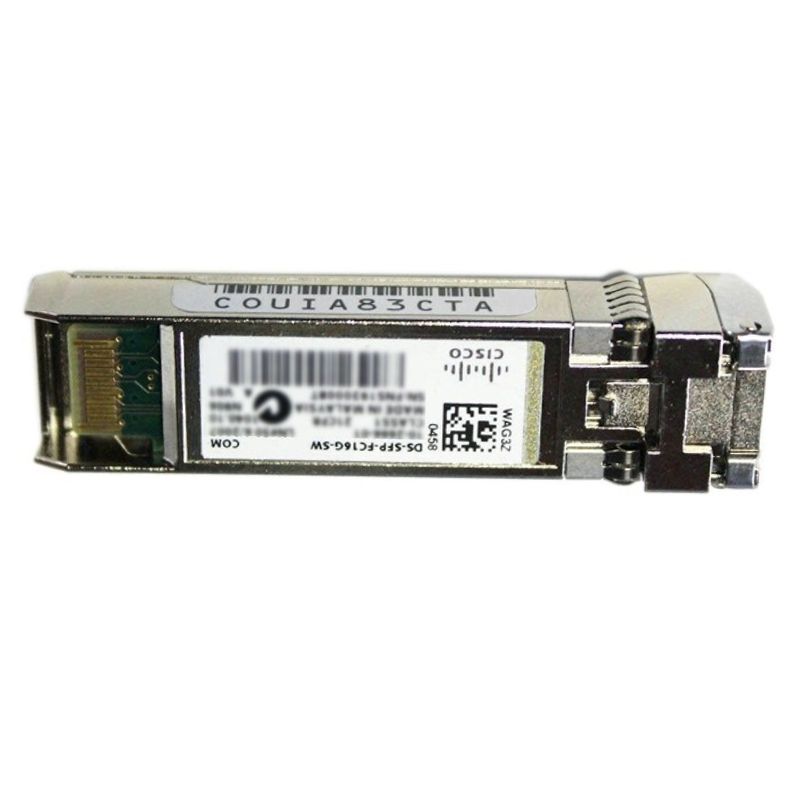
Cisco 10-2666-01 16 Gbps Fibre Channel SW SFP+ LC Transceiver Module. Excellent Refurbished with 1 year replacement warranty
Overview of Cisco 10-2666-01 16Gbps Optical Transceiver
The Cisco 10-2666-01 16Gbps Fibre Channel SW SFP+ transceiver module delivers dependable short-wave optical connectivity for high-performance data center fabrics. Designed for robust server-to-switch and storage-area-network links, this compact SFP+ module supports efficient multimode fiber (MMF) deployments, ensuring stable throughput, reduced latency, and seamless scalability within modern enterprise environments.
The Cisco 10-2666-01 16 GBPS Fibre Channel SFP+ LC transceiver module is a compact, hot-pluggable optical device engineered to deliver high-throughput, low-latency links for storage area networks (SANs), enterprise switches and blade servers. Designed around the SFP+ form factor, this transceiver provides a standard interface for connecting Fibre Channel fabrics at 16 Gbps speeds while occupying minimal physical space in modern chassis-based and fixed-configuration networking platforms. The module is positioned to meet the needs of data centers aiming to maximize storage performance while maintaining dense port counts and efficient rack utilization.
The SFP+ (Small Form-factor Pluggable Plus) package used by the Cisco 10-2666-01 is a compact, industry-standard transceiver format that fits into SFP+ cages on switches, HBAs, and routers. The device connects to fibre using an LC duplex connector interface, which remains the prevailing choice for single-mode and multimode links thanks to its small footprint and broad adoption. The small size of the SFP+ transceiver enables high port density on network and storage devices, making it ideal for row-level and hyperscale installations where space, cooling and cabling management are critical operational concerns.
Because the module adheres to SFP+ mechanical dimensions, it is compatible with standard SFP+ cages and transceiver slots across a wide range of hardware vendors, particularly Cisco-branded switches and storage directors. Thermal design considerations include low power consumption and heat dissipation characteristics that are tuned for modern chassis environments. In dense configurations, proper airflow and chassis temperature control remain important to sustaining consistent 16 Gbps performance over extended periods of full load operation.
At its core, the Cisco 10-2666-01 is engineered to support 16 Gbps Fibre Channel, which is widely used in enterprise SAN backbones to provide high-bandwidth transport for block storage traffic. Fibre Channel at this speed enables higher IOPS throughput and can reduce latency for demanding storage workloads such as databases, virtualization clusters and large-scale backup/restore operations. The transceiver’s electrical and optical interfaces align with SFP+ and Fibre Channel specifications so that it can deliver stable link performance, error resilience and predictable behavior when paired with compatible ports and active components.
The module is suitable for various Fibre Channel topologies, including point-to-point links between servers and storage controllers, switched fabric environments that employ fabric switches and directors, and extended fabric configurations when used in conjunction with appropriate optical infrastructure. When integrated into a properly configured SAN, the transceiver helps enable high-availability architectures that support multipathing, redundancy, and bandwidth aggregation strategies commonly used in enterprise deployments.
Cisco’s naming convention for this transceiver—10-2666-01—identifies it as a module intended to work natively with Cisco hardware, firmware and diagnostics frameworks. In practice, interoperability depends on both physical compatibility and firmware acceptance mechanisms, such as vendor ID checks in certain platform families. Many environments use Cisco-branded optics for guaranteed compatibility, while some administrators opt for third-party SFP+ optics that adhere to MSA (Multi-Source Agreement) standards. When planning purchases for multi-vendor networks, it is important to validate compatibility lists, firmware release notes and any vendor-specific acceptance policies to ensure the transceiver will function as expected in production.
The Cisco 10-2666-01 uses the LC duplex connector, supporting common fibre cabling types used in SANs. Optical performance characteristics include the transceiver’s supported link distances, modal types and signal integrity across multimode or single-mode fibre. In typical SAN use cases, short-range links within a rack or between adjacent racks rely on OM3/OM4 multimode cabling, while longer runs between data halls or buildings will use single-mode fibre. Appropriate selection of cabling and patching infrastructure is essential to achieving the advertised 16 Gbps link speed without error or degradation.
The Cisco 10-2666-01 SFP+ transceiver is commonly deployed in enterprise SAN cores, high-performance compute clusters, backup and replication links, and SAN extension projects. In virtualization and database environments, where IO patterns and throughput demand scales quickly, 16 Gbps Fibre Channel links enabled by SFP+ optics can significantly reduce queueing and storage response times. Storage administrators often use these transceivers to build redundant fabrics where multiple 16 Gbps paths provide both throughput and resilience against single-path failures.
When scaling SAN capacity and performance, organizations combine more ports, higher-speed transceivers and fabric segmentation strategies. The compact SFP+ form factor allows network architects to populate dense switch line cards with many 16 Gbps ports, thereby enabling scalability without a proportional increase in rack space. The module supports architectures where incremental upgrades to 16 Gbps are required without replacing entire switch chassis, providing a cost-effective migration path from older speeds.
Choosing between transceiver options requires balancing distance, cost, compatibility and future-proofing. The SFP+ form factor offers a clear migration path from older SFP-based Fibre Channel speeds by keeping the same slot interface while increasing bandwidth. For customers moving from 8 Gbps to 16 Gbps, SFP+ optics and compatible host bus adapters (HBAs) or switch ports deliver a leap in throughput while enabling reuse of existing passive infrastructure where appropriate. When longer distances are required, single-mode optics and compatible cabling should be selected; for short, high-density runs, multimode options paired with OM3 or OM4 fibre are a common choice.
An effective upgrade plan inventories existing cabling, verifies switch and HBA support for 16 Gbps SFP+ modules, and schedules a phased rollout that preserves redundancy. Assessing backplane and chassis thermal characteristics is recommended to avoid overheating when populating many SFP+ modules. Compatibility notes from hardware vendors and interoperability matrices should be consulted to avoid costly surprises during the migration.
Reliability expectations for enterprise transceivers include long mean time between failures, robust connector latching and adherence to environmental specifications for temperature, shock and vibration. Cisco-branded optics are typically accompanied by vendor qualification and support assurances. Compliance to industry MSA specifications for SFP+ ensures mechanical and electrical compatibility across vendors that adhere to these agreements. Additionally, transceivers that meet compliance standards simplify qualification and lifecycle planning for regulated environments.
Data center deployments must consider the regulatory environment for electronic components and the relevant marks and certifications applicable to their region or industry. Proper disposal and recycling practices for optical transceivers should be followed in accordance with local environmental regulations. When planning large-scale refreshes of transceiver inventories, account for end-of-life processes and procurement cycles to maintain compliance.


 Contact Us
 Information
 Catalog
 Solid State Drives (SSD)
 Network Switches
 Hard Disk Drives
 HBA & Controllers
 PC & Servers
 PC & Server Memory
 CPU & Processors
 Network Routers
 Power Supplies
 Tape Drives & Libraries
 Network Devices
 Computer & Network Cables